

 Versenden
 Teilen
 Details anzeigen

 Herunterladen
 Ähnliche Objekte
 Diashow
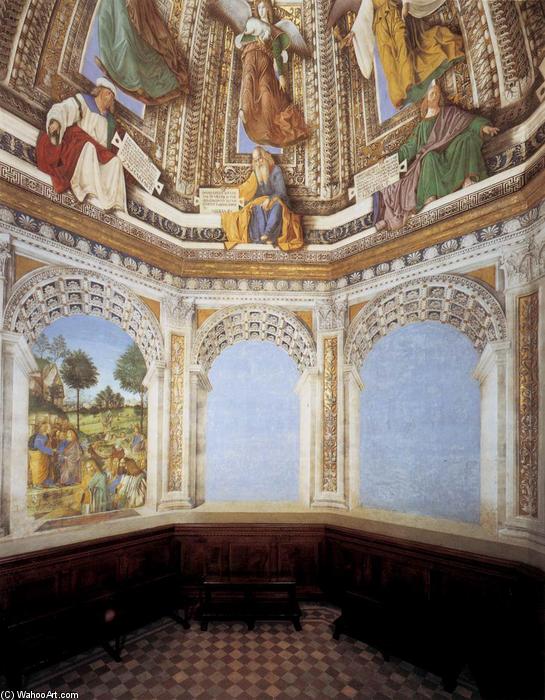
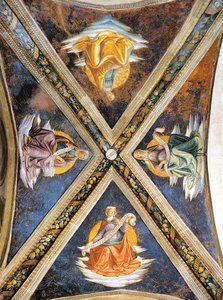
View of the Sacristy of St Mark


 Weiterlesen
Giclée / Kunstdruck
Giclée- oder Leinwanddruck in Museumsqualität mit schneller Produktion und flexiblen Veredelungsoptionen. ( Handgemalte Reproduktion bestellen Bild kaufen)




































Wählen Sie aus unseren vordefinierten Formaten, die den ursprünglichen Proportionen des Kunstwerks entsprechen.

Sie können Ihre eigenen Maße eingeben, um ein bestimmtes Format oder einen speziellen Platz einzupassen. Wenn das von Ihnen gewählte Format nicht den Proportionen des Originalbildes entspricht, werden wir das Kunstwerk entweder beschneiden oder das Bild mit einem gespiegelten oder einfarbigen Rand erweitern. Ein digitaler Entwurf wird Ihnen zur Genehmigung zugesandt, bevor die Produktion beginnt.
Bitte beachten Sie, dass die Vorschau auf dem Bildschirm nicht den tatsächlichen Zuschnitt oder die Erweiterung widerspiegelt. Nur der Entwurf zeigt die endgültige Komposition präzise an.
Obwohl Sondermaße verfügbar sind, empfehlen wir die Auswahl eines Maßes aus der vordefinierten Liste, um die ursprünglichen Proportionen zu bewahren.
Weltweiter Versand () innerhalb von 2 Wochen statt der üblichen 4/5 Wochen. (27 August)

Kostenloser weltweiter Expressversand

Hochwertige Leinenleinwand

Umfassender Versicherungsschutz beim Versand

Zollgebühren-Rückerstattungsgarantie

Garantie für exakte Farbtreue

60 Tage Rückgaberecht (nur bei Mängeln)

100% Geld-zurück-Garantie

Mengenrabatt verfügbar
 Die Glasoption ist nur für Größen unter 110 cm verfügbar.

View of the Sacristy of St Mark
Giclée / Kunstdruck
Format der Reproduktion
-


Gesamtpreis
$ 62
A Vision of Divine Order: Unveiling Melozzo da Forlì's "View of the Sacristy of St Mark"
Within the walls of Siena’s Cappella dei Magi resides a fresco that continues to captivate and challenge viewers centuries after its creation – Melozzo da Forlì’s “View of the Sacristy of St Mark.” Completed in 1477, this monumental work isn't merely a depiction of a chapel; it’s an immersive experience, a testament to Renaissance ambition, and a profound exploration of perspective, narrative, and the very nature of illusion. The sheer scale of the fresco – spanning approximately 80 square meters – immediately commands attention, drawing the viewer into a meticulously constructed world that feels both utterly real and profoundly symbolic.
At first glance, the scene presents itself as a Roman mausoleum or rotunda, its octagonal plan echoing classical architectural principles. However, closer inspection reveals a complex narrative unfolding within this carefully designed space. Central to the composition is a dramatic tableau featuring Joseph, Mary, and the infant Jesus, flanked by John the Baptist and angels – figures rendered with an astonishing level of detail and emotional resonance. The scene isn’t simply religious; it's imbued with a sense of familial devotion and divine protection, radiating warmth and serenity despite the monumental scale.
The Architectonics of Illusion: Mastering Renaissance Perspective
What truly distinguishes “View of the Sacristy” is Melozzo da Forlì’s groundbreaking mastery of perspective. He wasn't simply applying established techniques; he was pushing their boundaries, creating a sense of depth and spatial realism previously unseen in fresco painting. The artist employed *paragone*, a technique involving the use of two-point linear perspective to create an illusion of receding space, particularly evident in the arches framing the landscape view. This wasn’t just about making things look smaller; it was about creating a believable environment, drawing the viewer into the scene and making them feel as though they are standing within the chapel itself.
The use of atmospheric perspective – softening distant elements with muted colors and reduced detail – further enhances this illusionistic effect. Melozzo da Forlì meticulously layered pigments to simulate materials like marble, fabric, and even light, creating a tactile quality that invites the viewer’s eye to explore every corner of the fresco. The gold leaf used extensively throughout the work adds an ethereal glow, elevating the scene to a realm of divine beauty.
Symbolism Woven into the Fabric of Faith
Beyond its technical brilliance, “View of the Sacristy” is rich in symbolic meaning. The architectural setting itself represents the transition from earthly life to the eternal realm. The figures within are not merely portraits; they embody theological concepts – Joseph’s protective stance, Mary's serene contemplation, and Jesus’ vulnerability all contribute to a complex narrative of faith, sacrifice, and redemption. The inclusion of angels signifies divine intervention and guidance, while the carefully chosen gestures and expressions convey profound emotional depth.
The overall composition adheres to strict Renaissance principles of harmony and balance, reflecting the humanist ideals that shaped the era. Every element – from the precise arrangement of figures to the intricate detailing of the architectural elements – contributes to a unified vision of divine order and beauty. The scene is not just visually stunning; it’s a carefully constructed meditation on faith, family, and the human condition.
A Legacy of Innovation: Melozzo da Forlì's Enduring Influence
Melozzo da Forlì’s “View of the Sacristy of St Mark” stands as a pivotal work in the history of Renaissance art. His innovative use of perspective, combined with his masterful command of color and composition, profoundly influenced subsequent generations of artists, including Raphael and Andrea Mantegna. His legacy extends beyond Siena; he helped to establish fresco painting as a vehicle for complex narrative storytelling and demonstrated the potential of illusionistic techniques to create immersive and emotionally resonant experiences.
Today, reproductions of this magnificent fresco continue to inspire awe and admiration, offering viewers a glimpse into the artistic genius of Melozzo da Forlì and the enduring power of Renaissance art. It remains a testament to the transformative potential of perspective and a celebration of faith, family, and the human spirit.
Ähnliche Kunstwerke
Über den Künstler
Frühes Leben und Ausbildung (1438–1470)
- Geburtsort: Forlì, Italien
- Daten: Geboren um 1438 – Gestorben November 1494
- Familienhintergrund: Vermutlich aus einer wohlhabenden Familie namens Ambrosi in Forlì.
- Frühe Ausbildung: Einzelheiten sind spärlich; es wird vermutet, dass er von der forliesischen Kunstschule beeinflusst wurde, insbesondere von Ansuino da Forlì, die beide von Andrea Mantegna beeinflusst wurden.
- Mögliche Lehrzeit: Einige Berichte deuten darauf hin, dass er möglicherweise als Gehilfe und Farbmüller für Meistermaler gearbeitet hat.
- Frühe Erwähnungen: Dokumentiert zum ersten Mal zwischen 1460 und 1464 in Forlì.
Römische Periode und künstlerische Entwicklung (1470–1484)
- Zusammenarbeit mit Antoniazzo Romano: Um 1472-1474 malte er Fresken in der Bessarione-Kapelle in Rom zusammen mit Antoniazzo Romano.
- Einfluss von Piero della Francesca: Während seines Aufenthalts in Urbino (wahrscheinlich zwischen 1465 und 1474) wurde Melozzo stark vom Stil und den Perspektivtechniken Pieros della Francescas beeinflusst.
- Architekturstudien: Er studierte Architektur unter Bramante und beobachtete die Arbeit flämischer Maler, die für Herzog Federico da Montefeltro in Urbino arbeiteten.
- Wichtige Werke in Rom:
- Weihe von Platina zum Bibliothekar (ca. 1477) – Jetzt im Pinacoteca Vaticana.
- Fresken am Palazzo Altemps (entworfen von Melozzo, erbaut für Girolamo Riario).
- Teilnahme an der Akademie des Heiligen Lukas (gegründet 1478).
- Innovative Verkürzung: Sein Fresko mit der Himmelfahrt Christi in der Basilika dei Santi Apostoli demonstrierte seine Meisterschaft in der Verkürzung, einer Technik, die spätere Künstler maßgeblich beeinflusste.
Spätere Karriere und künstlerischer Stil (1484–1494)
- Umzug nach Loreto: Nach dem Tod von Sixtus IV. im Jahr 1484 zog Melozzo nach Loreto und malte das Fresko in der Kuppel der Sakristei von San Marco in der Basilika della Santa Casa.
- Einfluss auf Mantegna: Die Kuppeldekorierung in Loreto beeinflusste Pietro da Cortona und Andrea Mantegnas *Camera degli Sposi* maßgeblich.
- Rückkehr nach Rom (1489): Er kehrte nach Rom zurück und entwarf Cartoons für Mosaike in der Kapelle des Heiligen Helena.
- Säkulares Werk: Das Fresko „Pestapepe“ in Forlì, das einen Gemüsehändler darstellt, ist sein einziges bekanntes weltliches Motiv und demonstriert einen realistischen Stil.
- Letzte Jahre: Er kehrte nach Forlì zurück und arbeitete mit Marco Palmezzano zusammen, um die Feo-Kapelle zu dekorieren, bevor er im November 1494 starb.
Künstlerische Bedeutung und Vermächtnis
- Meister der Perspektive: Melozzo da Forlì wird in erster Linie für seine innovative Verwendung der Perspektive, insbesondere der Verkürzung, anerkannt, die seine Fresken mit einer Tiefe und einem Realismus erfüllte.
- Einfluss auf Renaissance-Meister: Seine Arbeit beeinflusste maßgeblich Künstler wie Raffael und Donato Bramante.
- Verbindung zu Mantegna: Gemeinsame stilistische Elemente und Einflüsse mit Andrea Mantegna, die eine gemeinsame künstlerische Linie innerhalb der italienischen Renaissance demonstrieren.
- Schüler Marco Palmezzano: Begleitete Marco Palmezzano, der in einem ähnlichen Stil fortfuhr.
- Beitrag zur Freskomalerei: Er leistete bedeutende Beiträge zur Entwicklung von Freskomaltechniken während der Renaissance.

Melozzo Da Forlì
1438 - 1494 , Italien
Kurzinfos
- Beeinflusste Künstler:
- Raphael
- Donato Bramante
- Bemerkenswerte Werke:
- Sixtus IV. ernennt Platina
- Himmelfahrt Christi Fresko
- Musik-spielende Engel
- Einflussreiche Künstler:
- Andrea Mantegna
- Piero della Francesca
- Geburtsdatum: 8. Juni 1438
- Geburtsort: Forlì, Italien
- Künstlerische Richtung: Renaissancemalerei
- Nationalität: Italienisch
- Sterbedatum: 8. November 1494
- Vollständiger Name: Melozzo da Forlì
Ähnliche Artikel
Leonardo da Vinci: Die 25 Meisterwerke für Ihr Zuhause | ArtsDot
Entdecken Sie die 25 Meisterwerke von Leonardo da Vinci! Erfahren Sie faszinierende Geschichten hinter Gemälden wie der Mona Lisa & Das letzte Abendmahl. Hochwertige Reproduktionen für Ihr Zuhause – jetzt bei ArtsDot entdecken!

Das Familienerbe an die Wand bringen: Wandgemälde als Generationenschatz
Verwandeln Sie Ihre Familiengeschichte in ein beeindruckendes Wandgemälde! Expertenrat & hochwertige Handwerkskunst für einzigartige Kunstwerke, die Generationen verbinden. Entdecken Sie jetzt!

The Enduring Legacy of Fresco Painting: Techniques, History & Contemporary Relevance
Explore the rich history & enduring artistry of fresco painting – from Giotto to Michelangelo! Discover techniques, conservation efforts, & modern applications. Learn how ArtsDot brings this timeless art form to your home.

The Enduring Legacy of Fresco: Technique, History & Artistic Expression Across Cultures
Explore the rich history & enduring legacy of fresco painting! Discover ancient techniques, Giotto's masterpieces, and modern applications. Expert insights for art lovers & professionals.
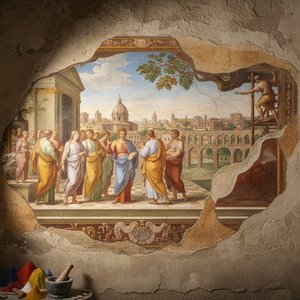
Die bleibende Pracht der Freskomalerei: Technik, Geschichte und künstlerischer Ausdruck
Entdecken Sie die faszinierende Welt der Freskomalerei! Von den Ursprüngen bis zur Renaissance – wir beleuchten Technik, Geschichte und künstlerischen Ausdruck dieser einzigartigen Kunstform. Expertenwissen für Sammler & Liebhaber.

