 Versenden
 Teilen
 Details anzeigen

 Herunterladen
 Ähnliche Objekte
 Diashow
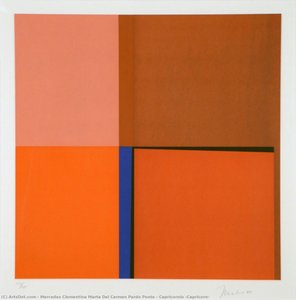
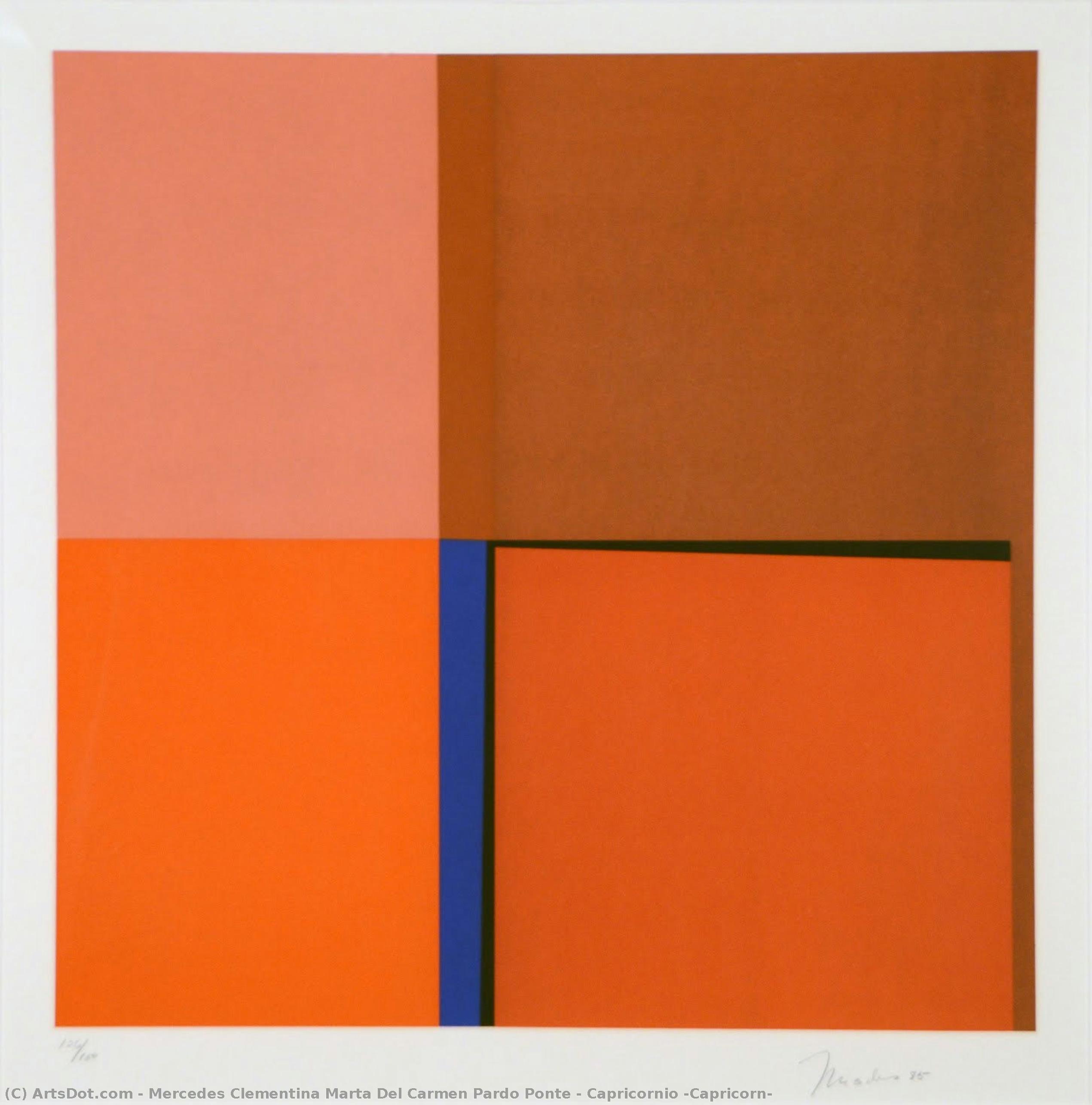
Capricomio (Widder)
 Giclée-Druck
- Digital
- Geometric Abstraction
 1985
1985- Moderne
 Interamerikanische Entwicklungsbank ArtLAC Galerie
 Weiterlesen
Giclée / Kunstdruck
Giclée- oder Leinwanddruck in Museumsqualität mit schneller Produktion und flexiblen Veredelungsoptionen. ( Handgemalte Reproduktion bestellen Bild kaufen)




































Wählen Sie aus unseren vordefinierten Formaten, die den ursprünglichen Proportionen des Kunstwerks entsprechen.

Sie können Ihre eigenen Maße eingeben, um ein bestimmtes Format oder einen speziellen Platz einzupassen. Wenn das von Ihnen gewählte Format nicht den Proportionen des Originalbildes entspricht, werden wir das Kunstwerk entweder beschneiden oder das Bild mit einem gespiegelten oder einfarbigen Rand erweitern. Ein digitaler Entwurf wird Ihnen zur Genehmigung zugesandt, bevor die Produktion beginnt.
Bitte beachten Sie, dass die Vorschau auf dem Bildschirm nicht den tatsächlichen Zuschnitt oder die Erweiterung widerspiegelt. Nur der Entwurf zeigt die endgültige Komposition präzise an.
Obwohl Sondermaße verfügbar sind, empfehlen wir die Auswahl eines Maßes aus der vordefinierten Liste, um die ursprünglichen Proportionen zu bewahren.
Weltweiter Versand () innerhalb von 2 Wochen statt der üblichen 4/5 Wochen. (22 August)

Kostenloser weltweiter Expressversand

Hochwertige Leinenleinwand

Umfassender Versicherungsschutz beim Versand

Zollgebühren-Rückerstattungsgarantie

Garantie für exakte Farbtreue

60 Tage Rückgaberecht (nur bei Mängeln)

100% Geld-zurück-Garantie

Mengenrabatt verfügbar
 Die Glasoption ist nur für Größen unter 110 cm verfügbar.

Capricomio (Widder)
Giclée / Kunstdruck
Format der Reproduktion
-


Gesamtpreis
$ 62
Sammlerstück-Beschreibung
Mercedes Pardo’s “Capricornio”: A Synthesis of Expressionism and Geometric Abstraction
“Capricornio,” painted in 1985 by Mercedes Clementina Marta del Carmen Pardo Ponte, is more than just a visually striking artwork; it's a profound meditation on the interplay between inner emotion and structured form. Born in Caracas, Venezuela, in 1921, Pardo’s artistic journey was marked by a fascinating evolution, beginning with an exploration of abstract expressionism before she ultimately embraced the precision and dynamism of geometric abstraction – a shift that nonetheless retained her deep-seated interest in conveying human experience through color and shape. This particular piece exemplifies this unique synthesis, offering a glimpse into the artist's complex psyche and her innovative approach to representing the unseen.
A Palette of Earth and Spirit
The artwork immediately captivates with its dominant palette: a rich tapestry of warm oranges, reddish-browns, punctuated by accents of pink, blue, and green. These earthy tones evoke a sense of grounding, reminiscent of the Venezuelan landscape that so profoundly influenced Pardo’s work. The composition is built upon a grid-like structure formed by precisely delineated rectangular blocks – a deliberate choice that speaks to her later embrace of geometric abstraction. However, these rigid forms are not cold or sterile; rather, they vibrate with an underlying energy, suggesting movement and dynamism. Notice how the varying shades within each block create subtle shifts in tone and texture, preventing the composition from feeling overly static.
The Legacy of Influences: From El Greco to Parisian Modernism
Pardo’s artistic development was shaped by a diverse range of influences. Early on, she studied under Antonio Edmundo Monsanto at the Escuela de Artes Plásticas y Visuales de Caracas and drew inspiration from European masters like El Greco, whose dramatic use of color and elongated figures foreshadowed Pardo's own exploration of emotional intensity. Her time in Paris during the late 1940s proved particularly transformative; she immersed herself in the École du Louvre, encountering Cohe de la Ferti and Jean Cassou – artists who were pushing the boundaries of abstraction at the time. This exposure to Parisian modernism undoubtedly contributed to her eventual shift towards geometric forms, while simultaneously preserving her sensitivity to color and its expressive potential. Her uncle, Luis Alfredo López Mendez, and Danish professor Ingeborg Fostberg also played a role in shaping her early artistic sensibilities.
Decoding the Symbolism: Structure, Emotion, and the Inner Landscape
While “Capricornio” is undeniably abstract, it’s not devoid of symbolic meaning. The geometric blocks can be interpreted as representing structure, order, and perhaps even a simplified depiction of natural forms – echoing the earth tones that dominate the palette. However, their arrangement isn't simply about creating visual harmony; it’s about generating dynamic relationships between color and form. Pardo believed that color could reflect inner consciousness, and in this painting, she masterfully demonstrates how the juxtaposition of these elements can evoke a powerful emotional response. The lack of perspective and depth suggests a focus on the *experience* of the artwork rather than its representation as a three-dimensional object – inviting the viewer to lose themselves within the composition’s vibrant energy. The title itself, “Capricornio,” referencing the astrological sign associated with stability, discipline, and responsibility, further adds layers of interpretation.
A Reproduction Worthy of Appreciation
It's important to note that "Capricornio" was likely created as a digital reproduction from an original painting. The smooth texture and even lighting suggest a high-quality print, emphasizing the flatness of the composition while still retaining the vibrancy of Pardo’s color palette. ArtsDot offers meticulously crafted reproductions that faithfully capture the essence of this remarkable artwork, allowing you to bring its powerful emotional resonance into your home or office. Consider commissioning a custom size to perfectly complement your space – preserving the original proportions and ensuring an authentic representation of this significant piece of Venezuelan modern art.
Ähnliche Kunstwerke

Über den Künstler
Frühes Leben und Ausbildung
- Geboren: Caracas, Venezuela (29. Juli 1921)
- Gestorben: Caracas, Venezuela (24. März 2005)
- Mercedes Clementina Marta del Carmen Pardo Ponte begann ihre künstlerische Reise bereits in jungen Jahren.
- Sie studierte Malerei und Zeichnung an der Escuela de Artes Plásticas y Visuales in Caracas.
- Im Alter von zwölf Jahren nahm sie Kurse an der Academia de Bellas Artes unter der Leitung von Antonio Edmundo Monsanto.
- Noch vor ihrem zwanzigsten Lebensjahr schrieb sie sich offiziell an der Escuela de Arts Plásticas y Aplicadas de Caracas ein und schloss ihr Studium im Jahr 1944 ab.
Künstlerischer Stil und Einflüsse
- Der künstlerische Stil von Mercedes Pardo war geprägt von lebendigen Farben und abstrakten Formen.
- Sie wurde von europäischen Meistern wie El Greco (Domenikos Theotokopoulos) beeinflusst.
- Ihr Werk spiegelte Elemente der Natur wider, inspiriert von der venezolanischen Landschaft.
- Zu den frühen Einflüssen gehörten die dänische Professorin Ingeborg Fostberg sowie ihr Onkel Luis Alfredo López Mendez.
- Während ihrer Zeit in Paris wurde sie an der École du Louvre durch Cohe de la Ferti und Jean Cassou geprägt.
- Ihr Stil entwickelte sich von frühen figurativen Arbeiten hin zum Abstraktionismus, insbesondere während der 1950er Jahre.
Berufliche Entwicklung und bedeutende Erfolge
- Ehe mit Marco Bontá (1945): Eine kurze Ehe, die zu Reisen und Studien in Chile führte.
- Studien in Paris (1949-1951): Besuch der École du Louvre, wo sie Collagen und frühe abstrakte Werke schuf.
- Ehe mit Alejandro Otero (1951): Eine bedeutende Partnerschaft mit einem weiteren prominenten venezolanischen Künstler.
- Internationale Ausstellung abstrakter Kunst (1952): Teilnahme an dieser Ausstellung in Caracas, die ihren Durchbruch als abstrakte Künstlerin markierte.
- Gründungsmitglied der San Antonio de Los Altos Cooperative School (1962): Gründung und Lehrtätigkeit in den Kunstwerkstätten der Schule.
- Architektonische Integrationen: Schaffung bemerkenswerter Werke, wie eines Buntglasfensters in der Station La Hoyada der Metro von Caracas, eines Mosaikmosaiks im Kinderkrankenhaus J. M. de los Ríos und der Decke des Einkaufszentrums La Viña.
- Anthologische Ausstellung (1991): Durchführung ihrer wichtigsten Ausstellung „Abodes of Color“ in der Nationalen Kunstgalerie.
Historische Bedeutung und Vermächtnis
- Mercedes Pardo wird als eine herausragende Figur der venezolanischen abstrakten Kunst anerkannt.
- Ihr Werk trug zur Entwicklung und Anerkennung des Abstraktionismus in Venezuela während der 1950er Jahre bei.
- Sie war eine aktive Kunstpädagogin, die durch ihre Lehrtätigkeit an der San Antonio de Los Altos Cooperative School künstlerische Talente förderte.
- Die Fundación Alejandro Otero-Mercedes Pardo (gegründet 2016) bewahrt und fördert ihr gemeinsames Erbe.
- Ihre Aufnahme in die Ausstellung *Action, Gesture, Paint* in der Whitechapel Gallery in London (2023) unterstreicht ihre internationale Bedeutung.
Hauptmerkmale ihres Werkes
- Abstraktion: Pardos Werk ist primär abstrakt und erforscht Form und Farbe anstelle von gegenständlicher Darstellung.
- Erforschung der Farbe: Sie nutzte eine reiche Palette lebendiger Farben, um dynamische und ausdrucksstarke Kompositionen zu schaffen.
- Lyrische Pinselstriche: Ihre Aquarelle zeichneten sich durch lyrische Pinselstriche, Tropfen und Farbflecken aus.
- Integration der Künste: Pardo bewies ein Engagement für die Integration von Kunst in verschiedene Lebensbereiche durch Architekturprojekte und Theaterdesign.
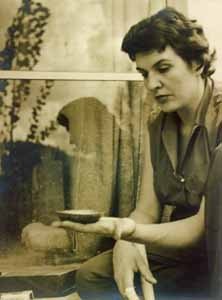
Mercedes Pardo
1921 - 2005 , Venezuela
Kurzinfos
- Geburtsdatum: 29. Juli 1921
- Geburtsort: Caracas, Venezuela
- Künstler, Die Diese Künstlerin Beeinflusst Haben:
- El Greco
- Impressionismus
- Künstlerische Bewegung Oder Stil: Abstrakte Kunst
- Nationalität: Venezolanisch
- Sterbedatum: 24. März 2005
- Vollständiger Name: Mercedes Clementina Marta del Carmen Pardo Ponte
Ähnliche Artikel

Geometrische Abstraktion: Die 10 Meisterwerke, die Kunstgeschichte prägten | ArtsDot.com
Entdecken Sie die 10 Meisterwerke der geometrischen Abstraktion! Von Kandinsky bis Mondrian – erleben Sie die Geschichte, Farben & Formen dieser revolutionären Kunstrichtung. Hochwertige Kunstreproduktionen auf ArtsDot.com
Abstrakter Expressionismus: Die 10 Meisterwerke, die eine Kunstbewegung prägten |
Entdecken Sie die 10 Meisterwerke des Abstrakten Expressionismus! Von Jackson Pollock bis Mark Rothko – erfahren Sie die Geschichten hinter ikonischen Gemälde und finden Sie hochwertige Reproduktionen für Ihr Zuhause. Jetzt bei entdecken!
Kandinsky: Die 25 Meisterwerke des Abstrakten – Kunst für Ihr Zuhause | ArtsDot
Entdecken Sie die 25 bedeutendsten Gemälde von Wassily Kandinsky! Tauchen Sie ein in die Welt der abstrakten Kunst, des Expressionismus und der Farbkomposition. Hochwertige Kunstdrucke & Inspiration für Ihr Zuhause auf ArtsDot.com.
Beyond Form & Color: Geometric Abstraction's Evolution in 20th/21st Century Art
Explore the evolution of geometric abstraction from Cubism to contemporary art. Discover key artists like Malevich & Mondrian, investment insights, and expert collecting advice at ArtsDot.
Beyond Form & Color: Geometric Abstraction's Enduring Legacy in Art History
Explore the captivating world of geometric abstraction! Discover its origins, key artists like Malevich & Mondrian, and why this movement remains highly valued by art collectors today. Expert insights at ArtsDot.