

 Vorschau anzeigen
 Versenden
 Teilen
 Details anzeigen

 Herunterladen
 Ähnliche Objekte
 Röntgenaufnahme
 Diashow
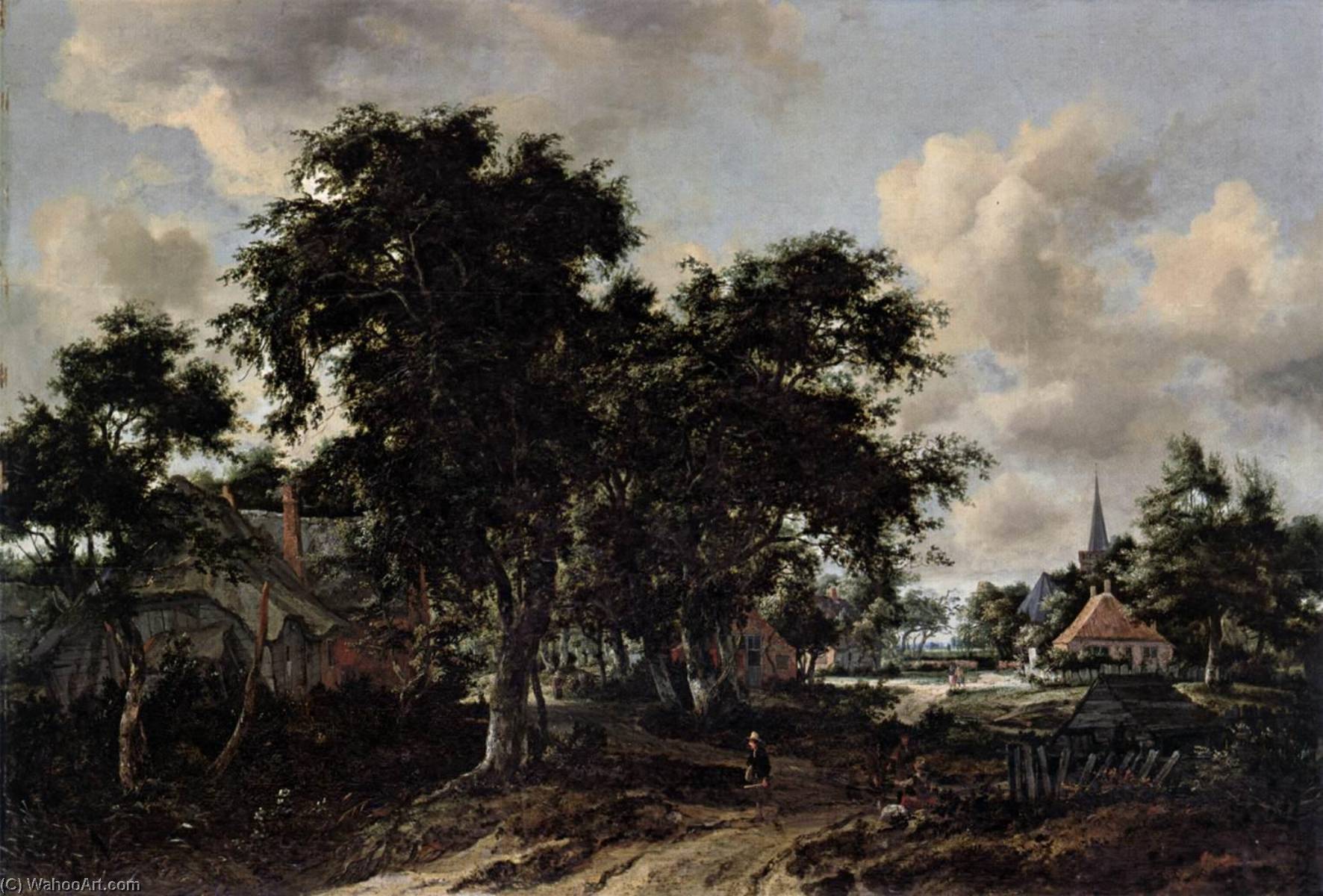
Entrance to a Village
 1665
1665 75.0 x 110.0 cm
 Weiterlesen
Handgefertigte Ölreproduktion
Handgemaltes Ölgemälde auf Leinwand in Ihrer Wunschgröße und mit Rahmen, auf Bestellung von unseren Künstlern angefertigt. ( Druck bestellen Bild kaufen)




































Wählen Sie aus unseren vordefinierten Formaten, die den ursprünglichen Proportionen des Kunstwerks entsprechen.

Sie können Ihre eigenen Maße eingeben, um einen bestimmten Rahmen oder Platz auszufüllen. Wenn die gewählte Größe nicht den Proportionen des Originalbildes entspricht, werden wir das Kunstwerk entweder beschneiden oder das Gemälde durch zusätzliche, handgemalte Elemente erweitern. Ein digitales Mockup wird Ihnen zur Genehmigung zugesandt, bevor die Produktion beginnt.
Bitte beachten Sie, dass die Bildschirmvorschau nicht die tatsächliche Beschneidung oder Erweiterung widerspiegelt. Nur das Mockup zeigt die endgültige Komposition exakt an.
Obwohl Sondermaße verfügbar sind, empfehlen wir, eine Größe aus der vordefinierten Liste zu wählen, um die ursprünglichen Proportionen beizubehalten.
Nach der Bestellung wird das ArtsDot.com-Team dem Kunden Anweisungen per E-Mail zusenden und eine Mockup-Vorschau bereitstellen.
Weltweiter Versand () in nur 3 bis 4 Wochen statt der üblichen 5 Wochen. (25 August). Keine Kompromisse bei der Qualität.

Kostenloser weltweiter Expressversand

Hochwertige Leinenleinwand

Umfassender Versicherungsschutz beim Versand

Zollgebühren-Rückerstattungsgarantie

Garantie für exakte Farbtreue

60 Tage Rückgaberecht (nur bei Mängeln)

100% Geld-zurück-Garantie

Mengenrabatt verfügbar
 Die Glasoption ist nur für Größen unter 110 cm verfügbar.

Entrance to a Village
Art der Reproduktion
Format der Reproduktion
-


Gesamtpreis
$ 263
Beschreibung des Kunstwerks
The Artist and His Style
Meyndert Hobbema was a Dutch painter who trained with Jacob van Ruisdael during the second half of the 1650s. His paintings were extremely popular in eighteenth-century England and with American collectors of the Gilded Age. Hobbema's style is characterized by his use of light and shadow, as well as his attention to detail in depicting everyday life.The Painting's Significance
The Entrance to a Village painting represents the artist's favorite theme of quiet village life. The painting captures the essence of village life with its lively atmosphere and attention to detail. The use of oil on wood as the medium adds to the richness and depth of the painting.- The painting features a large tree in front of the entrance to the village, which is a common motif in Hobbema's work.
- The painting also depicts several people walking around the area, adding to the sense of movement and energy.
- The attention to detail in the painting, including the buildings and trees, adds to the overall sense of realism.
The Metropolitan Museum of Art is one of the world's largest and most renowned museums, with a collection that includes over 2 million works of art. To learn more about the museum and its collection, visit https://ArtsDot.com and discover the beauty of handmade oil paintings reproductions.
Ähnliche Kunstwerke










Über den Künstler
Meindert Lubbertszoon Hobbema: The Painter of Tranquil Woodland
Meindert Lubbertszoon Hobbema stands as a cornerstone of Dutch Baroque landscape painting, recognized for his masterful depictions of serene woodland scenes and meticulously rendered rural vistas that embody the spirit of the Golden Age. Born in Amsterdam and baptized on 31 October 1638, Hobbema’s artistic journey was profoundly shaped by his early connection to the legendary Jacob van Ruisdael. Under the tutelage of this titan of Dutch landscape painting, Hobbema developed a collaborative bond that would define his stylistic evolution. Together, they embarked on sketching expeditions throughout the Netherlands, meticulously capturing atmospheric conditions and topographical features, establishing a tradition of plein air painting that prioritized a direct, intimate engagement with the natural world.
This formative experience instilled in Hobbema an unwavering commitment to realism and a profound appreciation for the subtle interplay of light and shadow. His early years were marked by a dedication to observing the nuances of the Dutch countryside, a practice that would eventually lead him to become one of the most celebrated landscape artists of his era. While much of his early life remains shrouded in the quietude of historical records, his artistic lineage is clear, rooted in the rigorous observation and meticulous detail championed by his mentor, Van Ruisdael.
A Legacy of Observation and Technique
Hobbema’s distinctive style is characterized by its remarkable clarity and precision, achieved through painstaking observation and meticulous brushwork. Unlike many of his contemporaries who favored idealized or mythological representations, Hobbema relentlessly pursued accuracy in portraying the natural landscape. His canvases often feature wooded paths, meadows bathed in soft sunlight, and watercourses reflecting the shifting sky. He famously employed a technique known as gezichtsblick, or “face view,” which involved positioning himself directly before his subject matter to capture its essence with unparalleled immediacy.
This approach resulted in works that felt vibrantly alive, imbued with an atmospheric depth that drew the viewer into the scene. His mastery of light and shadow—often utilizing chiaroscuro to create dimensionality—allowed him to transform simple rural vistas into profound meditations on nature. Whether depicting a sun-drenched forest clearing or a quiet watermill, Hobbema’s technical skill ensured that every leaf, branch, and ripple in the water contributed to a larger sense of harmony and balance.
Masterpieces and Artistic Evolution
As his career matured, Hobbema’s work began to exhibit a specialized focus that distinguished him from his master. While Van Ruisdael often explored more dramatic and turbulent landscapes, Hobbema became renowned for his "sunny forest scenes," characterized by roads opening through woods and glistening ponds nestled within fairly flat landscapes. This evolution toward a more tranquil and luminous aesthetic allowed him to capture a specific type of Dutch peace that resonated deeply with the era's sensibilities.
Several of his works remain enduring icons of the Dutch Golden Age:
- The Avenue at Middelharnis (1689): Perhaps his most famous achievement, this painting showcases a different side of his talent, presenting a structured and grand perspective that departs from his typical dense woodlands.
- Wooded Landscape (1662): A masterpiece of composition, where trees, birds, and clouds coalesce to create a sense of profound peacefulness.
- A Watermill beside a Woody Lane (1665): An exquisite example of his ability to integrate architectural elements into the lush, organic textures of the forest.
- A Watermill (1666): Housed in the Rijksmuseum, this work demonstrates his exceptional skill in using light and shadow to create a sense of depth and movement within a river setting.
Through these works, Hobbema achieved a historical significance that transcends mere representation. He did not merely paint the Netherlands; he captured the very soul of its landscape during a period of unprecedented prosperity and cultural flowering. His ability to find the extraordinary within the ordinary—the quiet beauty of a sunlit path or the stillness of a woodland glade—ensured his place in the pantheon of the great Dutch Masters, leaving behind a legacy of tranquility that continues to captivate art lovers centuries later.
meyndert hobbema
1638 - 1709
Kurzinfos
- Artistic Movement Or Style: Dutch Baroque
- Artists Or Movements Influenced By This Artist: ['Dutch Landscape Painting']
- Artists Who Influenced This Artist: ['Jacob van Ruisdael']
- Date Of Birth: October 31, 1638
- Date Of Death: December 7, 1709
- Full Name: Meindert Lubbertszoon Hobbema
- Nationality: Dutch
- Notable Artworks:
- The Avenue at Middelharnis
- A Watermill beside a Woody Lane
- Place Of Birth: Amsterdam, Netherlands

