 Vorschau anzeigen
 Versenden
 Teilen
 Details anzeigen

 Herunterladen
 Ähnliche Objekte
 Röntgenaufnahme
 Diashow
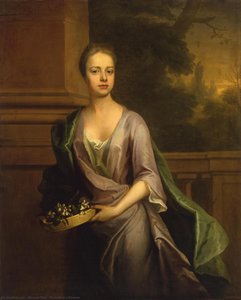
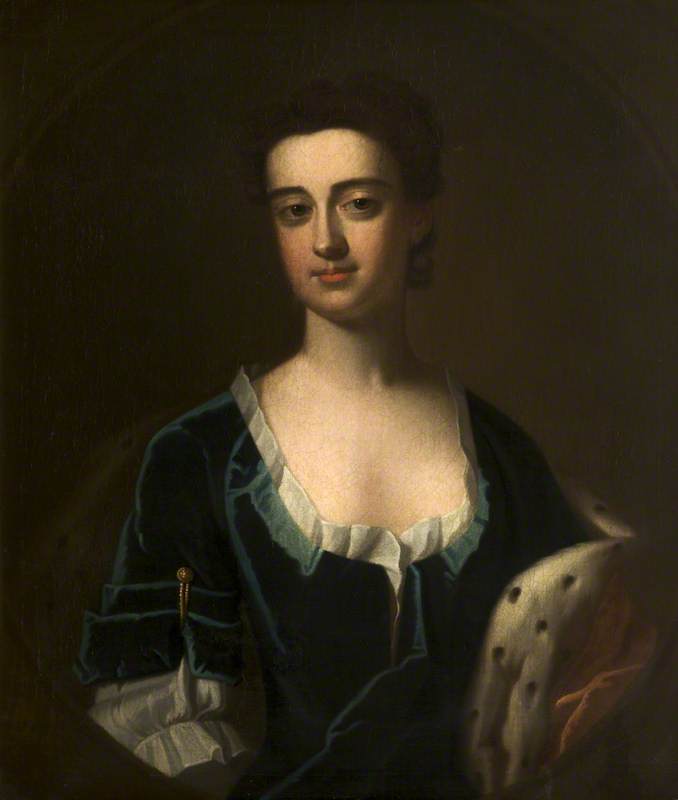
Lady Mary Booth (1704–1772), Countess of Stamford
 Acrylic On Canvas
- WallArt
- 18th-Century Portraiture
 1736
1736 74.0 x 61.0 cm
 National Trust
 Weiterlesen
Giclée / Kunstdruck
Giclée- oder Leinwanddruck in Museumsqualität mit schneller Produktion und flexiblen Veredelungsoptionen. ( Handgemalte Reproduktion bestellen Bild kaufen)




P118B $10

P118H $10

P118W $10

P438Z $10

P508JH $12

P508YH $12

P805H $10

P805Z $10

P919BZ $10

P919G $10

P919XJ $10

P959ZH $10

P968JZ $12

W106C $8

W218G $10

W218JH $8

W218Y $10

W307PJ $10

W316G $10

W316PJ $8

W316Y $10

W398PJ $8

W4111J $10

W500HY $15

W500JH $15

W692G $12

W849H $8

W940BG $15

W953PJ $8




Wählen Sie aus unseren vordefinierten Formaten, die den ursprünglichen Proportionen des Kunstwerks entsprechen.

Sie können Ihre eigenen Maße eingeben, um ein bestimmtes Format oder einen speziellen Platz einzupassen. Wenn das von Ihnen gewählte Format nicht den Proportionen des Originalbildes entspricht, werden wir das Kunstwerk entweder beschneiden oder das Bild mit einem gespiegelten oder einfarbigen Rand erweitern. Ein digitaler Entwurf wird Ihnen zur Genehmigung zugesandt, bevor die Produktion beginnt.
Bitte beachten Sie, dass die Vorschau auf dem Bildschirm nicht den tatsächlichen Zuschnitt oder die Erweiterung widerspiegelt. Nur der Entwurf zeigt die endgültige Komposition präzise an.
Obwohl Sondermaße verfügbar sind, empfehlen wir die Auswahl eines Maßes aus der vordefinierten Liste, um die ursprünglichen Proportionen zu bewahren.
Weltweiter Versand () innerhalb von 2 Wochen statt der üblichen 4/5 Wochen. (27 August)

Kostenloser weltweiter Expressversand

Hochwertige Leinenleinwand

Umfassender Versicherungsschutz beim Versand

Zollgebühren-Rückerstattungsgarantie

Garantie für exakte Farbtreue

60 Tage Rückgaberecht (nur bei Mängeln)

100% Geld-zurück-Garantie

Mengenrabatt verfügbar
 Die Glasoption ist nur für Größen unter 110 cm verfügbar.

Lady Mary Booth (1704–1772), Countess of Stamford
Giclée / Kunstdruck
Format der Reproduktion
-


Gesamtpreis
$ 62
Sammlerstück-Beschreibung
A Portrait of Aristocratic Grace: Michael Dahl’s Lady Mary Booth
Michael Dahl's "Lady Mary Booth (1704-1772), Countess of Stamford" is more than just a painted likeness; it’s a meticulously crafted window into the opulent world of 18th-century English aristocracy. Completed around 1736, this oil painting captures not merely the outward appearance of a noblewoman but also an aura of dignified composure and subtle vulnerability. The subject, Lady Mary Booth, a prominent figure in her own right as Countess of Stamford, is presented with a remarkable degree of realism – yet Dahl elevates it through his masterful use of light, shadow, and carefully rendered details.
The painting immediately draws the eye to Lady Mary’s striking blue gown, adorned with delicate white lace trim that cascades across her shoulders and sleeves. This rich color palette speaks to her status and wealth, while the lace adds a touch of refined elegance, a hallmark of the era's fashion sensibilities. Her crown, a symbol of her noble rank, sits proudly upon her head, subtly reinforcing her position within the social hierarchy. The scepter she holds is not merely an accessory; it’s a visual representation of power and authority – a tangible emblem of her influence.
The Artist: Michael Dahl - A Bridge Between Worlds
To fully appreciate this portrait, one must understand the artist behind it, Michael Dahl. Born in Stockholm around 1659, Dahl’s life was a testament to ambition and artistic dedication. Initially trained by Martin Hannibal and later mentored by David Klöcker Ehrenstrahl, he eventually established himself as a leading portraitist in England, attracting commissions from royalty, nobility, and wealthy merchants. Dahl's journey is particularly fascinating; he moved across Europe, absorbing influences from the Dutch Golden Age and Italian Baroque painting while maintaining his own distinct style – characterized by its luminous quality and ability to capture both physical likeness and psychological depth.
His relocation to England marked a pivotal moment in his career. He quickly gained recognition for his skill in portraying aristocratic subjects, becoming a favorite of prominent patrons like Godfrey Kneller, whose studio he frequented. Dahl’s success was built not only on technical proficiency but also on his ability to capture the essence of his sitters – their personalities and social standing – within the confines of a single portrait.
Symbolism and Context: A Window into Georgian Society
The painting is deeply embedded in the context of 18th-century English society. The pose itself, with Lady Mary seated regally and holding her scepter, reflects the conventions of aristocratic portraiture at the time. The careful attention to detail – from the texture of her gown to the expression on her face – speaks to the importance placed on appearances and social decorum. Furthermore, the painting offers a glimpse into the lives of women in this era, who often held considerable influence behind the scenes despite limited formal power.
The choice of subject matter—a prominent Countess—underscores the significance of lineage and family connections within Georgian society. Lady Mary’s position as a member of the Booth family, with its long history of involvement in politics and land ownership, adds another layer of meaning to the portrait. The painting serves not only as a commemoration of her life but also as a testament to the enduring power of social status and aristocratic heritage.
A Legacy of Elegance: Reproduction and Appreciation
Today, "Lady Mary Booth (1704-1772), Countess of Stamford" resides at the National Trust in Altrincham, a testament to its enduring artistic merit. Reproductions of this captivating portrait offer an accessible way for art enthusiasts to experience Dahl’s masterful technique and appreciate the nuances of Georgian society. When selecting a reproduction, consider the quality of materials used – archival paper and pigment inks are essential for preserving the painting's vibrant colors and intricate details. This artwork remains a powerful reminder of the elegance, sophistication, and social complexities of 18th-century England.
Ähnliche Kunstwerke
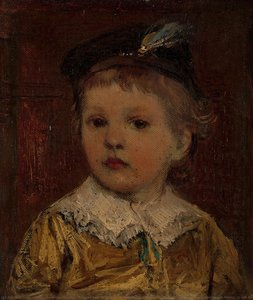
Über den Künstler
Michael Dahl: Leben und Vermächtnis
Michael Dahl (1659-1743) war ein bedeutender schwedischer Porträtmaler, der während seiner langen Karriere, die er hauptsächlich in England verbrachte, große Anerkennung erlangte. Er wurde zu einem der international bekanntesten schwedischen Maler seiner Zeit und wurde für seine aristokratischen Porträts und seine Beherrschung des Barockstils gefeiert.
Frühes Leben und Ausbildung
Geboren um 1659 in Stockholm, Schweden (die Quellen variieren zwischen 1658 und 1659), begann Michaels künstlerischer Werdegang mit starker familiärer Unterstützung. Seine Mutter, Catarina Dahl, soll beträchtliche Opfer gebracht haben, um sicherzustellen, dass er eine gute Ausbildung erhielt, da sie sein Talent erkannte. Er studierte zunächst ab 1674 unter Martin Hannibal, der von David Klöcker Ehrenstrahl nach Schweden geholt worden war, um eine Porträtakademie zu gründen.
- Hannibal vermittelte ihm die Grundlagen, bevor Dahl direkt bei Ehrenstrahl studierte, was sein Versprechen als Schüler unterstrich.
- Diese frühe Ausbildung legte den Grundstein für seine zukünftige Spezialisierung auf Porträts.
Reise nach England und künstlerische Entwicklung
Im Jahr 1682 unternahm Dahl eine ausgedehnte Bildungsreise durch Europa mit einem Pass, der Reisen erlaubte. Er kam zunächst in London an, wo er unter der Anleitung von Robert White, einem geschickten Graveur und Maler, stand. Diese Verbindung erwies sich als wertvoll, da Dahl White bei Gravurprojekten assistierte, darunter ein Porträt von König Karl XI. von Schweden.
- Ein entscheidender Einfluss war Godfrey Kneller, der Dahl die praktischen Aspekte des Kunstmarktes und die Anpassung an die öffentliche Nachfrage lehrte – im Gegensatz zu Ehrenstrahls eher höfischerem Ansatz.
- Dahl studierte auch zusammen mit Henry Tilson, mit dem er Reisen nach Paris, Venedig und Rom plante.
Rom und religiöse Konversion
Nach seiner Zeit in Paris kam Dahl nach Rom, wo die im Exil lebende Königin Christina von Schweden eine entscheidende Rolle in seiner Karriere spielte. Um Zugang zu einflussreichen Kreisen und päpstlicher Patronage zu erhalten, konvertierte Dahl auf Drängen Königin Christinas zum römischen Katholizismus. Diese Konversion öffnete ihm Türen zu Möglichkeiten, darunter das Malen von Porträts der Königin selbst und die Präsentation seiner Werke vor Papst Innozenz XI., der ihn mit einer Goldmedaille auszeichnete.
Reife Karriere und bemerkenswerte Werke
Dahl kehrte nach England zurück und etablierte sich als hoch gefragter Porträtist. Er wurde für seinen eleganten und raffinierten Stil bekannt, der den Status und die Persönlichkeit seiner aristokratischen Modelle einfing. Seine Porträts zeichnen sich durch reiche Farben, detaillierte Texturen und ein Gefühl von Grandiosität aus.
- Er malte zahlreiche prominente Persönlichkeiten, darunter Königin Anne, Prinz Georg von Dänemark und Mitglieder des englischen Adels.
- Bemerkenswerte Werke sind Porträts von Sir William Carew, John Churchill (1. Herzog von Marlborough) und Sir Robert Walpole.
- Sein Dreifachporträt des 2. Earl of Burlington, dem 1. Duke of Kingston upon Hull und dem 3. Baron Berkeley of Stratton ist ein besonders beeindruckendes Beispiel für seine Fähigkeiten in der Gruppenporträtmalerei.
Einflüsse und Vermächtnis
Dahls künstlerischer Stil wurde von einer Mischung aus schwedischen, italienischen und englischen Einflüssen geprägt. Er erwarb die technischen Fähigkeiten von Hannibal und Ehrenstrahl, lernte vom Kunstmarktgeschäft bei Kneller und profitierte vom Patronatssystem in Rom. Seine Arbeit spiegelt die Ästhetik des Barock wider, die zu seiner Zeit vorherrschte, aber mit einer einzigartig verfeinerten Sensibilität.
- Er beeinflusste nachfolgende Generationen von Porträtmalern mit seinem eleganten Stil und seiner technischen Kompetenz.
- Dahls Porträts geben wertvolle Einblicke in das Leben und Aussehen des englischen Adels im frühen 18. Jahrhundert.
Historische Bedeutung
Michael Dahls Erfolg als schwedischer Künstler, der hauptsächlich in England arbeitete, unterstreicht die internationale Natur des künstlerischen Austauschs während der Barockzeit. Er navigierte erfolgreich in verschiedenen kulturellen Kontexten und etablierte sich als führender Porträtist und hinterließ ein Vermächtnis exquisiter Gemälde, das bis heute bewundert wird.

Michael Dahl
1658 - 1743 , Schweden
Kurzinfos
- Beeinflusste Künstler:
- Martin Hannibal
- David Ehrenstrahl
- Godfrey Kneller
- Bemerkenswerte Werke:
- Porträts von Königin Anne
- Porträt König Christina
- Gruppe: Burlington & Berkeley
- Geburtsdatum: 1659
- Geburtsort: Stockholm, Schweden
- Künstlerische Richtung: Barock
- Nationalität: Schwedisch
- Todatum: 1743
- Vollständiger Name: Michael Dahl
Ähnliche Artikel
Jacob Henricus Maris: Meister des niederländischen Stimmungsrealismus und der intimen Landschaft
Entdecken Sie das Werk von Jacob Henricus Maris, einem Meister des niederländischen Stimmungsrealismus! Erfahren Sie mehr über seine Landschaftsmalerei, Einflüsse und berühmte Gemälde. Jetzt lesen & inspirieren lassen!

Mary Vaux Walcott: Botanische Präzision und künstlerische Vision im amerikanischen Naturschutz
Entdecken Sie das faszinierende Leben und Werk von Mary Vaux Walcott – einer Pionierin der botanischen Illustration und des amerikanischen Naturschutzes. Erfahren Sie mehr über ihre präzisen Gemälde, wissenschaftlichen Beiträge und ihr Vermächtnis.

Mary Agnes Yerkes: Eine Studie im amerikanischen Impressionismus und atmosphärischen Lichtes
Entdecken Sie Mary Agnes Yerkes, eine faszinierende amerikanische Impressionistin! Erfahren Sie mehr über ihren künstlerischen Werdegang, die Bedeutung von Licht in ihren Gemälden und ihre Position im Kontext der amerikanischen Landschaftsmalerei des 19. Jahrhunderts.
William Michael Harnett: Still Life, Realism & the American Pursuit of Materiality
Explore the captivating still lifes of William Michael Harnett, a master of American realism and trompe l'oeil painting. Discover his technique, legacy & the cultural context behind his iconic works.
David Michael Hinnebusch: Exploring Narrative Depth & Emotional Resonance in Contemporary Figurative Art
Explore the compelling world of David Michael Hinnebusch's contemporary figurative art. Discover his neo-expressionist paintings, influenced by LA life & philosophical thought – a valuable addition for discerning collectors.