 Vorschau anzeigen
 Versenden
 Teilen
 Details anzeigen

 Herunterladen
 Ähnliche Objekte
 Röntgenaufnahme
 Diashow
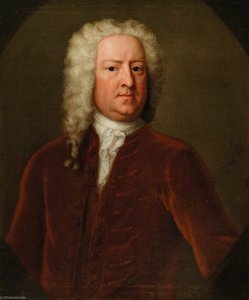
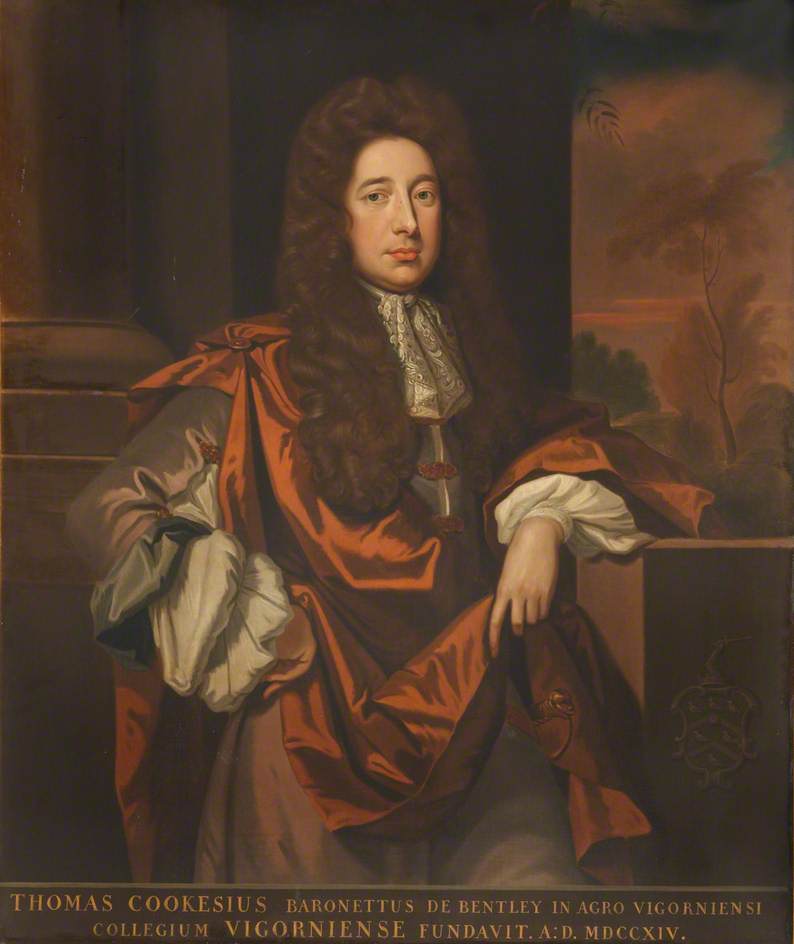
Sir Thomas Cookes (1648–1701), 2nd Bt
 Acrylic On Canvas
- WallArt
- Baroque Portraiture
 1740
1740- Early Modern
 125.0 x 101.0 cm
 Bodleianer Bibliotheken
 Weiterlesen
Handgefertigte Ölreproduktion
Handgemaltes Ölgemälde auf Leinwand in Ihrer Wunschgröße und mit Rahmen, auf Bestellung von unseren Künstlern angefertigt. ( Druck bestellen Bild kaufen)




P118B $10

P118H $10

P118W $10

P438Z $10

P508JH $12

P508YH $12

P805H $10

P805Z $10

P919BZ $10

P919G $10

P919XJ $10

P959ZH $10

P968JZ $12

W106C $8

W218G $10

W218JH $8

W218Y $10

W307PJ $10

W316G $10

W316PJ $8

W316Y $10

W398PJ $8

W4111J $10

W500HY $15

W500JH $15

W692G $12

W849H $8

W940BG $15

W953PJ $8




Wählen Sie aus unseren vordefinierten Formaten, die den ursprünglichen Proportionen des Kunstwerks entsprechen.

Sie können Ihre eigenen Maße eingeben, um einen bestimmten Rahmen oder Platz auszufüllen. Wenn die gewählte Größe nicht den Proportionen des Originalbildes entspricht, werden wir das Kunstwerk entweder beschneiden oder das Gemälde durch zusätzliche, handgemalte Elemente erweitern. Ein digitales Mockup wird Ihnen zur Genehmigung zugesandt, bevor die Produktion beginnt.
Bitte beachten Sie, dass die Bildschirmvorschau nicht die tatsächliche Beschneidung oder Erweiterung widerspiegelt. Nur das Mockup zeigt die endgültige Komposition exakt an.
Obwohl Sondermaße verfügbar sind, empfehlen wir, eine Größe aus der vordefinierten Liste zu wählen, um die ursprünglichen Proportionen beizubehalten.
Nach der Bestellung wird das ArtsDot.com-Team dem Kunden Anweisungen per E-Mail zusenden und eine Mockup-Vorschau bereitstellen.
Weltweiter Versand () in nur 3 bis 4 Wochen statt der üblichen 5 Wochen. (20 August). Keine Kompromisse bei der Qualität.

Kostenloser weltweiter Expressversand

Hochwertige Leinenleinwand

Umfassender Versicherungsschutz beim Versand

Zollgebühren-Rückerstattungsgarantie

Garantie für exakte Farbtreue

60 Tage Rückgaberecht (nur bei Mängeln)

100% Geld-zurück-Garantie

Mengenrabatt verfügbar
 Die Glasoption ist nur für Größen unter 110 cm verfügbar.

Sir Thomas Cookes (1648–1701), 2nd Bt
Art der Reproduktion
Format der Reproduktion
-


Gesamtpreis
$ 263
Beschreibung des Kunstwerks
Sir Thomas Cookes (1648–1701), 2nd Bt: A Portrait of Aristocratic Grace in the Shadow of Baroque
Michael Dahl’s “Sir Thomas Cookes (1648–1701), 2nd Bt,” painted in 1740, is more than a simple likeness; it's a meticulously crafted tableau of 18th-century English aristocracy. This captivating portrait, measuring 125 x 101 cm, offers a glimpse into the world of a prominent landowner and philanthropist, rendered with Dahl’s signature blend of Baroque elegance and subtle psychological insight. The painting depicts Cookes standing before a doorway – a deliberate compositional choice that subtly anchors him within his social sphere while simultaneously inviting the viewer into his presence.
The subject himself is presented in a manner typical of Dahl's aristocratic clientele: impeccably dressed in a rich red coat adorned with elegant white lace, indicative of wealth and status. His long hair, swept back from his face, contributes to an air of dignified composure. The careful attention to detail – the texture of the fabric, the sheen of the lace, the subtle modeling of the face – speaks volumes about Dahl’s technical mastery. Note also the two figures flanking Cookes; their presence adds a layer of narrative complexity, hinting at familial connections or perhaps the social dynamics within his household. While their identities remain somewhat enigmatic, they serve to enrich the overall composition and provide context for Cookes' position.
The Artist: Michael Dahl – A Swedish Transplant to English Elegance
To fully appreciate “Sir Thomas Cookes,” one must understand the remarkable journey of its creator, Michael Dahl. Born in Stockholm around 1659, Dahl’s artistic trajectory was anything but conventional. Initially trained by Martin Hannibal and later David Klöcker Ehrenstrahl in Sweden, he soon recognized the limitations of the Swedish art scene and embarked on a deliberate quest for further refinement in Italy. This period profoundly influenced his style, introducing him to the principles of Baroque portraiture – particularly its emphasis on dramatic lighting, dynamic compositions, and the portrayal of psychological depth.
However, Dahl’s ambition extended beyond mere stylistic imitation. He skillfully navigated the complex political landscape of Europe, eventually establishing himself as a leading portraitist in England. This transition wasn't merely geographical; it represented a profound cultural shift. Dahl adapted his style to suit English tastes while retaining his distinctive artistic voice. His move was facilitated by connections within London’s art circles, notably through Robert White and Godfrey Kneller, both influential figures who provided him with invaluable experience and access to the burgeoning market for portraiture. The painting's date of 1740 reflects this successful integration into the English art world.
Baroque Techniques & Psychological Nuance
Dahl’s technique in “Sir Thomas Cookes” is a testament to his Baroque training. He employs *chiaroscuro* – the dramatic contrast between light and shadow – with masterful precision, sculpting Cookes' form and creating a sense of three-dimensionality. The light source, seemingly originating from an unseen window above, illuminates Cookes’ face, highlighting his features and conveying a subtle expression of quiet confidence. This isn’t a straightforward depiction of a man; Dahl subtly captures a mood, a personality – a hint of thoughtfulness behind the aristocratic facade.
Furthermore, observe how Dahl utilizes color to enhance the painting's impact. The rich reds and whites of Cookes’ attire stand out against the darker background, drawing the viewer’s eye to the subject. The subtle variations in tone and hue create a sense of depth and realism, while also contributing to the overall atmosphere of elegance and sophistication. Dahl’s ability to capture not just physical likeness but also psychological nuance is what elevates this portrait beyond mere representation.
Symbolism & Context: A Portrait of Power and Propriety
The setting itself – a doorway – carries symbolic weight. It suggests Cookes' position as a gatekeeper, both literally and figuratively, within his social world. The inclusion of the other figures further reinforces this idea, hinting at the complex web of relationships that defined aristocratic life. Sir Thomas Cookes was a man of considerable influence, known for his philanthropic endeavors and his role in shaping local governance. His portrait, therefore, serves as both a celebration of his status and a reflection of the values – power, propriety, and social responsibility – that were highly prized within 18th-century English society.
ArtsDot’s hand-painted reproductions strive to capture not only the visual details of this remarkable portrait but also the spirit and atmosphere of its time. Each reproduction is created with meticulous attention to detail, ensuring an authentic representation of Dahl's artistry for discerning collectors and art enthusiasts alike.
Ähnliche Kunstwerke
Über den Künstler
Michael Dahl: Leben und Vermächtnis
Michael Dahl (1659-1743) war ein bedeutender schwedischer Porträtmaler, der während seiner langen Karriere, die er hauptsächlich in England verbrachte, große Anerkennung erlangte. Er wurde zu einem der international bekanntesten schwedischen Maler seiner Zeit und wurde für seine aristokratischen Porträts und seine Beherrschung des Barockstils gefeiert.
Frühes Leben und Ausbildung
Geboren um 1659 in Stockholm, Schweden (die Quellen variieren zwischen 1658 und 1659), begann Michaels künstlerischer Werdegang mit starker familiärer Unterstützung. Seine Mutter, Catarina Dahl, soll beträchtliche Opfer gebracht haben, um sicherzustellen, dass er eine gute Ausbildung erhielt, da sie sein Talent erkannte. Er studierte zunächst ab 1674 unter Martin Hannibal, der von David Klöcker Ehrenstrahl nach Schweden geholt worden war, um eine Porträtakademie zu gründen.
- Hannibal vermittelte ihm die Grundlagen, bevor Dahl direkt bei Ehrenstrahl studierte, was sein Versprechen als Schüler unterstrich.
- Diese frühe Ausbildung legte den Grundstein für seine zukünftige Spezialisierung auf Porträts.
Reise nach England und künstlerische Entwicklung
Im Jahr 1682 unternahm Dahl eine ausgedehnte Bildungsreise durch Europa mit einem Pass, der Reisen erlaubte. Er kam zunächst in London an, wo er unter der Anleitung von Robert White, einem geschickten Graveur und Maler, stand. Diese Verbindung erwies sich als wertvoll, da Dahl White bei Gravurprojekten assistierte, darunter ein Porträt von König Karl XI. von Schweden.
- Ein entscheidender Einfluss war Godfrey Kneller, der Dahl die praktischen Aspekte des Kunstmarktes und die Anpassung an die öffentliche Nachfrage lehrte – im Gegensatz zu Ehrenstrahls eher höfischerem Ansatz.
- Dahl studierte auch zusammen mit Henry Tilson, mit dem er Reisen nach Paris, Venedig und Rom plante.
Rom und religiöse Konversion
Nach seiner Zeit in Paris kam Dahl nach Rom, wo die im Exil lebende Königin Christina von Schweden eine entscheidende Rolle in seiner Karriere spielte. Um Zugang zu einflussreichen Kreisen und päpstlicher Patronage zu erhalten, konvertierte Dahl auf Drängen Königin Christinas zum römischen Katholizismus. Diese Konversion öffnete ihm Türen zu Möglichkeiten, darunter das Malen von Porträts der Königin selbst und die Präsentation seiner Werke vor Papst Innozenz XI., der ihn mit einer Goldmedaille auszeichnete.
Reife Karriere und bemerkenswerte Werke
Dahl kehrte nach England zurück und etablierte sich als hoch gefragter Porträtist. Er wurde für seinen eleganten und raffinierten Stil bekannt, der den Status und die Persönlichkeit seiner aristokratischen Modelle einfing. Seine Porträts zeichnen sich durch reiche Farben, detaillierte Texturen und ein Gefühl von Grandiosität aus.
- Er malte zahlreiche prominente Persönlichkeiten, darunter Königin Anne, Prinz Georg von Dänemark und Mitglieder des englischen Adels.
- Bemerkenswerte Werke sind Porträts von Sir William Carew, John Churchill (1. Herzog von Marlborough) und Sir Robert Walpole.
- Sein Dreifachporträt des 2. Earl of Burlington, dem 1. Duke of Kingston upon Hull und dem 3. Baron Berkeley of Stratton ist ein besonders beeindruckendes Beispiel für seine Fähigkeiten in der Gruppenporträtmalerei.
Einflüsse und Vermächtnis
Dahls künstlerischer Stil wurde von einer Mischung aus schwedischen, italienischen und englischen Einflüssen geprägt. Er erwarb die technischen Fähigkeiten von Hannibal und Ehrenstrahl, lernte vom Kunstmarktgeschäft bei Kneller und profitierte vom Patronatssystem in Rom. Seine Arbeit spiegelt die Ästhetik des Barock wider, die zu seiner Zeit vorherrschte, aber mit einer einzigartig verfeinerten Sensibilität.
- Er beeinflusste nachfolgende Generationen von Porträtmalern mit seinem eleganten Stil und seiner technischen Kompetenz.
- Dahls Porträts geben wertvolle Einblicke in das Leben und Aussehen des englischen Adels im frühen 18. Jahrhundert.
Historische Bedeutung
Michael Dahls Erfolg als schwedischer Künstler, der hauptsächlich in England arbeitete, unterstreicht die internationale Natur des künstlerischen Austauschs während der Barockzeit. Er navigierte erfolgreich in verschiedenen kulturellen Kontexten und etablierte sich als führender Porträtist und hinterließ ein Vermächtnis exquisiter Gemälde, das bis heute bewundert wird.
Michael Dahl
1658 - 1743 , Schweden
Kurzinfos
- Beeinflusste Künstler:
- Martin Hannibal
- David Ehrenstrahl
- Godfrey Kneller
- Bemerkenswerte Werke:
- Porträts von Königin Anne
- Porträt König Christina
- Gruppe: Burlington & Berkeley
- Geburtsdatum: 1659
- Geburtsort: Stockholm, Schweden
- Künstlerische Richtung: Barock
- Nationalität: Schwedisch
- Todatum: 1743
- Vollständiger Name: Michael Dahl
Ähnliche Artikel
Sir Joshua Reynolds: Die 25 Meisterwerke des Porträtmalers | ArtsDot
Entdecken Sie die 25 Meisterwerke von Sir Joshua Reynolds! Erleben Sie Rokoko & Klassizismus durch ikonische Porträts. Hochwertige Reproduktionen für Ihr Interieur auf ArtsDot.com – jetzt entdecken!

Sir Alfred James Munnings: Die 25 Meisterwerke des Pferdebildes | ArtsDot
Entdecken Sie die 25 Meisterwerke von Sir Alfred James Munnings! Erleben Sie seine beeindruckenden Pferdebilder, geprägt vom Impressionismus und Realismus. Hochwertige Kunstdrucke & Reproduktionen auf ArtsDot.com – für elegante Wandkunst & stilvolles Interieurdesign.

Barocke Pracht: Wie Sie Opulenz und Emotionen in zeitgenössische Innenräume bringen
Entdecken Sie die Pracht des Barock! Expertenratgeber für luxuriöse Innenräume mit barocken Elementen. Inspiration, Tipps & hochwertige Kunst bei .

Barock Meisterwerke: Die 10 prägendsten Kunstwerke für Ihr Zuhause |
Entdecken Sie die 10 prägendsten Meisterwerke des Barock! Caravaggio, Rembrandt & Co. – Erfahren Sie die Geschichten hinter ikonischen Gemälde und finden Sie hochwertige Kunst Reproduktionen für Ihr Zuhause auf .

The Dramatic Flourish: Exploring the Baroque Movement's Enduring Legacy in Art History
Explore the dramatic world of Baroque art! Discover iconic artists like Caravaggio & Rubens, defining techniques, and its lasting impact on art history. Expert insights for collectors & enthusiasts at ArtsDot.