 Versenden
 Teilen
 Details anzeigen

 Herunterladen
 Ähnliche Objekte
 Diashow
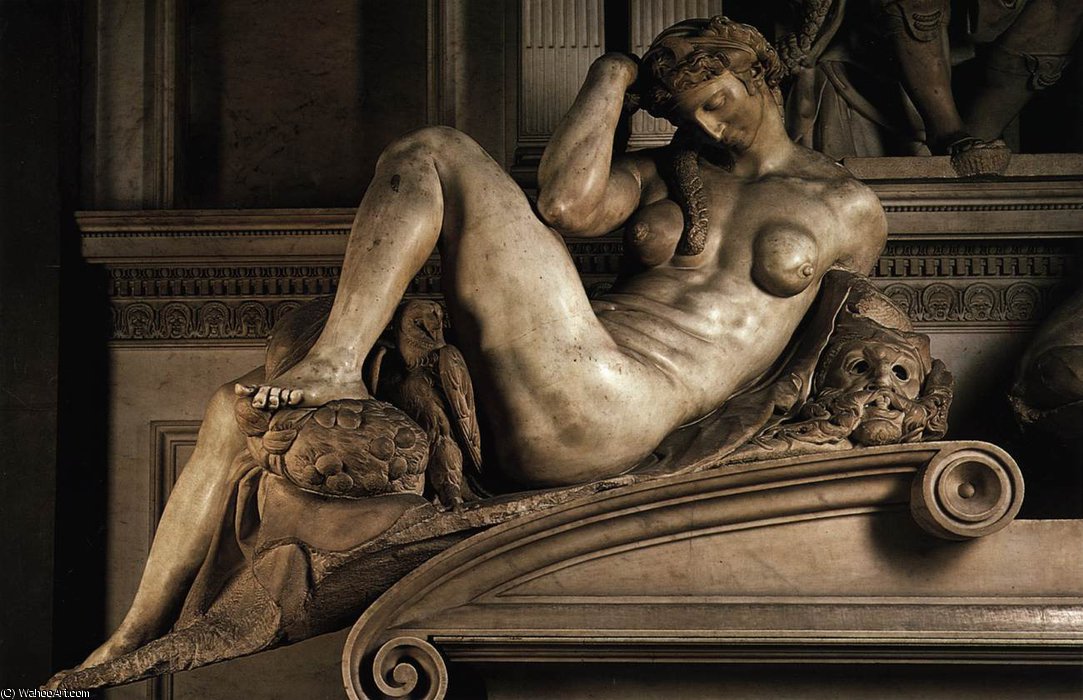
Medicis - night

 Weiterlesen
Giclée / Kunstdruck
Giclée- oder Leinwanddruck in Museumsqualität mit schneller Produktion und flexiblen Veredelungsoptionen. ( Handgemalte Reproduktion bestellen Bild kaufen)




































Wählen Sie aus unseren vordefinierten Formaten, die den ursprünglichen Proportionen des Kunstwerks entsprechen.

Sie können Ihre eigenen Maße eingeben, um ein bestimmtes Format oder einen speziellen Platz einzupassen. Wenn das von Ihnen gewählte Format nicht den Proportionen des Originalbildes entspricht, werden wir das Kunstwerk entweder beschneiden oder das Bild mit einem gespiegelten oder einfarbigen Rand erweitern. Ein digitaler Entwurf wird Ihnen zur Genehmigung zugesandt, bevor die Produktion beginnt.
Bitte beachten Sie, dass die Vorschau auf dem Bildschirm nicht den tatsächlichen Zuschnitt oder die Erweiterung widerspiegelt. Nur der Entwurf zeigt die endgültige Komposition präzise an.
Obwohl Sondermaße verfügbar sind, empfehlen wir die Auswahl eines Maßes aus der vordefinierten Liste, um die ursprünglichen Proportionen zu bewahren.
Weltweiter Versand () innerhalb von 2 Wochen statt der üblichen 4/5 Wochen. (28 August)

Kostenloser weltweiter Expressversand

Hochwertige Leinenleinwand

Umfassender Versicherungsschutz beim Versand

Zollgebühren-Rückerstattungsgarantie

Garantie für exakte Farbtreue

60 Tage Rückgaberecht (nur bei Mängeln)

100% Geld-zurück-Garantie

Mengenrabatt verfügbar
 Die Glasoption ist nur für Größen unter 110 cm verfügbar.

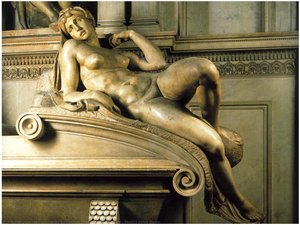
Medicis - night
Giclée / Kunstdruck
Format der Reproduktion
-


Gesamtpreis
$ 62
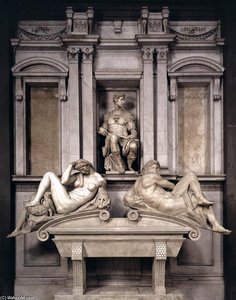
The Silent Witness: Unveiling Michelangelo’s “Night”
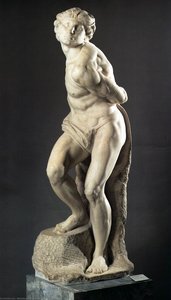
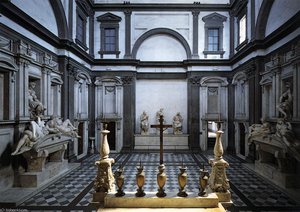
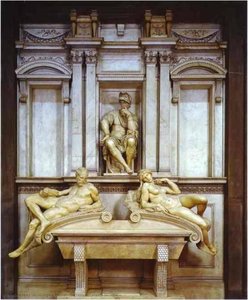
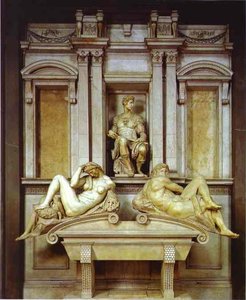
Within the hushed sanctuary of Florence’s New Sacristy, nestled amongst the opulent tombs of the Medici family, resides a sculpture that transcends mere stone—it is an embodiment of mystery and contemplation. Michelangelo Buonarroti's "Night," a study for Giuliano de’ Medici’s tomb, isn’t merely a depiction of darkness; it’s a profound meditation on rest, vulnerability, and the enduring power of the unseen. Crafted between 1524 and 1534, this exquisite marble figure captures a moment suspended in time—a young woman, seemingly lost in slumber, yet radiating an undeniable strength.
The sculpture’s genesis lies within the Medici Chapel, a testament to Lorenzo the Magnificent's ambition to create a space of unparalleled beauty and spiritual significance. Michelangelo, already a titan of his age, was commissioned to design the entire ensemble, including the tombs of Giuliano and Lorenzo himself. “Night” emerged as one of several preparatory studies—a crucial stage in the artist’s process, revealing his meticulous approach and deep understanding of human anatomy and emotion. Unlike the more overtly dramatic figures that populate the chapel, "Night" offers a quiet intimacy, inviting viewers to pause and reflect on the stillness of the night.
A Study in Form and Technique
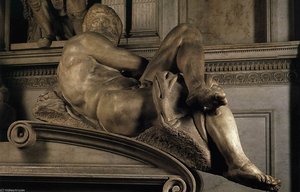
Michelangelo’s mastery is immediately apparent in the sculpture's flawless execution. The smooth, polished Carrara marble seems to shimmer with an inner light, capturing the subtle nuances of shadow and form. Note the deliberate contrapposto—the weight shifted onto one leg—that lends the figure a sense of groundedness despite its reclining posture. The artist’s attention to detail is breathtaking; observe the delicate curve of her spine, the relaxed drape of her garments, and the subtly furrowed brow that hints at a dreamlike state. The sculpture's surface is remarkably free from harsh lines or abrupt transitions, reflecting Michelangelo’s commitment to achieving an illusion of naturalism—a feat rarely accomplished in marble sculpture of this period.
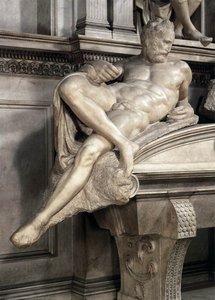
Interestingly, “Night” was conceived as part of a larger pair – the “Day,” also sculpted by Michelangelo. The two figures were intended to face each other, representing the cyclical nature of time and existence. While the "Day" figure remains unexecuted, the study provides invaluable insight into Michelangelo’s artistic intentions and his exploration of contrasting moods and emotions. The deliberate positioning of the hands—one resting on her head, the other supporting her face—creates a sense of vulnerability and repose, inviting viewers to contemplate the mysteries of sleep and dreams.
Symbolism and Emotional Resonance
Beyond its technical brilliance, “Night” is rich in symbolic meaning. The figure’s pose evokes classical imagery of reclining goddesses – Leda and Ariadne, for example—suggesting a connection to ancient mythology and the timeless themes of beauty, fertility, and mortality. The darkness enveloping her form isn't simply an absence of light; it represents the realm of the unconscious, where dreams and memories reside. The sculpture’s stillness speaks to a profound sense of peace and acceptance, offering a moment of respite from the anxieties of the world.
Furthermore, the choice of a young woman as the embodiment of “Night” is particularly evocative. It suggests that darkness isn't merely a negative force—it’s also a source of renewal and regeneration. The sculpture invites us to embrace the quiet moments of introspection and to find beauty in the stillness of the night.
A Legacy of Beauty: Reproductions and Inspiration
Michelangelo’s “Night” stands as a testament to his unparalleled genius—a work that continues to captivate and inspire centuries after its creation. Today, high-quality reproductions offer an accessible way to experience the sculpture's profound beauty and symbolic depth within your own home or studio. Whether adorning a contemplative corner or serving as a focal point in a grand salon, a meticulously crafted reproduction of “Night” can evoke the same sense of serenity and wonder that Michelangelo intended.
Ähnliche Kunstwerke

Über den Künstler
Michelangelo Buonarroti: Ein Renaissance-Titan
Frühes Leben und Ausbildung (1475–1496)
- Michelangelo di Lodovico Buonarroti Simoni wurde am 6. März 1475 in Caprese Michelangelo, Toskana, geboren.
- Anfangs lehnte sein Vater eine künstlerische Karriere ab, räumte aber seinem Sohn aufgrund seines außergewöhnlichen Talents im Zeichnen nach.
- Mit dreizehn Jahren machte er eine Lehre bei Domenico Ghirlandaio und lernte Freskomalerei und Zeichentechniken.
- Bald zog er sich der Bildhauerei zu, studierte klassische Werke in den Medici-Gärten – ein prägendes Einfluss.
Frühe Periode: Etablierung der Meisterschaft (1490–1505)
- Um 1496 erhielt er seine erste größere Auftragsarbeit: die Skulptur der Pietà, die 1499 fertiggestellt wurde.
- Die Pietà, die im Petersdom ausgestellt ist, zeigte seine Meisterschaft in der Marmorbearbeitung und seine emotionale Tiefe.
- Seine nächste bedeutende Arbeit war der kolossale Statue von David (1501–1504), der florentinischen Republikanismus symbolisierte.
- Der David, über 17 Fuß hoch, demonstrierte sein anatomisches Verständnis und seine Fähigkeit, Stein zum Leben zu erwecken.
Die Hochrenaissance: Fresken der Sixtinischen Kapelle (1505–1520)
- Papst Julius II beauftragte Michelangelo 1508 mit dem Malen der Decke der Sixtinischen Kapelle.
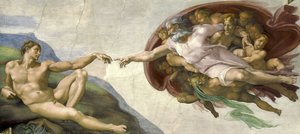
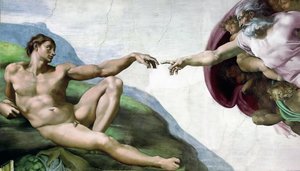
- Über vier Jahre malte er über 300 Figuren, die Szenen aus der Genesis darstellen, darunter Die Schöpfung Adams.
- Diese monumentale Freskenzyklus ist ein Meilenstein in der westlichen Kunst und demonstriert seine kompositorische Begabung und seine Erzählkraft.
- Er begann auch mit der Arbeit an Papst Julius II.s Grab – einem Projekt, das Jahrzehnte dauern sollte, aber ursprünglich nicht wie geplant fertiggestellt wurde.
Spätere Jahre: Architektur und das „Jüngste Gericht“ (1520–1564)
- Im Jahr 1520 wurde Michelangelo Architekt des Petersdoms in Rom und veränderte Bramantes Design erheblich.
- Zwischen 1536 und 1541 malte er Das Jüngste Gericht an der Wandaltar der Sixtinischen Kapelle.
- Diese riesige Fresko zeigte die Wiederkunft Christi mit dramatischer Komposition und emotionaler Intensität, die eine Verschiebung hin zum Manierismus widerspiegelte.
Einflüsse und künstlerische Entwicklung
- Klassische Antike: Die Beschäftigung mit griechischen und römischen Skulpturen hatte tiefgreifenden Einfluss auf sein Verständnis von Anatomie und Proportionen.
- Renaissance-Humanismus: Der Schwerpunkt auf menschliches Potenzial ist in seiner Feier der menschlichen Form deutlich erkennbar.
- Florentinische Tradition: Er baute auf dem Werk von Künstlern wie Donatello und Masaccio auf.
- Sein Stil entwickelte sich von klassischer Idealität zu einer dynamischeren und ausdrucksstärkeren Manierismus.
Historische Bedeutung und Vermächtnis
- Michelangelo gilt als einer der größten Künstler aller Zeiten, der den „Renaissance-Mann“ verkörpert.
- Seine Skulpturen, Gemälde und Architektur haben Generationen inspiriert und werden die Zuschauer weltweit weiterhin fesseln.
- Er beeinflusste maßgeblich sowohl die Hochrenaissance- als auch die Manierismus-Bewegungen.
- Seine anatomische Genauigkeit, dramatischen Kompositionen und emotionale Tiefe setzten neue Maßstäbe für künstlerische Exzellenz.
Letzte Jahre
- Michelangelo starb am 18. Februar 1564 in Rom und hinterließ ein unvergleichliches Werk.
- Sein Vermächtnis prägt weiterhin unser Verständnis von Schönheit, Macht und menschlichem Potenzial.
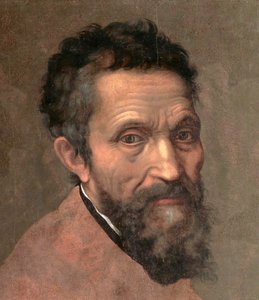
Michelangelo Buonarroti
1475 - 1564 , Italien
Kurzinfos
- Beeinflusste Künstler:
- Donatello
- Masaccio
- Bemerkenswerte Werke:
- Pietà
- David
- Sixtinische Kapelle
- Das Jüngste Gericht
- Geburtsdatum: 06. März 1475
- Geburtsort: Caprese Michelangelo, Italien
- Künstlerische Bewegung:
- Hochrenaissance
- Manierismus
- Nationalität: Italienisch
- Todatum: 18. Februar 1564
- Vollständiger Name: Michelangelo Buonarroti
- Von Künstlern Beeinflusst: ['Klassische Antike']
Ähnliche Artikel
Michelangelo Buonarroti: Die 25 Meisterwerke des Renaissance-Genies | ArtsDot
Entdecken Sie die 25 Meisterwerke von Michelangelo Buonarroti! Von David bis zur Sixtinischen Kapelle – erleben Sie Renaissance Kunst in ihrer ganzen Pracht. Hochwertige Kunstdrucke & Inspiration für Ihr Zuhause auf ArtsDot.com.

Bronze-Meisterwerke: Die 10 Skulpturen, die Kunstgeschichte schrieben | ArtsDot
Entdecken Sie die 10 legendärsten Bronze Skulpturen der Kunstgeschichte! Von Michelangelo bis Rodin – erfahren Sie die Geschichten hinter den Meisterwerken und lassen Sie sich von Wanddeko-Ideen inspirieren. Hochwertige Kunstdrucke auf ArtsDot.com.

Die 10 legendärsten Bronzestatuen: Meisterwerke, die Kunstgeschichte schrieben | ArtsDot
Entdecken Sie die 10 legendärsten Bronzestatuen der Kunstgeschichte! Von Rodin bis Michelangelo – erfahren Sie die Geschichten hinter ikonischen Skulpturen und finden Sie hochwertige Reproduktionen für Ihr Zuhause. Jetzt bei ArtsDot entdecken!

The Enduring Form: Exploring Themes & Techniques in Sculpture Across Historical Periods
Explore the rich history of sculpture from ancient masterpieces to contemporary innovations. Discover key techniques, influential artists & investment potential for discerning art collectors.
The Enduring Form: Sculpture Across History, Technique & Emotional Resonance
Explore the rich history of sculpture with ArtsDot. Discover key techniques, influential artists & investment potential for discerning collectors. Expert insights into valuing and collecting timeless masterpieces.