 Vorschau anzeigen
 Versenden
 Teilen
 Details anzeigen

 Herunterladen
 Ähnliche Objekte
 Röntgenaufnahme
 Diashow
 Statistiken
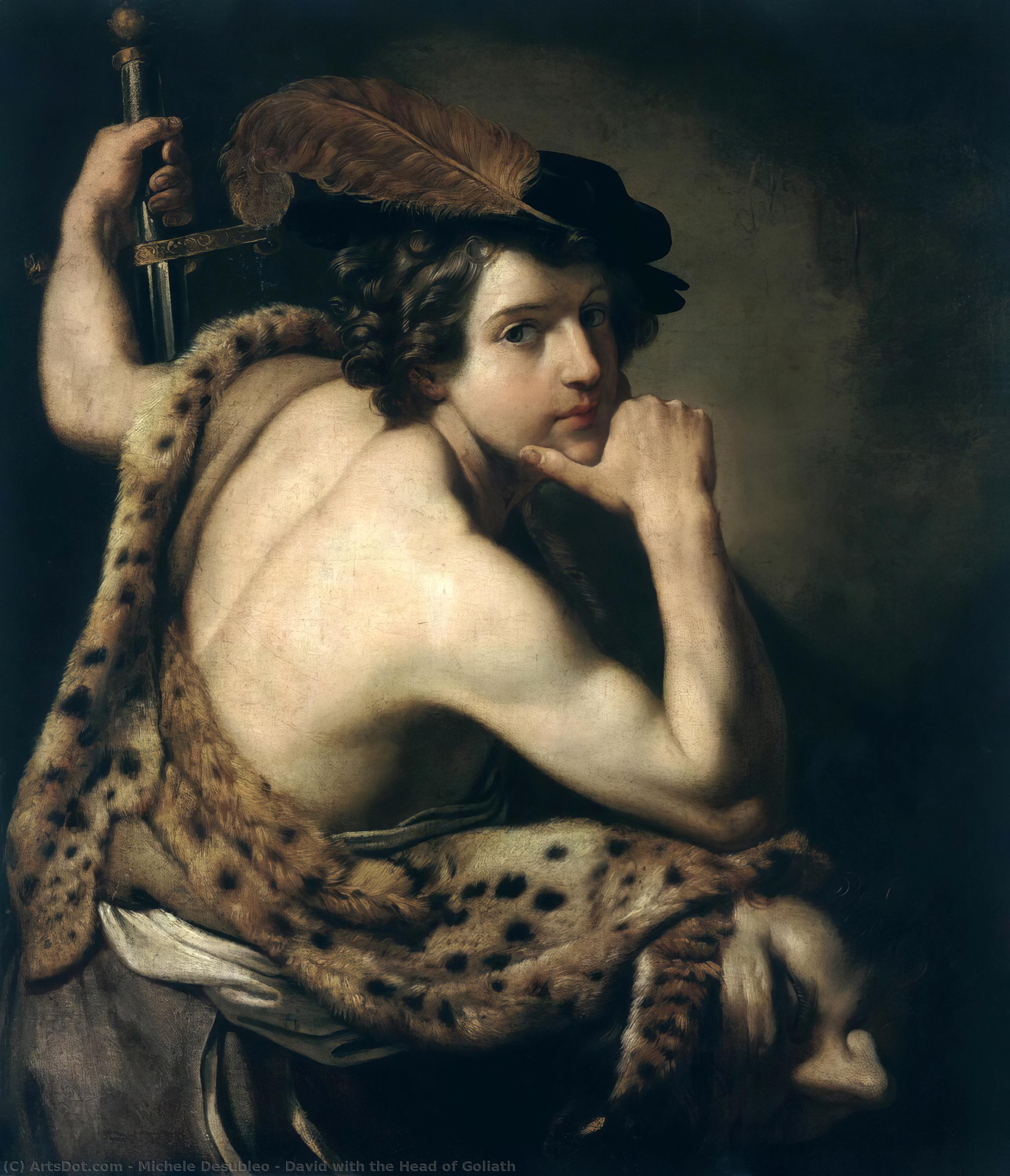
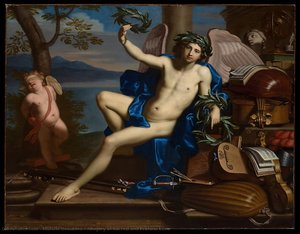
David with the Head of Goliath


 Weiterlesen
Handgefertigte Ölreproduktion
Handgemaltes Ölgemälde auf Leinwand in Ihrer Wunschgröße und mit Rahmen, auf Bestellung von unseren Künstlern angefertigt. ( Zu Druck wechseln Zum digitalen Bild wechseln)




































Wählen Sie aus unseren vordefinierten Formaten, die den ursprünglichen Proportionen des Kunstwerks entsprechen.

Sie können Ihre eigenen Maße eingeben, um einen bestimmten Rahmen oder Platz auszufüllen. Wenn die gewählte Größe nicht den Proportionen des Originalbildes entspricht, werden wir das Kunstwerk entweder beschneiden oder das Gemälde durch zusätzliche, handgemalte Elemente erweitern. Ein digitales Mockup wird Ihnen zur Genehmigung zugesandt, bevor die Produktion beginnt.
Bitte beachten Sie, dass die Bildschirmvorschau nicht die tatsächliche Beschneidung oder Erweiterung widerspiegelt. Nur das Mockup zeigt die endgültige Komposition exakt an.
Obwohl Sondermaße verfügbar sind, empfehlen wir, eine Größe aus der vordefinierten Liste zu wählen, um die ursprünglichen Proportionen beizubehalten.
Nach der Bestellung wird das ArtsDot.com-Team dem Kunden Anweisungen per E-Mail zusenden und eine Mockup-Vorschau bereitstellen.
Weltweiter Versand () in nur 3 bis 4 Wochen statt der üblichen 5 Wochen. (9 September). Keine Kompromisse bei der Qualität.

Kostenloser weltweiter Expressversand

Hochwertige Leinenleinwand

Umfassender Versicherungsschutz beim Versand

Zollgebühren-Rückerstattungsgarantie

Garantie für exakte Farbtreue

100-Tage-Rückgaberecht (nur bei Mängeln)

100% Geld-zurück-Garantie

Mengenrabatt verfügbar
 Die Glasoption ist nur für Größen unter 110 cm verfügbar.

David with the Head of Goliath
Art der Reproduktion
Format der Reproduktion
-


Gesamtpreis
$ 263
Ähnliche Kunstwerke
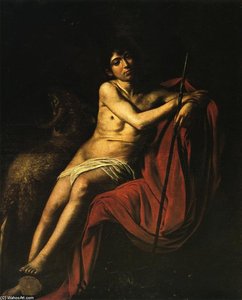
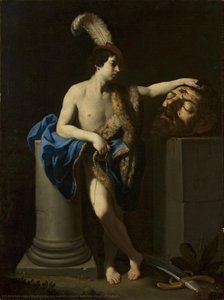
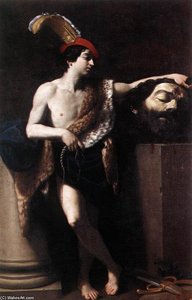
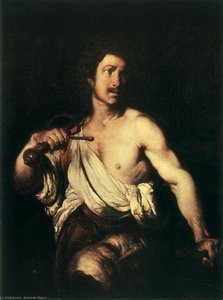
Über den Künstler
The Flemish Visionary of the Italian Baroque
In the grand, dramatic tapestry of the seventeenth century, few threads are as intriguing as that of Michele Desubleo. A painter who bridged the gap between the meticulous traditions of Flanders and the emotive splendor of Italy, Desubleo embodied the very essence of the Baroque era. Born around 1601 or 1602 in Maubeuge, within the Spanish Netherlands, his early life was rooted in a landscape of profound artistic discipline. It is believed that he honed his foundational skills in the workshop of Abraham Janssens van Nuyssen, working alongside his stepbrother, the celebrated Nicolas Régnier. This Flemish upbringing provided him with a rigorous command of texture, light, and anatomical precision—tools that would later allow him to navigate the complex emotional landscapes of the Italian masters.
The trajectory of Desublean art changed irrevocably when he migrated toward the sun-drenched centers of Italian creativity. Arriving in Rome around 1625, he found himself immersed in a city where the echoes of the Renaissance were being transformed into the theatrical intensity of the Baroque. It was here that his talent met its most profound catalyst: the workshop of Guido Reni. Under Reni’s tutelage, Desubleo moved beyond mere technical proficiency to embrace an idealized beauty and a sophisticated use of chiaroscuro. This period of intense study allowed him to synthesize the robust, tactile qualities of his Northern heritage with the graceful, lyrical compositions characteristic of the Bolognese school.
A Journey Through Light and Devotion
As Desubleo’s career progressed, his presence moved across the Italian peninsula like a shadow cast by flickering candlelight, leaving behind works in Venice, Florence, Bologna, and Genoa. His ability to adapt to different regional aesthetics made him a versatile force in the art market of the 1600s. In the Veneto region, he spent much of the 1650s, while his later years saw him establishing a significant legacy in Parma. His work often functioned as a bridge between the sacred and the secular, capable of conveying both the divine ecstasy of a saint and the complex allegories of human virtue.
The technical mastery evident in his most famous compositions reveals a deep understanding of dramatic tension. Consider the following hallmarks of his mature style:
- Dramatic Chiaroscuro: The masterful use of extreme light and shadow to sculpt figures and create a sense of three-dimensional presence.
- Anatomical Grace: A lingering influence from Reni, seen in the fluid, muscular, yet idealized depiction of the human form.
- Narrative Intensity: An ability to capture pivotal biblical or mythological moments, such as the triumph in David with the Head of Goliath, through expressive gestures and rich textures.
- Allegorical Depth: The capacity to weave complex philosophical themes into single canvases, most notably seen in his explorations of Sacred and Profane Love.
Legacy and Historical Significance
Though history occasionally obscures the names of those who worked within the shadows of giants like Reni or Régnier, Desubleo’s contribution remains vital to our understanding of the Baroque's international character. He was not merely a student of Italian trends but an active participant in their evolution, bringing a Northern sensibility to the Mediterranean palette. His later works in Parma, including monumental altarpieces for the cathedral, stand as testaments to his enduring devotion to religious iconography and his ability to inspire awe in the faithful.
When he passed away in Parma in 1676, he left behind a body of work that serves as a historical record of an era defined by movement, emotion, and light. To study Michele Desubleo is to witness the beautiful collision of two worlds—the disciplined precision of Flanders meeting the soaring, dramatic spirit of Italy—resulting in a visual language that continues to captivate the modern eye.
michele desubleo
1602 - 1676
Kurzinfos
- Artistic Movement Or Style: Baroque
- Artists Or Movements Influenced By This Artist: ['Renaissance']
- Artists Who Influenced This Artist: ['Guido Reni']
- Date Of Birth: 1602
- Date Of Death: 1676
- Full Name: Michele Desubleo
- Nationality: Flemish
- Notable Artworks:
- David with Goliath
- Allegory of Sacred and Profane Love
- Place Of Birth: Maubege
Ähnliche Artikel

Barock Meisterwerke: Die 10 prägendsten Kunstwerke für Ihr Zuhause |
Entdecken Sie die 10 prägendsten Meisterwerke des Barock! Caravaggio, Rembrandt & Co. – Erfahren Sie die Geschichten hinter ikonischen Gemälde und finden Sie hochwertige Kunst Reproduktionen für Ihr Zuhause auf .

The Enduring Power of Painting: A Historical & Contemporary Exploration of Form and Emotion
Explore the rich history & enduring techniques of oil painting with ArtsDot. Discover masterpieces, learn about art collecting, and find authentic handmade reproductions crafted by skilled artists.

Barocke Pracht: Wie Sie Opulenz und Emotionen in zeitgenössische Innenräume bringen
Entdecken Sie die Pracht des Barock! Expertenratgeber für luxuriöse Innenräume mit barocken Elementen. Inspiration, Tipps & hochwertige Kunst bei .

The Dramatic Flourish: Exploring the Baroque Movement's Enduring Legacy in Art History
Explore the dramatic world of Baroque art! Discover iconic artists like Caravaggio & Rubens, defining techniques, and its lasting impact on art history. Expert insights for collectors & enthusiasts at ArtsDot.

Öl auf Leinwand: Eine historische und technische Erkundung eines zeitlosen künstlerischen Mediums
Entdecken Sie die faszinierende Welt der Ölmalerei! Von historischen Techniken bis zur modernen Anwendung – wir bieten Expertenwissen, Restaurierungstipps und hochwertige Reproduktionen. Jetzt informieren!