 Vorschau anzeigen
 Versenden
 Teilen
 Details anzeigen

 Herunterladen
 Ähnliche Objekte
 Röntgenaufnahme
 Diashow
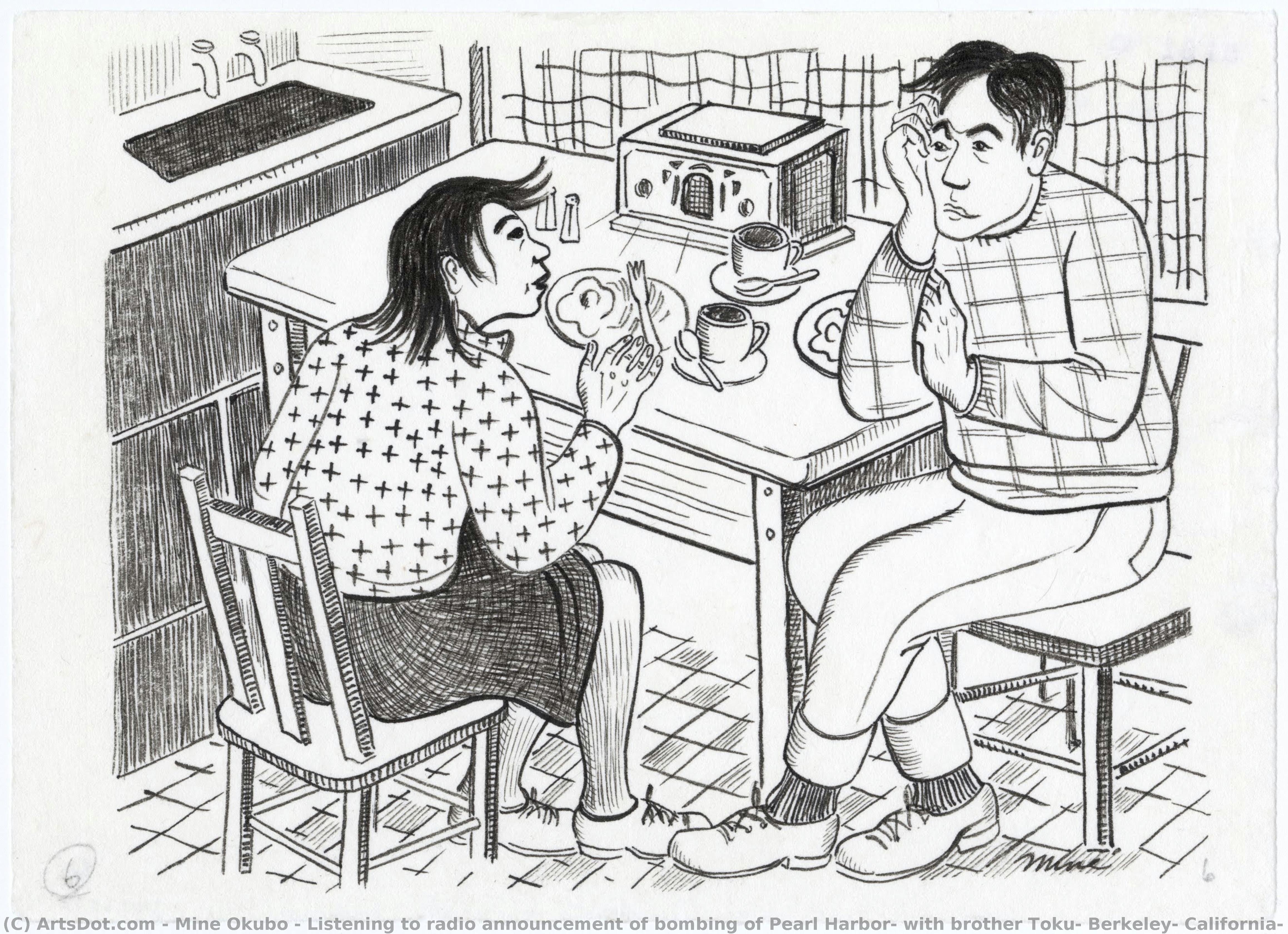
Listening to radio announcement of bombing of Pearl Harbor, with brother Toku, Berkeley, California, 1941


 Weiterlesen
Giclée / Kunstdruck
Giclée- oder Leinwanddruck in Museumsqualität mit schneller Produktion und flexiblen Veredelungsoptionen. ( Handgemalte Reproduktion bestellen Bild kaufen)




P118B $10

P118H $10

P118W $10

P438Z $10

P508JH $12

P508YH $12

P805H $10

P805Z $10

P919BZ $10

P919G $10

P919XJ $10

P959ZH $10

P968JZ $12

W106C $8

W218G $10

W218JH $8

W218Y $10

W307PJ $10

W316G $10

W316PJ $8

W316Y $10

W398PJ $8

W4111J $10

W500HY $15

W500JH $15

W692G $12

W849H $8

W940BG $15

W953PJ $8




Wählen Sie aus unseren vordefinierten Formaten, die den ursprünglichen Proportionen des Kunstwerks entsprechen.

Sie können Ihre eigenen Maße eingeben, um ein bestimmtes Format oder einen speziellen Platz einzupassen. Wenn das von Ihnen gewählte Format nicht den Proportionen des Originalbildes entspricht, werden wir das Kunstwerk entweder beschneiden oder das Bild mit einem gespiegelten oder einfarbigen Rand erweitern. Ein digitaler Entwurf wird Ihnen zur Genehmigung zugesandt, bevor die Produktion beginnt.
Bitte beachten Sie, dass die Vorschau auf dem Bildschirm nicht den tatsächlichen Zuschnitt oder die Erweiterung widerspiegelt. Nur der Entwurf zeigt die endgültige Komposition präzise an.
Obwohl Sondermaße verfügbar sind, empfehlen wir die Auswahl eines Maßes aus der vordefinierten Liste, um die ursprünglichen Proportionen zu bewahren.
Weltweiter Versand () innerhalb von 2 Wochen statt der üblichen 4/5 Wochen. (7 September)

Kostenloser weltweiter Expressversand

Hochwertige Leinenleinwand

Umfassender Versicherungsschutz beim Versand

Zollgebühren-Rückerstattungsgarantie

Garantie für exakte Farbtreue

100-Tage-Rückgaberecht (nur bei Mängeln)

100% Geld-zurück-Garantie

Mengenrabatt verfügbar
 Die Glasoption ist nur für Größen unter 110 cm verfügbar.

Listening to radio announcement of bombing of Pearl Harbor, with brother Toku, Berkeley, California, 1941
Giclée / Kunstdruck
Format der Reproduktion
-


Gesamtpreis
$ 62
A Frozen Moment of Shock: Miné Okubo’s “Listening to Radio Announcement of Bombing of Pearl Harbor…”
Miné Okubo's 1941 drawing, "Listening to Radio Announcement of Bombing of Pearl Harbor…," isn’t merely a snapshot of a family in wartime; it’s a profoundly intimate and devastatingly honest portrayal of the immediate aftermath of an event that irrevocably altered American history. Rendered in meticulous pen and ink on paper, the artwork captures a quiet domestic scene—a woman, identified as Miné Okubo herself, and her brother Toku seated at a breakfast table in their Berkeley, California home—as they listen to news reports detailing the surprise attack on Pearl Harbor. The image transcends its simple composition, becoming a poignant emblem of vulnerability, uncertainty, and the sudden intrusion of global conflict into the lives of ordinary people.
Okubo’s artistic style leans heavily toward illustrative realism, reminiscent of both cartooning and documentary art. The figures are rendered with careful attention to detail – Miné's flipped forelock, a subtle signifier of her Japanese American heritage, is immediately striking; Toku’s head resting on his hand conveys a sense of quiet despair. The use of hatching and cross-hatching creates a remarkable illusion of texture and depth, particularly in the depiction of the wooden furniture and the radio itself – a central device symbolizing the dissemination of devastating news. The muted grayscale palette further enhances the somber mood, emphasizing the gravity of the situation without resorting to dramatic color.
A Window into Wartime Experience
Created during a tumultuous period in American history—just months after the attack on Pearl Harbor—the drawing offers a rare glimpse into the lived experience of Japanese Americans facing increasing suspicion and discrimination. The Okubo family’s story is inextricably linked to the broader narrative of internment, as they were later forced to relocate to Topaz War Relocation Center in Utah. This artwork serves as a powerful reminder of the anxieties and uncertainties that permeated American society during World War II, particularly for those whose ancestry was Japanese.
The choice of depicting a seemingly mundane domestic scene—breakfast—is deliberate and profoundly moving. It underscores the jarring contrast between the ordinary rhythms of daily life and the sudden eruption of violence and fear. The act of listening to the radio becomes an almost ritualistic moment, highlighting the family’s shared experience of shock and disbelief as they grapple with the unfolding tragedy. The inclusion of the sink and window in the background subtly suggests a sense of confinement and isolation, mirroring the broader context of wartime restrictions.
Symbolism and Emotional Resonance
Beyond its historical significance, “Listening to Radio Announcement…” is rich in symbolic meaning. The radio itself represents not just information but also the inescapable intrusion of war into private lives. Miné’s bowed head conveys a sense of vulnerability and grief—a silent acknowledgment of the immense loss and uncertainty that lie ahead. Toku's posture speaks volumes, suggesting a quiet resignation or perhaps even a premonition of hardship. The composition as a whole evokes a powerful emotional response, prompting viewers to contemplate the human cost of conflict and the enduring impact of historical trauma.
The artwork’s strength lies in its ability to capture a fleeting moment of intense emotion with remarkable precision and sensitivity. It's not a grand historical statement but rather a deeply personal narrative—a testament to the resilience of the human spirit in the face of unimaginable adversity. It remains a vital piece of American art history, offering a poignant reminder of a pivotal moment in time and the enduring importance of bearing witness to injustice.
Technical Details & Reproduction Considerations
The artwork was created using traditional pen and ink techniques on paper, resulting in a distinctive graphic quality characterized by sharp lines and subtle tonal variations. The meticulous hatching and cross-hatching create a sense of texture and depth, lending the scene a remarkable level of realism. Reproductions should strive to faithfully capture this detail while maintaining the artwork’s inherent intimacy and emotional resonance. High-quality archival paper is recommended to ensure the longevity and vibrancy of the image.
Dimensions are unknown, but it's believed to be approximately 9.25 x 13 inches. The piece was created in 1942-1944 as part of Miné Okubo’s “Citizen 13660” series documenting her experiences during the internment period.
Ähnliche Kunstwerke
Über den Künstler
Miné Okubo: Leben, Kunst und Vermächtnis
Frühes Leben und Ausbildung
- Geboren: 27. Juni 1912 in Riverside, Kalifornien, als Tochter japanischer Einwanderer.
- Okubo zeigte bereits früh Talent für die Kunst, was von ihrer Familie gefördert wurde.
- Sie absolvierte eine formale künstlerische Ausbildung an der University of California, Berkeley, und reiste später 1938 nach Europa, um ihre Studien fortzusetzen.
- Ihr Aufenthalt in der Schweiz wurde durch die zunehmenden politischen Spannungen vor dem Zweiten Weltkrieg verkürzt.
Internierung und künstlerische Reaktion
- Nach dem Angriff auf Pearl Harbor wurden Okubo und ihr Bruder Benji gewaltsam von ihrem Zuhause entfernt und in amerikanische japanische Internierungslager gebracht.
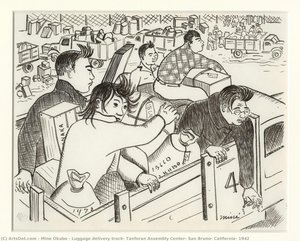
- Zuerst wurden sie 1942 an das Tanforan Assembly Center geschickt, später jedoch an das Topaz War Relocation Center in Utah.
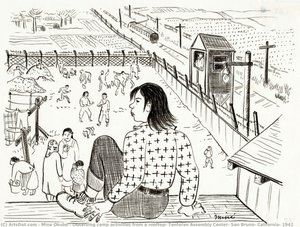
- Während ihrer Haft begann Okubo ein bemerkenswertes Projekt: Sie dokumentierte akribisch das tägliche Leben innerhalb der Lager durch über 2.000 Zeichnungen und Skizzen.
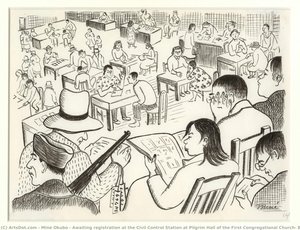
- Diese Werke erfassten die harten Realitäten des Lagerlebens – die beengten Wohnverhältnisse, bürokratische Prozesse, emotionale Belastung und die Widerstandsfähigkeit der Internierten.
Citizen 13660: Zeugnis von Macht
- Nach ihrer Freilassung im Jahr 1944 ordnete Okubo eine Auswahl von 198 Zeichnungen und begleitendem Text zu einem Buch namens Citizen 13660 zusammen.
- Das Buch, das 1946 veröffentlicht wurde, gilt als wegweisende Arbeit zur Dokumentation der Erfahrung der japanischen Amerikaner in den Internierungslagern.
- Der Titel bezieht sich auf die ihm zugewiesene Nummer innerhalb des Internierungssystems und betont den entwürdigenden Aspekt der zwangsweisen Umsiedlung.
- Die Zeichnungen zeichnen sich durch ihre Direktheit, Ehrlichkeit und emotionale Tiefe aus und bieten einen eindringlichen visuellen Bericht über ein dunkles Kapitel der amerikanischen Geschichte.
Nachkriegsberuf und künstlerische Entwicklung
- Nach dem Krieg zog Okubo nach New York City, wo sie ihre künstlerische Karriere fortsetzte.
- Sie arbeitete als freiberufliche Künstlerin und schuf Illustrationen für Zeitschriften und Bücher sowie verfolgte Wandprojekten.
- Ihr Stil entwickelte sich im Laufe der Zeit, aber sie behielt stets einen Fokus auf soziale Kommentare und humanistisches Thema.
- Okubo erhielt im Laufe ihrer Karriere zahlreiche Auszeichnungen und Anerkennungen, darunter Stipendien vom National Endowment for the Arts.
Einflüsse und Vermächtnis
- Okubos Werk wurde von der Sozialrealistischen Bewegung beeinflusst, die sich darauf konzentrierte, soziale Probleme und den Alltag mit einem Fokus auf Realismus darzustellen.
- Sie ließ sich von Künstlern wie Käthe Kollwitz inspirieren, die für ihre kraftvollen Darstellungen menschlichen Leidens bekannt ist.
- Ihr Vermächtnis liegt in ihrer mutigen Dokumentation der Internierungserfahrung und ihrem Beitrag zur Sensibilisierung für Bürgerrechte und soziale Gerechtigkeit.
- “Citizen 13660” bleibt ein wichtiges historisches Dokument und hallt bis heute nach, erinnert uns an die Bedeutung von Wachsamkeit gegen Vorurteile und Diskriminierung.
Tod und Erinnerung
- Miné Okubo starb am 10. Februar 2001, hinterließ ein mächtiges Werk, das weiterhin inspiriert und unterrichtet.
- Ihre Kunst wird in zahlreichen öffentlichen und privaten Sammlungen aufbewahrt, um ihre Geschichte und Botschaft für zukünftige Generationen zu erhalten.
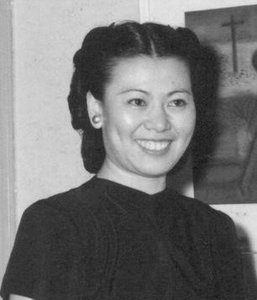
Miné Okubo
1912 - 2001 , Vereinigte Staaten von Amerika
Kurzinfos
- Artistic Movement Or Style: Sozialrealismus
- Artists Who Influenced This Artist: ['Käthe Kollwitz']
- Date Of Birth: 27. Juni 1912
- Date Of Death: 10. Februar 2001
- Full Name: Miné Okubo
- Nationality: Amerikanerin
- Notable Artworks:
- Citizen 13660
- Interior of Mine and Toku
- Place Of Birth: Riverside, Kalifornien
Ähnliche Artikel
Grant Wood und der amerikanische Regionalismus: Identität, Mythos und die ländliche Landschaft
Entdecken Sie Grant Wood und den amerikanischen Regionalismus! Erfahren Sie mehr über 'American Gothic', Woods Leben, Einflüsse und sein Vermächtnis in der Kunstgeschichte. Expertenwissen & hochwertige Reproduktionen.
Amerikanischer Realismus: Die 10 Meisterwerke, die eine Ära prägten | ArtsDot
Entdecken Sie die 10 Meisterwerke des Amerikanischen Realismus! Von Edward Hopper bis Winslow Homer – erleben Sie die Geschichten, Techniken & zeitlose Schönheit. Hochwertige Kunstdrucke auf ArtsDot.com.
Robert W. Salmon: Licht und Atmosphäre der amerikanischen Seemalerei – Eine Studie zum Ursprung des Luminismus
Entdecken Sie die faszinierende Welt des amerikanischen Luminismus! Erfahren Sie mehr über Robert W. Salmon und die Meister der Lichtmalerei. Kunstgeschichte, Museen & hochwertige Reproduktionen auf ArtsDot.
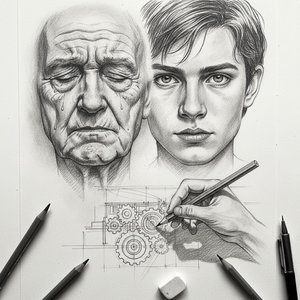
The Nuances of Graphite: Exploring Emotional Depth & Technical Mastery in Pencil Drawing
Explore the captivating world of graphite drawing! Discover its rich history, master essential techniques like chiaroscuro, and learn how artists evoke emotion through this timeless medium. Expert insights for art enthusiasts.
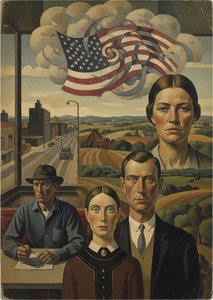
Echos des Ortes: Regionalismus und amerikanische Identität in der Kunst der Zwischenkriegszeit
Entdecken Sie den amerikanischen Regionalismus der Zwischenkriegszeit! Analysieren Sie mit uns die Kunstströmung, ihre Künstler und Motive – ein tiefgehender Einblick in die Suche nach einer nationalen Ästhetik.
![[Unbetitelt]](/media/artworks/images-thumb/da/f5/daf58ec86f2a4b9d0b02cc6cd4383556.jpg)