 Vorschau anzeigen
 Versenden
 Teilen
 Details anzeigen

 Herunterladen
 Ähnliche Objekte
 Röntgenaufnahme
 Diashow
 Statistiken
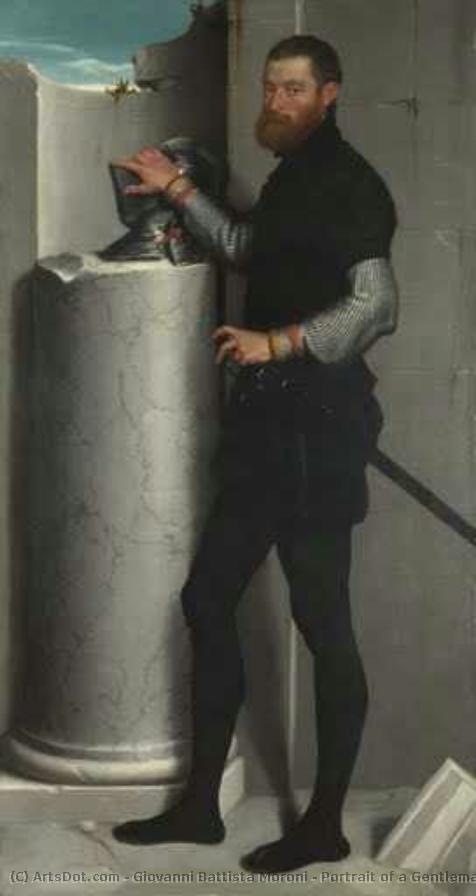
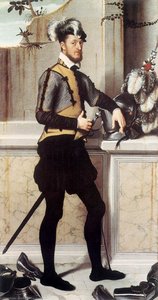
Portrait of a Gentleman
 Oil On Canvas
- WallArt
- Renaissance Mannerism
 1555
1555- Renaissance
 186.0 x 99.0 cm
 National Gallery
 Weiterlesen
Giclée / Kunstdruck
Giclée- oder Leinwanddruck in Museumsqualität mit schneller Produktion und flexiblen Veredelungsoptionen. ( Handgemalte Reproduktion bestellen Zum digitalen Bild wechseln)




P118B $10

P118H $10

P118W $10

P438Z $10

P508JH $12

P508YH $12

P805H $10

P805Z $10

P919BZ $10

P919G $10

P919XJ $10

P959ZH $10

P968JZ $12

W106C $8

W218G $10

W218JH $8

W218Y $10

W307PJ $10

W316G $10

W316PJ $8

W316Y $10

W398PJ $8

W4111J $10

W500HY $15

W500JH $15

W692G $12

W849H $8

W940BG $15

W953PJ $8




Wählen Sie aus unseren vordefinierten Formaten, die den ursprünglichen Proportionen des Kunstwerks entsprechen.

Sie können Ihre eigenen Maße eingeben, um ein bestimmtes Format oder einen speziellen Platz einzupassen. Wenn das von Ihnen gewählte Format nicht den Proportionen des Originalbildes entspricht, werden wir das Kunstwerk entweder beschneiden oder das Bild mit einem gespiegelten oder einfarbigen Rand erweitern. Ein digitaler Entwurf wird Ihnen zur Genehmigung zugesandt, bevor die Produktion beginnt.
Bitte beachten Sie, dass die Vorschau auf dem Bildschirm nicht den tatsächlichen Zuschnitt oder die Erweiterung widerspiegelt. Nur der Entwurf zeigt die endgültige Komposition präzise an.
Obwohl Sondermaße verfügbar sind, empfehlen wir die Auswahl eines Maßes aus der vordefinierten Liste, um die ursprünglichen Proportionen zu bewahren.
Weltweiter Versand () innerhalb von 2 Wochen statt der üblichen 4/5 Wochen. (9 September)

Kostenloser weltweiter Expressversand

Hochwertige Leinenleinwand

Umfassender Versicherungsschutz beim Versand

Zollgebühren-Rückerstattungsgarantie

Garantie für exakte Farbtreue

100-Tage-Rückgaberecht (nur bei Mängeln)

100% Geld-zurück-Garantie

Mengenrabatt verfügbar
 Die Glasoption ist nur für Größen unter 110 cm verfügbar.

Portrait of a Gentleman
Giclée / Kunstdruck
Format der Reproduktion
-


Gesamtpreis
$ 62
A Portrait of Renaissance Dignity: Giovanni Battista Moroni’s Gentleman
Giovanni Battista Moroni's "Portrait of a Gentleman," painted in 1555-56, is more than simply a likeness; it’s a carefully constructed tableau of status, power, and the burgeoning humanist ideals of the late Renaissance. Measuring a substantial 186 x 99 cm, this oil on canvas work offers a glimpse into the world of a nobleman or military figure – an individual embodying both martial prowess and refined courtly grace. The painting’s muted palette, dominated by earthy browns, blacks, and subtle hints of silver and blue-green, immediately establishes a mood of quiet contemplation and dignified reserve. Moroni masterfully employs light and shadow to sculpt the subject's form, creating a sense of three-dimensionality that draws the viewer into the scene.
Composition and Technique: A Masterclass in Renaissance Realism
The composition is remarkably restrained yet profoundly effective. The gentleman occupies a significant portion of the frame, positioned slightly off-center to lend a subtle dynamism to the otherwise formal arrangement. A monumental pillar, reminiscent of classical architecture, anchors the left side, providing a vertical axis that contrasts with the diagonal thrust of the shield resting upon it. This interplay of lines – strong verticals and dynamic diagonals – creates visual tension while maintaining an overall sense of balance. Moroni’s technique is characterized by meticulous detail and a remarkable ability to blend colors seamlessly. Layering and glazing are evident in the smooth transitions between tones, particularly noticeable in the rendering of the gentleman's face and clothing. The artist demonstrates a deep understanding of oil paint, achieving textures ranging from the polished surface of the pillar to the rougher feel of the chainmail armor.
Symbolism and Historical Context
Beyond its technical brilliance, “Portrait of a Gentleman” is rich in symbolic meaning. The armor and shield are potent emblems of protection, strength, and perhaps even military service – reflecting the turbulent political landscape of 16th-century Italy. The pillar itself could be interpreted as representing stability, authority, or drawing upon classical ideals of civic virtue. The inclusion of two small birds in the background adds a layer of complexity, potentially symbolizing freedom, observation, or even a connection to nature amidst the formality of courtly life. Moroni’s work is firmly rooted in the Italian Renaissance tradition, influenced by artists like Titian, whose use of color and light he skillfully adopted. The painting's date – 1555-56 – places it squarely within a period of artistic innovation and experimentation, marked by a renewed interest in classical antiquity and a growing emphasis on individual portraiture.
Emotional Resonance: Dignity and Quiet Confidence
Despite its formal presentation, “Portrait of a Gentleman” exudes an undeniable sense of dignity and quiet confidence. The subject’s gaze is direct and unwavering, conveying a feeling of self-assuredness without arrogance. The subdued lighting and carefully controlled color palette contribute to the painting's somber yet refined aesthetic, evoking a mood of thoughtful contemplation. Moroni doesn’t simply depict a man; he captures an *impression* – a sense of character and presence that transcends mere representation. This is a portrait designed not just to record a likeness but to communicate something deeper about the individual and his place within society.
A Timeless Masterpiece: Reproduction Possibilities
ArtsDot offers meticulously crafted, hand-painted reproductions of Giovanni Battista Moroni’s “Portrait of a Gentleman,” allowing you to bring this remarkable Renaissance masterpiece into your home or office. Our skilled artisans replicate the artist's techniques and attention to detail with unparalleled accuracy, ensuring that your reproduction captures the painting’s original beauty and emotional depth. Whether you are an art collector, interior designer, or simply someone who appreciates fine art, a ArtsDot reproduction of this iconic portrait is a timeless addition to any collection.
Ähnliche Kunstwerke


Über den Künstler
Giovanni Battista Moroni: Leben und Erbe
Giovanni Battista Moroni, geboren 1520 in Albino nahe Bergamo, Italien, war eine zentrale Figur der italienischen Kunst des Cinquecento und gilt als einer der bedeutendsten Mannieristen seiner Zeit. Sein Vater, Andrea Moroni, zeichnete sich als Architekt aus und schuf somit eine künstlerisch prägende Umgebung für seinen Sohn. Bereits früh erhielt Moroni seine Ausbildung bei Alessandro Bonvicino (Moretto da Brescia), dessen Einfluss auf seine künstlerische Entwicklung besonders tiefgreifend war. Diese frühe Lehre legte den Grundstein für sein außergewöhnliches Können im Umgang mit Farbe und Licht – Eigenschaften, die ihn zu einem Meister seines Genres erhoben.Frühes Leben und Ausbildung
Moroni zog später durch verschiedene italienische Städte um und fand seinen Wirkungsort schließlich in Trento, wo er Kontakte zu Künstlern wie Tizian und dem Bischof Cristoforo Madruzzo knüpfte. Besonders intensiv prägte ihn der Einfluss von Tizian, dessen Verwendung von Farbe und Lichttechniken eine entscheidende Rolle bei seiner künstlerischen Entwicklung spielten. Diese Begegnungen mit anderen bedeutenden Künstlern des jeweiligen Zeitgeistes erweiterten seinen Horizont und inspirierten ihn zu neuen kreativen Ansätzen.
Künstlerische Entwicklung und Einflüsse
Während seiner Tätigkeit in Brescia entwickelte Moroni einen eigenen Stil, der sich von den klassischen Formen der Renaissance abhänigte. Er orientierte sich zunehmend an den künstlerischen Entwicklungen des Mannierismus und dessen Fokus auf Ausdruckskraft und Emotionen. Diese Bewegung hatte bereits Künstler wie Parmigianino und Bronzino beeinflusst und Moroni konnte diese Tradition erfolgreich aufgreifen.
Wesentliche Merkmale seiner Werke
Moronis Gemälde zeichnen sich durch eine besondere Sensibilität für die Darstellung menschlicher Figuren aus. Er setzte auf natürliche Farben und Lichtverhältnisse, um ein Gefühl von Lebendigkeit und Tiefe zu erzeugen – eine Technik, die auch heute noch beeindruckt. Besonders hervorzuheben ist seine außergewöhnliche Fähigkeit zur psychologischen Analyse seiner Modelle. Durch detaillierte Studien der Gesichtsausdrücke und Körperhaltung gelang es ihm, die Persönlichkeit seiner Sitters mit großer Präzision einzufangen.
Bekannte Werke
Zu seinen bekanntesten Werken zählen insbesondere zahlreiche Porträts von Mitgliedern des lokalen Adels und des Klerus sowie religiöse Gemälde wie „Die Geburt Christi mit Gott Vater und dem Heiligen Geist“. Diese Werke sind nicht nur beeindruckende technische Leistungen, sondern auch Fenster zur Welt der Renaissance und bieten einen einzigartigen Einblick in die künstlerischen Ideen und Werte seiner Zeit. Besonders beeindruckend ist seine Darstellung von Gian Lodovico Madruzzo und zahlreiche andere Porträts von wichtigen Persönlichkeiten des Cinquecento.
Moroni gilt als einer der wichtigsten Vertreter des italienischen Mannierismus und wird bis heute für seine außergewöhnliche künstlerische Sensibilität und sein Meisterhafte Können gefeiert. Seine Werke sind ein unverzichtbarer Bestandteil des Kunstgeschichte und erinnern uns an die Schönheit und Tiefe der Renaissance.
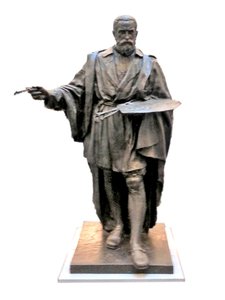
Moroni, Giovanni Battista
1520 - 1578 , Italien
Kurzinfos
- Artistic Movement Or Style: Mannerismus
- Artists Or Movements Influenced By This Artist:
- Fra' Galgario
- Pietro Longhi
- Artists Who Influenced This Artist:
- Titian
- Alessandro Bonvicino
- Date Of Birth: 1520
- Full Name: Giovanni Battista Moroni
- Nationality: Italienisch
- Notable Artworks:
- Die Geburt Christi mit Gott Vater und dem Heiligen Geist
- Amphitheater von Verona
- Place Of Birth: Albino, Italien
Ähnliche Artikel

The Enduring Legacy of Oil on Canvas: Technique, History & Aesthetic Impact
Explore the rich history & techniques of oil painting – from Renaissance masters to Impressionism. Discover pigments, layering methods, and why this timeless medium endures. Expert insights for artists & art enthusiasts.

Giclée Prints: Archival Quality & Aesthetic Nuances for the Discerning Collector
Explore the world of giclée prints with ArtsDot. Learn about archival quality, aesthetic nuances & investment potential. Expert guidance for discerning art collectors seeking museum-quality reproductions and lasting value.

Öl auf Leinwand: Eine historische und technische Erkundung eines zeitlosen künstlerischen Mediums
Entdecken Sie die faszinierende Welt der Ölmalerei! Von historischen Techniken bis zur modernen Anwendung – wir bieten Expertenwissen, Restaurierungstipps und hochwertige Reproduktionen. Jetzt informieren!

Das bleibende Erbe der Ölmalerei: Technik, Geschichte und zeitgenössische Praxis
Entdecken Sie die faszinierende Geschichte der Ölmalerei – von den frühen Techniken bis zur modernen Kunst. Expertenwissen, detaillierte Analysen und Inspiration für Sammler & Kunstliebhaber.
Öl auf Leinwand: Die 10 Meisterwerke, die Kunst für immer veränderten |
Entdecken Sie die 10 legendärsten Öl auf Leinwand Meisterwerke! Von Van Gogh bis Monet – erfahren Sie die Geschichten hinter ikonischen Gemälden und lassen Sie sich von Kunstgeschichte inspirieren. Hochwertige Reproduktionen für Ihr Zuhause finden Sie auf .