

 Vorschau anzeigen
 Versenden
 Teilen
 Details anzeigen

 Herunterladen
 Ähnliche Objekte
 Röntgenaufnahme
 Diashow
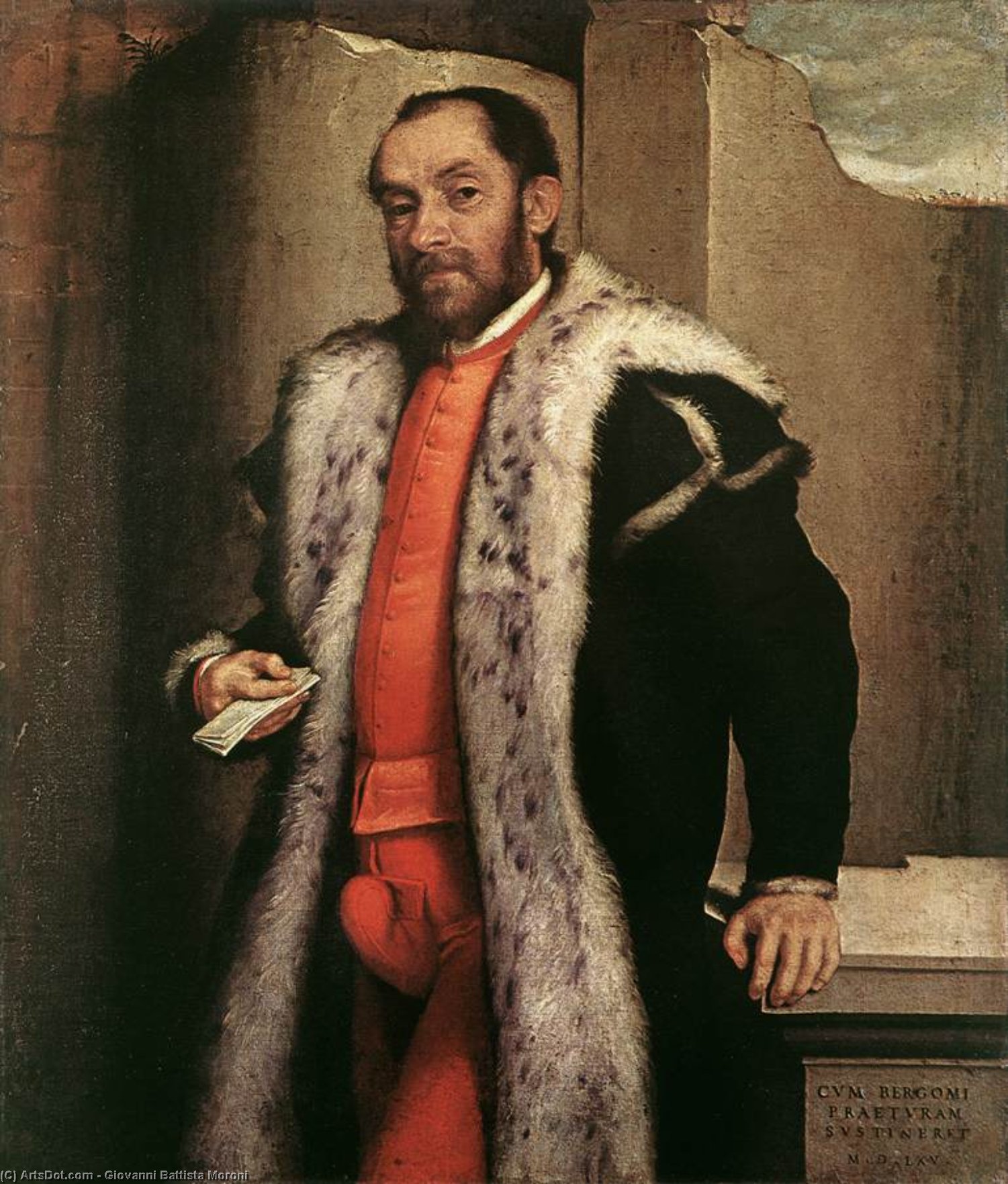
Portrait of Antonio Navagero
 Oil On Canvas
- WallArt
- Mannerist
 1565
1565 115.0 x 90.0 cm
 Pinacoteca di Brera
 Weiterlesen
Handgefertigte Ölreproduktion
Handgemaltes Ölgemälde auf Leinwand in Ihrer Wunschgröße und mit Rahmen, auf Bestellung von unseren Künstlern angefertigt. ( Druck bestellen Bild kaufen)




P118B $10

P118H $10

P118W $10

P438Z $10

P508JH $12

P508YH $12

P805H $10

P805Z $10

P919BZ $10

P919G $10

P919XJ $10

P959ZH $10

P968JZ $12

W106C $8

W218G $10

W218JH $8

W218Y $10

W307PJ $10

W316G $10

W316PJ $8

W316Y $10

W398PJ $8

W4111J $10

W500HY $15

W500JH $15

W692G $12

W849H $8

W940BG $15

W953PJ $8




Wählen Sie aus unseren vordefinierten Formaten, die den ursprünglichen Proportionen des Kunstwerks entsprechen.

Sie können Ihre eigenen Maße eingeben, um einen bestimmten Rahmen oder Platz auszufüllen. Wenn die gewählte Größe nicht den Proportionen des Originalbildes entspricht, werden wir das Kunstwerk entweder beschneiden oder das Gemälde durch zusätzliche, handgemalte Elemente erweitern. Ein digitales Mockup wird Ihnen zur Genehmigung zugesandt, bevor die Produktion beginnt.
Bitte beachten Sie, dass die Bildschirmvorschau nicht die tatsächliche Beschneidung oder Erweiterung widerspiegelt. Nur das Mockup zeigt die endgültige Komposition exakt an.
Obwohl Sondermaße verfügbar sind, empfehlen wir, eine Größe aus der vordefinierten Liste zu wählen, um die ursprünglichen Proportionen beizubehalten.
Nach der Bestellung wird das ArtsDot.com-Team dem Kunden Anweisungen per E-Mail zusenden und eine Mockup-Vorschau bereitstellen.
Weltweiter Versand () in nur 3 bis 4 Wochen statt der üblichen 5 Wochen. (31 August). Keine Kompromisse bei der Qualität.

Kostenloser weltweiter Expressversand

Hochwertige Leinenleinwand

Umfassender Versicherungsschutz beim Versand

Zollgebühren-Rückerstattungsgarantie

Garantie für exakte Farbtreue

60 Tage Rückgaberecht (nur bei Mängeln)

100% Geld-zurück-Garantie

Mengenrabatt verfügbar
 Die Glasoption ist nur für Größen unter 110 cm verfügbar.

Portrait of Antonio Navagero
Art der Reproduktion
Format der Reproduktion
-


Gesamtpreis
$ 263
A Portrait of Power and Quiet Dignity: Giovanni Battista Moroni’s Antonio Navagero
Giovanni Battista Moroni's "Portrait of Antonio Navagero," painted in 1565, is more than just a likeness; it’s a carefully constructed tableau of Venetian power, civic responsibility, and the subtle artistry that defined the artist’s distinctive style. The painting, now residing within the Pinacoteca di Brera in Milan, immediately draws the eye with its rich palette – deep reds, luxurious browns, and shimmering golds – all expertly rendered through Moroni's masterful use of oil paint on canvas. The subject himself, Antonio Navagero, the *Podestà* (chief magistrate) of Bergamo at the time, is presented not as a conquering hero or a flamboyant nobleman, but as a man of quiet authority, embodying the virtues expected of a high-ranking official within the complex political landscape of Renaissance Italy.The Anatomy of a Portrait: Technique and Style
Moroni’s approach to portraiture in this piece diverges significantly from the grand, theatrical styles favored by Titian or Tintoretto. Instead, he embraces a more intimate, almost bourgeois sensibility, reminiscent of Veronese but imbued with a uniquely Moronian depth. The composition is remarkably focused – a close-up study of Navagero’s face and upper body – creating an immediate sense of connection with the subject. The artist skillfully employs *impasto*, building up thick layers of paint to capture the textures of the fur-lined coat, the intricate details of his clothing, and even the subtle sheen of his polished boots. Note particularly the rendering of the fabric; it’s not merely painted flat but appears to possess a palpable weight and volume, reflecting Moroni's meticulous attention to detail. The lighting is dramatic, originating from an unseen source above and slightly to the left, casting strong shadows that define Navagero’s features and adding a sense of three-dimensionality to the image. The use of perspective is deliberately shallow, typical of portraiture during this period, prioritizing likeness and psychological insight over strict spatial accuracy.Symbolism Woven into the Fabric of Power
Beyond its technical brilliance, “Portrait of Antonio Navagero” is rich in symbolic meaning. The opulent attire – a deep red tunic, a richly embroidered coat, and a magnificent fur-lined cloak – immediately signifies Navagero’s elevated social status and wealth. The choice of fur, particularly the luxurious sable, was a potent symbol of power and prestige during this era, reserved for the wealthiest and most influential figures. The pose itself is carefully considered; Navagero stands with his gaze directed slightly off to the side, projecting an air of thoughtful contemplation rather than overt arrogance. This subtle gesture suggests a man accustomed to leadership but also aware of the responsibilities that come with it. The inscription at the bottom of the painting – “CUM BERGOMI PRAETURAM SUSTINERET M.D.LXV” – confirms the date and location of the portrait, further anchoring it within its historical context.A Window into a Renaissance Mind: Moroni’s Humanism
Giovanni Battista Moroni's work represents a fascinating intersection of artistic skill and humanist ideals. Unlike many of his contemporaries who focused solely on glorifying patrons through grand displays of wealth and power, Moroni seemed genuinely interested in capturing the essence of his subjects – their personalities, their aspirations, and even their vulnerabilities. “Portrait of Antonio Navagero” exemplifies this approach, offering a remarkably intimate glimpse into the life of a prominent Venetian official. It’s a testament to Moroni's ability to elevate a simple portraiture commission into something far more profound—a meditation on power, status, and the quiet dignity of human experience. The painting invites us to contemplate not just the outward appearance of Navagero but also the inner world that shaped his actions and decisions. Reproductions of this piece offer a beautiful opportunity to bring this nuanced portrait into any space, adding a touch of Renaissance sophistication and thoughtful contemplation.Ähnliche Kunstwerke
Über den Künstler
Giovanni Battista Moroni: Leben und Erbe
Giovanni Battista Moroni, geboren 1520 in Albino nahe Bergamo, Italien, war eine zentrale Figur der italienischen Kunst des Cinquecento und gilt als einer der bedeutendsten Mannieristen seiner Zeit. Sein Vater, Andrea Moroni, zeichnete sich als Architekt aus und schuf somit eine künstlerisch prägende Umgebung für seinen Sohn. Bereits früh erhielt Moroni seine Ausbildung bei Alessandro Bonvicino (Moretto da Brescia), dessen Einfluss auf seine künstlerische Entwicklung besonders tiefgreifend war. Diese frühe Lehre legte den Grundstein für sein außergewöhnliches Können im Umgang mit Farbe und Licht – Eigenschaften, die ihn zu einem Meister seines Genres erhoben.Frühes Leben und Ausbildung
Moroni zog später durch verschiedene italienische Städte um und fand seinen Wirkungsort schließlich in Trento, wo er Kontakte zu Künstlern wie Tizian und dem Bischof Cristoforo Madruzzo knüpfte. Besonders intensiv prägte ihn der Einfluss von Tizian, dessen Verwendung von Farbe und Lichttechniken eine entscheidende Rolle bei seiner künstlerischen Entwicklung spielten. Diese Begegnungen mit anderen bedeutenden Künstlern des jeweiligen Zeitgeistes erweiterten seinen Horizont und inspirierten ihn zu neuen kreativen Ansätzen.
Künstlerische Entwicklung und Einflüsse
Während seiner Tätigkeit in Brescia entwickelte Moroni einen eigenen Stil, der sich von den klassischen Formen der Renaissance abhänigte. Er orientierte sich zunehmend an den künstlerischen Entwicklungen des Mannierismus und dessen Fokus auf Ausdruckskraft und Emotionen. Diese Bewegung hatte bereits Künstler wie Parmigianino und Bronzino beeinflusst und Moroni konnte diese Tradition erfolgreich aufgreifen.
Wesentliche Merkmale seiner Werke
Moronis Gemälde zeichnen sich durch eine besondere Sensibilität für die Darstellung menschlicher Figuren aus. Er setzte auf natürliche Farben und Lichtverhältnisse, um ein Gefühl von Lebendigkeit und Tiefe zu erzeugen – eine Technik, die auch heute noch beeindruckt. Besonders hervorzuheben ist seine außergewöhnliche Fähigkeit zur psychologischen Analyse seiner Modelle. Durch detaillierte Studien der Gesichtsausdrücke und Körperhaltung gelang es ihm, die Persönlichkeit seiner Sitters mit großer Präzision einzufangen.
Bekannte Werke
Zu seinen bekanntesten Werken zählen insbesondere zahlreiche Porträts von Mitgliedern des lokalen Adels und des Klerus sowie religiöse Gemälde wie „Die Geburt Christi mit Gott Vater und dem Heiligen Geist“. Diese Werke sind nicht nur beeindruckende technische Leistungen, sondern auch Fenster zur Welt der Renaissance und bieten einen einzigartigen Einblick in die künstlerischen Ideen und Werte seiner Zeit. Besonders beeindruckend ist seine Darstellung von Gian Lodovico Madruzzo und zahlreiche andere Porträts von wichtigen Persönlichkeiten des Cinquecento.
Moroni gilt als einer der wichtigsten Vertreter des italienischen Mannierismus und wird bis heute für seine außergewöhnliche künstlerische Sensibilität und sein Meisterhafte Können gefeiert. Seine Werke sind ein unverzichtbarer Bestandteil des Kunstgeschichte und erinnern uns an die Schönheit und Tiefe der Renaissance.
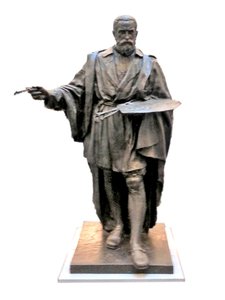
Moroni, Giovanni Battista
1520 - 1578 , Italien
Kurzinfos
- Artistic Movement Or Style: Mannerismus
- Artists Or Movements Influenced By This Artist:
- Fra' Galgario
- Pietro Longhi
- Artists Who Influenced This Artist:
- Titian
- Alessandro Bonvicino
- Date Of Birth: 1520
- Full Name: Giovanni Battista Moroni
- Nationality: Italienisch
- Notable Artworks:
- Die Geburt Christi mit Gott Vater und dem Heiligen Geist
- Amphitheater von Verona
- Place Of Birth: Albino, Italien
Ähnliche Artikel
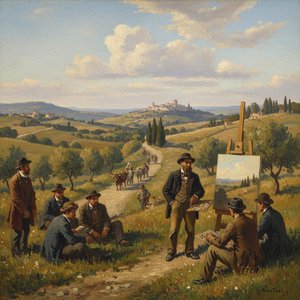
Giovanni Fattori: Realismus, Identität und die toskanische Landschaft – Ein Meister der Macchiaioli
Entdecken Sie Giovanni Fattori und die Macchiaioli! Erfahren Sie mehr über den italienischen Realismus, seine historischen Wurzeln und die einzigartige Darstellung der toskanischen Landschaft. Expertenwissen für Kunstliebhaber.

Giovanni Battista Piranesi: Visionary of Ruins & Architect of Imagination
Explore the life & work of Giovanni Battista Piranesi, master etcher of Roman views & creator of the haunting 'Carceri d'Invenzione'. Discover his architectural vision and lasting influence on art history.

Giovanni Giacometti: Sculpting Existentialism – A Study of Form, Space, and the Human Condition
Explore the profound artistic journey of Giovanni Giacometti, father to Alberto. Discover his unique transition from Surrealism to Existentialist sculpture and painting – a compelling study for elite collectors and art enthusiasts.
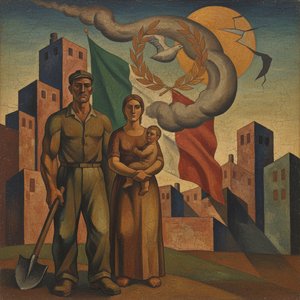
Mario Sironi: Eine Poetik der modernen italienischen Identität zwischen Symbolismus und Gesellschaftskritik
Entdecken Sie Mario Sironis wegweisendes Werk und seine Auseinandersetzung mit der italienischen Identität. Analysen, Biografie, Novecento Italiano & die politische Dimension – Expertenwissen auf ArtsDot.
Bürgerliche Tugend und künstlerische Rivalität: Mäzenatentum und Innovation in den italienischen Renaissance-Republiken, 1400–1600
Entdecken Sie die faszinierende Welt des Renaissance-Mäzenatentums! Expertenwissen über Florenz, Venedig, Medici und den Einfluss von Kunst & Humanismus. Jetzt lesen!


