

 Vorschau anzeigen
 Versenden
 Teilen
 Details anzeigen

 Herunterladen
 Ähnliche Objekte
 Röntgenaufnahme
 Diashow
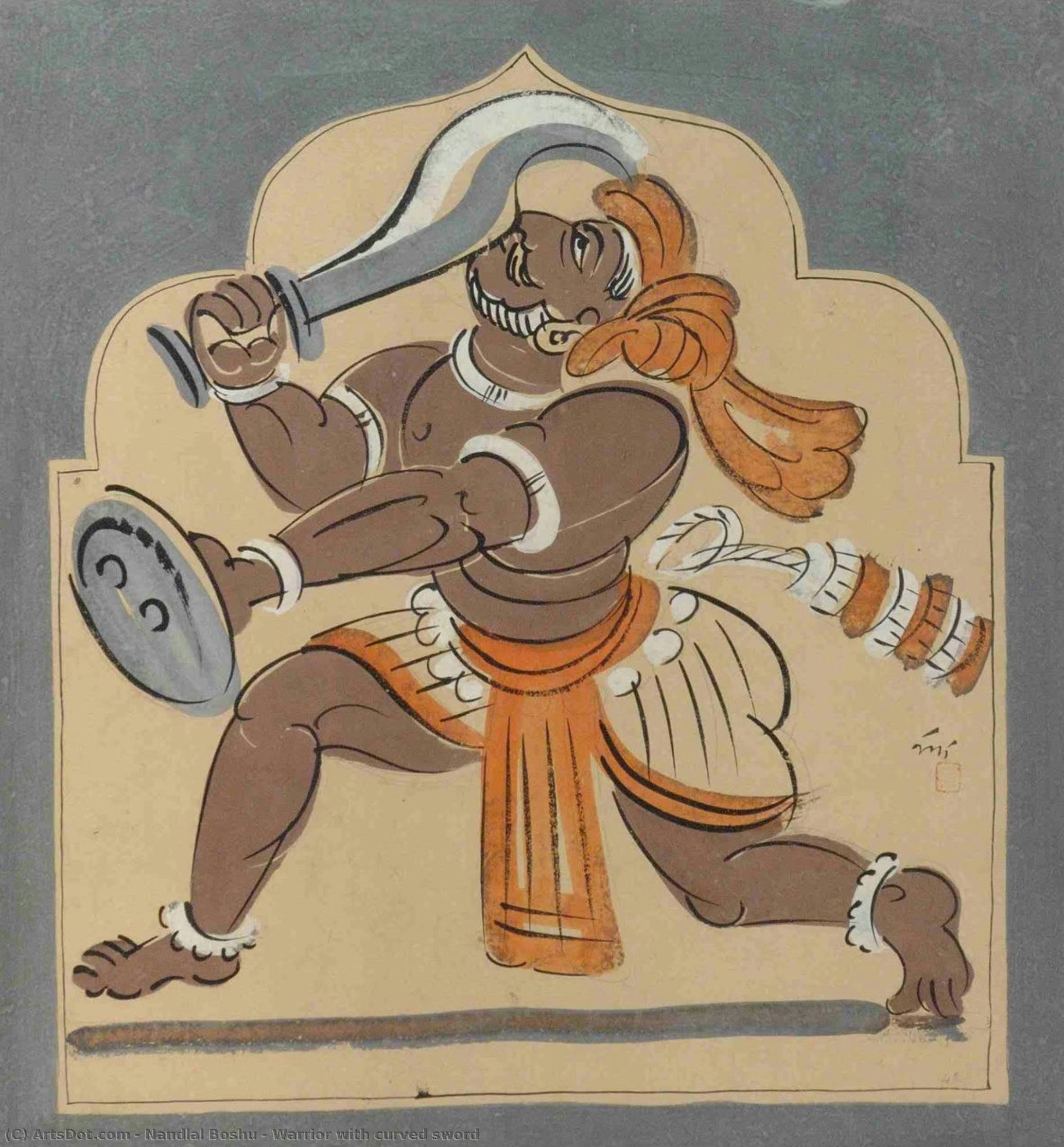
Warrior with curved sword


 Weiterlesen
Handgefertigte Ölreproduktion
Handgemaltes Ölgemälde auf Leinwand in Ihrer Wunschgröße und mit Rahmen, auf Bestellung von unseren Künstlern angefertigt. ( Druck bestellen Bild kaufen)




P118B $10

P118H $10

P118W $10

P438Z $10

P508JH $12

P508YH $12

P805H $10

P805Z $10

P919BZ $10

P919G $10

P919XJ $10

P959ZH $10

P968JZ $12

W106C $8

W218G $10

W218JH $8

W218Y $10

W307PJ $10

W316G $10

W316PJ $8

W316Y $10

W398PJ $8

W4111J $10

W500HY $15

W500JH $15

W692G $12

W849H $8

W940BG $15

W953PJ $8




Wählen Sie aus unseren vordefinierten Formaten, die den ursprünglichen Proportionen des Kunstwerks entsprechen.

Sie können Ihre eigenen Maße eingeben, um einen bestimmten Rahmen oder Platz auszufüllen. Wenn die gewählte Größe nicht den Proportionen des Originalbildes entspricht, werden wir das Kunstwerk entweder beschneiden oder das Gemälde durch zusätzliche, handgemalte Elemente erweitern. Ein digitales Mockup wird Ihnen zur Genehmigung zugesandt, bevor die Produktion beginnt.
Bitte beachten Sie, dass die Bildschirmvorschau nicht die tatsächliche Beschneidung oder Erweiterung widerspiegelt. Nur das Mockup zeigt die endgültige Komposition exakt an.
Obwohl Sondermaße verfügbar sind, empfehlen wir, eine Größe aus der vordefinierten Liste zu wählen, um die ursprünglichen Proportionen beizubehalten.
Nach der Bestellung wird das ArtsDot.com-Team dem Kunden Anweisungen per E-Mail zusenden und eine Mockup-Vorschau bereitstellen.
Weltweiter Versand () in nur 3 bis 4 Wochen statt der üblichen 5 Wochen. (31 August). Keine Kompromisse bei der Qualität.

Kostenloser weltweiter Expressversand

Hochwertige Leinenleinwand

Umfassender Versicherungsschutz beim Versand

Zollgebühren-Rückerstattungsgarantie

Garantie für exakte Farbtreue

60 Tage Rückgaberecht (nur bei Mängeln)

100% Geld-zurück-Garantie

Mengenrabatt verfügbar
 Die Glasoption ist nur für Größen unter 110 cm verfügbar.

Warrior with curved sword
Art der Reproduktion
Format der Reproduktion
-


Gesamtpreis
$ 263
The Embodiment of Valor: A Glimpse into Indian Warrior Spirit
To stand before Nandlal Boshu's Warrior with curved sword is to be transported across the threshold of time, into a realm where valor and cultural heritage meet in striking visual harmony. This painting captures more than just a figure armed for battle; it encapsulates the enduring spirit of the Indian warrior—a blend of disciplined strength and profound inner resolve. The central figure dominates the composition, his posture radiating an almost palpable sense of determination. His gaze, fixed outward, suggests a readiness not merely for conflict, but for upholding principles. Boshu masterfully renders this intensity, allowing the viewer to feel the weight of history resting upon the man's shoulders.
Artistic Style and Technique: A Fusion of Tradition
Nandlal Bose’s signature style, often described as an "Indian style," is evident here in its rich synthesis of traditional Indian motifs with influences that hint at Persian artistry. The technique employed suggests a deep understanding of folk narrative painting traditions, yet executed with the polish of a master academic painter. Observe the handling of the drapery and the musculature; they are rendered with a vitality that belies their stillness on the canvas. The curved sword itself is not just an accessory but a crucial compositional element, its graceful arc mirroring the dynamic energy contained within the warrior's stance. In the background, the inclusion of secondary figures against architectural elements—the wall and doorway—grounds the heroic portrait in a specific, lived-in moment, suggesting that this readiness for action is part of daily life.
Symbolism and Cultural Resonance
The symbolism within Warrior with curved sword is layered and deeply resonant. The weapon itself, the curved sword, speaks to martial prowess, but in the context of Boshu’s oeuvre, it often transcends mere violence. It becomes a symbol of righteous defense—the defense of culture, honor, or belief. Coupled with the determined facial expression, the painting invites contemplation on what modern-day battles require us to fight for. The presence of other figures subtly suggests community and lineage; the warrior is not isolated in his strength but supported by a cultural backdrop.
A Piece for Contemplation and Interior Grandeur
For the collector or designer, this artwork offers more than mere decoration; it provides a narrative anchor for any space. Its vibrant yet earthy palette, characteristic of Boshu’s work, allows it to integrate seamlessly into interiors that appreciate global artistry, from richly paneled studies to open-concept living areas seeking an infusion of cultural depth. Owning a reproduction of this piece is acquiring a tangible connection to the pioneering spirit of modern Indian art. It serves as a powerful focal point, encouraging quiet contemplation and celebrating the timeless virtues of courage and conviction.
Über den Künstler
early life and career
Nandalal Bose, a titan of modern Indian art, was born on December 3rd, 1882, in Haveli Kharagpur—a location somewhat understated compared to the grandeur of his artistic legacy—one of the more obscure corners of Munger district, Bihar. His upbringing wasn’t marked by privilege; rather, he emerged from a middle-class Bengali family where his father served as a manager under the Raja of Dharbhanga, and his mother practiced her craft –creating toys for their children –demonstrating an early exposure to artistic traditions. Nandlal grew up alongside four siblings—two sisters and two brothers—a formative experience that instilled in him a fascination with visual representation from a young age. Unlike many aspiring artists of his time, Bose faced considerable resistance from his family regarding pursuing art as a vocation. Yet, he possessed an unwavering conviction in his passion and talent, propelling him to overcome these obstacles and ultimately establishing himself as one of India’s most celebrated painters of the 20th century. Throughout his remarkable career, Bose garnered the trust and respect of the Indian Government, accepting assignments that demanded exceptional creativity and dedication. His artistic journey began with a profound influence—the murals of Ajanta Caves—which ignited his imagination and shaped his stylistic sensibilities. He enrolled at Calcutta School of Art, where he honed his skills under Abanindranath Tagore, absorbing techniques and philosophies that would become integral to his distinctive approach. This association extended beyond mere instruction; it fostered a collaborative spirit and cemented Bose’s commitment to reviving classical Indian culture alongside fellow artists and writers.artistic style and contributions
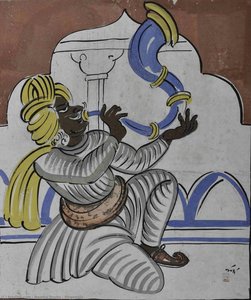
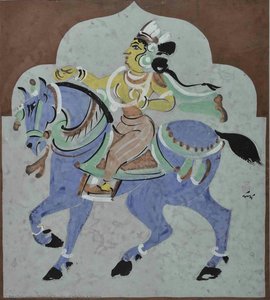
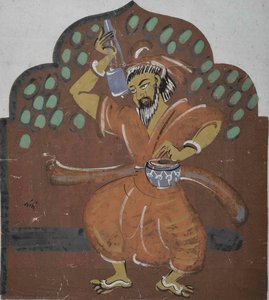
Bose's artistic signature was undeniably “Indian Style,” a breathtaking fusion of traditional Bengali aesthetics with elements drawn from Persian art. He skillfully blended symbolism, color palettes, and compositional strategies—drawing inspiration from both Eastern and Western traditions—resulting in artworks that resonated deeply with the spirit of his era. His oeuvre encompassed scenes depicting Indian mythology—particularly Hindu deities—women’s portraits imbued with grace and dignity—and evocative depictions of rural life capturing the essence of village communities. These subjects weren't merely representations; they were vehicles for conveying profound philosophical ideas and celebrating India’s cultural heritage. Bose’s artistic prowess earned him widespread acclaim, securing his place as one of the pioneers of modern Indian art. Notable among his creations are:- A Lion (59 x 63 cm):
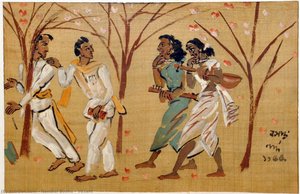
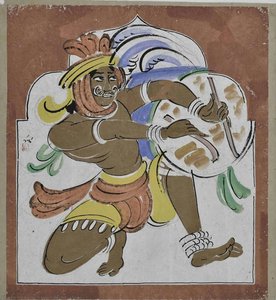
- Dhol Wala (59 x 63 cm):
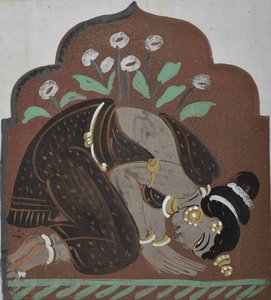
- Pranam (50 x 55 cm):
influence and Recognition
Bose’s impact on Indian art extends far beyond his individual masterpieces. He was entrusted with the monumental task of illustrating the Constitution of India—a symbolic gesture reflecting his unwavering belief in democratic values—and he received the Padma Vibhushan, India's highest honor for artistic achievement, recognizing his contribution to the nation’s cultural landscape. Furthermore, the Archaeological Survey of India honored him as one of “the nine artists” whose work embodies India’s artistic heritage—a distinction that underscores the enduring significance of Bose’s legacy. Today, over 7,000 of his paintings reside in the National Gallery of Modern Art in Delhi—a tangible reminder of his prolific output and unwavering devotion to his craft.Legacy
Nandalal Bose's contribution to Indian art is immeasurable. He wasn’t merely a painter; he was a cultural ambassador who championed artistic excellence while advocating for social justice. His work continues to inspire artists and scholars alike, ensuring that his vision—a harmonious blend of tradition and innovation—remains relevant in the 21st century. Bose's enduring influence serves as an inspiration for future generations of artists striving to capture the beauty and complexity of the human experience through visual expression.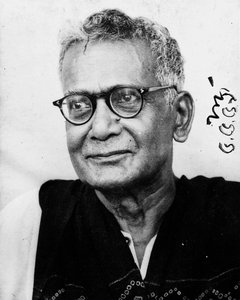
Nandalal Bose
1882 - 1966 , Indien
Kurzinfos
- Artistic Movement Or Style: Indischer Stil
- Artists Who Influenced This Artist: ['Abanindranath Tagore']
- Date Of Birth: 3. Dezember 1882
- Date Of Death: 16. April 1966
- Full Name: Nandalal Bose
- Nationality: Indien
- Notable Artworks:
- Ein Löwe
- Dhol Wala
- Pranam
- Place Of Birth: Kharagpur, Indien
Ähnliche Artikel
Raja Ravi Varma: Bridging Tradition & Modernity in 19th-Century Indian Art
Explore the life & art of Raja Ravi Varma, a pioneer who fused European techniques with Indian iconography. Discover his iconic paintings, lasting legacy, and influence on modern Indian art at ArtsDot.
Echoes of Tradition: Exploring the Enduring Legacy of Folk Art Movements
Explore the rich history of folk art movements worldwide! Discover definitions, notable artists, and the enduring legacy of this captivating tradition. Expert insights & high-quality reproductions at ArtsDot.
Edward Hicks’ ‘Peaceable Kingdom’: American Folk Art & the Shaping of a National Identity
Explore the profound symbolism & historical context of Edward Hicks’ ‘Peaceable Kingdom.’ Discover how this iconic American folk art masterpiece reflects Quaker values and shaped a nation's identity. Learn more at ArtsDot.
Maria Primachenko: A Legacy of Ukrainian Folk Art & Naive Expression
Discover the captivating world of Maria Primachenko, Ukraine's celebrated naive artist. Explore her vibrant paintings, unique style, and enduring legacy with ArtsDot – your source for authentic art insights & reproductions.
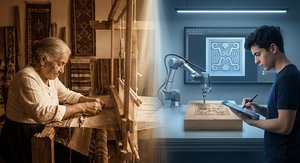
Echoes of Heritage: Continuity & Innovation in Traditional Art Forms
Explore the rich history of cultural heritage & folk art traditions worldwide! Discover inspiring artists, preservation efforts, and museum collections. Find handmade oil paintings & expert insights at ArtsDot.

