

 Vorschau anzeigen
 Versenden
 Teilen
 Details anzeigen

 Herunterladen
 Ähnliche Objekte
 Röntgenaufnahme
 Diashow
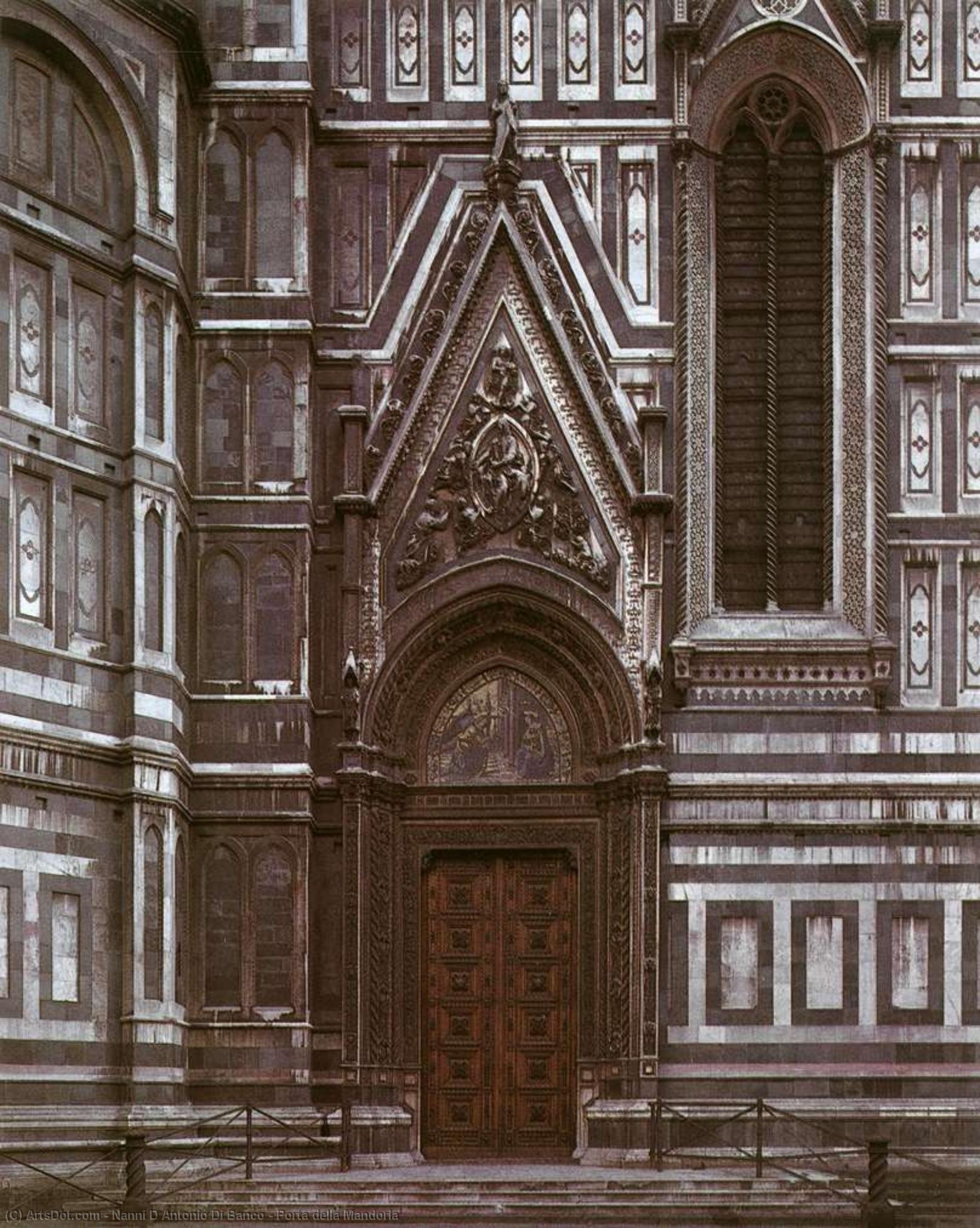
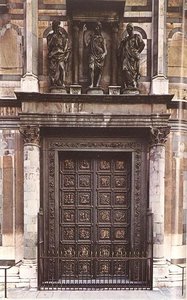
Porta della Mandorla


 Weiterlesen
Handgefertigte Ölreproduktion
Handgemaltes Ölgemälde auf Leinwand in Ihrer Wunschgröße und mit Rahmen, auf Bestellung von unseren Künstlern angefertigt. ( Druck bestellen Bild kaufen)




P118B $10

P118H $10

P118W $10

P438Z $10

P508JH $12

P508YH $12

P805H $10

P805Z $10

P919BZ $10

P919G $10

P919XJ $10

P959ZH $10

P968JZ $12

W106C $8

W218G $10

W218JH $8

W218Y $10

W307PJ $10

W316G $10

W316PJ $8

W316Y $10

W398PJ $8

W4111J $10

W500HY $15

W500JH $15

W692G $12

W849H $8

W940BG $15

W953PJ $8




Wählen Sie aus unseren vordefinierten Formaten, die den ursprünglichen Proportionen des Kunstwerks entsprechen.

Sie können Ihre eigenen Maße eingeben, um einen bestimmten Rahmen oder Platz auszufüllen. Wenn die gewählte Größe nicht den Proportionen des Originalbildes entspricht, werden wir das Kunstwerk entweder beschneiden oder das Gemälde durch zusätzliche, handgemalte Elemente erweitern. Ein digitales Mockup wird Ihnen zur Genehmigung zugesandt, bevor die Produktion beginnt.
Bitte beachten Sie, dass die Bildschirmvorschau nicht die tatsächliche Beschneidung oder Erweiterung widerspiegelt. Nur das Mockup zeigt die endgültige Komposition exakt an.
Obwohl Sondermaße verfügbar sind, empfehlen wir, eine Größe aus der vordefinierten Liste zu wählen, um die ursprünglichen Proportionen beizubehalten.
Nach der Bestellung wird das ArtsDot.com-Team dem Kunden Anweisungen per E-Mail zusenden und eine Mockup-Vorschau bereitstellen.
Weltweiter Versand () in nur 3 bis 4 Wochen statt der üblichen 5 Wochen. (20 August). Keine Kompromisse bei der Qualität.

Kostenloser weltweiter Expressversand

Hochwertige Leinenleinwand

Umfassender Versicherungsschutz beim Versand

Zollgebühren-Rückerstattungsgarantie

Garantie für exakte Farbtreue

60 Tage Rückgaberecht (nur bei Mängeln)

100% Geld-zurück-Garantie

Mengenrabatt verfügbar
 Die Glasoption ist nur für Größen unter 110 cm verfügbar.

Porta della Mandorla
Art der Reproduktion
Format der Reproduktion
-


Gesamtpreis
$ 263
Beschreibung des Kunstwerks
Nanni di Banco: Bridging Gothic Echoes with Renaissance Vision
Giovanni di Antonio di Banco, universally known as Nanni di Banco (c. 1380 – 1421), stands as a pivotal figure in the nascent Florentine Renaissance—a sculptor who skillfully navigated the fading grandeur of Gothic tradition while simultaneously embracing the burgeoning humanist ideals reshaping his city’s artistic landscape. Unlike contemporaries like Donatello, whose dynamism captivated audiences with bold experimentation, Nanni’s contribution lay in synthesizing these opposing forces, resulting in artworks imbued with a quiet dignity and profound naturalism that distinguished them from their time.
Born around 1380 in Florence, Nanni’s formative years unfolded within the vibrant crucible of the Florentine workshop culture. His father, Antonio di Banco—a respected stonemason and architect—was deeply involved in the ambitious undertaking of constructing the Florence Cathedral (Duomo), providing Nanni with invaluable familial guidance and access to the very epicenter of Florentine artistic production. This grounding in established craftsmanship ensured that Nanni absorbed the stylistic conventions prevalent during his youth, mirroring the prevailing aesthetic sensibilities while simultaneously witnessing the stirrings of a transformative era.
His training likely commenced within the workshop of Lorenzo di Filippo Brunelleschi and Giovanni d’Ambrogio—masters who spearheaded the initial phase of Duomo decoration. These formative experiences instilled in Nanni a deep understanding of Gothic architectural principles, particularly evident in the soaring arches and intricate stonework characteristic of Florentine churches. Simultaneously, he absorbed influences from classical Roman sculpture, recognizing its emphasis on idealized forms and harmonious proportions – elements that would soon become integral to his artistic idiom.
The Quattro Coronati: A Synthesis of Styles
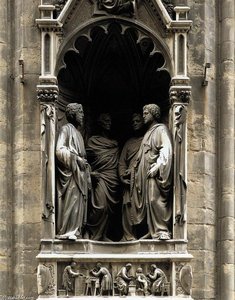
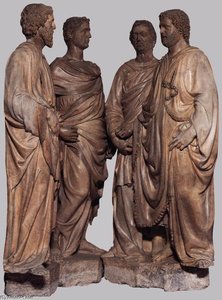
Perhaps Nanni’s most celebrated achievement is the magnificent quartet of alabaster medallions known as the *Quattro Coronati*, commissioned for the Cappella Maggiore of Santa Maria del Fiore. These sculptures represent the Evangelists Matthew, Mark, Luke and John—figures revered in Christian iconography—and exemplify Nanni's masterful fusion of Gothic drapery patterns with classical sculptural techniques. The drapery folds are rendered with meticulous detail, capturing the subtle nuances of fabric texture and movement—a hallmark of Gothic art—yet they adhere to the idealized proportions favored by Renaissance sculptors.
The Quattro Coronati serve as a testament to Nanni’s ability to transcend stylistic boundaries, demonstrating that artistic innovation doesn't necessarily necessitate abandoning established traditions. Instead, it involves reimagining them through a new lens—one informed by humanist ideals and enriched by the rediscovery of classical antiquity.
Porta della Mandorla: A Masterpiece of Naturalism
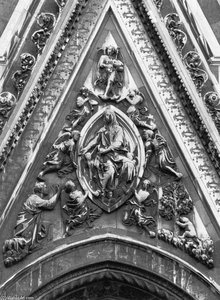
Nanni’s enduring legacy rests primarily on his monumental sculpture for the Porta della Mandorla, the northern door of Florence Cathedral. Initiated in 1391 and completed around 1421—after Nanni's untimely death—this ambitious project represents a cornerstone of Florentine Renaissance art. The relief depicts Jesus Christ holding the Virgin Mary’s hand as he descends from Heaven, symbolizing the Ascension of Christ and commemorating the Miracle of Mercy.
Unlike many sculptures of his time that prioritized stylized representations and formal grandeur, Nanni achieved remarkable naturalism in this monumental work. He meticulously studied human anatomy—drawing inspiration from Roman sculpture—to capture the expressive gestures and subtle musculature of Christ’s figure with unprecedented accuracy. The drapery folds are rendered with painstaking detail, conveying a sense of weightlessness and movement that imbues the scene with palpable emotion.
The Porta della Mandorla stands as an unparalleled exemplar of Nanni di Banco's artistic vision—a testament to his unwavering commitment to humanist principles and his profound understanding of sculptural technique. It remains a source of inspiration for artists and collectors alike, embodying the harmonious blend of Gothic elegance and Renaissance naturalism that defines Florentine art’s transformative period.
Ähnliche Kunstwerke
Über den Künstler
Nanni d'Antonio di Banco: Leben und Vermächtnis
Frühes Leben und Ausbildung
- Um 1380 in Florenz, Italien geboren, entwickelte sich Nanni di Banco zu einem bedeutenden Bildhauer der Frührenaissance.
- Details über sein frühes Leben und seine formale Ausbildung sind etwas spärlich, aber er profitierte zweifellos von der blühenden Kunstszene in Florenz.
- Er absolvierte wahrscheinlich eine Lehre in einer lokalen Werkstatt, wobei er die vorherrschenden gotischen Traditionen aufnahm und gleichzeitig die aufkommenden Humanistenideale beobachtete, die seine Arbeit prägen würden.
Künstlerische Entwicklung & Einflüsse
- Di Bancos Stil repräsentiert einen entscheidenden Übergang zwischen der Spätgotik und der voll entwickelten Renaissance-Ästhetik.
- Er war Zeitgenosse bedeutender Künstler wie Donatello und Lorenzo Ghiberti, und obwohl sich ihre individuellen Stile unterschieden, trugen sie alle zum künstlerischen Aufbruch in Florenz bei.
- Frühe Einflüsse umfassten wahrscheinlich den Internationalen Gotikstil, der in der florentinischen Bildhauerei vorherrschte und durch elegante Gewänder und raffinierte Details gekennzeichnet war.
- Er integrierte jedoch zunehmend Elemente der klassischen Antike – ein Kennzeichen der Renaissance – in seine Skulpturen und strebte nach größerer Natürlichkeit und anatomischer Genauigkeit.
Wichtige Leistungen & Bemerkenswerte Werke
- Sein berühmtestes Werk ist zweifellos die Quattro Santi Coronati (Vier Gekrönte Märtyrer) (1412-1415), die von der Steinmetz- und Holzwertschneidergilde für die Kirche Orsanmichele in Florenz in Auftrag gegeben wurde.
- Diese Skulpturengruppe zeichnet sich nicht nur durch ihren auffälligen Naturalismus aus – jede Figur besitzt eine ausgeprägte Persönlichkeit –, sondern auch durch ihre komplexe Konstruktion als einheitliches Ensemble.
- Di Banco trug auch zum Porta della Mandorla (1414-1420) am Baptisterium von Florenz bei und arbeitete dabei mit anderen Bildhauern zusammen. Seine Tafeln zeigen Szenen aus dem Leben der Jungfrau Maria.
- Zu den weiteren bemerkenswerten Werken gehören Skulpturen des Heiligen Lukas und Hesekiels, die seine Fähigkeit demonstrieren, individuelle Charakterzüge und Emotionen darzustellen.
Künstlerischer Stil & Merkmale
- Di Bancos Stil ist durch ein Gefühl von zurückhaltendem Klassizismus gekennzeichnet. Er vermied den dramatischen Ausdruck, der von Donatello bevorzugt wurde, und entschied sich stattdessen für einen würdevolleren und serenere Ansatz.
- Seine Figuren sind im Allgemeinen massiv und wohlproportioniert, wobei großen Wert auf anatomische Details gelegt wird.
- Er setzte Gewänder geschickt ein, um Volumen und Bewegung zu erzeugen, während er gleichzeitig ein Gefühl von Haltung und Ausgeglichenheit bewahrte.
- Ein wesentlicher Aspekt seiner Arbeit ist die Individualisierung seiner Figuren; jeder Heilige oder biblische Charakter besitzt einzigartige Merkmale und Gesichtsausdrücke.
Historische Bedeutung & Vermächtnis
- Nanni di Banco spielte eine entscheidende Rolle beim Übergang von der gotischen zur Renaissance-Bildhauerei und ebnete den Weg für spätere Meister wie Donatello und Michelangelo.
- Sein Schwerpunkt auf Naturalismus, anatomischer Genauigkeit und individualisiertem Porträt half dabei, neue Standards für die bildhauerische Darstellung zu etablieren.
- Giorgio Vasari nahm in seinen „Leben der berühmtesten Maler, Bildhauer und Architekten“ eine Biographie von Di Banco auf und würdigte damit seine Bedeutung innerhalb der florentinischen Kunsttradition.
- Obwohl er vielleicht weniger gefeiert ist als einige seiner Zeitgenossen, bleibt Nanni di Banco eine bedeutende Figur in der Frührenaissance-Kunst und repräsentiert einen entscheidenden Schritt hin zu den künstlerischen Leistungen der Hochrenaissance.
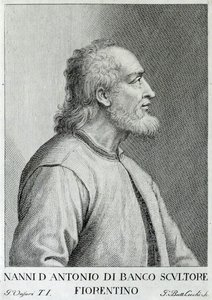
nanni d antonio di banco
1380 - 1421 , Italien
Kurzinfos
- Artistic Movement Or Style: Frührenaissance
- Artists Or Movements Influenced By This Artist: ['Donatello']
- Artists Who Influenced This Artist: ['International Gotikstil']
- Date Of Birth: ca. 1380
- Date Of Death: 1421
- Full Name: Nanni di Banco
- Nationality: Italienisch
- Notable Artworks:
- Quattro Santi Coronati
- Porta della Mandorla
- Place Of Birth: Florenz, Italien
Ähnliche Artikel

Giotto di Bondone: Die 25 Meisterwerke des Frührenaissance – Kunst für Ihr Zuhause
Entdecken Sie die 25 Meisterwerke von Giotto di Bondone! Erleben Sie die Frührenaissance, religiöse Kunst & ikonische Fresken wie in der Scrovegni Kapelle. Hochwertige Kunstdrucke online bei ArtsDot.com – für zeitlose Eleganz in Ihrem Zuhause.

Bronze-Meisterwerke: Die 10 Skulpturen, die Kunstgeschichte schrieben | ArtsDot
Entdecken Sie die 10 legendärsten Bronze Skulpturen der Kunstgeschichte! Von Michelangelo bis Rodin – erfahren Sie die Geschichten hinter den Meisterwerken und lassen Sie sich von Wanddeko-Ideen inspirieren. Hochwertige Kunstdrucke auf ArtsDot.com.

The Enduring Form: Exploring Themes & Techniques in Sculpture Across Historical Periods
Explore the rich history of sculpture from ancient masterpieces to contemporary innovations. Discover key techniques, influential artists & investment potential for discerning art collectors.

Die 10 legendärsten Bronzestatuen: Meisterwerke, die Kunstgeschichte schrieben | ArtsDot
Entdecken Sie die 10 legendärsten Bronzestatuen der Kunstgeschichte! Von Rodin bis Michelangelo – erfahren Sie die Geschichten hinter ikonischen Skulpturen und finden Sie hochwertige Reproduktionen für Ihr Zuhause. Jetzt bei ArtsDot entdecken!

Giclée Prints: Archival Quality & Aesthetic Nuances for the Discerning Collector
Explore the world of giclée prints with ArtsDot. Learn about archival quality, aesthetic nuances & investment potential. Expert guidance for discerning art collectors seeking museum-quality reproductions and lasting value.

