

 Vorschau anzeigen
 Versenden
 Teilen
 Details anzeigen

 Herunterladen
 Ähnliche Objekte
 Röntgenaufnahme
 Diashow
 Statistiken
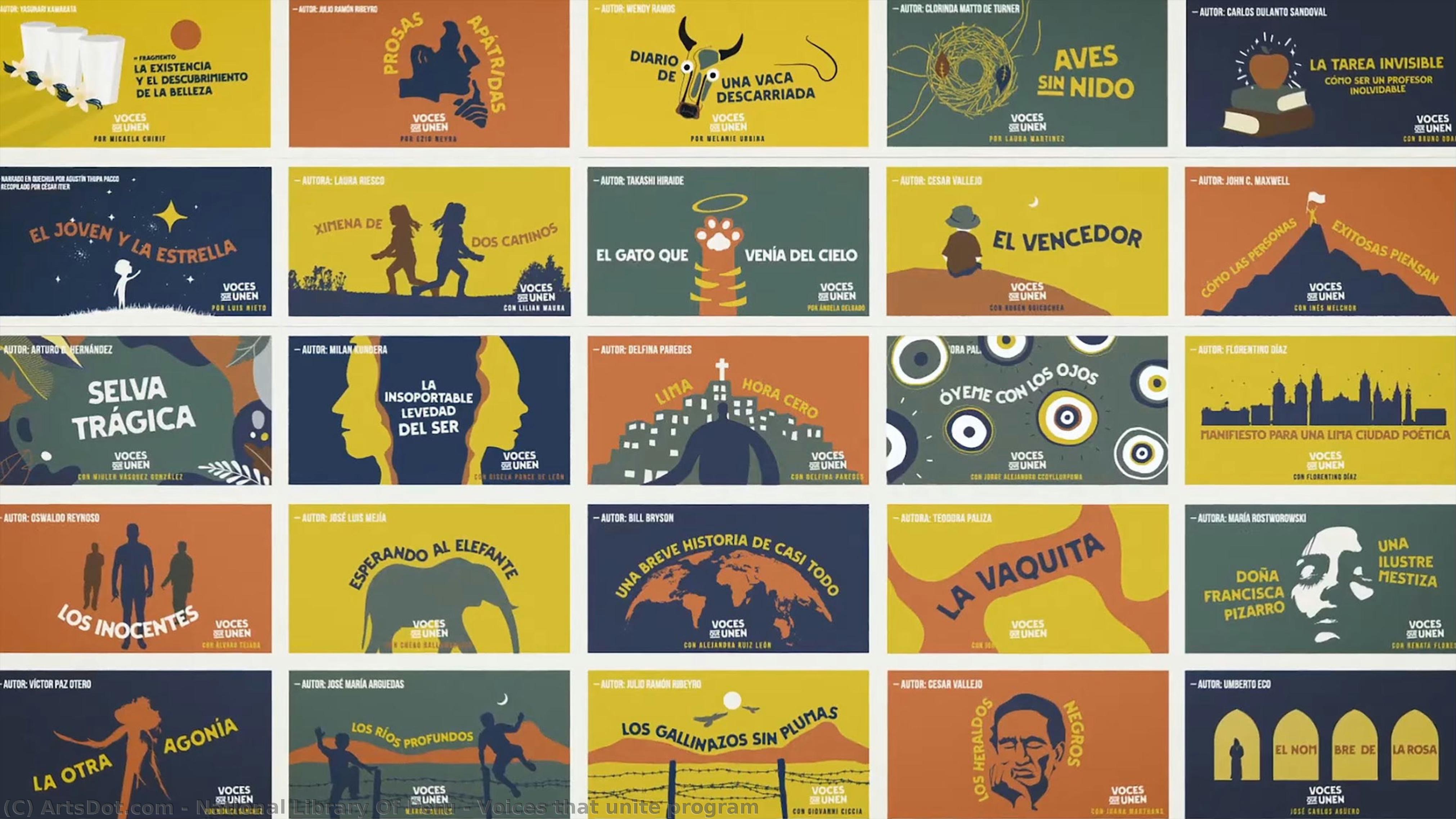
Voices that unite program

 Weiterlesen
Erwerben Sie ein hochauflösendes, optimiertes digitales Bild, das der Online-Vorschau weit überlegen ist.
Jede Datei wird von unseren hauseigenen Spezialisten mit modernsten Werkzeugen und fachmännischer manueller Retusche sorgfältig vorbereitet. Wir stellen sicher, dass jedes Bild eine außergewöhnliche Klarheit, präzise Farbgenauigkeit und feinste Details aufweist.
Die endgültige Datei wird innerhalb von 72 Stunden per E-Mail zugestellt und ist für den sofortigen Einsatz in professionellen, redaktionellen und Druckumgebungen optimiert. Es handelt sich um dieselbe Qualität, der führende Designstudios, Verlage und Galerien vertrauen.
Digitales Bild
Laden Sie eine hochauflösende Datei für die persönliche Präsentation, den Druck und kreative Projekte herunter. ( Zu Druck wechseln Handgemalte Reproduktion bestellen)
In jeder Bestellung digitaler Bilder enthalten
Professionelle digitale Bereitstellung, garantiert
Wenn Sie sich für ArtsDot.com entscheiden, erhalten Sie nicht nur ein Bild – Sie erhalten ein professionell aufbereitetes digitales Kunstwerk, das mit höchster Präzision erstellt und durch eine Zufriedenheitsgarantie abgesichert wird. Hier ist alles, was automatisch mit Ihrer Bestellung geliefert wird:

Schnelle E-Mail-Zustellung
Ihre hochauflösende digitale Bilddatei wird Ihnen innerhalb von 72 Stunden nach der Bestellung per E-Mail zugestellt – bereit zur sofortigen Verwendung.

KI-optimierte digitale Datei
Ihre Kunstwerke werden professionell mithilfe fortschrittlicher KI-Tools und manueller Bearbeitung optimiert, um maximale Detailtreue, Klarheit und Farbgenauigkeit zu gewährleisten.

Lebenslanger kostenloser Neudruckservice
Datei versehentlich gelöscht oder verloren? Keine Sorge – wir senden sie Ihnen jederzeit kostenlos erneut zu.

Keine Einfuhrgebühren – jemals
Genießen Sie Ihr Kunstwerk sofort ohne Zollgebühren, Einfuhrabgaben oder Versandkosten – digitale Downloads sind immer steuerfrei.

Garantierte Farbtreue
Wir garantieren, dass Ihr digitales Bild mithilfe professioneller Werkzeuge und Farbmanagement die Originalfarben so präzise wie möglich wiedergibt.

100-Tage-Zufriedenheitsgarantie
Wenn Sie mit Ihrem digitalen Bild nicht zufrieden sind, werden wir es überarbeiten oder 100% innerhalb von 100 Tagen erstatten – ohne Wenn und Aber.

100% Geld-zurück-Garantie
Nicht zufrieden? Erhalten Sie innerhalb von 100 Tagen nach Erhalt Ihrer digitalen Datei eine vollständige Rückerstattung – ohne Wenn und Aber.

Rabatte bei Großbestellungen
3 Bilder kaufen, 10% sparen – 5 Bilder kaufen, 15% sparen – Ab 10 Bildern 20% sparen. Ideal für kreative Projekte, Galerien und Agenturen.
Ähnliche Kunstwerke

Biografie des Künstlers
A Repository of Memory: The National Library of Peru
The National Library of Peru, far from being a single artist’s creation, stands as a monumental collaborative work – a testament to the nation's intellectual and cultural history. Its story isn’t one of brushstrokes or sculpted forms, but of accumulated knowledge, preserved narratives, and the enduring power of collective memory. Founded in 1821 by José de San Martín, coinciding with Peru’s declaration of independence, the Library initially comprised a modest collection amassed during his campaigns. This core holding, largely focused on literature pertaining to the liberation struggle, served as the seed for what would become an unparalleled archive of Peruvian identity. The early decades were marked by instability and relocation, mirroring the fledgling nation's own struggles to establish itself. However, a dedicated spirit of preservation prevailed, fueled by prominent intellectuals who recognized the vital role a national library would play in shaping a unified cultural consciousness.Building a National Archive: From Colonial Echoes to Modern Voices
The 19th century witnessed a gradual but significant expansion of the Library’s holdings. Acquisitions moved beyond texts directly related to independence, encompassing colonial chronicles – often offering biased yet invaluable perspectives on pre-republican Peru – and burgeoning literary production from within the country itself. This period saw an increasing emphasis on collecting manuscripts, maps, and other primary source materials that documented the diverse geographical and cultural landscape of Peru. The Library’s role wasn't merely to *collect*, but also to organize and disseminate information. Catalogs were developed, reading rooms opened (though access was initially limited), and efforts were made to promote literacy and scholarly research. The late 19th and early 20th centuries brought a wave of modernization, with the adoption of international library standards and increased collaboration with institutions abroad. This period also saw the beginnings of systematic archival work, recognizing the importance of preserving not just published works but also personal papers, official documents, and photographic records.The Library as Cultural Guardian: Navigating Political Turmoil
Throughout the 20th century, the National Library navigated periods of intense political turmoil in Peru. Military coups, economic instability, and social unrest all posed challenges to its operations and preservation efforts. Despite these difficulties, the Library remained a steadfast cultural guardian, safeguarding its collections even during times of conflict. The collection expanded dramatically, incorporating an increasingly diverse range of materials – from indigenous oral traditions transcribed into written form to contemporary literature reflecting Peru’s evolving identity. A crucial aspect of this period was the recognition of the importance of preserving regional cultures. Outreach programs were established to collect materials from remote areas of the country, ensuring that voices often marginalized in national narratives were represented within the Library's archive. The Library also played a vital role in promoting Peruvian literature and art internationally, showcasing its cultural heritage to a global audience.A Digital Future: Preserving Peru’s Legacy for Generations
Today, the National Library of Peru continues to evolve as a dynamic institution dedicated to preserving and disseminating the nation's rich cultural legacy. Recognizing the challenges of physical preservation and the increasing importance of accessibility, the Library has embarked on ambitious digitization projects, making its collections available online to researchers and the public worldwide. This digital initiative is not simply about creating copies; it’s about ensuring the long-term survival of Peru's cultural heritage in a rapidly changing technological landscape. The Library also actively promotes research and scholarship, hosting conferences, exhibitions, and educational programs that engage with its collections. Its role extends beyond being a repository of historical documents to becoming a vibrant center for intellectual exchange and creative expression.Major Achievements & Historical Significance
- Foundational Role: Establishing the Library in 1821 was pivotal in solidifying Peru’s national identity following independence.
- Comprehensive Collection: The Library boasts one of the most extensive collections of Peruvian historical documents, manuscripts, and literary works in existence.
- Preservation of Indigenous Cultures: Systematic efforts to collect and preserve indigenous oral traditions have ensured that marginalized voices are represented within the national archive.
- Cultural Diplomacy: The Library has played a vital role in promoting Peruvian literature and art internationally, fostering cross-cultural understanding.
- Digital Accessibility: Ongoing digitization projects are making Peru’s cultural heritage accessible to a global audience, ensuring its long-term survival.
