

 Vorschau anzeigen
 Versenden
 Teilen
 Details anzeigen

 Herunterladen
 Ähnliche Objekte
 Röntgenaufnahme
 Diashow
 Statistiken
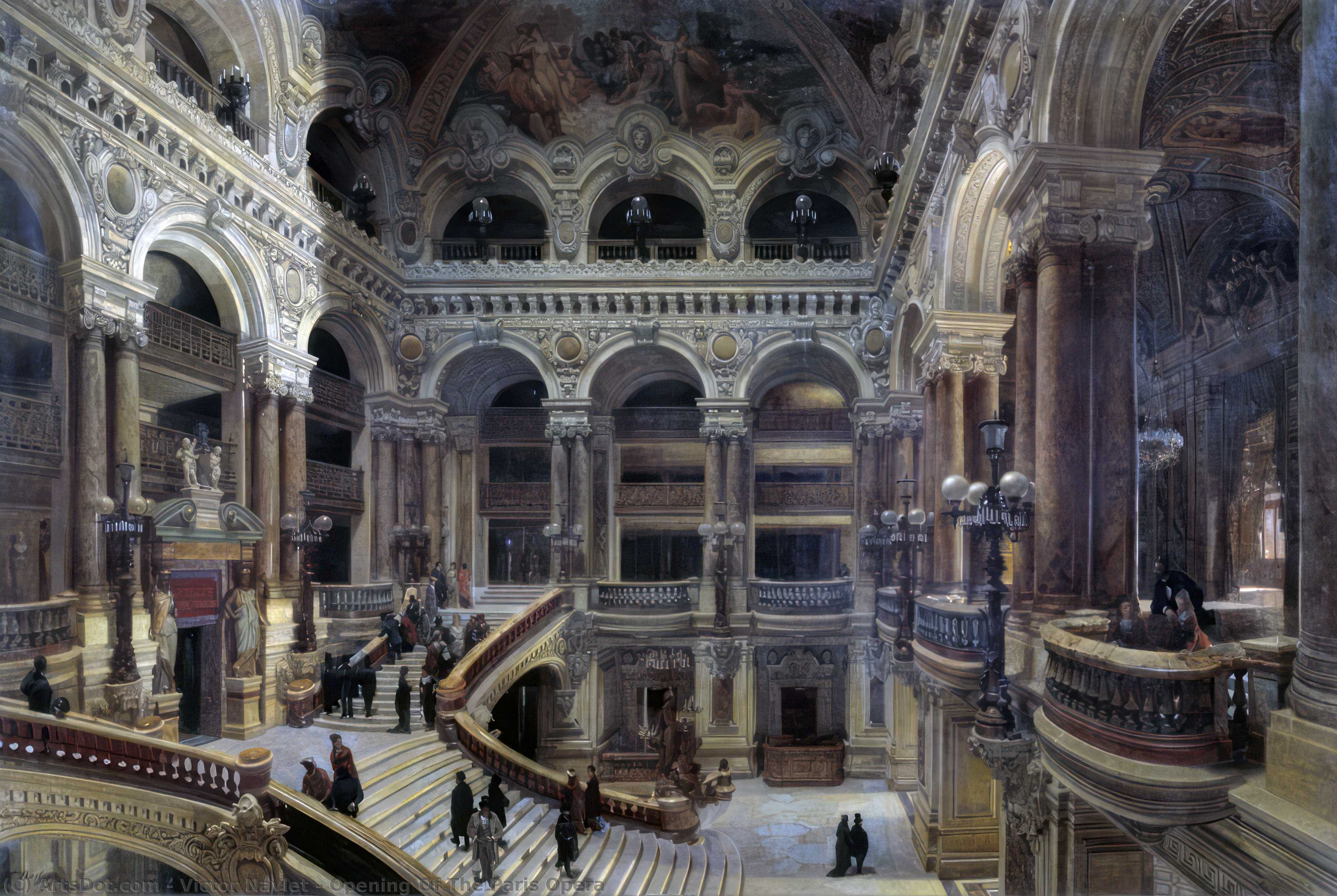
Opening Of The Paris Opera

 Weiterlesen
Giclée / Kunstdruck
Giclée- oder Leinwanddruck in Museumsqualität mit schneller Produktion und flexiblen Veredelungsoptionen. ( Handgemalte Reproduktion bestellen Zum digitalen Bild wechseln)




































Wählen Sie aus unseren vordefinierten Formaten, die den ursprünglichen Proportionen des Kunstwerks entsprechen.

Sie können Ihre eigenen Maße eingeben, um ein bestimmtes Format oder einen speziellen Platz einzupassen. Wenn das von Ihnen gewählte Format nicht den Proportionen des Originalbildes entspricht, werden wir das Kunstwerk entweder beschneiden oder das Bild mit einem gespiegelten oder einfarbigen Rand erweitern. Ein digitaler Entwurf wird Ihnen zur Genehmigung zugesandt, bevor die Produktion beginnt.
Bitte beachten Sie, dass die Vorschau auf dem Bildschirm nicht den tatsächlichen Zuschnitt oder die Erweiterung widerspiegelt. Nur der Entwurf zeigt die endgültige Komposition präzise an.
Obwohl Sondermaße verfügbar sind, empfehlen wir die Auswahl eines Maßes aus der vordefinierten Liste, um die ursprünglichen Proportionen zu bewahren.
Weltweiter Versand () innerhalb von 2 Wochen statt der üblichen 4/5 Wochen. (9 September)

Kostenloser weltweiter Expressversand

Hochwertige Leinenleinwand

Umfassender Versicherungsschutz beim Versand

Zollgebühren-Rückerstattungsgarantie

Garantie für exakte Farbtreue

100-Tage-Rückgaberecht (nur bei Mängeln)

100% Geld-zurück-Garantie

Mengenrabatt verfügbar
 Die Glasoption ist nur für Größen unter 110 cm verfügbar.

Opening Of The Paris Opera
Giclée / Kunstdruck
Format der Reproduktion
-


Gesamtpreis
$ 62
A Glimpse into the Past
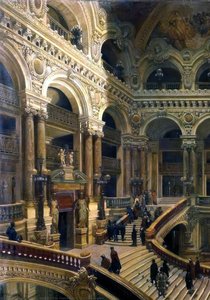
The painting itself is a testament to Navlet's skill in capturing the essence of a bustling environment. The scene unfolds within the iconic Paris Opera House, showcasing its ornate ceiling, intricate design, and majestic staircase. As we delve into the world of this masterpiece, we find ourselves surrounded by the elegance and sophistication of a bygone era.- The painting features a clock on one of the walls, likely indicating the time for performances or events taking place at the opera house.
- The atmosphere conveyed is one of history and tradition, highlighting the beauty and importance of this iconic venue.
- Viewers can almost hear the soft murmur of conversations, the rustling of silk dresses, and the sound of orchestra music wafting through the air.
As we appreciate the beauty of "Opening of the Paris Opera," we are reminded of the significance of preserving our cultural heritage. The Raja Ravi Varma Heritage Foundation is one such institution dedicated to promoting and preserving Indian art, as seen in the works of Raja Ravi Varma. By exploring these masterpieces, we gain a deeper understanding of the artistic movements that shaped our world.
In conclusion, "Opening of the Paris Opera" by Victor Navlet is a captivating masterpiece that invites us to step into the opulent world of 19th-century Paris. Through ArtsDot.com, art lovers can discover more about this painting and other notable works, including those by Bertrand Redon and William P Chappel. As we continue to appreciate these treasures, we are reminded of the power of art to transcend time and touch our hearts.
Ähnliche Kunstwerke








Über den Künstler
Victor Navlet (1819 – 1886): Parisian Visionary and Architectural Detail
Victor Navlet, born in Châlons-sur-Saône on November 8th, 1819, was a French painter whose artistic legacy resides primarily in his meticulous depictions of Parisian landmarks and architectural interiors. Though overshadowed by the grand narratives of Romanticism, Navlet’s contribution to art history lies in his ability to capture the subtle nuances of urban life and the beauty inherent in meticulously crafted spaces—a style that distinguishes him from many of his contemporaries. His artistic journey unfolded against a backdrop of burgeoning industrialization and social change, shaping his perspective on capturing the spirit of his time.- Early Life & Education: Navlet’s formative years were marked by exposure to artistic influences within his family—his father was a Drawing Teacher—providing him with an early grounding in visual arts principles.
- Training and Influences: He studied at the École Supérieure des Beaux-Arts in Paris, absorbing stylistic trends prevalent during the Romantic era. Notably, he drew inspiration from Eugène Delacroix’s dramatic landscapes and Alexandre Cabanel’s idealized portraits, elements that would permeate his own artistic style.
- Notable Works: Navlet gained recognition for his paintings of Parisian churches—particularly Sainte-Marie-Madeleine and Saint-Sulpice—where he achieved remarkable precision in rendering architectural details. His meticulous observation of light and shadow elevated these canvases beyond mere representation, conveying a profound sense of atmosphere.
A Focus on Architectural Detail: Navlet’s Unique Artistic Approach
Navlet distinguished himself from other painters of his era through an unwavering dedication to capturing architectural precision. Unlike Romantic artists who prioritized emotive expression, he sought to faithfully reproduce the textures and contours of buildings—a technique that demanded painstaking observation and technical skill. This commitment is evident in his canvases depicting interiors like Sainte-Marie-Madeleine, where he meticulously rendered stained glass windows, vaulted ceilings, and ornate furnishings with astonishing accuracy. His method wasn’t merely about replicating what was seen; it was about conveying the essence of space itself—a feat that speaks to a deeper understanding of artistic principles.- Technique: Navlet employed oil paints on canvas, utilizing glazing techniques to achieve luminous effects and subtle tonal variations. He meticulously blended colors to recreate the interplay of light and shadow within architectural interiors, creating images imbued with realism and atmosphere.
- Subject Matter: His preferred subjects included churches—particularly Sainte-Marie-Madeleine and Saint-Sulpice—and Parisian urban landscapes. These scenes were rendered with remarkable detail, capturing not only the physical appearance of buildings but also their spiritual significance.
Legacy & Recognition
Despite his relatively modest output compared to some Romantic contemporaries, Navlet’s work garnered critical acclaim during his lifetime and continues to be appreciated today. His paintings of Sainte-Marie-Madeleine and Saint-Sulpice are considered masterpieces of architectural realism—testaments to his artistic vision and technical prowess. Furthermore, his contribution to the Musée Carnavalet's collection underscores the enduring value of his artistic endeavors. Navlet’s legacy resides not in grand narratives but in the quiet beauty of meticulously rendered spaces—a reminder that art can illuminate even the most unassuming subjects with profound insight.- Museum Collections: His paintings are housed in prominent museums including Musée Carnavalet and Musée Orsay
- Critical Reception: Navlet’s work was praised for its accuracy, subtlety, and ability to convey atmosphere—characteristics that cemented his place as a significant figure within the Parisian artistic landscape.
Further Exploration
To delve deeper into Victor Navlet's artistic world, consider visiting Musée Sainte-Marie-Madeleine in Paris. This museum showcases several of Navlet’s paintings alongside architectural models and historical documents—providing invaluable context for understanding his creative process and aesthetic sensibilities. Examining these artworks alongside related materials offers a comprehensive appreciation of Navlet’s contribution to French art history.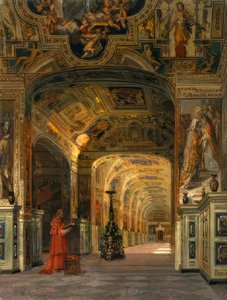
navlet victor
1819 - 1886
Kurzinfos
- Artistic Movement Or Style: Romanticism
- Artists Or Movements Influenced By This Artist: ['Romanticism']
- Artists Who Influenced This Artist:
- Eugène Delacroix
- Jean-Auguste Dominique Ingres
- Date Of Birth: 1819
- Date Of Death: 1886
- Full Name: Victor Navlet
- Nationality: French
- Notable Artworks:
- Hall Of Constantine In The Vatican
- Opening Of The Paris Opera
- Place Of Birth: Châlons