 Vorschau anzeigen
 Versenden
 Teilen
 Details anzeigen

 Herunterladen
 Ähnliche Objekte
 Röntgenaufnahme
 Diashow
 Stats
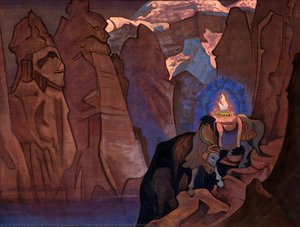
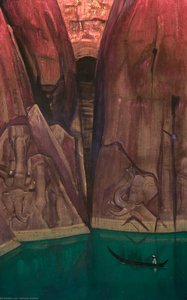
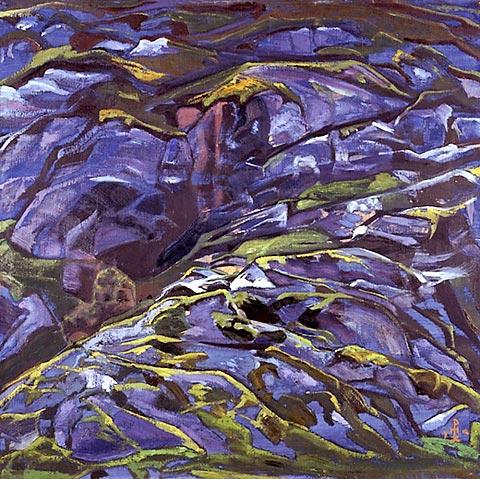
StatsKarelian landscape. Tulola rocks.


 Weiterlesen
Giclée / Kunstdruck
Giclée- oder Leinwanddruck in Museumsqualität mit schneller Produktion und flexiblen Veredelungsoptionen. ( Handgemalte Reproduktion bestellen Switch to Digital Image)




P118B $10

P118H $10

P118W $10

P438Z $10

P508JH $12

P508YH $12

P805H $10

P805Z $10

P919BZ $10

P919G $10

P919XJ $10

P959ZH $10

P968JZ $12

W106C $8

W218G $10

W218JH $8

W218Y $10

W307PJ $10

W316G $10

W316PJ $8

W316Y $10

W398PJ $8

W4111J $10

W500HY $15

W500JH $15

W692G $12

W849H $8

W940BG $15

W953PJ $8




Wählen Sie aus unseren vordefinierten Formaten, die den ursprünglichen Proportionen des Kunstwerks entsprechen.

Sie können Ihre eigenen Maße eingeben, um ein bestimmtes Format oder einen speziellen Platz einzupassen. Wenn das von Ihnen gewählte Format nicht den Proportionen des Originalbildes entspricht, werden wir das Kunstwerk entweder beschneiden oder das Bild mit einem gespiegelten oder einfarbigen Rand erweitern. Ein digitaler Entwurf wird Ihnen zur Genehmigung zugesandt, bevor die Produktion beginnt.
Bitte beachten Sie, dass die Vorschau auf dem Bildschirm nicht den tatsächlichen Zuschnitt oder die Erweiterung widerspiegelt. Nur der Entwurf zeigt die endgültige Komposition präzise an.
Obwohl Sondermaße verfügbar sind, empfehlen wir die Auswahl eines Maßes aus der vordefinierten Liste, um die ursprünglichen Proportionen zu bewahren.
Weltweiter Versand () innerhalb von 2 Wochen statt der üblichen 4/5 Wochen. (8 September)

Kostenloser weltweiter Expressversand

Hochwertige Leinenleinwand

Umfassender Versicherungsschutz beim Versand

Zollgebühren-Rückerstattungsgarantie

Garantie für exakte Farbtreue

100-Tage-Rückgaberecht (nur bei Mängeln)

100% Geld-zurück-Garantie

Mengenrabatt verfügbar
 Die Glasoption ist nur für Größen unter 110 cm verfügbar.

Karelian landscape. Tulola rocks.
Giclée / Kunstdruck
Format der Reproduktion
-


Gesamtpreis
$ 62
Nicholas Roerich’s “Karelian Landscape. Tulola Rocks” – A Symphony of Stone and Spirit
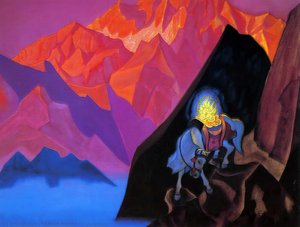
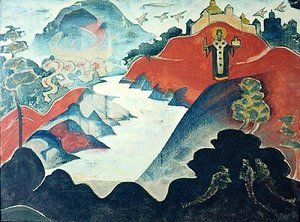
Nicholas Roerich's "Karelian Landscape. Tulola Rocks," painted in 1918, isn’t merely a depiction of a rugged northern landscape; it’s an immersive experience, a portal into the heart of Russian Symbolism and a profound meditation on nature’s enduring power. This evocative work transcends simple representation, offering instead a layered tapestry of color, texture, and spiritual resonance that continues to captivate viewers over a century later. The painting captures a dramatic vista within the Karelian Isthmus – a region steeped in folklore and known for its formidable granite boulders, the “tulola” rocks themselves, which dominate the foreground.
Roerich’s artistic approach during this period leaned heavily into Symbolism, a movement that sought to express abstract ideas and emotions through evocative imagery rather than literal depiction. He wasn't interested in creating a photographic record of the landscape; instead, he aimed to convey its essence – its ancientness, its strength, and an underlying sense of mystery. The palette is deliberately restrained yet intensely rich, dominated by deep blues and purples that evoke the twilight hours and the vastness of the sky above. These cool tones are punctuated by earthy browns and greens, grounding the scene in the solidity of the rocks and the verdant moss clinging to their surfaces. Notice how Roerich masterfully uses light – not as a source illuminating the landscape, but rather as a subtle, atmospheric presence that seems to emanate from within the very stones themselves.
The Language of Stone: Symbolism and Technique
Roerich’s technique is characterized by a loose, expressive brushwork. He employed a layering method – applying thin washes of color over dried layers – creating a remarkable sense of depth and texture. The rocks aren't rendered with sharp edges or precise detail; rather, they are suggested through variations in tone and the skillful manipulation of paint to convey their mass and ruggedness. This technique lends the painting an almost tactile quality, inviting the viewer to reach out and feel the cool, weathered surface of the stones. The composition itself is carefully constructed, guiding the eye across the scene from the imposing boulders in the foreground towards the distant, hazy mountains. The placement of these monumental rocks creates a powerful sense of scale, emphasizing both the insignificance of human presence within this vast landscape and the enduring strength of nature.
Roots in Russian Spirituality and Folklore
To fully appreciate “Karelian Landscape,” it’s crucial to understand Roerich's broader artistic and philosophical context. He was deeply influenced by Russian folklore, particularly tales of ancient spirits inhabiting the wilderness. The tulola rocks themselves are often associated with mythical beings and hidden pathways – a connection that Roerich subtly reinforces through his painting. Furthermore, Roerich’s interest in Eastern mysticism, specifically Vedanta philosophy, informed his artistic vision. He believed that art could be a vehicle for spiritual transformation, and this belief is evident in the painting's evocative atmosphere and its suggestion of an underlying harmony between humanity and nature. The use of muted colors and the emphasis on texture can be interpreted as symbolic representations of inner states – tranquility, contemplation, and connection to something larger than oneself.
A Legacy of Mysticism and Artistic Vision
“Karelian Landscape. Tulola Rocks” stands as a testament to Nicholas Roerich’s extraordinary artistic talent and his profound engagement with the spiritual world. It's more than just a landscape painting; it’s an invitation to contemplate the mysteries of nature, the power of symbolism, and the enduring beauty of the Russian wilderness. Reproductions of this work capture much of its original impact, offering a window into Roerich’s unique artistic vision and his belief in art as a force for healing and transformation. Consider how the painting's mood – serene yet powerful – can complement various interior design schemes, bringing a touch of ancient wisdom and natural beauty to any space.
Ähnliche Kunstwerke

Über den Künstler
Nicholas Roerich: Leben, Kunst und Vermächtnis
Frühes Leben und Ausbildung
- Nikolai Konstantinowitsch Roerich wurde am 9. Oktober 1874 in Sankt Petersburg, Russland, geboren.
- Sein Vater, ein baltischer Deutscher Notar, und seine Mutter, eine russische Frau, förderten von frühester Kindheit sein Interesse an den Künsten.
- Roerich studierte sowohl Jura als auch Kunst gleichzeitig und nahm 1893 am St. Petersburger Universität und der Kaiserlichen Akademie der Künste auf.
- Er erhielt 1897 den Titel „Künstler“ und das Jurastudium im Folgejahr.
Künstlerische Bestrebungen und Einflüsse
- Roerichs künstlerische Entwicklung wurde maßgeblich von Russischer Symbolismus, einer Bewegung, die Spiritualität und emotionale Tiefe betonte, beeinflusst.
- Er engagierte sich in der „Weltkunst“-Gesellschaft von Sergei Diaghilew und war von 1910 bis 1916 deren Präsident.
- Seine frühen Arbeiten zeigten eine Faszination für Archäologie und Bühnenbild, was zu Kooperationen bei Produktionen für die Ballets Russes führte.
- Er ließ sich auch von apokryphen und mittelalterlichen sektiererischen Schriften wie dem Dovenbuch beeinflussen.
Zusammenarbeit mit den Ballets Russes
- Roerichs Bühnenbilder für die Ballets Russes wurden hoch gelobt, insbesondere seine Arbeit an Alexander Borodins Fürst Igor (1909) und Igor Strawinskys Das Ritus des Frühlings (1913).
- Seine Bühnenbilder vereinten historische Forschung mit fantasievoller Kunst und schufen visuell beeindruckende Produktionen.
- Diese Zusammenarbeit etablierte ihn als eine führende Figur im Theaterdesign im frühen 20. Jahrhundert.
Künstlerische Entwicklung und Themen
- Roerichs Gemälde entwickelten sich weiter und integrierten zunehmend mystische und spirituelle Themen, die seine wachsende Interesse an der Theosophie und den östlichen Religionen widerspiegelten.
- Seine Serie Architektonische Studien (1904–1905) demonstrierte sein architektonisches Können und sein Engagement für den Erhalt des kulturellen Erbes.
- Wiederkehrende Motive in seiner Arbeit sind majestätische Landschaften, antike Städte und religiöse Figuren wie St. Pantaleimon und Kuan Yin.
- Er stellte oft die Himalaya-Region dar, die für ihn eine tiefe spirituelle Bedeutung hatte.
Wichtige Errungenschaften und Anerkennung
- Roerich war ein engagierter Verfechter des Schutzes von Kunst und Architektur in Kriegszeiten.
- Seine Bemühungen führten zur Schaffung des Roerich-Pakt (1935), eines internationalen Vertrags zum Schutz kultureller Objekte, für die er mehrere Nominierungen für den Friedensnobelpreis erhielt.
- Er reiste weite Teile Zentralasiens ab und führte archäologische Forschungen durch und dokumentierte alte Kulturen.
- Seine Werke sind in bedeutenden Museumssammlungen auf der ganzen Welt zu sehen, darunter die Staatliche Astrakhan-Gemäldegalerie.
Historische Bedeutung und Vermächtnis
- Nicholas Roerichs Einfluss auf die russische Kunst und Kultur ist unermesslich.
- Er schloss die Lücke zwischen künstlerischem Ausdruck und spiritueller Erforschung und beeinflusste Generationen von Künstlern und Denkern.
- Sein Engagement für den Schutz des kulturellen Erbes ist auch heute noch relevant und unterstreicht die Bedeutung des Schutzes unseres gemeinsamen Erbes.
- Roerichs Vermächtnis erstreckt sich über seine Gemälde hinaus; er wird als visionärer Künstler, Gelehrter und Humanitär in Erinnerung behalten.
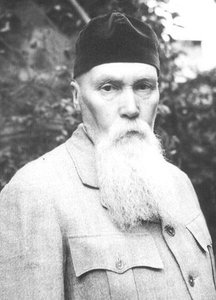
Nikolai Konstantinowitsch Roerich
1874 - 1947 , Russland
Kurzinfos
- Beeinflusste Künstler: ['Helena Blavatsky']
- Beeinflusste Richtungen:
- Russische Kunst
- Spirituelle Kunst
- Bemerkenswerte Werke:
- St. Pantaleimon der Heiler
- Kuan Yin
- Architektonische Studien
- Ballets Russes (Fürst Igor)
- Geburtsdatum: 9. Oktober 1874
- Geburtsort: Sankt Petersburg, Russland
- Künstlerische Richtung: Symbolismus, Russischer Symbolismus
- Nationalität: Russisch
- Sterbedatum: 13. Dezember 1947
- Vollständiger Name: Nikolai Konstantinowitsch Rerich
Ähnliche Artikel

John Constable: Die 25 Meisterwerke des englischen Landschaftsgenies – ArtsDot
Entdecken Sie die 25 Meisterwerke von John Constable! Erleben Sie englische Landschaftsmalerei vom Hay Wain bis zur Stour Valley. Hochwertige Reproduktionen & Kunst für Ihr Zuhause auf ArtsDot.com.

Romantische Landschaften: Die 10 Meisterwerke, die eine Epoche prägten | ArtsDot
Entdecken Sie die 10 Meisterwerke der Romantischen Landschaftsmalerei! Von Caspar David Friedrich bis Turner – erleben Sie die Kunst, Emotion & Natur. Hochwertige Reproduktionen auf ArtsDot.com

Evocations of Place: A Historical Journey Through Landscape Art
Explore the rich history of landscape art with ArtsDot. Discover renowned artists, movements like Impressionism & Romanticism, and expert guidance for collecting timeless pieces. Find your perfect serene escape today!
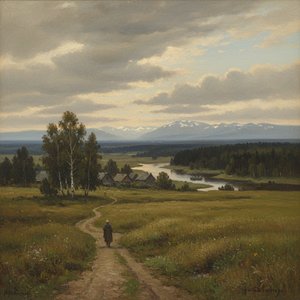
Fyodor Vasilyev: A Poetic Vision of Russian Landscape – Life, Legacy, and the Transience of Nature
Explore the captivating world of Fyodor Vasilyev, a pioneering Russian landscape painter. Discover his lyrical style, influential works like 'Clouds' & lasting legacy. Learn about his life, artistic journey & impact on Russian art history.
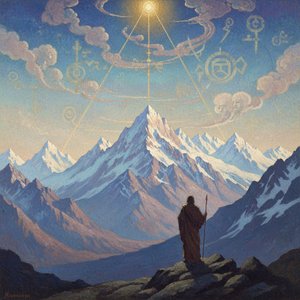
Nikolai Roerich: Mystik, Berge und die Suche nach zeitloser Weisheit in der Kunst
Entdecken Sie das faszinierende Werk von Nikolai Roerich! Erfahren Sie mehr über seine Himalaya-Gemälde, die Philosophie des Agni Yoga und sein Engagement für kulturellen Schutz. Ein tiefer Einblick in Leben und Kunst eines spirituellen Meisters.