 Vorschau anzeigen
 Versenden
 Teilen
 Details anzeigen

 Herunterladen
 Ähnliche Objekte
 Röntgenaufnahme
 Diashow
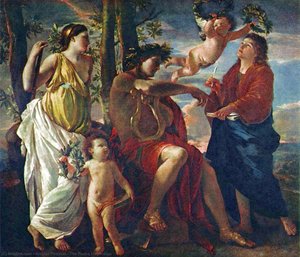
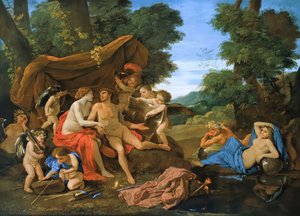
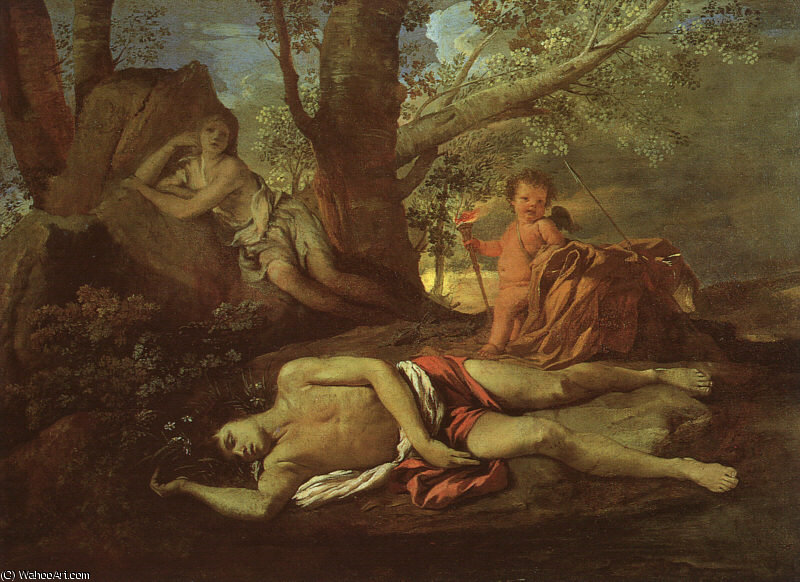
Echo and Narcissus, oil on canvas, Musée du Louvre,


 Weiterlesen
Giclée / Kunstdruck
Giclée- oder Leinwanddruck in Museumsqualität mit schneller Produktion und flexiblen Veredelungsoptionen. ( Handgemalte Reproduktion bestellen Bild kaufen)




P118B $10

P118H $10

P118W $10

P438Z $10

P508JH $12

P508YH $12

P805H $10

P805Z $10

P919BZ $10

P919G $10

P919XJ $10

P959ZH $10

P968JZ $12

W106C $8

W218G $10

W218JH $8

W218Y $10

W307PJ $10

W316G $10

W316PJ $8

W316Y $10

W398PJ $8

W4111J $10

W500HY $15

W500JH $15

W692G $12

W849H $8

W940BG $15

W953PJ $8




Wählen Sie aus unseren vordefinierten Formaten, die den ursprünglichen Proportionen des Kunstwerks entsprechen.

Sie können Ihre eigenen Maße eingeben, um ein bestimmtes Format oder einen speziellen Platz einzupassen. Wenn das von Ihnen gewählte Format nicht den Proportionen des Originalbildes entspricht, werden wir das Kunstwerk entweder beschneiden oder das Bild mit einem gespiegelten oder einfarbigen Rand erweitern. Ein digitaler Entwurf wird Ihnen zur Genehmigung zugesandt, bevor die Produktion beginnt.
Bitte beachten Sie, dass die Vorschau auf dem Bildschirm nicht den tatsächlichen Zuschnitt oder die Erweiterung widerspiegelt. Nur der Entwurf zeigt die endgültige Komposition präzise an.
Obwohl Sondermaße verfügbar sind, empfehlen wir die Auswahl eines Maßes aus der vordefinierten Liste, um die ursprünglichen Proportionen zu bewahren.
Weltweiter Versand () innerhalb von 2 Wochen statt der üblichen 4/5 Wochen. (21 August)

Kostenloser weltweiter Expressversand

Hochwertige Leinenleinwand

Umfassender Versicherungsschutz beim Versand

Zollgebühren-Rückerstattungsgarantie

Garantie für exakte Farbtreue

60 Tage Rückgaberecht (nur bei Mängeln)

100% Geld-zurück-Garantie

Mengenrabatt verfügbar
 Die Glasoption ist nur für Größen unter 110 cm verfügbar.

Echo and Narcissus, oil on canvas, Musée du Louvre,
Giclée / Kunstdruck
Format der Reproduktion
-


Gesamtpreis
$ 62
Sammlerstück-Beschreibung
A Symphony of Silence and Reflection
Within the hallowed halls of the Musée du Louvre hangs a masterpiece that transcends mere mythological illustration to become a profound meditation on the human condition. Nicolas Poussin’s Echo and Narcissus, completed around 1640, is far more than a visual retelling of Ovid’s Metamorphoses; it is an evocative exploration of vanity, longing, and the tragic boundaries between self and other. In this oil on canvas, Poussin captures the precise moment where obsession meets isolation, inviting the viewer into a world that feels simultaneously eternal and heartbreakingly fragile. The painting serves as a window into the classical soul, where every brushstroke contributes to an atmosphere of profound serenity and intellectual depth.
The narrative unfolds with a masterful orchestration of figures within a lush, primordial landscape. We encounter Narcissus, the beautiful youth whose gaze is irrevocably captured by his own image in a pool of water, and Echo, the nymph doomed to repeat only the words of others, now languishing on the earth in a state of unrequited devotion. Above them, a celestial presence—perhaps Cupid or an angel—hovers, adding a layer of divine oversight to this earthly tragedy. Poussin utilizes a sophisticated triangular composition to guide the eye, anchoring the ethereal movements of the characters with the rugged permanence of rocks and the dense, luminous foliage of the forest. This structural balance ensures that while the subject matter is emotionally turbulent, the visual experience remains one of balanced, classical grace.
The Mastery of Baroque Precision
Technically, Echo and Narcissus represents a pinnacle of Poussin’s ability to blend the dramatic potential of the Baroque era with the disciplined ideals of Classicism. The artist employs sfumato—a delicate, smoky blurring of edges—to create a sense of atmospheric depth, making the forest feel as though it is breathing around the central figures. This technique, reminiscent of the great Venetian masters, allows for a soft, diffused light that bathes Narcissus’s skin in a luminous glow, contrasting beautifully with the darker, more textured elements of the woodland setting. His meticulous attention to detail, from the subtle ripples on the water's surface to the intricate textures of the surrounding flora, demonstrates a level of precision that commands respect and admiration.
For the discerning collector or interior designer, this work offers an unparalleled opportunity to introduce a sense of intellectual rigor and timeless elegance into a space. The painting does not rely on loud, theatrical gestures; instead, it draws its power from restraint and contemplation. It is a piece that rewards prolonged observation, revealing new layers of meaning with every glance. Whether placed in a grand library or a sophisticated contemporary gallery, a high-quality reproduction of this Poussin masterpiece acts as a focal point of quiet strength, bringing the storied history of French Baroque art and the enduring beauty of classical mythology into the modern home.
Ähnliche Kunstwerke
Über den Künstler
frühes Leben und Ausbildung
Nikos Poussin, geboren im Juni 1594, war die Quintessenz der französischen Barockmalerei des Klassikers. Obwohl er den Großteil seiner Karriere in Rom verbrachte, blieb er tief in den französischen künstlerischen Traditionen verwurzelt. Seine frühen Tage als Maler waren von Unsicherheit umhüllt, aber bereits im Jahr 1612 hatte er formale Studien in Paris begonnen und sich von weniger bekannten Künstlern beeinflussen lassen, bevor er 1624 nach Rom zog.Künstlerischer Stil und Einflüsse
Poussins Ästhetik, die für ihre kohärente Komposition und Priorisierung der Linearität bekannt ist, legte einen Präzedenzfall fest, der Meister wie Jacques-Louis David und Paul Cézanne noch bis ins 20. Jahrhundert beeinflusste. Sein unverwechselbarer Stil kristallisierte sich in herausragenden Werken wie Der Tod des Germanikers und seiner einflussreichen Sieben Sakramente-Serie.Bekannte Werke und Museen
- Nikos Poussin: Selbstporträt 1 (Barock, Öl), ein Beweis für seine Meisterschaft in der Technik.
- Bacchanten vor einem Tempel (74 x 101 cm, Legion of Honor, San Francisco, USA, Öl auf Leinwand), das seine Fähigkeit zur Balance von Komposition und Erzählung demonstriert.
- Das Musée des Beaux-Arts de Carcassonne, ein Muss für Kunstliebhaber, beherbergt eine beeindruckende Sammlung westlicher Gemälde vom 17. bis zum 20. Jahrhundert.
Vermächtnis und Einfluss
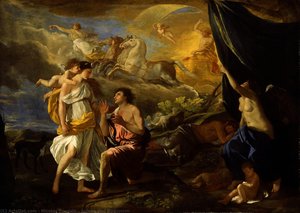
Poussins Loyalität blieb Rom, wo er schließlich darauf konzentrierte sich, weitreichende Landschaften in seine Kunst zu integrieren. Seine Reife als Künstler wird in Werken wie Orion, der von der Sonne geblendet sucht und Die Jahreszeiten verkörpert, die eine Ära strenger Komposition einleitet, die von der ruhigen Schönheit der Natur durchdrungen ist.Erfahren Sie mehr mit ArtsDot.com
Entdecken Sie die Meisterwerke des Musée France und tauchen Sie ein in die Welt der französischen Barockmalerei mit Musée Picasso, Musée des Beaux-Arts de Carcassonne und anderen bemerkenswerten Museen. Besuchen Sie Nikos Poussins Seite auf ArtsDot.com, um mehr über seine Werke zu erfahren und den Kontext, in dem sie entstanden sind.Referenzen
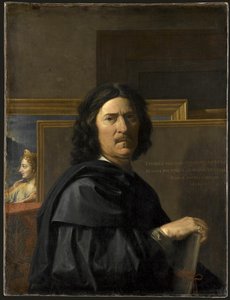
Nikolaus Poussin
1594 - 1665 , Frankreich
Kurzinfos
- Bemerkenswerte Werke:
- Der Tod des Germanicus
- Die Sieben Sakramente
- Eine römische Straße
- Orion auf der Suche nach der Sonne
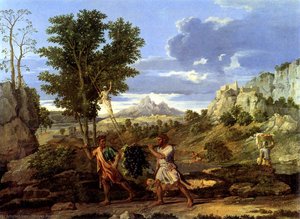
- Die Jahreszeiten
- Geburtsdatum: Juni 1594
- Geburtsort: Le Havre, Frankreich
- Künstler, Die Ihn Beeinflussten:
- Raphael
- Titian
- Künstlerische Bewegung: Barock
- Nationalität: Französisch
- Todatum: 1665
- Vollständiger Name: Nicolas Poussin
- Von Ihm Beeinflusste Künstler:
- Jacques-Louis David
- Paul Cézanne
Ähnliche Artikel
Nicolas Poussin: Klassizismus, Allegorie und Ordnung in der französischen Malerei des 17. Jahrhunderts
Entdecken Sie Nicolas Poussins Meisterwerke und seinen Einfluss auf den französischen Klassizismus. Analyse von Allegorie, Komposition und der Bedeutung seiner Kunst im 17. Jahrhundert.
Baroque Classicism: Reconciling Drama & Order in 17th-Century Art
Explore the captivating world of Baroque Classicism! Discover its history, key artists like Caravaggio & Rubens, and defining characteristics. Expert insights & high-quality reproductions at ArtsDot.
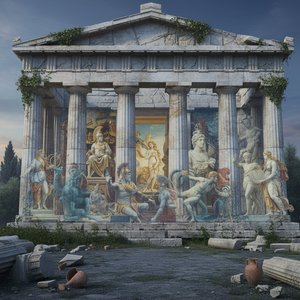
Echoes of Olympus: Mythological Narratives in Western Art Through the Ages
Explore the captivating history of mythological narratives in Western art! From ancient Greece to modern masterpieces, discover iconic artworks & symbolism. Expert analysis and high-quality reproductions at ArtsDot.
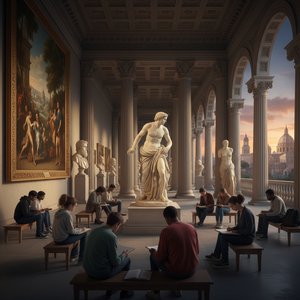
The Enduring Legacy of Classicism: Principles, Evolution & Influence in Western Art
Explore the enduring legacy of Classicism in Western art! Discover its historical context, key principles, iconic masterpieces & lasting influence. Learn about Renaissance and Neoclassical movements with ArtsDot.

Barock Meisterwerke: Die 10 prägendsten Kunstwerke für Ihr Zuhause |
Entdecken Sie die 10 prägendsten Meisterwerke des Barock! Caravaggio, Rembrandt & Co. – Erfahren Sie die Geschichten hinter ikonischen Gemälde und finden Sie hochwertige Kunst Reproduktionen für Ihr Zuhause auf .