 Vorschau anzeigen
 Versenden
 Teilen
 Details anzeigen

 Herunterladen
 Ähnliche Objekte
 Röntgenaufnahme
 Diashow
The Realm of Flora
 Oil On Canvas
- WallArt
- Classical Baroque
 1631
1631- Early Modern
 131.0 x 181.0 cm
 Weiterlesen
Handgefertigte Ölreproduktion
Handgemaltes Ölgemälde auf Leinwand in Ihrer Wunschgröße und mit Rahmen, auf Bestellung von unseren Künstlern angefertigt. ( Druck bestellen Bild kaufen)




P118B $10

P118H $10

P118W $10

P438Z $10

P508JH $12

P508YH $12

P805H $10

P805Z $10

P919BZ $10

P919G $10

P919XJ $10

P959ZH $10

P968JZ $12

W106C $8

W218G $10

W218JH $8

W218Y $10

W307PJ $10

W316G $10

W316PJ $8

W316Y $10

W398PJ $8

W4111J $10

W500HY $15

W500JH $15

W692G $12

W849H $8

W940BG $15

W953PJ $8




Wählen Sie aus unseren vordefinierten Formaten, die den ursprünglichen Proportionen des Kunstwerks entsprechen.

Sie können Ihre eigenen Maße eingeben, um einen bestimmten Rahmen oder Platz auszufüllen. Wenn die gewählte Größe nicht den Proportionen des Originalbildes entspricht, werden wir das Kunstwerk entweder beschneiden oder das Gemälde durch zusätzliche, handgemalte Elemente erweitern. Ein digitales Mockup wird Ihnen zur Genehmigung zugesandt, bevor die Produktion beginnt.
Bitte beachten Sie, dass die Bildschirmvorschau nicht die tatsächliche Beschneidung oder Erweiterung widerspiegelt. Nur das Mockup zeigt die endgültige Komposition exakt an.
Obwohl Sondermaße verfügbar sind, empfehlen wir, eine Größe aus der vordefinierten Liste zu wählen, um die ursprünglichen Proportionen beizubehalten.
Nach der Bestellung wird das ArtsDot.com-Team dem Kunden Anweisungen per E-Mail zusenden und eine Mockup-Vorschau bereitstellen.
Weltweiter Versand () in nur 3 bis 4 Wochen statt der üblichen 5 Wochen. (23 August). Keine Kompromisse bei der Qualität.

Kostenloser weltweiter Expressversand

Hochwertige Leinenleinwand

Umfassender Versicherungsschutz beim Versand

Zollgebühren-Rückerstattungsgarantie

Garantie für exakte Farbtreue

60 Tage Rückgaberecht (nur bei Mängeln)

100% Geld-zurück-Garantie

Mengenrabatt verfügbar
 Die Glasoption ist nur für Größen unter 110 cm verfügbar.

The Realm of Flora
Art der Reproduktion
Format der Reproduktion
-


Gesamtpreis
$ 263
Beschreibung des Kunstwerks
A Verdant Symphony: The Enchanted World of Poussin’s Flora
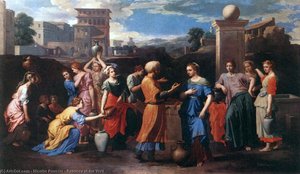
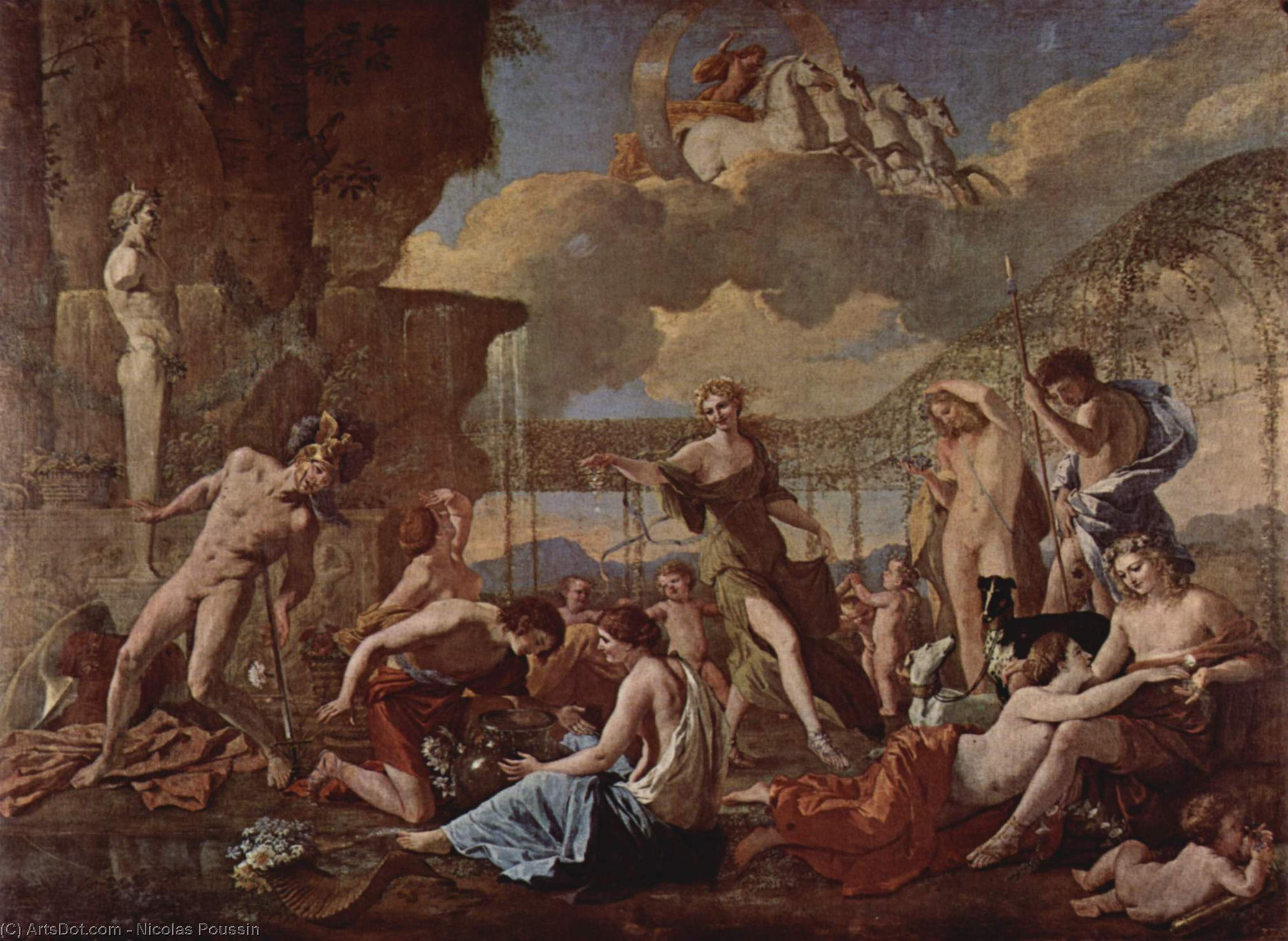
In the heart of the 17th century, amidst the burgeoning grandeur of the French Baroque, Nicolas Poussin breathed life into a vision of eternal spring. The Realm of Flora is not merely a painting; it is an immersive descent into a mythological sanctuary where the boundaries between humanity and nature dissolve. As one gazes upon this monumental canvas, dating to 1631, they are greeted by a lush, verdant landscape that feels both tangibly real and ethereally distant. The scene unfolds with a sense of profound tranquility, presenting a tableau of nude figures scattered throughout a sun-dappled garden. These figures, caught in moments of contemplative repose or animated dialogue, inhabit a space where time seems to have suspended its march, inviting the viewer to linger within this pastoral idyll.
The composition is a masterclass in classical balance, reflecting Poussin’s deep reverence for the structural harmony found in Renaissance masters. He employs a subtle visual pyramid, guiding the eye from the intimate interactions of the figures on the forest floor upward toward the towering, ancient trees that crown the scene. This deliberate arrangement creates a sense of architectural stability within the organic chaos of the garden. Within this lush setting, one can discern the tragic beauty of metamorphosis; the painting captures the moments preceding the transformation of various figures into flowers, imbuing the landscape with a poignant, bittersweet tension between the fleeting nature of human life and the enduring bloom of the natural world.
Mastery of Light and the Illusion of Depth
To behold The Realm of Flora is to witness Poussin’s unparalleled command over the technical elements of illusionism. Drawing inspiration from the Venetian tradition, the artist utilizes a sophisticated layering of pigments to simulate the tactile reality of skin, leaf, and light. He masterfully employs sfumato, that delicate, smoky blending technique, to soften the contours of the figures and create an atmospheric haze that lends the distant woods an otherworldly depth. This softness is brilliantly contrasted by his use of chiaroscuro, where dramatic shifts between light and shadow sculpt the anatomy of the subjects, giving them a monumental presence that commands the space.
For the discerning collector or interior designer, the technical brilliance of this work offers a profound sensory experience. The interplay of light filtering through the canopy creates a rhythmic pattern of brightness and shade across the canvas, making the painting feel as though it breathes with the movement of the wind. This dynamic quality ensures that the artwork remains captivating from every angle, serving as a sophisticated focal point that can anchor a room with its classical dignity and luminous energy.
A Legacy of Classical Elegance for the Modern Interior
Beyond its technical prowess, The Realm of Flora serves as a profound meditation on the ideals of humanism and the sublime. It is an invitation to rediscover the beauty of order, clarity, and intellectual depth. In an era often characterized by rapid change, the stoic grace and mythological permanence captured in Poussin’s brushstrokes offer a sanctuary of peace. The painting’s rich palette of deep forest greens, earthy ochres, and soft, luminous flesh tones provides a versatile yet commanding aesthetic that complements both traditional and contemporary decor.
Integrating a high-quality reproduction of this masterpiece into a living space does more than decorate a wall; it introduces a narrative of historical significance and philosophical beauty. Whether placed in a sunlit library or a grand salon, the painting acts as a window into a lost Arcadia, stimulating conversation and inspiring a sense of wonder. It is an investment in an atmosphere of timelessness, bringing the sophisticated spirit of the French Baroque into the modern home.
Ähnliche Kunstwerke
Über den Künstler
frühes Leben und Ausbildung
Nikos Poussin, geboren im Juni 1594, war die Quintessenz der französischen Barockmalerei des Klassikers. Obwohl er den Großteil seiner Karriere in Rom verbrachte, blieb er tief in den französischen künstlerischen Traditionen verwurzelt. Seine frühen Tage als Maler waren von Unsicherheit umhüllt, aber bereits im Jahr 1612 hatte er formale Studien in Paris begonnen und sich von weniger bekannten Künstlern beeinflussen lassen, bevor er 1624 nach Rom zog.Künstlerischer Stil und Einflüsse
Poussins Ästhetik, die für ihre kohärente Komposition und Priorisierung der Linearität bekannt ist, legte einen Präzedenzfall fest, der Meister wie Jacques-Louis David und Paul Cézanne noch bis ins 20. Jahrhundert beeinflusste. Sein unverwechselbarer Stil kristallisierte sich in herausragenden Werken wie Der Tod des Germanikers und seiner einflussreichen Sieben Sakramente-Serie.Bekannte Werke und Museen
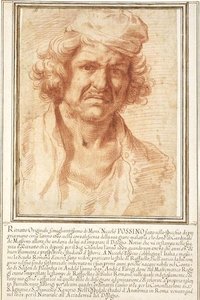
- Nikos Poussin: Selbstporträt 1 (Barock, Öl), ein Beweis für seine Meisterschaft in der Technik.
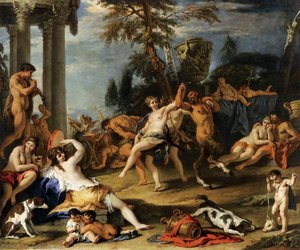
- Bacchanten vor einem Tempel (74 x 101 cm, Legion of Honor, San Francisco, USA, Öl auf Leinwand), das seine Fähigkeit zur Balance von Komposition und Erzählung demonstriert.
- Das Musée des Beaux-Arts de Carcassonne, ein Muss für Kunstliebhaber, beherbergt eine beeindruckende Sammlung westlicher Gemälde vom 17. bis zum 20. Jahrhundert.
Vermächtnis und Einfluss
Poussins Loyalität blieb Rom, wo er schließlich darauf konzentrierte sich, weitreichende Landschaften in seine Kunst zu integrieren. Seine Reife als Künstler wird in Werken wie Orion, der von der Sonne geblendet sucht und Die Jahreszeiten verkörpert, die eine Ära strenger Komposition einleitet, die von der ruhigen Schönheit der Natur durchdrungen ist.Erfahren Sie mehr mit ArtsDot.com
Entdecken Sie die Meisterwerke des Musée France und tauchen Sie ein in die Welt der französischen Barockmalerei mit Musée Picasso, Musée des Beaux-Arts de Carcassonne und anderen bemerkenswerten Museen. Besuchen Sie Nikos Poussins Seite auf ArtsDot.com, um mehr über seine Werke zu erfahren und den Kontext, in dem sie entstanden sind.Referenzen
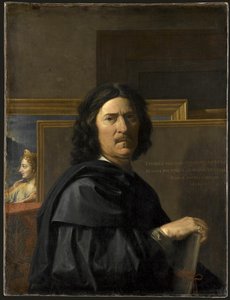
Nikolaus Poussin
1594 - 1665 , Frankreich
Kurzinfos
- Bemerkenswerte Werke:
- Der Tod des Germanicus
- Die Sieben Sakramente
- Eine römische Straße
- Orion auf der Suche nach der Sonne
- Die Jahreszeiten
- Geburtsdatum: Juni 1594
- Geburtsort: Le Havre, Frankreich
- Künstler, Die Ihn Beeinflussten:
- Raphael
- Titian
- Künstlerische Bewegung: Barock
- Nationalität: Französisch
- Todatum: 1665
- Vollständiger Name: Nicolas Poussin
- Von Ihm Beeinflusste Künstler:
- Jacques-Louis David
- Paul Cézanne
Ähnliche Artikel
Nicolas Poussin: Klassizismus, Allegorie und Ordnung in der französischen Malerei des 17. Jahrhunderts
Entdecken Sie Nicolas Poussins Meisterwerke und seinen Einfluss auf den französischen Klassizismus. Analyse von Allegorie, Komposition und der Bedeutung seiner Kunst im 17. Jahrhundert.
Charles Le Brun: Master of French Baroque Classicism & His Enduring Legacy
Explore the life & art of Charles Le Brun, master of French Baroque Classicism. Discover his royal commissions, influence on Versailles, and enduring legacy through detailed analysis & stunning artworks.

Simon Vouet: Vom italienischen Barock zum französischen Klassizismus – Eine künstlerische Reise
Entdecken Sie das Leben und Werk von Simon Vouet, dem Pionier des italienischen Barock in Frankreich! Erfahren Sie mehr über seinen künstlerischen Werdegang, seine wichtigsten Gemälde und seinen nachhaltigen Einfluss auf die französische Malerei. Jetzt lesen!
Baroque Classicism: Reconciling Drama & Order in 17th-Century Art
Explore the captivating world of Baroque Classicism! Discover its history, key artists like Caravaggio & Rubens, and defining characteristics. Expert insights & high-quality reproductions at ArtsDot.
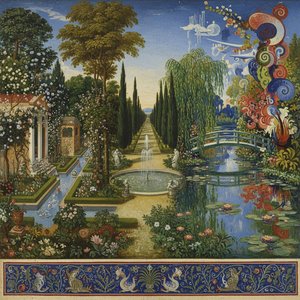
Cultivating Paradise: A Historical & Artistic Exploration of Gardens in Painting
Explore the rich history of gardens in painting! Discover masterpieces from Renaissance to Impressionism & beyond. Learn about symbolism, artists like Monet & Klimt, and find your perfect artwork at ArtsDot.