

 Vorschau anzeigen
 Versenden
 Teilen
 Details anzeigen

 Herunterladen
 Ähnliche Objekte
 Röntgenaufnahme
 Diashow
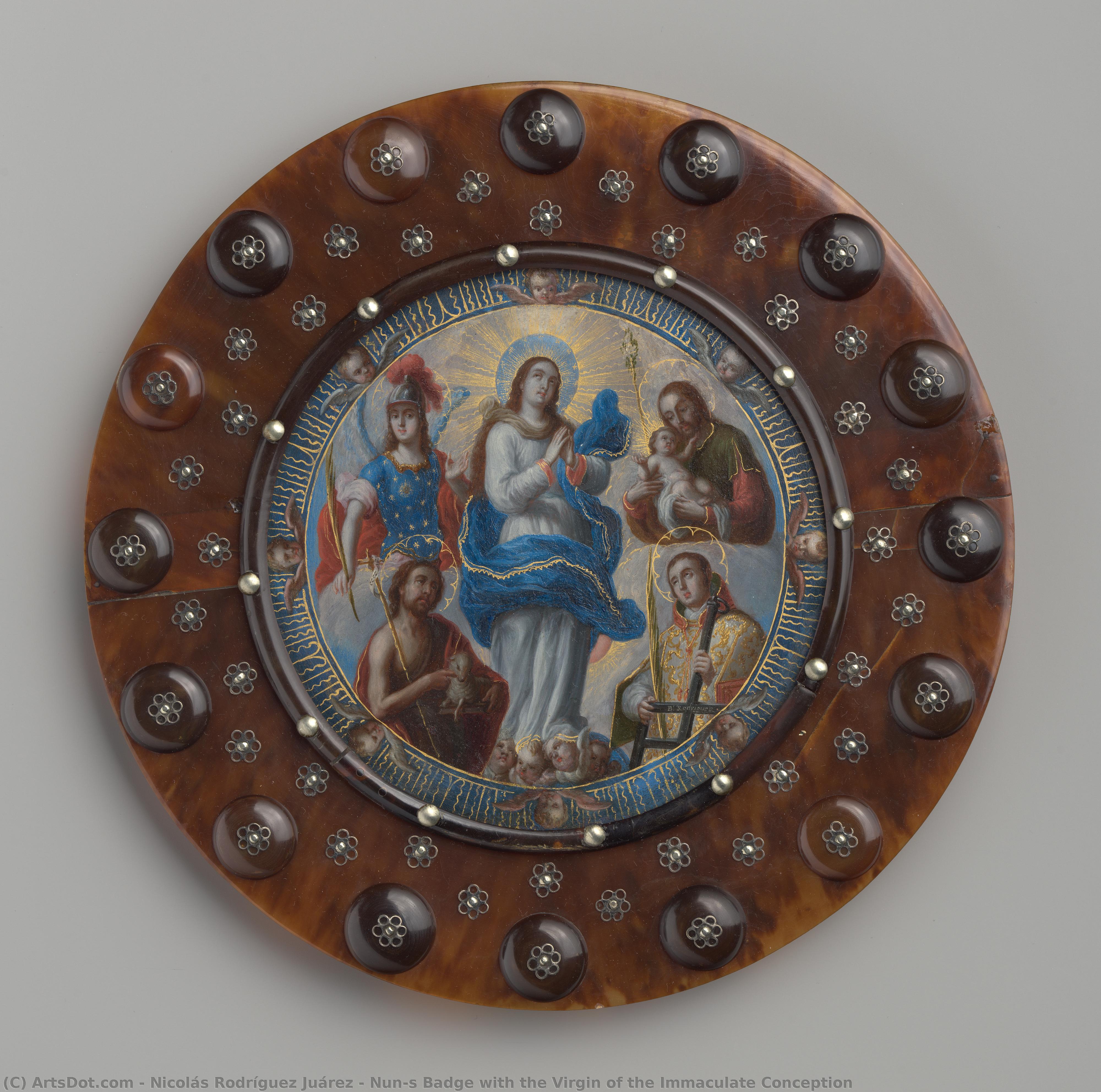
Nun’s Badge with the Virgin of the Immaculate Conception


 Weiterlesen
Handgefertigte Ölreproduktion
Handgemaltes Ölgemälde auf Leinwand in Ihrer Wunschgröße und mit Rahmen, auf Bestellung von unseren Künstlern angefertigt. ( Druck bestellen Bild kaufen)




P118B $10

P118H $10

P118W $10

P438Z $10

P508JH $12

P508YH $12

P805H $10

P805Z $10

P919BZ $10

P919G $10

P919XJ $10

P959ZH $10

P968JZ $12

W106C $8

W218G $10

W218JH $8

W218Y $10

W307PJ $10

W316G $10

W316PJ $8

W316Y $10

W398PJ $8

W4111J $10

W500HY $15

W500JH $15

W692G $12

W849H $8

W940BG $15

W953PJ $8




Wählen Sie aus unseren vordefinierten Formaten, die den ursprünglichen Proportionen des Kunstwerks entsprechen.

Sie können Ihre eigenen Maße eingeben, um einen bestimmten Rahmen oder Platz auszufüllen. Wenn die gewählte Größe nicht den Proportionen des Originalbildes entspricht, werden wir das Kunstwerk entweder beschneiden oder das Gemälde durch zusätzliche, handgemalte Elemente erweitern. Ein digitales Mockup wird Ihnen zur Genehmigung zugesandt, bevor die Produktion beginnt.
Bitte beachten Sie, dass die Bildschirmvorschau nicht die tatsächliche Beschneidung oder Erweiterung widerspiegelt. Nur das Mockup zeigt die endgültige Komposition exakt an.
Obwohl Sondermaße verfügbar sind, empfehlen wir, eine Größe aus der vordefinierten Liste zu wählen, um die ursprünglichen Proportionen beizubehalten.
Nach der Bestellung wird das ArtsDot.com-Team dem Kunden Anweisungen per E-Mail zusenden und eine Mockup-Vorschau bereitstellen.
Weltweiter Versand () in nur 3 bis 4 Wochen statt der üblichen 5 Wochen. (27 August). Keine Kompromisse bei der Qualität.

Kostenloser weltweiter Expressversand

Hochwertige Leinenleinwand

Umfassender Versicherungsschutz beim Versand

Zollgebühren-Rückerstattungsgarantie

Garantie für exakte Farbtreue

60 Tage Rückgaberecht (nur bei Mängeln)

100% Geld-zurück-Garantie

Mengenrabatt verfügbar
 Die Glasoption ist nur für Größen unter 110 cm verfügbar.

Nun’s Badge with the Virgin of the Immaculate Conception
Art der Reproduktion
Format der Reproduktion
-


Gesamtpreis
$ 263
Beschreibung des Kunstwerks
A Silent Promise: The Nun’s Badge with the Virgin of the Immaculate Conception
The image before you – Nicolás Rodríguez Juárez's “Nun’s Badge with the Virgin of the Immaculate Conception” – isn’t merely a painting; it’s a whispered testament to faith, resilience, and a subtle act of rebellion. Created around 1710 in Mexico City, this small yet profoundly resonant work offers a glimpse into the lives of the Conceptionist and Jeronymite nuns who navigated a world increasingly restrictive in its expectations of women. More than just devotional imagery, it’s a tangible symbol of their devotion, meticulously crafted to circumvent limitations imposed by ecclesiastical authorities.
The core of the piece is undeniably religious – a serene depiction of the Virgin Mary cradling the infant Jesus. The composition is classic and balanced: the luminous Virgin dominates the central space, her expression both gentle and dignified, while the baby Jesus radiates an aura of innocence and divine grace. Angels flank the scene, their wings outstretched in a silent chorus of adoration. However, it’s not the traditional iconography that truly captivates; rather, it's the badge itself – a large, circular medallion worn over the heart, featuring the same Virgin and Child image. This wasn’t simply an adornment; it was a deliberate statement.
The Context of Constraint: Dress Codes and Artistic Response
In the late 17th and early 18th centuries, the Catholic Church exerted considerable control over the appearance of its female members. Nuns were instructed to replace opulent, gold-laden garments – deemed extravagant and contrary to their vows – with habits adorned solely with images of the Virgin Mary. While a seemingly pious adaptation, this restriction inadvertently created a loophole. The nuns, seeking a visible affirmation of their faith beyond the confines of their clothing, turned to commissioned artwork. Rodríguez Juárez, a prominent artist in New Spain, became one of the key figures in this response.
The badge, therefore, represents more than just religious devotion; it embodies a quiet defiance. By wearing these large, painted badges – often lavishly executed and bearing the signature of renowned artists like Rodríguez Juárez – the nuns asserted their connection to the Virgin Mary in a way that circumvented the restrictions on material adornment. It was a visual declaration of faith, a silent promise etched onto their hearts.
A Masterclass in Technique: Oil on Copper
Rodríguez Juárez’s skill is evident in every detail of this piece. Executed in oil paint on copper – a technique favored for its durability and ability to capture rich colors and subtle gradations – the painting possesses a remarkable luminosity. The artist skillfully employs *sfumato*, a blurring technique reminiscent of Leonardo da Vinci, to soften edges and create an ethereal atmosphere. Note the delicate rendering of the Virgin’s robes, the shimmering gold leaf accents that highlight her halo, and the intricate details of the angels' wings.
The use of copper as the support is significant. It allowed for a greater depth of color and a more reflective surface than wood panels, contributing to the painting’s overall richness and vibrancy. The tortoiseshell and silver frame further enhance the piece’s visual impact, adding a touch of opulence that subtly acknowledges the nuns' desire for visible devotion.
Symbolism and Emotional Resonance
Beyond its technical brilliance, “Nun’s Badge with the Virgin of the Immaculate Conception” is laden with symbolism. The Song of Solomon (8:6), referenced in the description, – "Put me as a seal upon thy heart" – forms the core of this visual language. Wearing the badge was an act of personal devotion, a tangible representation of their commitment to the Virgin Mary and her intercession.
The image evokes a profound sense of serenity and faith. Despite the historical context of constraint, there’s an underlying current of strength and resilience within the painting. It's a reminder that even in the face of limitations, individuals can find ways to express their deepest beliefs – often through subtle yet powerful acts of defiance and devotion. This piece is not just a beautiful work of art; it’s a poignant window into the lives and spirit of Mexican nuns during a transformative period in history.
Ähnliche Kunstwerke

Über den Künstler
Frühes Leben und familiärer Hintergrund
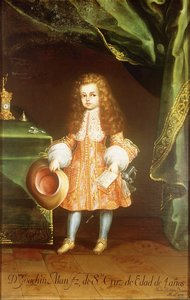
Nicolás Rodríguez Juárez, ein bedeutender Künstler im Vizekönigreich Neuspaneien, wurde 1667 in Mexiko-Stadt geboren. Er war Teil einer spanischen Familie, die für ihre künstlerischen Leistungen weithin bekannt war; so war sein Bruder Juan Rodríguez Juárez (1675–1728) bereits ein etablierter Maler in Neuspaneien. Ihr Vater, Antonio Rodríguez (1636–91), war ein bemerkenswerter spanischer Maler, und auch der großmütterliche Großvater, José Juárez (1617–1661), sowie der Ururgroßvater, Luis Juárez (1585–1639), waren prominente Maler der Barockära.Künstlerischer Stil und bedeutende Werke
Wie die meisten Künstler in Neuspaneien während des Spätbarocks schuf Rodríguez Juárez religiöse Kunst. Er folgte zudem dem Trend, Porträts hochrangiger Beamter, wie etwa des Vizekönigs Linares und des lokalen Adels, zu malen. Diese Werke, die von europäischen Vorbildern geprägt waren, zeigten Symbole des Ranges und der Titel, entweder als eigenständige Elemente oder kunstvoll in andere Bestandteile der Gemälde eingearbeitet. Eines seiner bemerkenswertesten Werke ist ein außergewöhnliches Selbstporträt, welches symptomatisch für die sich wandelnde Rolle des Künstlers in der Kolonie im 18. Jahrhundert ist. Ein Satz früher Casta-Gemälde (um 1715), der ihm zugeschrieben wird, befindet sich in einer Privatsammlung im Breamore House in Hampshire, England. Diese Gemälde stellen die rassischen Mischungen Mexikos in einer hierarchischen Ordnung dar.Vermächtnis und Einfluss
Das Werk von Rodríguez Juárez hatte einen signifikanten Einfluss auf die Entwicklung der Kunst in Mexiko. Seine Verwendung der Ölmalerei und seine Fähigkeit, das Wesen der Weiblichkeit in seinen Werken einzufangen, sind bemerkenswerte Aspekte seines Stils. Als Teil der Colección Andrés Blaisten (Mexiko) sind seine Gemälde heute Teil einer vielfältigen Auswahl lateinamerikanischer Kunstwerke, darunter Gemälde, Skulpturen und Drucke aus verschiedenen Epochen und Stilen.- Betrachten Sie die Kunstwerke von Rodríguez Juárez auf ArtsDot
- Erkunden Sie die Colección Andrés Blaisten (Mexiko) Sammlung auf ArtsDot
- Entdecken Sie mehr über die mexikanische Kunst und ihre Geschichte in der Wahoo Art Timeline
Nicolás Rodríguez Juárez
1667 - 1734 , Mexiko
Kurzinfos
- Artistic Movement Or Style: Autotypie, Mezzotint
- Artists Or Movements Influenced By This Artist: ['CMYK-Farbmodell']
- Artists Who Influenced This Artist: ['Conrad Ferdinand Meyer']
- Date Of Birth: 2. Mai 1667
- Date Of Death: 16. Mai 1741
- Full Name: Jacob Christoph Le Blon
- Nationality: Deutsch
- Notable Artworks:
- Belagerung von Armentières
- Belagerung von Dixmude
- Place Of Birth: Frankfurt am Main, Deutschland
Ähnliche Artikel

Barock Meisterwerke: Die 10 prägendsten Kunstwerke für Ihr Zuhause |
Entdecken Sie die 10 prägendsten Meisterwerke des Barock! Caravaggio, Rembrandt & Co. – Erfahren Sie die Geschichten hinter ikonischen Gemälde und finden Sie hochwertige Kunst Reproduktionen für Ihr Zuhause auf .

Barocke Pracht: Wie Sie Opulenz und Emotionen in zeitgenössische Innenräume bringen
Entdecken Sie die Pracht des Barock! Expertenratgeber für luxuriöse Innenräume mit barocken Elementen. Inspiration, Tipps & hochwertige Kunst bei .

The Dramatic Flourish: Exploring the Baroque Movement's Enduring Legacy in Art History
Explore the dramatic world of Baroque art! Discover iconic artists like Caravaggio & Rubens, defining techniques, and its lasting impact on art history. Expert insights for collectors & enthusiasts at ArtsDot.

The Visceral Stage: Exploring Dramatic Narratives & Emotional Intensity in Baroque Art
Explore the dramatic world of Baroque art! Discover iconic masters like Caravaggio & Rembrandt, their techniques, and the movement's lasting impact. Expert insights for collectors & enthusiasts at ArtsDot.
Theatricality & Triumph: Baroque Drama in Painting & Sculpture
Explore the dramatic world of Baroque art! Discover its history, defining characteristics, & lasting influence on painting & sculpture. Expert insights into Caravaggio, Zurbarán, and Bernini – plus high-quality reproductions at ArtsDot.

