

 Vorschau anzeigen
 Versenden
 Teilen
 Details anzeigen

 Herunterladen
 Ähnliche Objekte
 Röntgenaufnahme
 Diashow
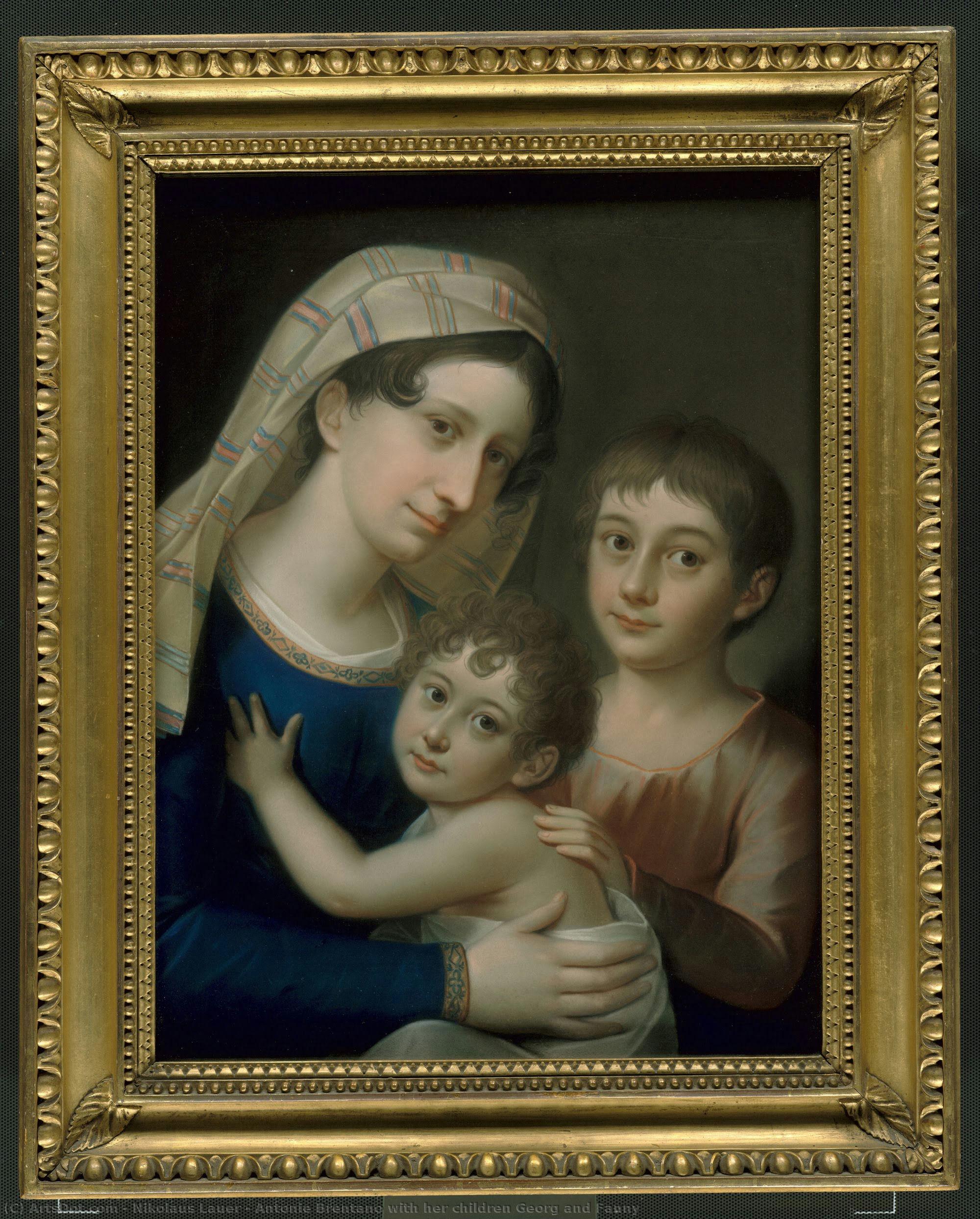
Antonie Brentano with her children Georg and Fanny
 Oil On Canvas
- WallArt
- Neoclassicism
 1809
1809 51.0 x 38.0 cm
 Beethoven-Haus Bonn
 Weiterlesen
Erwerben Sie ein hochauflösendes, optimiertes digitales Bild, das der Online-Vorschau weit überlegen ist.
Jede Datei wird von unseren hauseigenen Spezialisten mit modernsten Werkzeugen und fachmännischer manueller Retusche sorgfältig vorbereitet. Wir stellen sicher, dass jedes Bild eine außergewöhnliche Klarheit, präzise Farbgenauigkeit und feinste Details aufweist.
Die endgültige Datei wird innerhalb von 72 Stunden per E-Mail zugestellt und ist für den sofortigen Einsatz in professionellen, redaktionellen und Druckumgebungen optimiert. Es handelt sich um dieselbe Qualität, der führende Designstudios, Verlage und Galerien vertrauen.
Digitales Bild
Laden Sie eine hochauflösende Datei für die persönliche Präsentation, den Druck und kreative Projekte herunter. ( Druck bestellen Handgemalte Reproduktion bestellen)
In jeder Bestellung digitaler Bilder enthalten
Professionelle digitale Bereitstellung, garantiert
Wenn Sie sich für ArtsDot.com entscheiden, erhalten Sie nicht nur ein Bild – Sie erhalten ein professionell aufbereitetes digitales Kunstwerk, das mit höchster Präzision erstellt und durch eine Zufriedenheitsgarantie abgesichert wird. Hier ist alles, was automatisch mit Ihrer Bestellung geliefert wird:

Schnelle E-Mail-Zustellung
Ihre hochauflösende digitale Bilddatei wird Ihnen innerhalb von 72 Stunden nach der Bestellung per E-Mail zugestellt – bereit zur sofortigen Verwendung.

KI-optimierte digitale Datei
Ihre Kunstwerke werden professionell mithilfe fortschrittlicher KI-Tools und manueller Bearbeitung optimiert, um maximale Detailtreue, Klarheit und Farbgenauigkeit zu gewährleisten.

Lebenslanger kostenloser Neudruckservice
Datei versehentlich gelöscht oder verloren? Keine Sorge – wir senden sie Ihnen jederzeit kostenlos erneut zu.

Keine Einfuhrgebühren – jemals
Genießen Sie Ihr Kunstwerk sofort ohne Zollgebühren, Einfuhrabgaben oder Versandkosten – digitale Downloads sind immer steuerfrei.

Garantierte Farbtreue
Wir garantieren, dass Ihr digitales Bild mithilfe professioneller Werkzeuge und Farbmanagement die Originalfarben so präzise wie möglich wiedergibt.

60-Tage-Zufriedenheitsgarantie
Sollten Sie mit Ihrem digitalen Bild nicht zufrieden sein, werden wir es überarbeiten oder Ihnen innerhalb von 60 Tagen 100% erstatten – ohne Wenn und Aber.

100% Geld-zurück-Garantie
Nicht zufrieden? Erhalten Sie innerhalb von 60 Tagen nach Erhalt Ihrer digitalen Datei eine vollständige Rückerstattung – ohne Angabe von Gründen.

Rabatte bei Großbestellungen
3 Bilder kaufen, 10% sparen – 5 Bilder kaufen, 15% sparen – Ab 10 Bildern 20% sparen. Ideal für kreative Projekte, Galerien und Agenturen.
A Portrait Steeped in Sentimentality: Nikolaus Lauer’s Antonie Brentano
Nikolaus Lauer's "Antonie Brentano with her children Georg and Fanny," painted in 1809, stands as a testament to the enduring power of Neoclassical portraiture—a genre characterized by its unwavering commitment to idealized beauty and rational composition. Measuring 51 x 38 cm, this pastel masterpiece resides within Beethoven’s Haus Bonn, Bonn, Germany, offering visitors a tangible connection to a pivotal moment in musical history alongside an exquisite example of artistic craftsmanship.Subject Matter and Composition
The painting depicts Antonie Brentano, a prominent Viennese salon hostess and philanthropist, accompanied by her two sons, Georg and Fanny. Lauer skillfully captures the familial bond between mother and children—a theme frequently explored in Neoclassical art as a symbol of virtue and domestic harmony. The central figures are positioned within a meticulously balanced frame, reflecting the stylistic principles championed during the Enlightenment. Symmetry dominates the visual space, reinforcing the notion of order and stability – values highly prized by artists and intellectuals of the era.Technique and Material Considerations
Lauer’s masterful technique is evident in his use of pastel—a medium favored for its ability to achieve luminous colors and subtle tonal gradations. The artist employs layering and glazing techniques, meticulously blending pigments to build up texture and depth. This meticulous approach lends a velvety quality to the skin tones and drapery fabrics, enhancing the realism of the depiction. Careful observation reveals the influence of Rembrandt’s chiaroscuro—the dramatic interplay of light and shadow—creating an atmosphere of intimacy and conveying profound emotional resonance.Historical Context: Neoclassicism and Romantic Sentiment
“Antonie Brentano” emerged during a period marked by significant artistic and intellectual upheaval – the transition from Rococo extravagance to the burgeoning Romantic movement. While firmly rooted in Neoclassical ideals, Lauer’s work subtly hints at the emotional currents of its time. The serene countenance of Antonie Brentano embodies the neoclassical aspiration for moral virtue, mirroring the values espoused by thinkers like Rousseau and Voltaire. Yet, the tenderness conveyed through the depiction of familial affection anticipates the Romantic emphasis on subjective experience and emotion.Symbolism: Domestic Tranquility and Maternal Love
Beyond its aesthetic beauty, “Antonie Brentano” carries symbolic weight. The portrayal of a mother nurturing her children speaks to fundamental humanist values—representing stability, compassion, and the sanctity of family life. Pastel itself was considered an elevated medium, aligning with Neoclassicism’s pursuit of refined artistic expression. Its soft hues evoke feelings of warmth and serenity, reinforcing the painting's overarching message of peace and familial devotion.Concluding Impression: An Heirloom of Artistic Excellence
Nikolaus Lauer’s “Antonie Brentano” remains a captivating artwork—a beautifully rendered portrait that transcends mere visual representation to communicate profound emotional depth. Its enduring appeal lies in its harmonious blend of classical restraint and Romantic sentiment, securing its place as an invaluable treasure within Beethoven's Haus Bonn and a timeless inspiration for collectors and interior designers alike.Ähnliche Kunstwerke




Biografie des Künstlers
Early Life and Background
Nikolaus Lauer, a name synonymous with the refined elegance of 18th-century German portraiture, was born on July 21st, 1753, in the picturesque town of St. Wendel, nestled within the Saarland region of Germany. His early life was deeply intertwined with his mother, Susanne Lauer, née Hallauer – a woman whose influence shaped not only his upbringing but also subtly informed the character and subject matter of his art. St. Wendel, a town steeped in history and tradition, provided a fertile ground for young Nikolaus’s artistic development. While details surrounding his childhood remain somewhat sparse, it's understood that he received an initial grounding in drawing techniques at the Zeichenakademie (Drawing Academy) in Mannheim – a prestigious institution known for nurturing aspiring artists. This early training instilled within him a foundational understanding of perspective, composition, and the meticulous observation required to capture the essence of human form. The year 1781 marked a significant milestone: Lauer’s exceptional talent earned him one of the coveted “three golden prizes” awarded annually to students at the academy – a testament to his burgeoning skill and potential.Artistic Career and Notable Works
Nikolaus Lauer's artistic career blossomed primarily through his dedication to portraiture, a genre he mastered with remarkable sensitivity and technical precision. He quickly established himself as a sought-after artist, commanding commissions from prominent families and individuals across the Rhineland region. His paintings are particularly celebrated for their ability to capture not just physical likenesses but also the subtle nuances of personality and social standing. Two works stand out as exemplars of his skill: the “Brentano Portraits.” The first, depicting Antonie Brentano with her children Georg and Fanny (measuring 51 x 38 cm and executed in pastel), offers a poignant glimpse into family life – a theme that frequently resonated within Lauer’s oeuvre. The composition is remarkably balanced, conveying both the warmth of familial bonds and the dignity of each individual portrayed. Similarly, his portrait of Franz Brentano with his daughters Maximiliane and Josepha (also 51 x 38 cm in pastel) demonstrates a keen eye for detail and an understanding of how to imbue a subject with character through subtle gestures and expressions. These paintings, housed within the Beethoven-Haus Bonn, are not merely representations; they are windows into the lives of those depicted, offering valuable insights into the social customs and values of the era. Beyond these iconic works, Lauer’s portfolio includes numerous portraits of members of the Prussian royal family, showcasing his ability to capture the grandeur and formality associated with aristocratic society.Influences and Development
Lauer's artistic development was undoubtedly shaped by a confluence of factors – including his early training in Mannheim, his exposure to classical art during his time at the Dresden Gemäldegalerie (Old Masters Gallery), and the prevailing artistic trends of the late 18th century. While he didn’t explicitly align himself with any particular movement, his work demonstrates an appreciation for clarity, balance, and a restrained elegance reminiscent of the Rococo style, albeit tempered by a more sober realism. The influence of artists like Jacques-Louis David is subtly present in his compositions, particularly in their emphasis on clear lines and carefully orchestrated arrangements. However, Lauer’s distinctive approach lies in his ability to infuse these elements with a profound sense of empathy and psychological insight – qualities that elevate his portraits beyond mere likenesses and transform them into enduring representations of human experience. His meticulous attention to detail, combined with a deep understanding of light and shadow, allowed him to create paintings that possess both technical brilliance and emotional resonance.Museological Significance and Legacy
Nikolaus Lauer’s artistic legacy is firmly rooted in the German cultural landscape. His works are prominently featured in several prestigious museums throughout Germany, most notably the Beethoven-Haus Bonn, where a significant collection of his pastel portraits resides. This institution serves as a vital repository for understanding his artistic practice and its historical context. Beyond Bonn, Lauer’s paintings can also be found in other notable museums, contributing to a broader appreciation of his contributions to German portraiture. His enduring appeal lies not only in the beauty of his individual works but also in their ability to connect viewers across time – offering glimpses into the lives and aspirations of individuals who lived centuries ago. Lauer’s legacy continues to inspire artists and art enthusiasts alike, solidifying his place as a significant figure in the history of German painting.Key Points
* Born on July 21, 1753, in St. Wendel, Germany * Died on April 29, 1824, in St. Wendel, Germany * Notable works include Antonie Brentano with her children Georg and Fanny and Franz Brentano with his daughters Maximiliane and Josepha * Featured in the Beethoven-Haus Bonn, among other German museums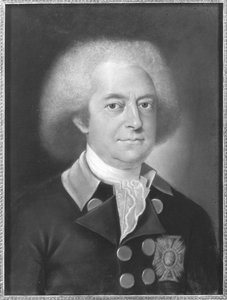
Nikolaus Lauer
1753 - 1824 , Deutschland
Kurzinfos
- Artistic Movement Or Style: Porträtmalerei (Pastell)
- Date Of Birth: 21. Juli 1753
- Date Of Death: 29. April 1824
- Full Name: Nikolaus Lauer
- Nationality: Deutscher
- Notable Artworks:
- Antonie Brentano...
- Franz Brentano...
- Place Of Birth: St. Wendel, Deutschland

