

 Vorschau anzeigen
 Versenden
 Teilen
 Details anzeigen

 Herunterladen
 Ähnliche Objekte
 Röntgenaufnahme
 Diashow
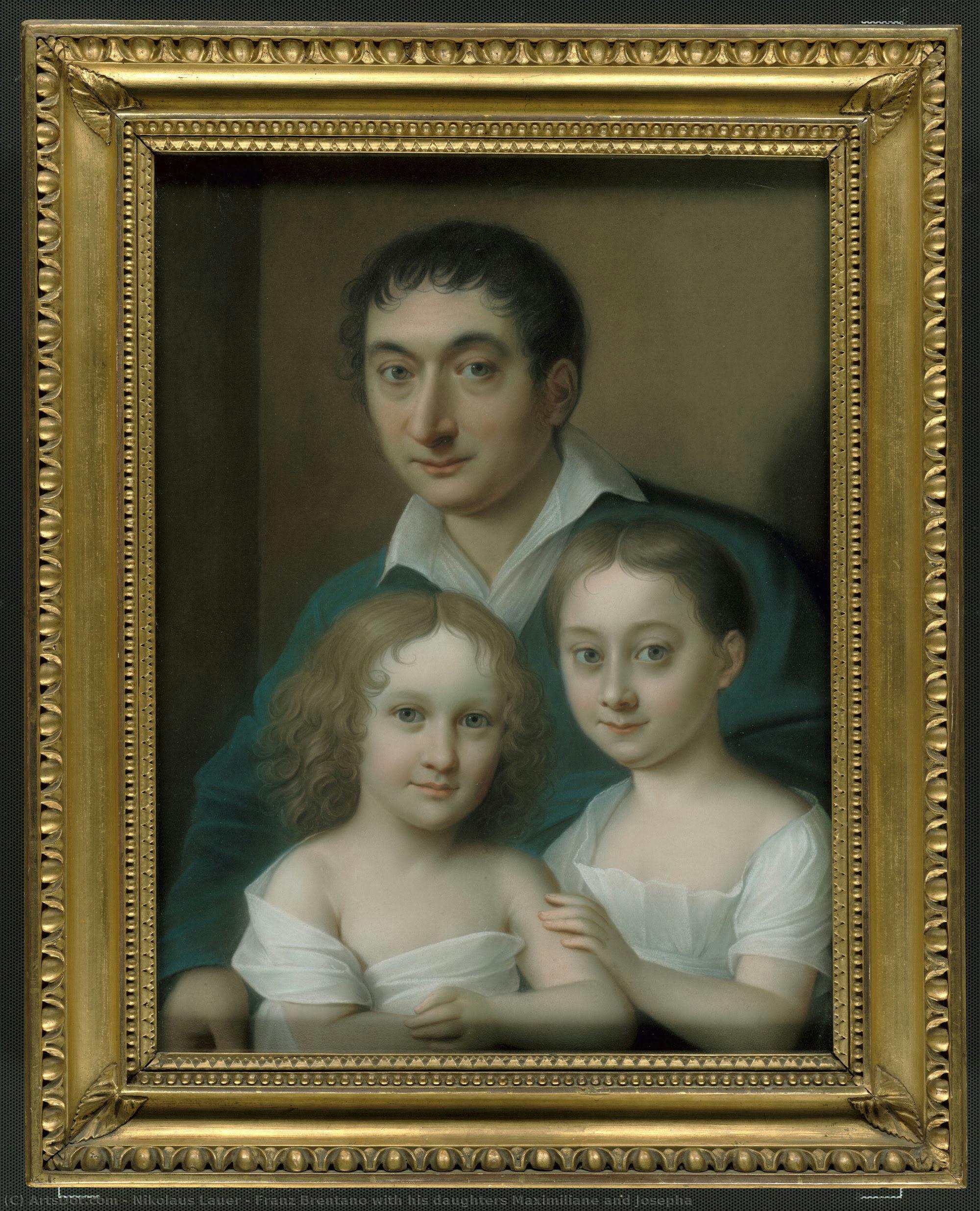
Franz Brentano with his daughters Maximiliane and Josepha
 Oil On Canvas
- WallArt
- Neoclassical Portraiture
 1809
1809 51.0 x 38.0 cm
 Beethoven-Haus Bonn
 Weiterlesen
Handgefertigte Ölreproduktion
Handgemaltes Ölgemälde auf Leinwand in Ihrer Wunschgröße und mit Rahmen, auf Bestellung von unseren Künstlern angefertigt. ( Druck bestellen Bild kaufen)




P118B $10

P118H $10

P118W $10

P438Z $10

P508JH $12

P508YH $12

P805H $10

P805Z $10

P919BZ $10

P919G $10

P919XJ $10

P959ZH $10

P968JZ $12

W106C $8

W218G $10

W218JH $8

W218Y $10

W307PJ $10

W316G $10

W316PJ $8

W316Y $10

W398PJ $8

W4111J $10

W500HY $15

W500JH $15

W692G $12

W849H $8

W940BG $15

W953PJ $8




Wählen Sie aus unseren vordefinierten Formaten, die den ursprünglichen Proportionen des Kunstwerks entsprechen.

Sie können Ihre eigenen Maße eingeben, um einen bestimmten Rahmen oder Platz auszufüllen. Wenn die gewählte Größe nicht den Proportionen des Originalbildes entspricht, werden wir das Kunstwerk entweder beschneiden oder das Gemälde durch zusätzliche, handgemalte Elemente erweitern. Ein digitales Mockup wird Ihnen zur Genehmigung zugesandt, bevor die Produktion beginnt.
Bitte beachten Sie, dass die Bildschirmvorschau nicht die tatsächliche Beschneidung oder Erweiterung widerspiegelt. Nur das Mockup zeigt die endgültige Komposition exakt an.
Obwohl Sondermaße verfügbar sind, empfehlen wir, eine Größe aus der vordefinierten Liste zu wählen, um die ursprünglichen Proportionen beizubehalten.
Nach der Bestellung wird das ArtsDot.com-Team dem Kunden Anweisungen per E-Mail zusenden und eine Mockup-Vorschau bereitstellen.
Weltweiter Versand () in nur 3 bis 4 Wochen statt der üblichen 5 Wochen. (30 August). Keine Kompromisse bei der Qualität.

Kostenloser weltweiter Expressversand

Hochwertige Leinenleinwand

Umfassender Versicherungsschutz beim Versand

Zollgebühren-Rückerstattungsgarantie

Garantie für exakte Farbtreue

60 Tage Rückgaberecht (nur bei Mängeln)

100% Geld-zurück-Garantie

Mengenrabatt verfügbar
 Die Glasoption ist nur für Größen unter 110 cm verfügbar.

Franz Brentano with his daughters Maximiliane and Josepha
Art der Reproduktion
Format der Reproduktion
-


Gesamtpreis
$ 263
Franz Brentano with his daughters Maximiliane and Josepha – A Window into 19th-Century Family Life
Nikolaus Lauer’s “Franz Brentano with his daughters Maximiliane and Josepha,” painted in 1809, is more than just a portrait; it's a poignant snapshot of familial connection within the context of early 19th-century Europe. Executed in pastel on what appears to be a substantial sheet, this intimate scene captures a moment of quiet domesticity – Franz Brentano, a man of evident standing judging by his attire, stands proudly alongside his two young daughters. The painting’s dimensions of 51 x 38 cm lend it an ideal scale for contemplation and integration into various interior design schemes, offering a touch of historical elegance without overwhelming a space.
A Masterful Portrait in Pastel Technique
- Technique: Lauer’s skill is immediately apparent in the delicate rendering of textures and tones achieved through pastel. The soft gradations of color create a luminous effect, particularly noticeable in the girls' hair and clothing. The artist skillfully employs layering techniques, building up the image with subtle shifts in hue to achieve depth and realism. This meticulous approach elevates the work beyond a simple likeness, transforming it into a study of light and shadow.
- Composition: The composition is carefully balanced, drawing the eye naturally from Franz to his daughters. The inclusion of the clock on the wall subtly anchors the scene in time, reinforcing the painting’s historical context. The gold trim framing the artwork adds a touch of opulence and reinforces its status as a significant piece.
Historical Context and Symbolism
Painted in 1809, this portrait reflects the burgeoning interest in familial portraits during the early Romantic era. Portraits were not merely representations of individuals but served as markers of social standing and family lineage. The presence of Franz Brentano, likely a professional or an important figure, underscores the importance of social connections and status within his community. The girls’ elegant attire suggests a special occasion, perhaps a celebration or a formal gathering – events that would have been carefully documented and cherished by families during this period. The inclusion of the clock adds a layer of symbolism, representing the passage of time and the enduring nature of family bonds.
Emotional Impact and Artistic Legacy
"Franz Brentano with his daughters Maximiliane and Josepha" possesses a remarkable ability to evoke empathy and nostalgia. Lauer’s masterful portrayal captures not just physical likeness but also the warmth and affection between father and children. This painting stands as a testament to Nikolaus Lauer's artistic talent and his keen eye for capturing human emotion. Its pastel execution, combined with its historical significance, makes it a compelling piece for art collectors and interior designers seeking to infuse their spaces with a touch of timeless elegance and heartfelt sentiment.
Ähnliche Kunstwerke
Über den Künstler
Early Life and Background
Nikolaus Lauer, a name synonymous with the refined elegance of 18th-century German portraiture, was born on July 21st, 1753, in the picturesque town of St. Wendel, nestled within the Saarland region of Germany. His early life was deeply intertwined with his mother, Susanne Lauer, née Hallauer – a woman whose influence shaped not only his upbringing but also subtly informed the character and subject matter of his art. St. Wendel, a town steeped in history and tradition, provided a fertile ground for young Nikolaus’s artistic development. While details surrounding his childhood remain somewhat sparse, it's understood that he received an initial grounding in drawing techniques at the Zeichenakademie (Drawing Academy) in Mannheim – a prestigious institution known for nurturing aspiring artists. This early training instilled within him a foundational understanding of perspective, composition, and the meticulous observation required to capture the essence of human form. The year 1781 marked a significant milestone: Lauer’s exceptional talent earned him one of the coveted “three golden prizes” awarded annually to students at the academy – a testament to his burgeoning skill and potential.Artistic Career and Notable Works
Nikolaus Lauer's artistic career blossomed primarily through his dedication to portraiture, a genre he mastered with remarkable sensitivity and technical precision. He quickly established himself as a sought-after artist, commanding commissions from prominent families and individuals across the Rhineland region. His paintings are particularly celebrated for their ability to capture not just physical likenesses but also the subtle nuances of personality and social standing. Two works stand out as exemplars of his skill: the “Brentano Portraits.” The first, depicting Antonie Brentano with her children Georg and Fanny (measuring 51 x 38 cm and executed in pastel), offers a poignant glimpse into family life – a theme that frequently resonated within Lauer’s oeuvre. The composition is remarkably balanced, conveying both the warmth of familial bonds and the dignity of each individual portrayed. Similarly, his portrait of Franz Brentano with his daughters Maximiliane and Josepha (also 51 x 38 cm in pastel) demonstrates a keen eye for detail and an understanding of how to imbue a subject with character through subtle gestures and expressions. These paintings, housed within the Beethoven-Haus Bonn, are not merely representations; they are windows into the lives of those depicted, offering valuable insights into the social customs and values of the era. Beyond these iconic works, Lauer’s portfolio includes numerous portraits of members of the Prussian royal family, showcasing his ability to capture the grandeur and formality associated with aristocratic society.Influences and Development
Lauer's artistic development was undoubtedly shaped by a confluence of factors – including his early training in Mannheim, his exposure to classical art during his time at the Dresden Gemäldegalerie (Old Masters Gallery), and the prevailing artistic trends of the late 18th century. While he didn’t explicitly align himself with any particular movement, his work demonstrates an appreciation for clarity, balance, and a restrained elegance reminiscent of the Rococo style, albeit tempered by a more sober realism. The influence of artists like Jacques-Louis David is subtly present in his compositions, particularly in their emphasis on clear lines and carefully orchestrated arrangements. However, Lauer’s distinctive approach lies in his ability to infuse these elements with a profound sense of empathy and psychological insight – qualities that elevate his portraits beyond mere likenesses and transform them into enduring representations of human experience. His meticulous attention to detail, combined with a deep understanding of light and shadow, allowed him to create paintings that possess both technical brilliance and emotional resonance.Museological Significance and Legacy
Nikolaus Lauer’s artistic legacy is firmly rooted in the German cultural landscape. His works are prominently featured in several prestigious museums throughout Germany, most notably the Beethoven-Haus Bonn, where a significant collection of his pastel portraits resides. This institution serves as a vital repository for understanding his artistic practice and its historical context. Beyond Bonn, Lauer’s paintings can also be found in other notable museums, contributing to a broader appreciation of his contributions to German portraiture. His enduring appeal lies not only in the beauty of his individual works but also in their ability to connect viewers across time – offering glimpses into the lives and aspirations of individuals who lived centuries ago. Lauer’s legacy continues to inspire artists and art enthusiasts alike, solidifying his place as a significant figure in the history of German painting.Key Points
* Born on July 21, 1753, in St. Wendel, Germany * Died on April 29, 1824, in St. Wendel, Germany * Notable works include Antonie Brentano with her children Georg and Fanny and Franz Brentano with his daughters Maximiliane and Josepha * Featured in the Beethoven-Haus Bonn, among other German museums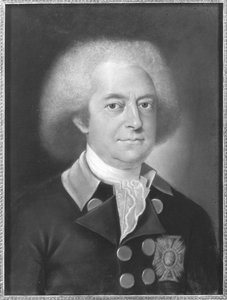
Nikolaus Lauer
1753 - 1824 , Deutschland
Kurzinfos
- Artistic Movement Or Style: Porträtmalerei (Pastell)
- Date Of Birth: 21. Juli 1753
- Date Of Death: 29. April 1824
- Full Name: Nikolaus Lauer
- Nationality: Deutscher
- Notable Artworks:
- Antonie Brentano...
- Franz Brentano...
- Place Of Birth: St. Wendel, Deutschland
Ähnliche Artikel
Die Subtilität der Pastelltechnik: Geschichte, Anwendung und emotionale Resonanz
Entdecken Sie die faszinierende Welt der Pastellmalerei! Erfahren Sie mehr über Technik, Geschichte und berühmte Künstler. Hochwertige Reproduktionen bei ArtsDot.
Meisterwerke des 19. Jahrhunderts: Kunst für Ihr Zuhause | ArtsDot
Entdecken Sie die 10 bedeutendsten Kunstwerke des 19. Jahrhunderts! Von Impressionismus bis Realismus – erleben Sie die Geschichten berühmter Maler und ihre Meisterwerke. Hochwertige Reproduktionen für Ihr Zuhause auf ArtsDot.com.
The Subdued Radiance of Pastel: Exploring Nuance & Emotion in Art
Explore the nuanced world of pastel art! Discover its history, techniques & emotional power with expert insights from ArtsDot.com. Find museum-quality reproductions and learn about collecting this delicate medium.
The Enduring Legacy of Family Portraiture: A Historical & Artistic Exploration
Explore the rich history of family portraiture with ArtsDot. Discover artistic styles, symbolism & collecting insights. Commission a custom oil painting or appraise your existing artwork today!
The Subdued Radiance of Pastel Palettes: Exploring Emotional Resonance in Art History
Explore the emotional power of pastel palettes in art history! Discover Impressionism, Post-Impressionism & color psychology insights. Find museum-quality reproductions at ArtsDot.

