

 Vorschau anzeigen
 Versenden
 Teilen
 Details anzeigen

 Herunterladen
 Ähnliche Objekte
 Röntgenaufnahme
 Diashow
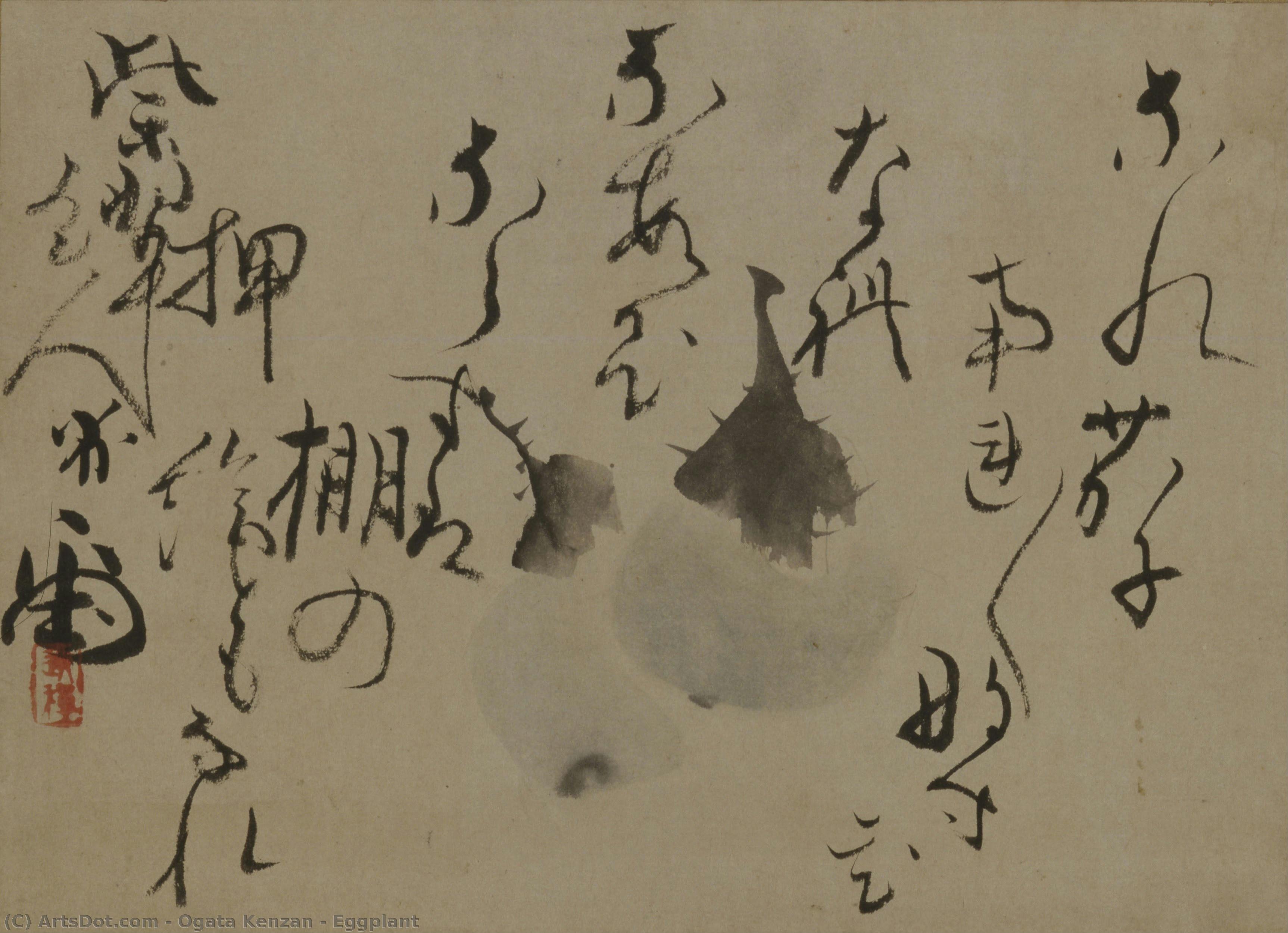
Eggplant
 27.0 x 20.0 cm
 Fukuoka Kunstmuseum
 Weiterlesen
Erwerben Sie ein hochauflösendes, optimiertes digitales Bild, das der Online-Vorschau weit überlegen ist.
Jede Datei wird von unseren hauseigenen Spezialisten mit modernsten Werkzeugen und fachmännischer manueller Retusche sorgfältig vorbereitet. Wir stellen sicher, dass jedes Bild eine außergewöhnliche Klarheit, präzise Farbgenauigkeit und feinste Details aufweist.
Die endgültige Datei wird innerhalb von 72 Stunden per E-Mail zugestellt und ist für den sofortigen Einsatz in professionellen, redaktionellen und Druckumgebungen optimiert. Es handelt sich um dieselbe Qualität, der führende Designstudios, Verlage und Galerien vertrauen.
Digitales Bild
Laden Sie eine hochauflösende Datei für die persönliche Präsentation, den Druck und kreative Projekte herunter. ( Druck bestellen Handgemalte Reproduktion bestellen)
In jeder Bestellung digitaler Bilder enthalten
Professionelle digitale Bereitstellung, garantiert
Wenn Sie sich für ArtsDot.com entscheiden, erhalten Sie nicht nur ein Bild – Sie erhalten ein professionell aufbereitetes digitales Kunstwerk, das mit höchster Präzision erstellt und durch eine Zufriedenheitsgarantie abgesichert wird. Hier ist alles, was automatisch mit Ihrer Bestellung geliefert wird:

Schnelle E-Mail-Zustellung
Ihre hochauflösende digitale Bilddatei wird Ihnen innerhalb von 72 Stunden nach der Bestellung per E-Mail zugestellt – bereit zur sofortigen Verwendung.

KI-optimierte digitale Datei
Ihre Kunstwerke werden professionell mithilfe fortschrittlicher KI-Tools und manueller Bearbeitung optimiert, um maximale Detailtreue, Klarheit und Farbgenauigkeit zu gewährleisten.

Lebenslanger kostenloser Neudruckservice
Datei versehentlich gelöscht oder verloren? Keine Sorge – wir senden sie Ihnen jederzeit kostenlos erneut zu.

Keine Einfuhrgebühren – jemals
Genießen Sie Ihr Kunstwerk sofort ohne Zollgebühren, Einfuhrabgaben oder Versandkosten – digitale Downloads sind immer steuerfrei.

Garantierte Farbtreue
Wir garantieren, dass Ihr digitales Bild mithilfe professioneller Werkzeuge und Farbmanagement die Originalfarben so präzise wie möglich wiedergibt.

100-Tage-Zufriedenheitsgarantie
Wenn Sie mit Ihrem digitalen Bild nicht zufrieden sind, werden wir es überarbeiten oder 100% innerhalb von 100 Tagen erstatten – ohne Wenn und Aber.

100% Geld-zurück-Garantie
Nicht zufrieden? Erhalten Sie innerhalb von 100 Tagen nach Erhalt Ihrer digitalen Datei eine vollständige Rückerstattung – ohne Wenn und Aber.

Rabatte bei Großbestellungen
3 Bilder kaufen, 10% sparen – 5 Bilder kaufen, 15% sparen – Ab 10 Bildern 20% sparen. Ideal für kreative Projekte, Galerien und Agenturen.
Ähnliche Kunstwerke










Biografie des Künstlers
The Soul of the Edo Period: The Life and Legacy of Ogata Kenzan
In the vibrant, culturally rich landscape of the Edo period, few names resonate with as much grace and multidisciplinary mastery as Ogata Kenzan. Born in 1663 as Ogata Shinsei into a prosperous Kyoto kimono merchant family, Kenzan was destined for a life steeped in the finest aesthetics of Japan. His upbringing within the Kariganeya shop—a business patronized by the very elite of the Tokugawa shogunate—provided him with an intimate understanding of texture, pattern, and the profound importance of visual harmony. While his elder brother, the legendary painter Ogata Kōrin, would go on to define the expressive brushwork of the Rinpa school, Kenzan carved a unique path that bridged the gap between the tactile world of ceramics and the ethereal realm of painting.
Kenzan’s artistic journey was deeply rooted in the traditions of Kyoto. He sought mentorship under the esteemed potter Nonomura Ninsei, whose mastery of Kyō ware provided Kenzan with a foundational command over subtle glazes and elegant forms. This training was not merely technical; it was an immersion into a philosophy where every vessel held the potential for storytelling. As he matured, Kenzan established his own kiln in Narutaki, mirroring the workshop environments of his predecessors. His work began to reflect a revolutionary approach to ceramics, where he treated the clay surface not just as a functional medium, but as a canvas for intricate, painterly compositions.
A Symbiosis of Clay and Canvas
The true brilliance of Kenzan lies in his ability to fuse disparate artistic disciplines into a singular, cohesive vision. Through his close collaboration with his brother Kōrin, Kenzan became a pivotal figure in the Rinpa school. Together, they pioneered a style characterized by asymmetrical arrangements and evocative depictions of the natural world. In Kenzan’s hands, pottery became an extension of painting. He utilized the ceramic surface to express themes of seasonal change, using graceful grasses, delicate blossoms, and flowing water to breathe life into stoneware and porcelain.
His technical achievements were marked by a sophisticated use of Kyō ware and Kiyomizu ware techniques. Kenzan’s signature style often featured:
- Intricate Decorative Motifs: The use of bold yet delicate designs that captured the fleeting beauty of nature, such as autumn ivy or spring blossoms.
- Calligraphic Integration: A seamless blending of poetic text and visual imagery, where the rhythm of the brushstrokes in calligraphy complemented the organic shapes of the painted flora.
- Innovative Glazing: The application of subtle, translucent glazes that allowed for a sense of depth and three-dimensionality even within a relatively flat design language.
As he aged, Kenzan’s focus shifted. In his later years, having passed the stewardship of his ceramics studio to his adopted son, he turned his full attention toward purely graphic works. This period saw him producing striking paintings and calligraphy that leaned into a more minimalist, graphic aesthetic, proving that his creative spirit remained undiminished by time.
Historical Significance and Enduring Influence
The historical importance of Ogata Kenzan extends far beyond the boundaries of 18th-century Japan. He was a master of tranquility and innovation, a creator who could honor the weight of tradition while simultaneously pushing the boundaries of what a ceramic object could represent. His ability to elevate functional objects—bowls, plates, and tea utensils—into works of high art fundamentally altered the trajectory of Japanese decorative arts.
Today, Kenzan is remembered not just as a potter or a painter, but as a complete artist whose work embodies the spirit of the Edo period. His legacy lives on in the enduring popularity of the Rinpa style and in the continued reverence for Kyō ware. To study a piece by Kenzan is to witness a profound dialogue between the earth and the brush, a testament to a life spent seeking beauty in the simplest forms of nature. His influence remains a cornerstone for collectors and scholars alike, standing as a monumental pillar of Japanese cultural heritage.
ogata kenzan
1663 - 1743
Kurzinfos
- Artistic Movement Or Style: Rinpa School
- Artists Or Movements Influenced By This Artist: ["Hon'ami Kōetsu"]
- Artists Who Influenced This Artist: ['Ogata Kōrin']
- Date Of Death: 1743
- Full Name: Ogata Kenzan
- Nationality: Japanese
- Notable Artworks: ['Autumn Flowerbaskets']
- Place Of Birth: Kyoto