

 Vorschau anzeigen
 Versenden
 Teilen
 Details anzeigen

 Herunterladen
 Ähnliche Objekte
 Röntgenaufnahme
 Diashow
 Statistiken
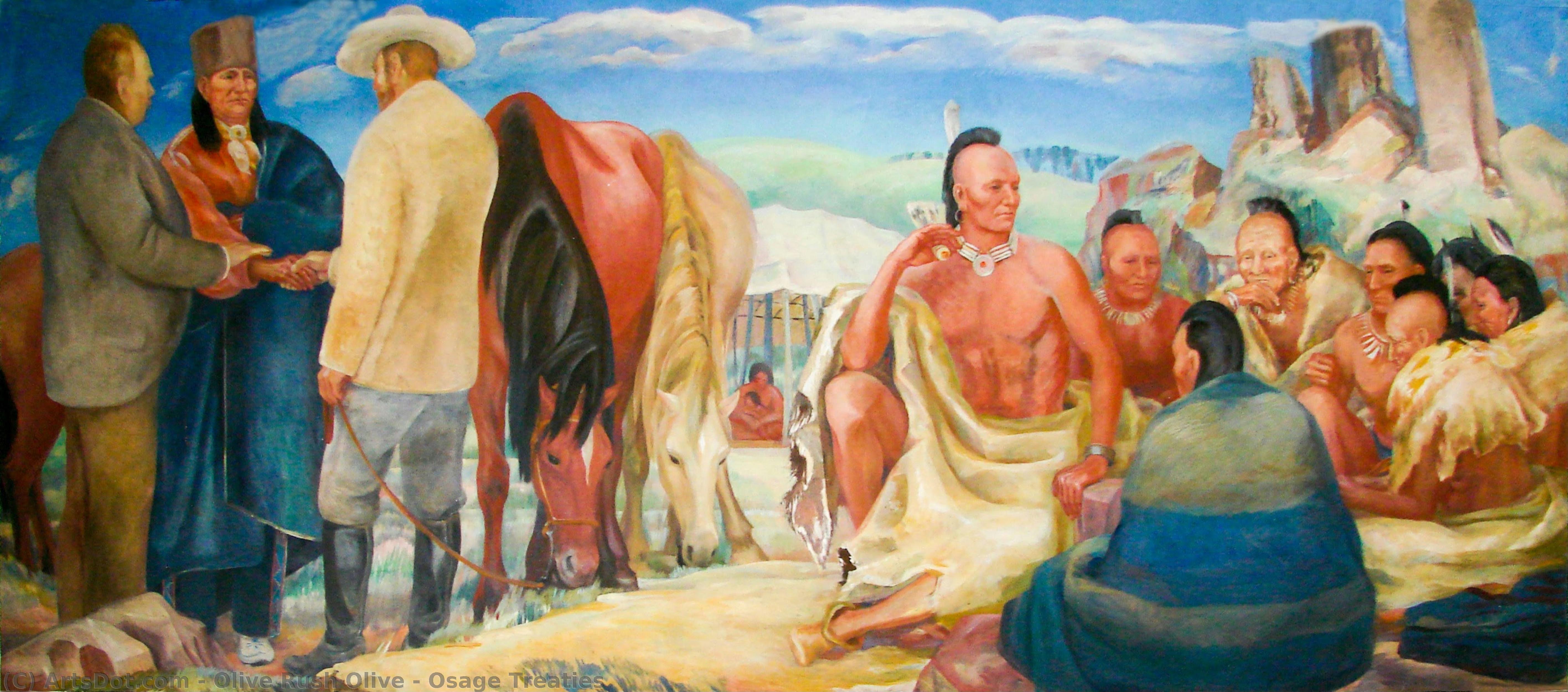
Osage Treaties


 Weiterlesen
Handgefertigte Ölreproduktion
Handgemaltes Ölgemälde auf Leinwand in Ihrer Wunschgröße und mit Rahmen, auf Bestellung von unseren Künstlern angefertigt. ( Zu Druck wechseln Zum digitalen Bild wechseln)




P118B $10

P118H $10

P118W $10

P438Z $10

P508JH $12

P508YH $12

P805H $10

P805Z $10

P919BZ $10

P919G $10

P919XJ $10

P959ZH $10

P968JZ $12

W106C $8

W218G $10

W218JH $8

W218Y $10

W307PJ $10

W316G $10

W316PJ $8

W316Y $10

W398PJ $8

W4111J $10

W500HY $15

W500JH $15

W692G $12

W849H $8

W940BG $15

W953PJ $8




Wählen Sie aus unseren vordefinierten Formaten, die den ursprünglichen Proportionen des Kunstwerks entsprechen.

Sie können Ihre eigenen Maße eingeben, um einen bestimmten Rahmen oder Platz auszufüllen. Wenn die gewählte Größe nicht den Proportionen des Originalbildes entspricht, werden wir das Kunstwerk entweder beschneiden oder das Gemälde durch zusätzliche, handgemalte Elemente erweitern. Ein digitales Mockup wird Ihnen zur Genehmigung zugesandt, bevor die Produktion beginnt.
Bitte beachten Sie, dass die Bildschirmvorschau nicht die tatsächliche Beschneidung oder Erweiterung widerspiegelt. Nur das Mockup zeigt die endgültige Komposition exakt an.
Obwohl Sondermaße verfügbar sind, empfehlen wir, eine Größe aus der vordefinierten Liste zu wählen, um die ursprünglichen Proportionen beizubehalten.
Nach der Bestellung wird das ArtsDot.com-Team dem Kunden Anweisungen per E-Mail zusenden und eine Mockup-Vorschau bereitstellen.
Weltweiter Versand () in nur 3 bis 4 Wochen statt der üblichen 5 Wochen. (9 September). Keine Kompromisse bei der Qualität.

Kostenloser weltweiter Expressversand

Hochwertige Leinenleinwand

Umfassender Versicherungsschutz beim Versand

Zollgebühren-Rückerstattungsgarantie

Garantie für exakte Farbtreue

100-Tage-Rückgaberecht (nur bei Mängeln)

100% Geld-zurück-Garantie

Mengenrabatt verfügbar
 Die Glasoption ist nur für Größen unter 110 cm verfügbar.

Osage Treaties
Art der Reproduktion
Format der Reproduktion
-


Gesamtpreis
$ 263
A Tapestry of Heritage: The Soul of Osage Treaties
In the quiet, evocative strokes of Olive Rush’s 1938 masterpiece, Osage Treaties, we are transported to a pivotal moment of cultural intersection and communal gathering. This mural-style painting serves as more than just a visual record; it is a window into a profound historical dialogue. The scene unfolds with a sense of solemnity and shared purpose, depicting a group of individuals gathered within a Native American setting that feels both grounded in the earth and elevated by spirit. As the eye wanders across the canvas, one encounters the rhythmic presence of men standing in quiet solidarity, some adorned in the formal attire of the era, others seated in contemplative repose. The inclusion of horses—stately figures positioned with careful balance—anchors the composition to the landscape, symbolizing the vital bond between the people and the natural world that sustained them.
The technique employed by Rush reflects her sophisticated training at the Art Students League and her deep immersion in the muralist traditions of the New Deal era. There is a deliberate, almost sculptural quality to the figures, a characteristic of her work that bridges the gap between fine art illustration and large-scale public storytelling. The brushwork, while maintaining a sense of softness, possesses a structural integrity that gives weight to every character and creature depicted. A subtle, watchful presence—a bird perched near the upper periphery—adds a layer of quiet observation, suggesting that even in moments of human negotiation and treaty-making, the natural world remains an eternal witness to the unfolding of history.
Historical Resonance and Artistic Legacy
To understand Osage Treaties is to understand the transformative journey of Olive Rush herself. Moving from the bustling studios of New York and the academic halls of Europe to the sun-drenched landscapes of Santa Fe, Rush became a vital conduit for the preservation and promotion of Native American artistry. This piece, created during the height of her muralist career, embodies the spirit of the Treasury Department’s Section of Painting and Sculpture, an initiative that sought to bring high art to the American public through post offices and civic spaces. The painting captures the tension and the hope inherent in the concept of a treaty—a moment where diplomacy meets tradition.
For the discerning collector or interior designer, this artwork offers a profound emotional depth that transcends mere decoration. It is a piece that invites conversation, acting as a centerpiece of cultural storytelling within a sophisticated living space or a curated gallery. The muted, earthy palette and the dignified composition provide a sense of timelessness, making it an ideal selection for those looking to infuse their environment with themes of heritage, peace, and the enduring strength of community. Owning a reproduction of such a significant work is an opportunity to preserve a fragment of American history, celebrating a legacy of artistic collaboration and the unbreakable threads that bind different worlds together.
Ähnliche Kunstwerke
Über den Künstler
Frühes Leben und Ausbildung
- Geboren: 10. Juni 1873, nahe Fairmount, Indiana
- Gestorben: 20. August 1966, Santa Fe, New Mexico
- Familiärer Hintergrund: Olive Rush war das vierte von sechs Kindern der Quaker-Bauern Nixon und Louisa Rush aus Grant County, Indiana.
- Frühe Interessen: Bereits im Alter von 13 Jahren begann sie Tagebuch zu führen, um ihr Leben, ihre Studien und ihre Erfahrungen festzühlen.
- Ausbildung: Sie besuchte das Earlham College und studierte an der Corcoran Gallery of Art sowie an der Art Students League, bevor sie in New York als Illustratorin tätig wurde.
Berufliche Entwicklung und künstlerischer Stil
- Frühe Karriere (Illustration): Sie arbeitete als festangestellte Künstlerin für die New York Tribune und illustrierte Bücher sowie Zeitschriften wie St. Nicholas und Woman's Home Companion.
- Europastudien: Sie studierte bei Richard Miller in Paris und später an der Boston Museum School.
- Umzug nach New Mexico (1920): Ein entscheidender Wendepunkt, der sie dazu bewog, ihre eigene Kunst über die kommerzielle Arbeit zu stellen. Sie gründete ein Atelier in der Canyon Road in Santa Fe.
- Künstlerischer Stil: Ihr Stil entwickelte sich vom illustrativen Realismus hin zu einer Verschmelzung mit den Elementen der Landschaft des Südwestens und der indigenen Kultur. Sie arbeitete mit verschiedenen Medien, darunter Ölmalerei, Fresko und Tempera.
- Bedeutende Werke: Osage Treaties (Wandgemälde für das Postamt in Pawhuska), The Library Reaches the People (Fresko in der öffentlichen Bibliothek von Santa Fe).
WPA-Wandgemälde und Anerkennung
- Works Progress Administration (WPA): Sie wurde beauftragt, Wandgemälde im Rahmen der „Section of Painting and Sculpture“ des New Deal zu malen.
- Wandbildprojekte: Sie schuf Fresken für Postämter, Bibliotheken und andere öffentliche Gebäude in Oklahoma, Colorado und New Mexico. Diese Werke stellten oft inspirierende Themen dar und feierten das amerikanische Leben.
- Anerkennung: Retrospektive Ausstellung in der Museum of New Mexico Art Gallery im Jahr 1957.
- Ehrendoktorat: Im Jahr 1947 erhielt sie einen Ehrendoktorgrad in Bildender Kunst vom Earlham College.
Einfluss und Vermächtnis
- Pionierin in der Ausbildung indigener Kunst: Sie spielte eine bedeutende Rolle bei der Förderung der Kunst der amerikanischen Ureinwohner und leitete Wandbildprojekte an der Santa Fe Indian School.
- Erste professionelle Künstlerin in Santa Fe: Sie etablierte sich als prominente Figur in der frühen Künstlerkolonie von Santa Fe.
- Quaker-Werte: Ihre Erziehung im Glauben der Quäker beeinflusste ihr Leben und Werk, wobei sie soziale Verantwortung und gesellschaftliches Engagement betonte.
- Olive Rush Studio: Das historische Haus und Atelier in der Canyon Road, das heute der Historic Santa Fe Foundation gehört, steht als Zeugnis ihres Vermächtnisses und ihrer Beiträge zur Kunstwelt und zur Gemeinschaft von Santa Fe.
Sammlungen und weiterführende Informationen
- Museen mit ihren Werken: Brooklyn Museum in New York City, Haan Mansion Museum of Indiana Art, Indianapolis Museum of Art, Smithsonian American Art Museum.
- Archive: Ein Findmittel zu den Papieren von Olive Rush (1879–1967) ist in den Archives of American Art der Smithsonian Institution verfügbar.
- Online-Ressourcen: Die Websites der Medicine Man Gallery und der Historic Santa Fe Foundation bieten biografische Informationen und Einblicke in ihr Leben und Schaffen.
Olive Rush
1873 - 1966 , Vereinigte Staaten
Kurzinfos
- Artistic Movement Or Style: Muralismus, Illustration
- Date Of Birth: 10. Juni 1873
- Date Of Death: 20. August 1966
- Full Name: olive rush olive
- Nationality: Amerikanisch
- Notable Artworks:
- Osage Treaties
- Library Reaches the People
- Place Of Birth: Fairmount, Vereinigte Staaten
Ähnliche Artikel
Foyer als Kunstwerk: Wandbilder für einen unvergesslichen ersten Eindruck
Verwandeln Sie Ihr Foyer in ein Kunstwerk! Entdecken Sie exklusive Wandbilder & maßgefertigte Lösungen für einen stilvollen ersten Eindruck. Expertenberatung von .
Designers lieben Wandgemälde: So verwandeln sie Räume in stilvolle Rückzugsorte
Entdecken Sie die Welt der Wandmalerei für Hotels & Design! Expertenratgeber zu Materialien, Stilen & individuellen Lösungen. Verwandeln Sie Räume in Kunstwerke – mit .
Von Dschungelmotiven zu Goldblattgeometrie: Die Top Wandmalereitrends für Hotels
Entdecken Sie die neuesten Wandmalereitrends für Hotels! Exklusive Designs, hochwertige Materialien & Expertenberatung von – Ihr Partner für einzigartige Raumgestaltung.
Maßgeschneiderte Wandmalerei: Wie sie Ihre Markenidentität visuell stärkt
Maßgeschneiderte Wandmalereien für Hotels & Gastronomie! Experten-Beratung, hochwertige Materialien & einzigartige Designs. Verleihen Sie Ihrem Raum Persönlichkeit – .
Wandmalereien als Gestaltungselement: Raumkonzepte durch Kunst und Stil definieren
Entdecken Sie die transformative Kraft von Wandmalereien! Expertenratgeber für Hotellerie & Innenarchitektur. Individuelle Kunstwerke für einzigartige Räume – jetzt informieren!