

 Vorschau anzeigen
 Versenden
 Teilen
 Details anzeigen

 Herunterladen
 Ähnliche Objekte
 Röntgenaufnahme
 Diashow
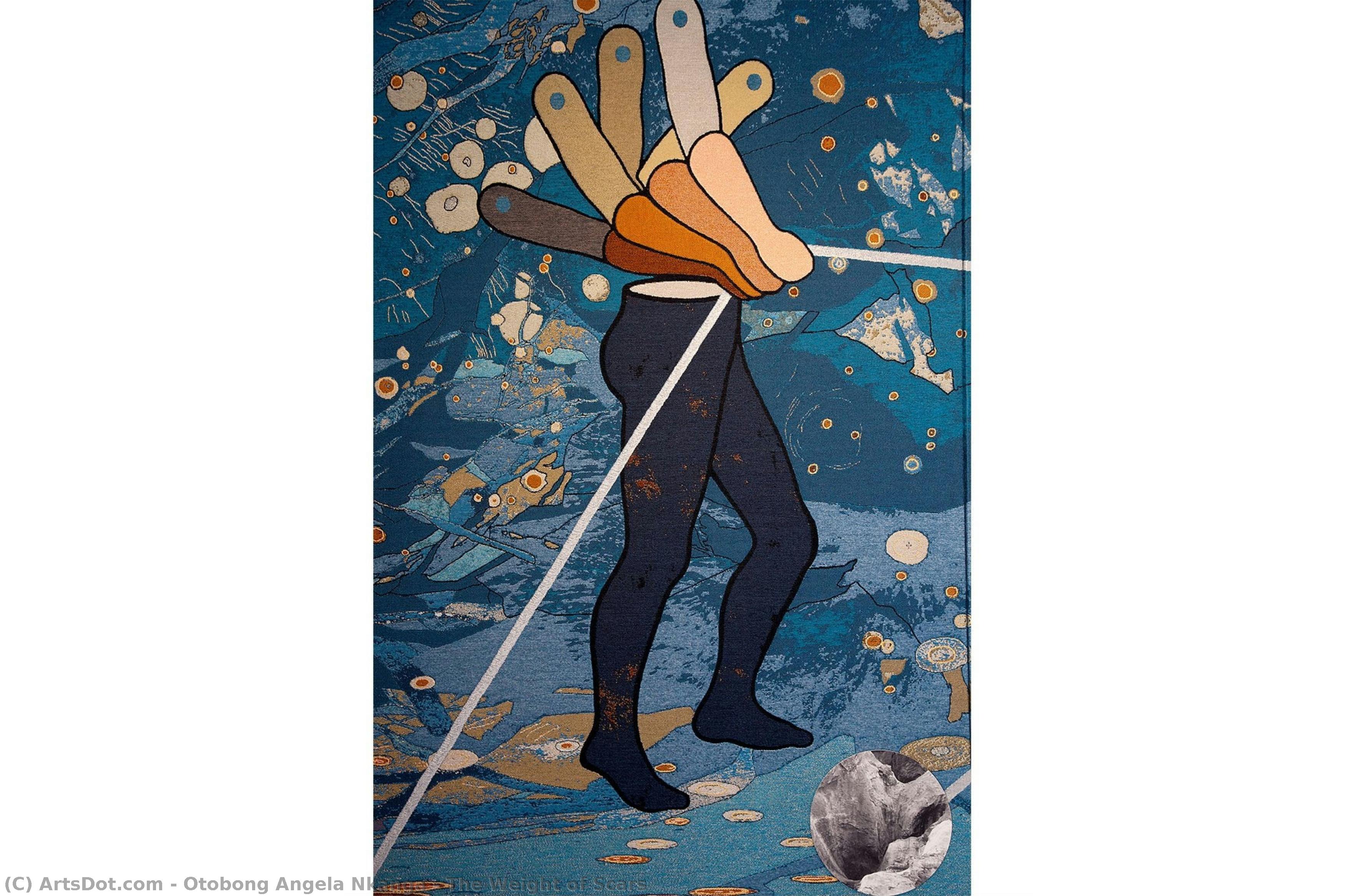
The Weight of Scars
 2015
2015 253.0 x 153.0 cm
 EVA International
 Weiterlesen
Giclée / Kunstdruck
Giclée- oder Leinwanddruck in Museumsqualität mit schneller Produktion und flexiblen Veredelungsoptionen. ( Handgemalte Reproduktion bestellen Bild kaufen)




































Wählen Sie aus unseren vordefinierten Formaten, die den ursprünglichen Proportionen des Kunstwerks entsprechen.

Sie können Ihre eigenen Maße eingeben, um ein bestimmtes Format oder einen speziellen Platz einzupassen. Wenn das von Ihnen gewählte Format nicht den Proportionen des Originalbildes entspricht, werden wir das Kunstwerk entweder beschneiden oder das Bild mit einem gespiegelten oder einfarbigen Rand erweitern. Ein digitaler Entwurf wird Ihnen zur Genehmigung zugesandt, bevor die Produktion beginnt.
Bitte beachten Sie, dass die Vorschau auf dem Bildschirm nicht den tatsächlichen Zuschnitt oder die Erweiterung widerspiegelt. Nur der Entwurf zeigt die endgültige Komposition präzise an.
Obwohl Sondermaße verfügbar sind, empfehlen wir die Auswahl eines Maßes aus der vordefinierten Liste, um die ursprünglichen Proportionen zu bewahren.
Weltweiter Versand () innerhalb von 2 Wochen statt der üblichen 4/5 Wochen. (28 August)

Kostenloser weltweiter Expressversand

Hochwertige Leinenleinwand

Umfassender Versicherungsschutz beim Versand

Zollgebühren-Rückerstattungsgarantie

Garantie für exakte Farbtreue

60 Tage Rückgaberecht (nur bei Mängeln)

100% Geld-zurück-Garantie

Mengenrabatt verfügbar
 Die Glasoption ist nur für Größen unter 110 cm verfügbar.

The Weight of Scars
Giclée / Kunstdruck
Format der Reproduktion
-


Gesamtpreis
$ 62
Ähnliche Kunstwerke





Über den Künstler
Otobong Nkanga: Exploring Earth’s Resonance Through Textile and Performance
Nigerian artist Otobong Nkanga's work stands as a powerful testament to the intersection of observation, materiality, and cultural understanding—a realm where the seemingly simple act of examining earth yields profound insights into social landscapes. Born in Kano, Nigeria, in 1974, Nkanga’s artistic journey began with formal studies at Obafemi Awolowo University in Ile-ife, Nigeria, followed by a deeper immersion in European art traditions at École nationale supérieure des beaux-arts in Paris. This dual grounding informs her distinctive approach to creating art that speaks directly to the complexities of contemporary Africa. Her artistic practice centers around tapestry weaving and performance art, mediums she skillfully employs to investigate themes of displacement, resilience, and the enduring legacy of colonialism. Her canvases—often monochrome—are populated by meticulously crafted textiles layered upon one another, mirroring geological strata and subtly hinting at narratives embedded within geographical space. These fabrics aren't merely decorative; they are imbued with symbolic significance, reflecting ancestral knowledge and responding to environmental concerns – specifically, the importance of soil and earth as repositories of cultural memory. A pivotal moment in Nkanga’s career arrived in 2015 when she was awarded the Yanghyun Prize, recognizing her commitment to artistic innovation and conceptual depth. This accolade propelled her into a wider international spotlight, showcasing her ability to articulate urgent questions about identity and place within a global context. Her work has garnered acclaim from prestigious institutions like Tate Modern, KW Institute Berlin, Stedelijk Museum Amsterdam, and the Sharjah Biennial, cementing her position as one of Nigeria’s most compelling voices in contemporary art. Participation in Sydney Biennale further solidified her reputation for tackling ambitious artistic projects that engage with critical social dialogues. Her exploration of “Tsumeb Fragments,” a striking black and white photograph by Pieter Hugo, exemplifies Nkanga's fascination with topographical representations—images that capture the essence of specific locations while simultaneously hinting at broader narratives about human experience. Hugo’s photograph depicts layered tables laden with objects – a deliberate gesture mirroring geological formations and prompting contemplation on how landscapes shape our understanding of history and culture. This piece underscores Nkanga’s dedication to translating observation into artistic expression, prioritizing materiality and conceptual rigor. Furthermore, Nkanga's ongoing engagement with performance art contributes to her multifaceted artistic vision. Through immersive installations and choreographed movements, she seeks to disrupt conventional viewing practices and invite audiences to consider alternative perspectives on social realities. Her work consistently champions a humanist approach—one that acknowledges the interconnectedness of individuals and environments—and reaffirms the transformative potential of art as a tool for fostering empathy and challenging dominant ideologies. Otobong Nkanga’s legacy rests upon her unwavering commitment to artistic exploration and her ability to articulate the profound resonances between earth, culture, and human experience. ## Early Life and Education Otobong Nkanga was born in Kano, Nigeria, in 1974, and spent the majority of her childhood in Lagos. Her interest in art and the environment developed during her childhood when she would collect minerals and draw images with mica on the pavements of Lagos. Her mother was a polytechnic teacher. Her father died when she was seven. Her mother then had to provide for Nkanga and her three siblings. During her teenage years her family relocated to Paris, France, due to her mother's work. Nkanga studied art at Obafemi Awolowo University in Ile-ife and continued her studies at École des Beaux-Arts in Paris. This formative experience instilled in her a deep appreciation for both Nigerian artistic traditions and European artistic influences—a duality that continues to shape her creative process. ## Artistic Practice and Themes Nkanga’s artistic practice centers around tapestry weaving and performance art, mediums she skillfully employs to investigate themes of displacement, resilience, and the enduring legacy of colonialism. Her canvases—often monochrome—are populated by meticulously crafted textiles layered upon one another, mirroring geological strata and subtly hinting at narratives embedded within geographical space. These fabrics aren't merely decorative; they are imbued with symbolic significance, reflecting ancestral knowledge and responding to environmental concerns – specifically, the importance of soil and earth as repositories of cultural memory. Her exploration of “The Weight of Scars,” a poignant reflection on the impact of extractive industries on marginalized communities, exemplifies Nkanga’s commitment to confronting uncomfortable truths about social injustice. Through her use of textured fabrics and evocative imagery—often incorporating elements of natural pigments—she conveys a powerful message about ecological vulnerability and the need for ethical engagement with environmental challenges. ## Recognition and Exhibitions A pivotal moment in Nkanga’s career arrived in 2015 when she was awarded the Yanghyun Prize, recognizing her commitment to artistic innovation and conceptual depth. This accolade propelled her into a wider international spotlight, showcasing her ability to articulate urgent questions about identity and place within a global context. Her work has garnered acclaim from prestigious institutions like Tate Modern, KW Institute Berlin, Stedelijk Museum Amsterdam, and the Sharjah Biennial, cementing her position as one of Nigeria’s most compelling voices in contemporary art. Participation in Sydney Biennale further solidified her reputation for tackling ambitious artistic projects that engage with critical social dialogues. ## Notable Achievements and Influences Nkanga's work has been featured in major public and private collections such as Studio Museum Harlem, Museum of Contemporary Art, Nevada Museum of Art (NMA), Rabo Art Collection (Rabobank), Weltkulturen Museum, FRAC Lorraine, Queensland Art Gallery Gallery of Modern Art, Kadist Art Foundation, Mu.ZEE Oostende, Museum Folkwang, AkzoNobel Collection, Société Genérale Art Collection, Stedelijk Museum Amsterdam, Stedelijk Van Abbemuseum, Tate Modern London and the Sharjah Art Foundation. Her artistic vision draws inspiration from diverse sources—including geological formations, ethnographic research, and philosophical inquiries into notions of memory and materiality—resulting in artworks that resonate with profound intellectual and emotional depth.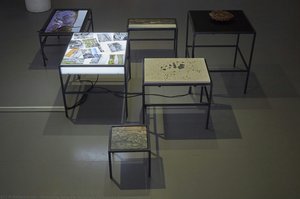
Otobong Nkanga
1974 - , Nigeria
Kurzinfos
- Artistic Movement Or Style: Contemporary African Art
- Date Of Birth: 1974
- Full Name: Otobong Angela Nkanga
- Nationality: Nigerian
- Notable Artworks:
- Tsumeb Fragments
- The Weight of Scars
- Place Of Birth: Kano, Nigeria

