

 Vorschau anzeigen
 Versenden
 Teilen
 Details anzeigen

 Herunterladen
 Ähnliche Objekte
 Röntgenaufnahme
 Diashow
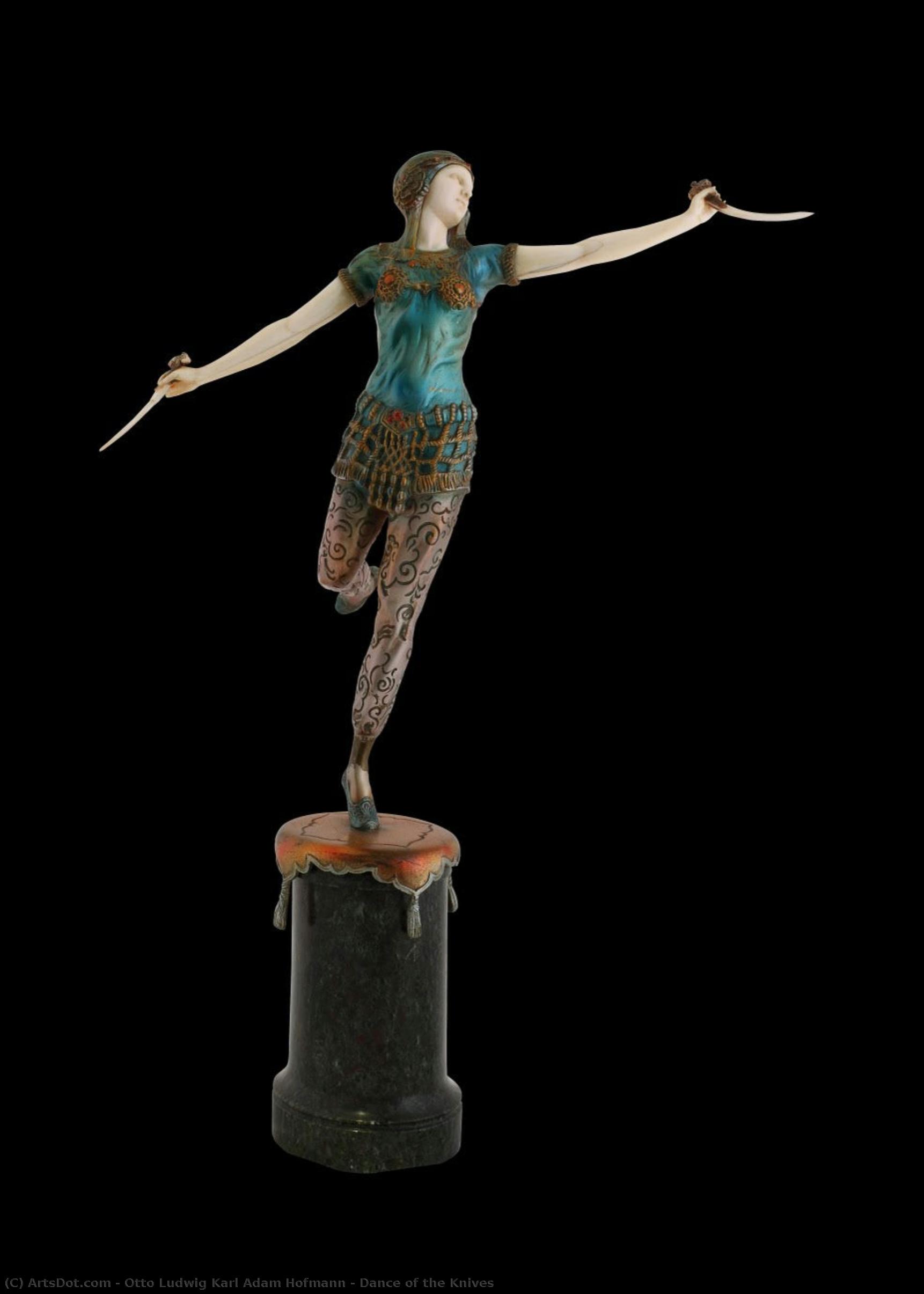
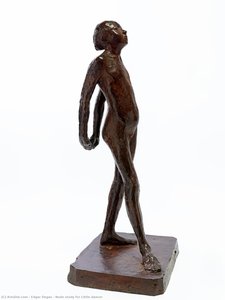
Dance of the Knives


 Weiterlesen
Giclée / Kunstdruck
Giclée- oder Leinwanddruck in Museumsqualität mit schneller Produktion und flexiblen Veredelungsoptionen. ( Handgemalte Reproduktion bestellen Bild kaufen)




































Wählen Sie aus unseren vordefinierten Formaten, die den ursprünglichen Proportionen des Kunstwerks entsprechen.

Sie können Ihre eigenen Maße eingeben, um ein bestimmtes Format oder einen speziellen Platz einzupassen. Wenn das von Ihnen gewählte Format nicht den Proportionen des Originalbildes entspricht, werden wir das Kunstwerk entweder beschneiden oder das Bild mit einem gespiegelten oder einfarbigen Rand erweitern. Ein digitaler Entwurf wird Ihnen zur Genehmigung zugesandt, bevor die Produktion beginnt.
Bitte beachten Sie, dass die Vorschau auf dem Bildschirm nicht den tatsächlichen Zuschnitt oder die Erweiterung widerspiegelt. Nur der Entwurf zeigt die endgültige Komposition präzise an.
Obwohl Sondermaße verfügbar sind, empfehlen wir die Auswahl eines Maßes aus der vordefinierten Liste, um die ursprünglichen Proportionen zu bewahren.
Weltweiter Versand () innerhalb von 2 Wochen statt der üblichen 4/5 Wochen. (2 September)

Kostenloser weltweiter Expressversand

Hochwertige Leinenleinwand

Umfassender Versicherungsschutz beim Versand

Zollgebühren-Rückerstattungsgarantie

Garantie für exakte Farbtreue

60 Tage Rückgaberecht (nur bei Mängeln)

100% Geld-zurück-Garantie

Mengenrabatt verfügbar
 Die Glasoption ist nur für Größen unter 110 cm verfügbar.

Dance of the Knives
Giclée / Kunstdruck
Format der Reproduktion
-


Gesamtpreis
$ 62
Ähnliche Kunstwerke




Über den Künstler
Otto Hoffmann: A Shadow of Nazi Ideology and Artistic Brilliance
Otto Ludwig Karl Adam Hofmann, known simply as Otto Hoffmann, was a German SS-Obergruppenführer whose life intersected tragically with the darkest chapters of twentieth century history while simultaneously producing remarkable artistic achievements. Born in Innsbruck, Austria-Hungary on March 16, 1896, Hoffmann’s early life foreshadowed his later involvement in the Nazi regime, yet it also nurtured a talent for sculpture that would endure beyond the horrors of war—a duality that defines his enduring legacy. Hoffmann's formative years were marked by a privileged upbringing within a merchant family, providing him with access to education and fostering an appreciation for aesthetics—a foundation that would prove crucial to his artistic endeavors. He relocated to Bavaria at age eight, immersing himself in Bavarian culture and establishing roots in a region known for its artistic heritage. His academic pursuits culminated in degrees from Munich University, specializing in sculpture and design. This grounding in classical principles would inform his distinctive style throughout his career—a stylistic choice that reflects both his intellectual rigor and his sensitivity to visual beauty. Hoffmann’s artistic journey began with an interest in Jugendstil (Art Nouveau), reflecting the broader stylistic trends of the era. However, he swiftly embraced Expressionism, aligning himself with artists like Ernst Ludwig Kirchner and Emil Nolde who sought to convey emotional intensity and psychological depth through distorted forms and vibrant colors—a bold departure from traditional artistic conventions that signaled a profound shift in his worldview. This influence is particularly evident in his iconic sculpture “Dance of the Knives,” a dynamic depiction of nude figures engaged in movement—a piece that embodies the anxieties and dynamism characteristic of Expressionist art. The sculpture’s audacious pose and dramatic lighting capture a moment of visceral energy, mirroring Hoffmann's own engagement with turbulent times and highlighting the artist’s ability to translate emotional turmoil into tangible form. His involvement with the Nazi Party began in 1923, fueled by nationalist sentiments and disillusionment with Weimar Republic politics—a decision that irrevocably altered the trajectory of his life. Hoffmann rapidly ascended through the ranks of SS leadership, becoming head of the SS Race and Settlement Main Office (rusha), tasked with implementing racial policies and overseeing the resettlement of German citizens deemed undesirable. This role placed him at the epicenter of Nazi persecution and contributed to his conviction for war crimes and crimes against humanity during the RuSHA Trial in 1948—a sobering reminder of the moral compromises inherent in serving a regime committed to barbarity. Despite facing imprisonment, Hoffmann’s artistic legacy persisted—a testament to his creative spirit amidst a period of profound moral darkness. Released in April 1954, Hoffmann continued to sculpt, producing works that explored themes of mythology and symbolism—particularly “Pierrot,” a bronze sculpture created during the Art Deco period. The piece's graceful form and intricate detailing showcase Hoffmann’s masterful technique and aesthetic sensibilities—a skill honed throughout his life and demonstrating an unwavering dedication to artistic excellence despite the shadow cast by his past affiliations. His sculptures stand as reminders not only of his artistic prowess but also of the complex contradictions inherent in a man who simultaneously championed artistic innovation and participated in one of history’s most appalling injustices—a duality that ensures Otto Hoffmann's place in art history as both a brilliant sculptor and a troubling figure whose life serves as a poignant illustration of the perils of ideological conviction.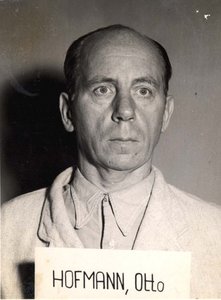
Otto Hoffmann
1896 - 1982 , Österreich
Kurzinfos
- Artistic Movement Or Style: Expressionismus
- Artists Who Influenced This Artist:
- Ernst Ludwig Kirchner
- Emil Nolde
- Date Of Birth: March 16, 1896
- Date Of Death: December 31, 1982
- Full Name: Otto Ludwig Karl Adam Hofmann
- Nationality: Deutsch
- Notable Artworks:
- Dance of the Knives
- Pierrot
- Place Of Birth: Innsbruck, Tirol

