 Versenden
 Teilen
 Details anzeigen

 Herunterladen
 Ähnliche Objekte
 Diashow
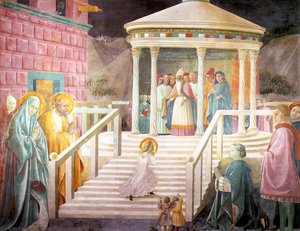
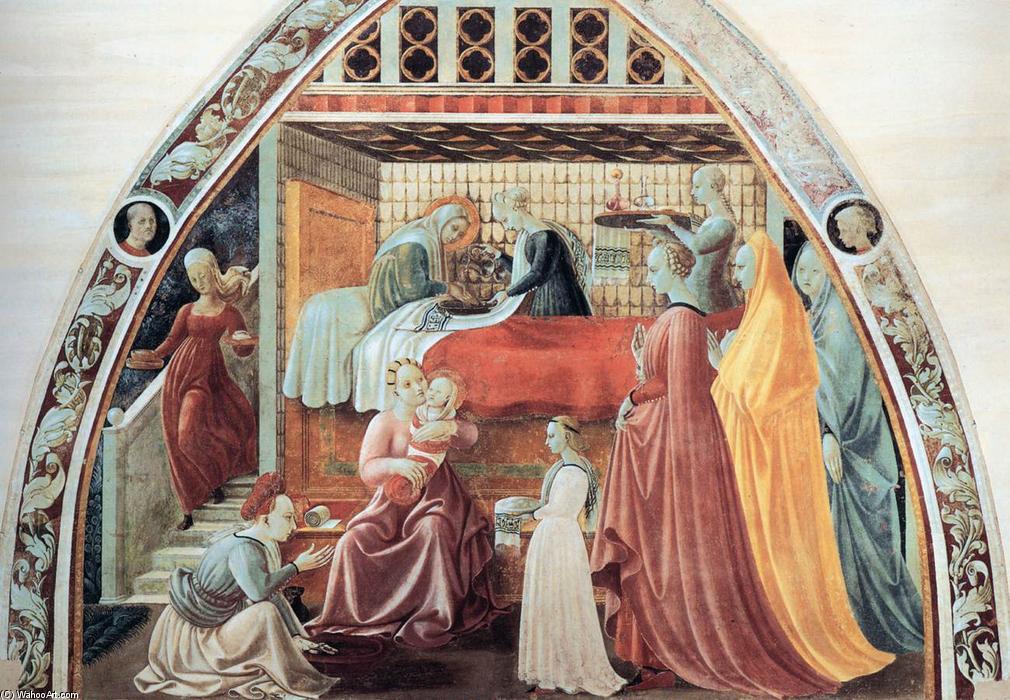
Birth of the Virgin
 Fresko
- Early Renaissance
 1435
1435- Renaissance
 302.0 x 361.0 cm
 Duomo
Duomo
 Weiterlesen
Giclée / Kunstdruck
Giclée- oder Leinwanddruck in Museumsqualität mit schneller Produktion und flexiblen Veredelungsoptionen. ( Handgemalte Reproduktion bestellen Bild kaufen)




































Wählen Sie aus unseren vordefinierten Formaten, die den ursprünglichen Proportionen des Kunstwerks entsprechen.

Sie können Ihre eigenen Maße eingeben, um ein bestimmtes Format oder einen speziellen Platz einzupassen. Wenn das von Ihnen gewählte Format nicht den Proportionen des Originalbildes entspricht, werden wir das Kunstwerk entweder beschneiden oder das Bild mit einem gespiegelten oder einfarbigen Rand erweitern. Ein digitaler Entwurf wird Ihnen zur Genehmigung zugesandt, bevor die Produktion beginnt.
Bitte beachten Sie, dass die Vorschau auf dem Bildschirm nicht den tatsächlichen Zuschnitt oder die Erweiterung widerspiegelt. Nur der Entwurf zeigt die endgültige Komposition präzise an.
Obwohl Sondermaße verfügbar sind, empfehlen wir die Auswahl eines Maßes aus der vordefinierten Liste, um die ursprünglichen Proportionen zu bewahren.
Weltweiter Versand () innerhalb von 2 Wochen statt der üblichen 4/5 Wochen. (22 August)

Kostenloser weltweiter Expressversand

Hochwertige Leinenleinwand

Umfassender Versicherungsschutz beim Versand

Zollgebühren-Rückerstattungsgarantie

Garantie für exakte Farbtreue

60 Tage Rückgaberecht (nur bei Mängeln)

100% Geld-zurück-Garantie

Mengenrabatt verfügbar
 Die Glasoption ist nur für Größen unter 110 cm verfügbar.

Birth of the Virgin
Giclée / Kunstdruck
Format der Reproduktion
-


Gesamtpreis
$ 62
Sammlerstück-Beschreibung
The Birth of the Virgin – A Renaissance Vision by Paolo Uccello
Paolo Uccello’s “Birth of the Virgin,” painted in 1435, is more than just a depiction of a biblical scene; it's a meticulously crafted window into the burgeoning intellectual and artistic landscape of early Florence. This fresco, measuring an impressive 302 x 361 cm, captures a pivotal moment with a dynamism rarely seen in contemporary religious art. The scene unfolds within a richly detailed interior, populated by twelve figures – men and women alike – gathered around the bed where Mary lies. Uccello’s genius isn't simply in his representation of the event itself, but in his masterful manipulation of space and perspective, hallmarks of his pioneering approach to visual storytelling.
Uccello was a true innovator, deeply influenced by the mathematical principles underpinning Renaissance art. Giorgio Vasari famously described Uccello’s obsession with perspective, noting his tireless efforts to grasp the precise vanishing point. This dedication is strikingly evident here; the figures are arranged not just realistically but strategically, creating an illusion of depth that draws the viewer into the heart of the scene. The use of linear perspective isn't merely a technical exercise; it serves to heighten the emotional impact, emphasizing the sacredness and wonder of Mary’s birth.
Technical Brilliance & Florentine Style
Executed in fresco – a technique demanding immediate completion due to its nature – “The Birth of the Virgin” showcases Uccello's exceptional skill. The vibrant colors, though faded over time, reveal his mastery of pigment mixing and layering. Note the rich blues and reds used for the drapery, contrasting with the softer tones of Mary’s garments. Uccello’s brushwork is characterized by a confident, almost energetic application of paint, particularly evident in the depiction of textures – the folds of cloth, the smoothness of skin, and the details of the surrounding architecture.
The painting firmly belongs to the Florentine style prevalent during this period. While influenced by Gothic traditions, Uccello’s work demonstrates a clear move towards classical ideals of balance, harmony, and clarity. The composition is carefully balanced, with attention paid to proportion and detail – characteristics that were becoming increasingly important in Renaissance art.
Symbolism & Human Drama
Beyond the purely religious narrative, “The Birth of the Virgin” is rich in symbolic meaning. The gathering of twelve figures represents a broader community united in celebration and reverence. Each individual contributes to the scene’s emotional intensity – some standing close to Mary, offering support; others further back, expressing awe and wonder. Uccello doesn't simply depict an event; he captures a moment of profound human emotion – joy, hope, and faith.
The baby Jesus, held by one of the figures, is presented with a serene dignity, embodying innocence and divine grace. The overall atmosphere is one of joyful celebration, reflecting the significance of this momentous occasion in Christian belief. Uccello’s ability to imbue his figures with personality and emotion elevates the scene beyond a simple religious illustration, transforming it into a powerful testament to human experience.
A Masterpiece Recreated
ArtsDot offers meticulously hand-painted reproductions of Paolo Uccello's “Birth of the Virgin,” allowing you to bring this extraordinary Renaissance masterpiece into your home or office. Our skilled artisans replicate Uccello’s techniques and attention to detail, ensuring that your reproduction captures the full beauty and emotional power of the original. Whether you are an art collector, interior designer, or simply someone who appreciates exceptional artistry, a ArtsDot reproduction of “The Birth of the Virgin” is a timeless investment – a celebration of human creativity and enduring faith.
Ähnliche Kunstwerke
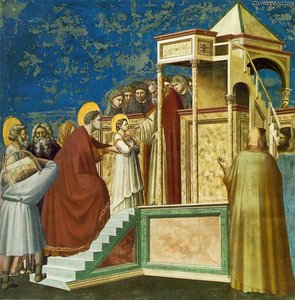
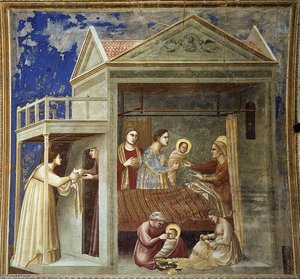
![Scrovegni - [07] - Die Geburt Der Jungfrau — Giotto Di Bondone, Spätgotik](/media/artworks/images-thumb/8d/eb/8deb86c8ab66cea89f1895637c8f5d6b.jpg)
Über den Künstler
frühes Leben und Ausbildung
Paolo Uccello, geboren Paolo di Dono, war ein angesehener italienischer Maler und Mathematiker aus Florenz. Er war bekannt für seine bahnbrechende Arbeit an der visuellen Perspektive in der Kunst. Geboren im Jahr 1397, ist das frühe Leben von Uccello nicht gut dokumentiert, aber es ist bekannt, dass er ab 1412 bis 1416 die berühmte Bildhauerin Lorenzo Ghiberti als Lehrling hatte.Karriere und bedeutende Werke
Uccellos Karriere erstreckte sich über vier Jahrzehnte, in denen er zahlreiche Kunstwerke produzierte, darunter Gemälde, Fresken und Altäre. Zu seinen bekanntesten Werken gehören:- Geburt der Jungfrau (Frührenaissance, Öl), ein Gemälde, das seine Verwendung der Perspektive zur Schaffung eines Gefühls von Tiefe demonstriert.
- Fresken San Miniato al Monte 03 (Frührenaissance, Öl), eine Fresko, die seine innovative Verwendung von Farbe und Licht demonstriert.
- Anbetung des Kindes (Frührenaissance, Öl), ein Gemälde mit einer detaillierten und naturalistischen Darstellung der menschlichen Form.
- Studio di Cavaliere (Frührenaissance, Öl), ein Selbstporträt, das seine selbstbewusste Verwendung autonomer Themen in der Kunst demonstriert.
Einfluss und Vermächtnis
Uccellos Werk hatte einen bedeutenden Einfluss auf die Entwicklung der Renaissancekunst. Seine Verwendung der Perspektive und sein Schwerpunkt auf die Schaffung eines Gefühls von Tiefe in seinen Gemälden beeinflussten zahlreiche Künstler, darunter Albrecht Dürer, der ebenfalls für seine bahnbrechende Arbeit im Bereich der Perspektive bekannt war. Wichtige Kunstbewegungen:- Die Frührenaissancekunstbewegung
- Italienische Renaissance
- Spätes Gotik
- Paolo Uccello (1397-1475)
- Albrecht Dürer (1471-1528)
- Lorenzo Ghiberti (1379-1455)
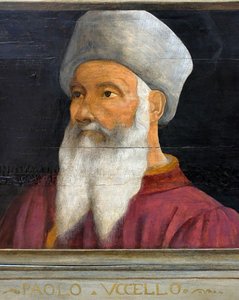
Paolo Uccello
1397 - 1475 , Italien
Kurzinfos
- Beeinflusste Künstler: ['Albrecht Dürer']
- Bemerkenswerte Werke:
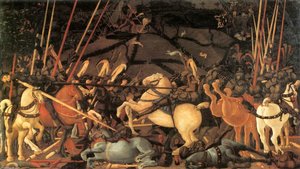
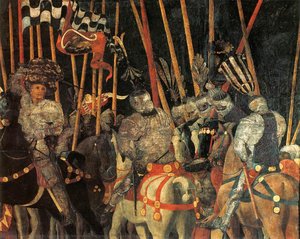
- Schlacht von San Romano
- Geburt der Jungfrau
- St. Georg und Drache
- Geburtsdatum: 1397
- Geburtsort: Pratovecchio, Italien
- Künstlerische Bewegung: Frührenaissance
- Künstlerische Einflüsse:
- Lorenzo Ghiberti
- Donatello
- Nationalität: Italienisch
- Todatum: 1475
- Vollständiger Name: Paolo Uccello
Ähnliche Artikel

Das Familienerbe an die Wand bringen: Wandgemälde als Generationenschatz
Verwandeln Sie Ihre Familiengeschichte in ein beeindruckendes Wandgemälde! Expertenrat & hochwertige Handwerkskunst für einzigartige Kunstwerke, die Generationen verbinden. Entdecken Sie jetzt!

The Enduring Legacy of Fresco: Technique, History & Artistic Expression Across Cultures
Explore the rich history & enduring legacy of fresco painting! Discover ancient techniques, Giotto's masterpieces, and modern applications. Expert insights for art lovers & professionals.

The Enduring Legacy of Fresco Painting: Techniques, History & Contemporary Relevance
Explore the rich history & enduring artistry of fresco painting – from Giotto to Michelangelo! Discover techniques, conservation efforts, & modern applications. Learn how ArtsDot brings this timeless art form to your home.

Kunst, die mit Ihnen lebt: Emotionale Kraft individueller Innenraumfresken
Entdecken Sie die emotionale Kraft individueller Innenraumfresken! Expertenberatung & hochwertige Wandmalerei für Hotels, Wohnräume & mehr. – Ihr Partner für einzigartige Kunst.
Die bleibende Pracht der Freskomalerei: Technik, Geschichte und künstlerischer Ausdruck
Entdecken Sie die faszinierende Welt der Freskomalerei! Von den Ursprüngen bis zur Renaissance – wir beleuchten Technik, Geschichte und künstlerischen Ausdruck dieser einzigartigen Kunstform. Expertenwissen für Sammler & Liebhaber.