 Vorschau anzeigen
 Versenden
 Teilen
 Details anzeigen

 Herunterladen
 Ähnliche Objekte
 Röntgenaufnahme
 Diashow
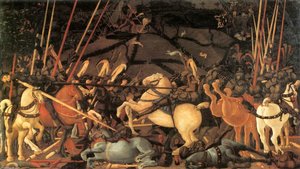
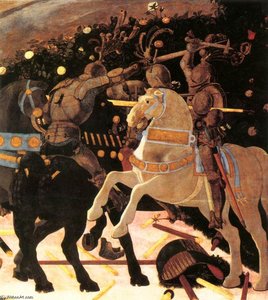
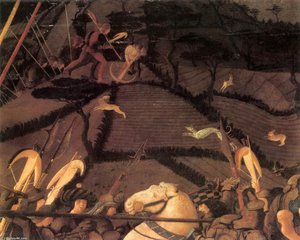
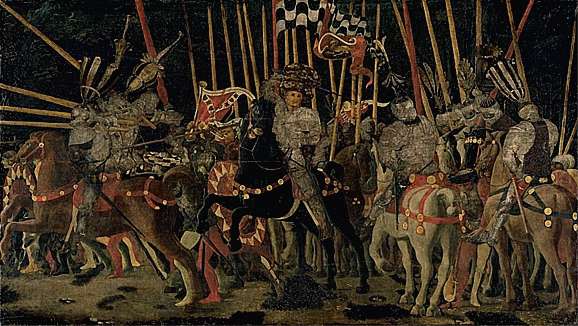
La bataille de San Romano la contre - Attaque de Micheletto da Cotignola


 Weiterlesen
Giclée / Kunstdruck
Giclée- oder Leinwanddruck in Museumsqualität mit schneller Produktion und flexiblen Veredelungsoptionen. ( Handgemalte Reproduktion bestellen Bild kaufen)




P118B $10

P118H $10

P118W $10

P438Z $10

P508JH $12

P508YH $12

P805H $10

P805Z $10

P919BZ $10

P919G $10

P919XJ $10

P959ZH $10

P968JZ $12

W106C $8

W218G $10

W218JH $8

W218Y $10

W307PJ $10

W316G $10

W316PJ $8

W316Y $10

W398PJ $8

W4111J $10

W500HY $15

W500JH $15

W692G $12

W849H $8

W940BG $15

W953PJ $8




Wählen Sie aus unseren vordefinierten Formaten, die den ursprünglichen Proportionen des Kunstwerks entsprechen.

Sie können Ihre eigenen Maße eingeben, um ein bestimmtes Format oder einen speziellen Platz einzupassen. Wenn das von Ihnen gewählte Format nicht den Proportionen des Originalbildes entspricht, werden wir das Kunstwerk entweder beschneiden oder das Bild mit einem gespiegelten oder einfarbigen Rand erweitern. Ein digitaler Entwurf wird Ihnen zur Genehmigung zugesandt, bevor die Produktion beginnt.
Bitte beachten Sie, dass die Vorschau auf dem Bildschirm nicht den tatsächlichen Zuschnitt oder die Erweiterung widerspiegelt. Nur der Entwurf zeigt die endgültige Komposition präzise an.
Obwohl Sondermaße verfügbar sind, empfehlen wir die Auswahl eines Maßes aus der vordefinierten Liste, um die ursprünglichen Proportionen zu bewahren.
Weltweiter Versand () innerhalb von 2 Wochen statt der üblichen 4/5 Wochen. (3 September)

Kostenloser weltweiter Expressversand

Hochwertige Leinenleinwand

Umfassender Versicherungsschutz beim Versand

Zollgebühren-Rückerstattungsgarantie

Garantie für exakte Farbtreue

60 Tage Rückgaberecht (nur bei Mängeln)

100% Geld-zurück-Garantie

Mengenrabatt verfügbar
 Die Glasoption ist nur für Größen unter 110 cm verfügbar.

La bataille de San Romano la contre - Attaque de Micheletto da Cotignola
Giclée / Kunstdruck
Format der Reproduktion
-


Gesamtpreis
$ 62
Paolo Uccello’s ‘La battaglia di San Romano la contro – Attaque de Micheletto da Cotignola’: A Study in Calculated Chaos
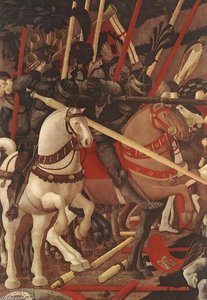
Paolo Uccello's “La battaglia di San Romano la contro – Attaque de Micheletto da Cotignola,” a stark black and white depiction of the chaotic clash at San Romano, stands as a pivotal work within the burgeoning Renaissance landscape. Painted between 1438 and 1440, this scene transcends a simple record of battle; it’s a meticulously constructed exploration of perspective, geometry, and the very nature of representation – hallmarks of Uccello's unique artistic vision. The painting captures a pivotal moment in Florentine history, a skirmish between rival factions vying for control, yet Uccello transforms this historical event into something far more profound: an intellectual exercise rendered with astonishing technical skill.
- Subject Matter: The scene depicts the brutal reality of medieval warfare, focusing on the engagement between Florentine and Micheletto forces.
- Composition: Uccello’s masterful use of linear perspective dominates the composition, drawing the viewer's eye into the heart of the conflict with a calculated precision rarely seen in contemporary works. The arrangement of figures, weapons, and horses is not accidental; it’s a deliberate orchestration designed to demonstrate his understanding of spatial relationships.
The Florentine Visionary: Uccello’s Mathematical Approach
Born Paolo di Dono in 1397 near Pratovecchio, Uccello was far more than just a painter; he was an innovator obsessed with unlocking the secrets of visual space. His early training under Lorenzo Ghiberti instilled within him a deep appreciation for detail and craftsmanship, but it was his own relentless experimentation that truly set him apart. He wasn't simply depicting what he saw; he was actively constructing a new way of seeing – a way rooted in mathematical principles. This is evident in the painting’s deliberate distortion of perspective, creating an almost unsettling sense of depth and volume. The figures are not merely soldiers; they are points within a geometric framework, contributing to Uccello's grand design.
Technique and Materials: A Study in Monochrome
Executed primarily in tempera on wood panels, the painting’s monochrome palette – dominated by shades of grey – amplifies its dramatic impact. Uccello’s meticulous application of paint creates a remarkable sense of texture and detail, particularly evident in the rendering of the armor, weapons, and horse musculature. The artist's use of layering and glazing techniques adds to the depth and luminosity of the scene, despite the absence of color. The stark contrast between light and shadow further emphasizes the violence and chaos of the battle.
Symbolism and Emotional Impact
Beyond its technical brilliance, “La battaglia di San Romano” carries a potent symbolic weight. The depiction of death and destruction reflects the turbulent political climate of Florence at the time – a city constantly embroiled in factional disputes. The sheer number of figures engaged in combat underscores the scale of the conflict, while their fragmented forms convey a sense of disarray and loss. Despite its grim subject matter, the painting possesses an undeniable power, capturing not just the physical violence of war but also the psychological impact of it – the confusion, fear, and desperation experienced by those caught in the crossfire. The work remains a testament to Uccello's ambition: to transform historical events into enduring works of art that challenge our understanding of space, perspective, and the human condition.
Ähnliche Kunstwerke
Über den Künstler
frühes Leben und Ausbildung
Paolo Uccello, geboren Paolo di Dono, war ein angesehener italienischer Maler und Mathematiker aus Florenz. Er war bekannt für seine bahnbrechende Arbeit an der visuellen Perspektive in der Kunst. Geboren im Jahr 1397, ist das frühe Leben von Uccello nicht gut dokumentiert, aber es ist bekannt, dass er ab 1412 bis 1416 die berühmte Bildhauerin Lorenzo Ghiberti als Lehrling hatte.Karriere und bedeutende Werke
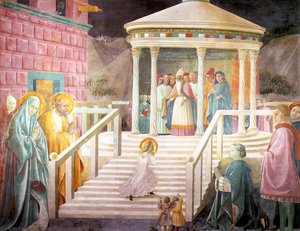
Uccellos Karriere erstreckte sich über vier Jahrzehnte, in denen er zahlreiche Kunstwerke produzierte, darunter Gemälde, Fresken und Altäre. Zu seinen bekanntesten Werken gehören:- Geburt der Jungfrau (Frührenaissance, Öl), ein Gemälde, das seine Verwendung der Perspektive zur Schaffung eines Gefühls von Tiefe demonstriert.
- Fresken San Miniato al Monte 03 (Frührenaissance, Öl), eine Fresko, die seine innovative Verwendung von Farbe und Licht demonstriert.
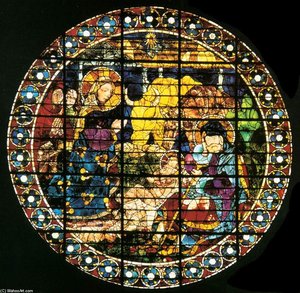
- Anbetung des Kindes (Frührenaissance, Öl), ein Gemälde mit einer detaillierten und naturalistischen Darstellung der menschlichen Form.
- Studio di Cavaliere (Frührenaissance, Öl), ein Selbstporträt, das seine selbstbewusste Verwendung autonomer Themen in der Kunst demonstriert.
Einfluss und Vermächtnis
Uccellos Werk hatte einen bedeutenden Einfluss auf die Entwicklung der Renaissancekunst. Seine Verwendung der Perspektive und sein Schwerpunkt auf die Schaffung eines Gefühls von Tiefe in seinen Gemälden beeinflussten zahlreiche Künstler, darunter Albrecht Dürer, der ebenfalls für seine bahnbrechende Arbeit im Bereich der Perspektive bekannt war. Wichtige Kunstbewegungen:- Die Frührenaissancekunstbewegung
- Italienische Renaissance
- Spätes Gotik
- Paolo Uccello (1397-1475)
- Albrecht Dürer (1471-1528)
- Lorenzo Ghiberti (1379-1455)
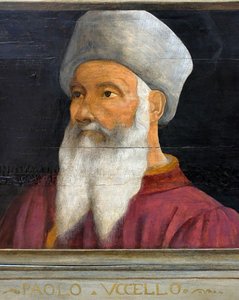
Paolo Uccello
1397 - 1475 , Italien
Kurzinfos
- Beeinflusste Künstler: ['Albrecht Dürer']
- Bemerkenswerte Werke:
- Schlacht von San Romano
- Geburt der Jungfrau
- St. Georg und Drache
- Geburtsdatum: 1397
- Geburtsort: Pratovecchio, Italien
- Künstlerische Bewegung: Frührenaissance
- Künstlerische Einflüsse:
- Lorenzo Ghiberti
- Donatello
- Nationalität: Italienisch
- Todatum: 1475
- Vollständiger Name: Paolo Uccello
Ähnliche Artikel
Leonardo da Vinci: Die 25 Meisterwerke für Ihr Zuhause | ArtsDot
Entdecken Sie die 25 Meisterwerke von Leonardo da Vinci! Erfahren Sie faszinierende Geschichten hinter Gemälden wie der Mona Lisa & Das letzte Abendmahl. Hochwertige Reproduktionen für Ihr Zuhause – jetzt bei ArtsDot entdecken!
Leonardo da Vinci: Synthese von Kunst, Wissenschaft und menschlicher Beobachtung – Eine Renaissance-Meisterleistung für den Kenner
Entdecken Sie Leonardo da Vincis revolutionäre Kunst und Wissenschaft! Expertenanalyse seiner Meisterwerke, Techniken wie Sfumato & Chiaroscuro. Für Kenner und Sammler.
Paolo Uccello: Pionier der Perspektive und die Renaissance-Suche nach visueller Wahrheit
Entdecken Sie Paolo Uccello, einen Pionier der Renaissance und seine revolutionären Perspektivtechniken. Erfahren Sie mehr über sein Leben, ikonische Werke wie die 'Schlacht von San Romano' und seinen Einfluss auf die Kunstgeschichte.
Louvre Meisterwerke: Die Top 25 Kunstwerke für Ihr Zuhause | ArtsDot
Entdecken Sie die Top 25 Kunstwerke des Louvre! Von der Mona Lisa bis zur Venus von Milo – erleben Sie Geschichte, Künstler und Techniken. Hochwertige Reproduktionen für Ihr Zuhause auf ArtsDot.com.
Renaissance Humanismus: Die 10 Meisterwerke, die eine Epoche prägten – Kunst für Ihr Zuhause
Entdecken Sie die 10 Meisterwerke der Renaissance Humanismus! Von Leonardo da Vinci bis Michelangelo – erfahren Sie die Geschichten hinter ikonischen Gemälden & Skulpturen. Finden Sie Ihre perfekte Reproduktion auf ArtsDot.com.