 Vorschau anzeigen
 Versenden
 Teilen
 Details anzeigen

 Herunterladen
 Ähnliche Objekte
 Röntgenaufnahme
 Diashow
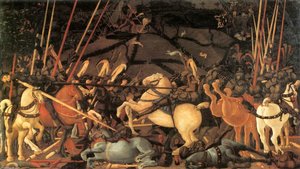
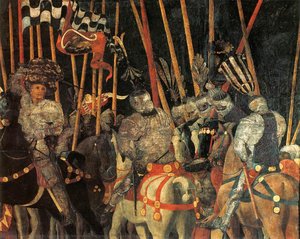
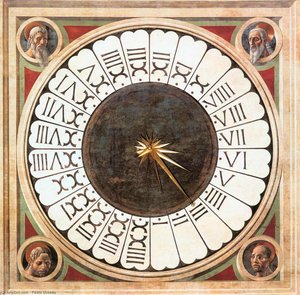
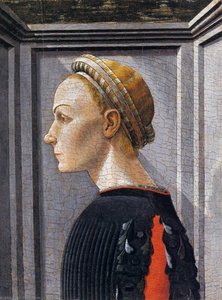
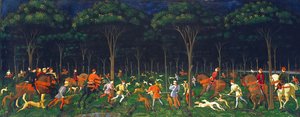
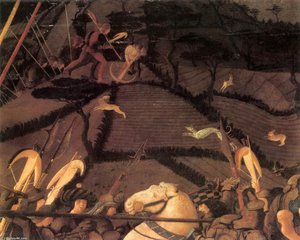
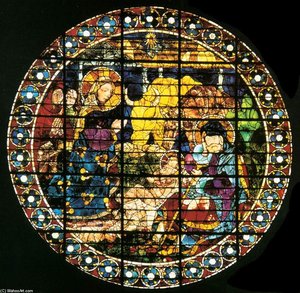
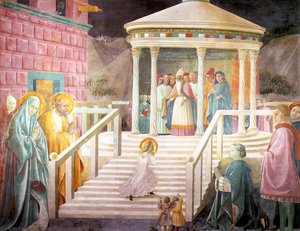
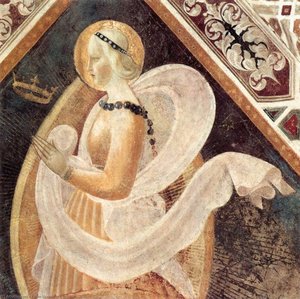
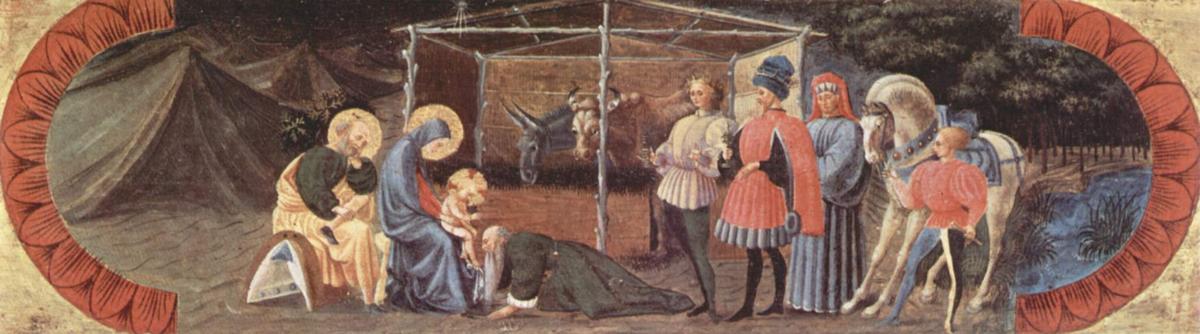
Scene Adoration of the Three Kings
 Acrylic On Canvas
- WallArt
- Early Renaissance
 1440
1440 20.0 x 178.0 cm
 Weiterlesen
Giclée / Kunstdruck
Giclée- oder Leinwanddruck in Museumsqualität mit schneller Produktion und flexiblen Veredelungsoptionen. ( Handgemalte Reproduktion bestellen Bild kaufen)




P118B $10

P118H $10

P118W $10

P438Z $10

P508JH $12

P508YH $12

P805H $10

P805Z $10

P919BZ $10

P919G $10

P919XJ $10

P959ZH $10

P968JZ $12

W106C $8

W218G $10

W218JH $8

W218Y $10

W307PJ $10

W316G $10

W316PJ $8

W316Y $10

W398PJ $8

W4111J $10

W500HY $15

W500JH $15

W692G $12

W849H $8

W940BG $15

W953PJ $8




Wählen Sie aus unseren vordefinierten Formaten, die den ursprünglichen Proportionen des Kunstwerks entsprechen.

Sie können Ihre eigenen Maße eingeben, um ein bestimmtes Format oder einen speziellen Platz einzupassen. Wenn das von Ihnen gewählte Format nicht den Proportionen des Originalbildes entspricht, werden wir das Kunstwerk entweder beschneiden oder das Bild mit einem gespiegelten oder einfarbigen Rand erweitern. Ein digitaler Entwurf wird Ihnen zur Genehmigung zugesandt, bevor die Produktion beginnt.
Bitte beachten Sie, dass die Vorschau auf dem Bildschirm nicht den tatsächlichen Zuschnitt oder die Erweiterung widerspiegelt. Nur der Entwurf zeigt die endgültige Komposition präzise an.
Obwohl Sondermaße verfügbar sind, empfehlen wir die Auswahl eines Maßes aus der vordefinierten Liste, um die ursprünglichen Proportionen zu bewahren.
Weltweiter Versand () innerhalb von 2 Wochen statt der üblichen 4/5 Wochen. (26 August)

Kostenloser weltweiter Expressversand

Hochwertige Leinenleinwand

Umfassender Versicherungsschutz beim Versand

Zollgebühren-Rückerstattungsgarantie

Garantie für exakte Farbtreue

60 Tage Rückgaberecht (nur bei Mängeln)

100% Geld-zurück-Garantie

Mengenrabatt verfügbar
 Die Glasoption ist nur für Größen unter 110 cm verfügbar.

Scene Adoration of the Three Kings
Giclée / Kunstdruck
Format der Reproduktion
-


Gesamtpreis
$ 62
Sammlerstück-Beschreibung
A Pioneering Vision of Faith and Space: Paolo Uccello’s ‘Scene Adoration of the Three Kings’
Paolo Uccello's “Scene Adoration of the Three Kings,” painted circa 1440, stands as a remarkable testament to the burgeoning spirit of innovation within Early Renaissance Florence. More than just a depiction of a biblical narrative – the veneration of Jesus Christ by Magi—it represents a pivotal moment in artistic history: Uccello’s audacious embrace of linear perspective fundamentally altered how artists approached spatial representation, establishing him as one of the foremost figures in mastering this revolutionary technique. This monumental fresco, housed within the Palazzo Vecchio’s Sala dei Cinquecento (Hall of Five Hundred), isn't merely a beautiful image; it’s an intellectual triumph—a calculated demonstration of mathematical precision translated into visual grandeur.The Mathematical Canvas: Uccello’s Pursuit of Perspective
Uccello wasn’t simply aiming for realism; he was striving to achieve something far more ambitious – an illusion of depth that mirrored the world as mathematicians understood it. Influenced by developments in optics and fueled by his fascination with geometry, particularly Apollonian circles—a concept explored extensively in his notebooks—he meticulously constructed a stage upon which the scene unfolds. The fresco’s composition utilizes converging lines to create an illusion of recession, drawing the viewer's eye into the central tableau where the Magi kneel before the infant Jesus. This groundbreaking approach wasn’t merely stylistic; it reflected Uccello’s conviction that art could embody scientific principles, aligning him with the humanist ideals shaping Florentine culture during his time. The careful placement and calculation of these lines underscore Uccello's dedication to elevating painting beyond mere imitation—it sought to capture not just what was seen but how it appeared.Symbolism Within Grandeur: Magi, Light, and Divine Revelation
Beyond its technical brilliance, “Scene Adoration of the Three Kings” is rich in symbolic significance. The Magi – Melchior, Caspar, and Gaspar – represent royalty from Persia, Ethiopia, and Judea, symbolizing the universality of Christian faith and acknowledging the diverse origins of Christendom. Their kneeling posture signifies humility before God’s majesty, emphasizing the spiritual dimension of the event. Notably, the fresco employs dramatic chiaroscuro—the interplay of light and shadow—to heighten emotional impact and guide the viewer's gaze toward the luminous infant Jesus at the center. This radiant figure embodies divine grace and represents the incarnation of Christ, highlighting the core theological message of the artwork. The inclusion of horses reinforces notions of nobility and power, mirroring the Magi’s regal status and symbolizing God’s dominion over creation.Historical Context: Florence Under Medici Patronage
Painted during the reign of Lorenzo de' Medici—known as “Lorenzo il Magnifico”—Florence experienced a golden age of artistic creativity and humanist scholarship. Uccello benefited immensely from Medici patronage, securing commissions that allowed him to pursue ambitious projects like this fresco. The Sala dei Cinquecento was intended for ceremonial gatherings celebrating Florentine civic pride and commemorating significant historical events—a deliberate choice reflecting the political ambitions of Lorenzo’s family. “Scene Adoration of the Three Kings” served as a visual embodiment of these ideals, demonstrating Florence's intellectual prowess and reaffirming its commitment to artistic excellence.Emotional Resonance: A Moment of Reverence Captured Eternally
Ultimately, Uccello’s masterpiece transcends mere technical accomplishment; it evokes profound emotion. The serene stillness of the Magi contrasted with the vibrant colors and dramatic lighting creates an atmosphere of solemn reverence—a palpable sense of awe before the divine presence. The fresco invites contemplation on themes of faith, humility, and redemption, capturing a pivotal moment in Christian history with unparalleled artistry. Reproductions of “Scene Adoration of the Three Kings” continue to inspire artists and collectors alike, ensuring that Uccello’s pioneering vision—and its enduring emotional impact—remains accessible for generations to come.Ähnliche Kunstwerke
Über den Künstler
frühes Leben und Ausbildung
Paolo Uccello, geboren Paolo di Dono, war ein angesehener italienischer Maler und Mathematiker aus Florenz. Er war bekannt für seine bahnbrechende Arbeit an der visuellen Perspektive in der Kunst. Geboren im Jahr 1397, ist das frühe Leben von Uccello nicht gut dokumentiert, aber es ist bekannt, dass er ab 1412 bis 1416 die berühmte Bildhauerin Lorenzo Ghiberti als Lehrling hatte.Karriere und bedeutende Werke
Uccellos Karriere erstreckte sich über vier Jahrzehnte, in denen er zahlreiche Kunstwerke produzierte, darunter Gemälde, Fresken und Altäre. Zu seinen bekanntesten Werken gehören:- Geburt der Jungfrau (Frührenaissance, Öl), ein Gemälde, das seine Verwendung der Perspektive zur Schaffung eines Gefühls von Tiefe demonstriert.
- Fresken San Miniato al Monte 03 (Frührenaissance, Öl), eine Fresko, die seine innovative Verwendung von Farbe und Licht demonstriert.
- Anbetung des Kindes (Frührenaissance, Öl), ein Gemälde mit einer detaillierten und naturalistischen Darstellung der menschlichen Form.
- Studio di Cavaliere (Frührenaissance, Öl), ein Selbstporträt, das seine selbstbewusste Verwendung autonomer Themen in der Kunst demonstriert.
Einfluss und Vermächtnis
Uccellos Werk hatte einen bedeutenden Einfluss auf die Entwicklung der Renaissancekunst. Seine Verwendung der Perspektive und sein Schwerpunkt auf die Schaffung eines Gefühls von Tiefe in seinen Gemälden beeinflussten zahlreiche Künstler, darunter Albrecht Dürer, der ebenfalls für seine bahnbrechende Arbeit im Bereich der Perspektive bekannt war. Wichtige Kunstbewegungen:- Die Frührenaissancekunstbewegung
- Italienische Renaissance
- Spätes Gotik
- Paolo Uccello (1397-1475)
- Albrecht Dürer (1471-1528)
- Lorenzo Ghiberti (1379-1455)
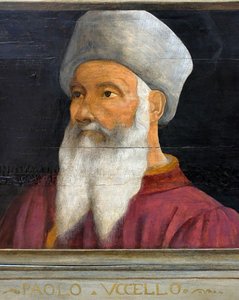
Paolo Uccello
1397 - 1475 , Italien
Kurzinfos
- Beeinflusste Künstler: ['Albrecht Dürer']
- Bemerkenswerte Werke:
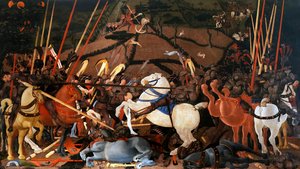
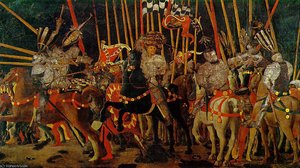
- Schlacht von San Romano
- Geburt der Jungfrau
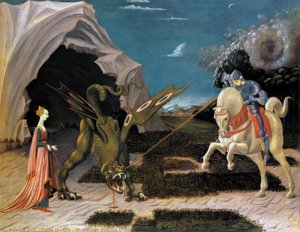
- St. Georg und Drache
- Geburtsdatum: 1397
- Geburtsort: Pratovecchio, Italien
- Künstlerische Bewegung: Frührenaissance
- Künstlerische Einflüsse:
- Lorenzo Ghiberti
- Donatello
- Nationalität: Italienisch
- Todatum: 1475
- Vollständiger Name: Paolo Uccello
Ähnliche Artikel

Das Familienerbe an die Wand bringen: Wandgemälde als Generationenschatz
Verwandeln Sie Ihre Familiengeschichte in ein beeindruckendes Wandgemälde! Expertenrat & hochwertige Handwerkskunst für einzigartige Kunstwerke, die Generationen verbinden. Entdecken Sie jetzt!

The Enduring Legacy of Fresco: Technique, History & Artistic Expression Across Cultures
Explore the rich history & enduring legacy of fresco painting! Discover ancient techniques, Giotto's masterpieces, and modern applications. Expert insights for art lovers & professionals.

The Enduring Legacy of Fresco Painting: Techniques, History & Contemporary Relevance
Explore the rich history & enduring artistry of fresco painting – from Giotto to Michelangelo! Discover techniques, conservation efforts, & modern applications. Learn how ArtsDot brings this timeless art form to your home.
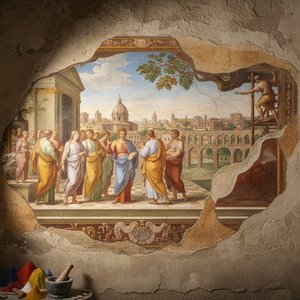
Die bleibende Pracht der Freskomalerei: Technik, Geschichte und künstlerischer Ausdruck
Entdecken Sie die faszinierende Welt der Freskomalerei! Von den Ursprüngen bis zur Renaissance – wir beleuchten Technik, Geschichte und künstlerischen Ausdruck dieser einzigartigen Kunstform. Expertenwissen für Sammler & Liebhaber.

Kunst, die mit Ihnen lebt: Emotionale Kraft individueller Innenraumfresken
Entdecken Sie die emotionale Kraft individueller Innenraumfresken! Expertenberatung & hochwertige Wandmalerei für Hotels, Wohnräume & mehr. – Ihr Partner für einzigartige Kunst.