

 Vorschau anzeigen
 Versenden
 Teilen
 Details anzeigen

 Herunterladen
 Ähnliche Objekte
 Röntgenaufnahme
 Diashow
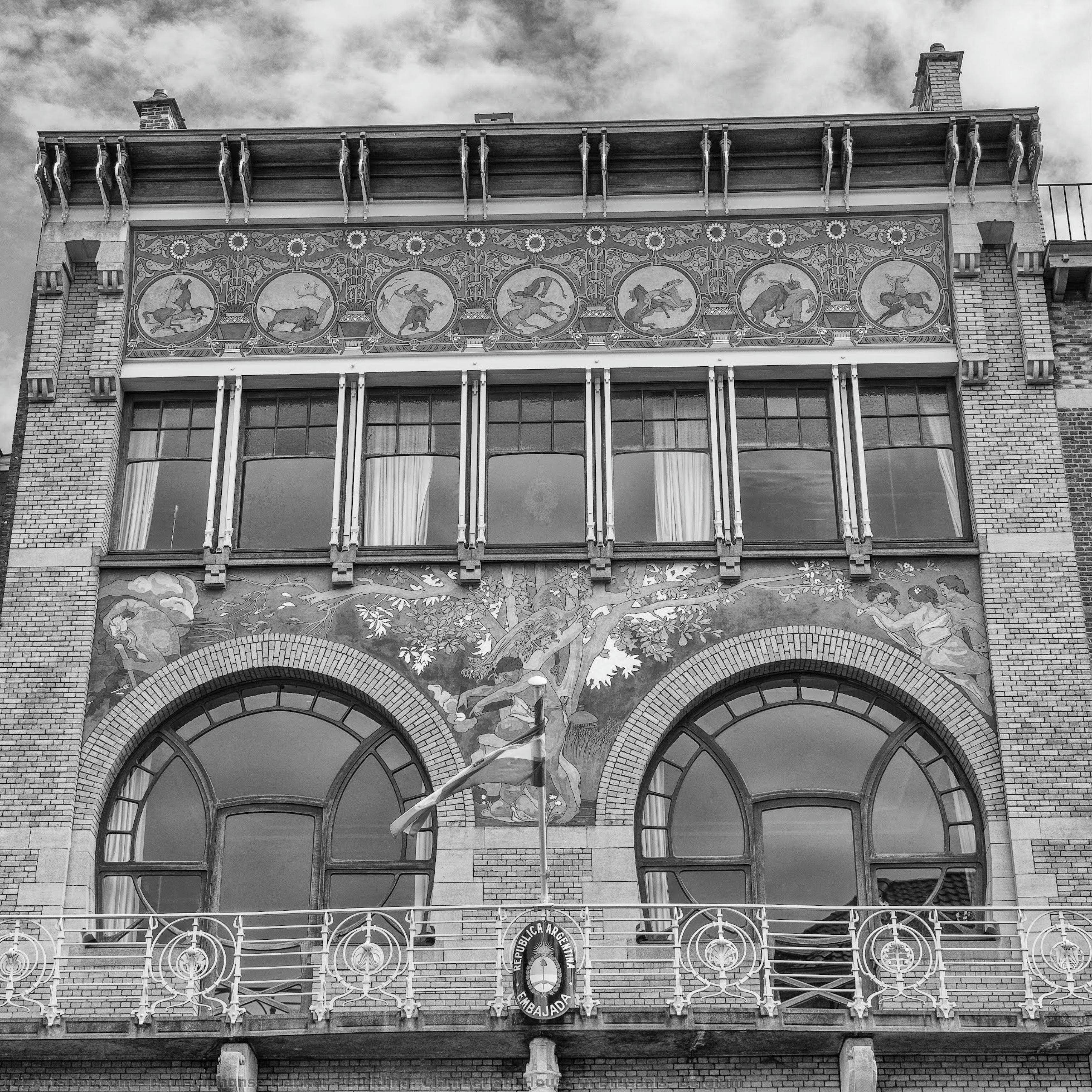
Building. Ciamberlani House in Brussels, Belgium

 Weiterlesen
Handgefertigte Ölreproduktion
Handgemaltes Ölgemälde auf Leinwand in Ihrer Wunschgröße und mit Rahmen, auf Bestellung von unseren Künstlern angefertigt. ( Druck bestellen Bild kaufen)




































Wählen Sie aus unseren vordefinierten Formaten, die den ursprünglichen Proportionen des Kunstwerks entsprechen.

Sie können Ihre eigenen Maße eingeben, um einen bestimmten Rahmen oder Platz auszufüllen. Wenn die gewählte Größe nicht den Proportionen des Originalbildes entspricht, werden wir das Kunstwerk entweder beschneiden oder das Gemälde durch zusätzliche, handgemalte Elemente erweitern. Ein digitales Mockup wird Ihnen zur Genehmigung zugesandt, bevor die Produktion beginnt.
Bitte beachten Sie, dass die Bildschirmvorschau nicht die tatsächliche Beschneidung oder Erweiterung widerspiegelt. Nur das Mockup zeigt die endgültige Komposition exakt an.
Obwohl Sondermaße verfügbar sind, empfehlen wir, eine Größe aus der vordefinierten Liste zu wählen, um die ursprünglichen Proportionen beizubehalten.
Nach der Bestellung wird das ArtsDot.com-Team dem Kunden Anweisungen per E-Mail zusenden und eine Mockup-Vorschau bereitstellen.
Weltweiter Versand () in nur 3 bis 4 Wochen statt der üblichen 5 Wochen. (28 August). Keine Kompromisse bei der Qualität.

Kostenloser weltweiter Expressversand

Hochwertige Leinenleinwand

Umfassender Versicherungsschutz beim Versand

Zollgebühren-Rückerstattungsgarantie

Garantie für exakte Farbtreue

60 Tage Rückgaberecht (nur bei Mängeln)

100% Geld-zurück-Garantie

Mengenrabatt verfügbar
 Die Glasoption ist nur für Größen unter 110 cm verfügbar.

Building. Ciamberlani House in Brussels, Belgium
Art der Reproduktion
Format der Reproduktion
-


Gesamtpreis
$ 313
Ähnliche Kunstwerke









Über den Künstler
Paul Hankar: The Pioneering Spirit of Belgian Art Nouveau
Paul Hankar (December 11, 1859 – January 17, 1901) stands as a pivotal figure in the history of Belgian art and architecture, inextricably linked to the flourishing movement known as Art Nouveau. Born in Frameries, Hainaut, Belgium—the son of a stonemason—Hankar’s formative years instilled within him an appreciation for craftsmanship and material innovation that would profoundly shape his artistic vision. His early career focused on sculptural commissions, honing his skills in manipulating stone before he embarked upon formal architectural studies at the Royal Academy of Fine Arts in Brussels. There, he forged a crucial partnership with Victor Horta, establishing a collaborative spirit that mirrored and amplified their shared fascination for groundbreaking techniques—particularly the transformative potential of wrought iron. This collaboration would become synonymous with Art Nouveau’s audacious experimentation and unwavering belief in blending tradition with modernity. Influenced by Eugène Viollet-le-Duc’s advocacy for blending historical inspiration with modern materials like iron and glass, Hankar embraced these principles wholeheartedly. This intellectual grounding fueled his ambition to redefine domestic architecture, resulting in iconic structures that epitomized the Art Nouveau aesthetic—namely, the Hankar House (1893) and Hôtel Ciamberlani (1897), considered among Belgium’s earliest expressions of this revolutionary style. These buildings weren't merely aesthetically pleasing; they represented a deliberate challenge to established conventions, asserting the primacy of organic forms and innovative materials in shaping urban spaces.- The Hankar House: A masterpiece of Art Nouveau design, characterized by its undulating façade adorned with floral motifs and intricate wrought iron detailing—a bold statement against rigid geometric patterns prevalent at the time.
- Hôtel Ciamberlani: Situated on Rue Antoine Vermeulenstraat in Brussels, this hotel is renowned for its asymmetrical composition and monumental decorative panels featuring stylized foliage and flowing lines—a testament to Hankar’s vision of harmonious integration between art and architecture.
Paul Hankar
1859 - 1901 , Belgien
Kurzinfos
- Artistic Movement Or Style: Art Nouveau
- Artists Or Movements Influenced By This Artist: ['Eugène Viollet-le-Duc']
- Artists Who Influenced This Artist:
- Victor Horta
- Henri Beyaert
- Date Of Birth: 11. Dezember 1859
- Date Of Death: 17. Januar 1901
- Full Name: Paul Alphonse Hankar
- Nationality: Belgienisch
- Notable Artworks:
- Courtesan mit Halskette aus Edelsteinen
- Gebäude Ciamberlani Haus in Brüssel
- Place Of Birth: Frameries, Belgien

