 Vorschau anzeigen
 Versenden
 Teilen
 Details anzeigen

 Herunterladen
 Ähnliche Objekte
 Röntgenaufnahme
 Diashow
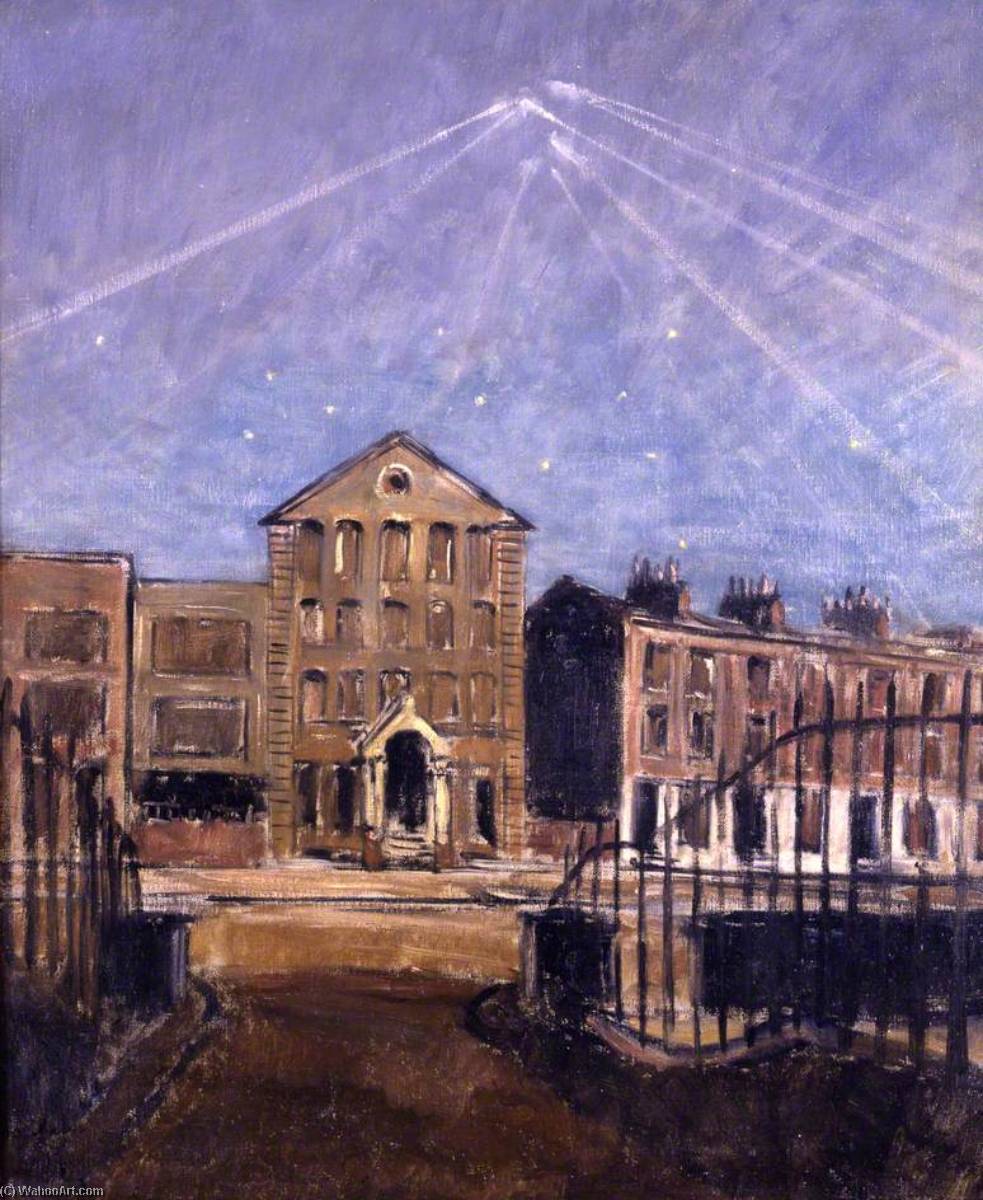
London by Midnight, Primrose Hill
 Oil On Canvas
- WallArt
- Romanticism
 1940
1940 61.0 x 52.0 cm
 British Council Collection
 Weiterlesen
Giclée / Kunstdruck
Giclée- oder Leinwanddruck in Museumsqualität mit schneller Produktion und flexiblen Veredelungsoptionen. ( Handgemalte Reproduktion bestellen Bild kaufen)




P118B $10

P118H $10

P118W $10

P438Z $10

P508JH $12

P508YH $12

P805H $10

P805Z $10

P919BZ $10

P919G $10

P919XJ $10

P959ZH $10

P968JZ $12

W106C $8

W218G $10

W218JH $8

W218Y $10

W307PJ $10

W316G $10

W316PJ $8

W316Y $10

W398PJ $8

W4111J $10

W500HY $15

W500JH $15

W692G $12

W849H $8

W940BG $15

W953PJ $8




Wählen Sie aus unseren vordefinierten Formaten, die den ursprünglichen Proportionen des Kunstwerks entsprechen.

Sie können Ihre eigenen Maße eingeben, um ein bestimmtes Format oder einen speziellen Platz einzupassen. Wenn das von Ihnen gewählte Format nicht den Proportionen des Originalbildes entspricht, werden wir das Kunstwerk entweder beschneiden oder das Bild mit einem gespiegelten oder einfarbigen Rand erweitern. Ein digitaler Entwurf wird Ihnen zur Genehmigung zugesandt, bevor die Produktion beginnt.
Bitte beachten Sie, dass die Vorschau auf dem Bildschirm nicht den tatsächlichen Zuschnitt oder die Erweiterung widerspiegelt. Nur der Entwurf zeigt die endgültige Komposition präzise an.
Obwohl Sondermaße verfügbar sind, empfehlen wir die Auswahl eines Maßes aus der vordefinierten Liste, um die ursprünglichen Proportionen zu bewahren.
Weltweiter Versand () innerhalb von 2 Wochen statt der üblichen 4/5 Wochen. (24 August)

Kostenloser weltweiter Expressversand

Hochwertige Leinenleinwand

Umfassender Versicherungsschutz beim Versand

Zollgebühren-Rückerstattungsgarantie

Garantie für exakte Farbtreue

60 Tage Rückgaberecht (nur bei Mängeln)

100% Geld-zurück-Garantie

Mengenrabatt verfügbar
 Die Glasoption ist nur für Größen unter 110 cm verfügbar.

London by Midnight, Primrose Hill
Giclée / Kunstdruck
Format der Reproduktion
-


Gesamtpreis
$ 62
Sammlerstück-Beschreibung
A Nocturne in Prussian Blue: Paul Ayshford Methuen’s “London by Midnight”
Paul Ayshford Methuen's "London by Midnight," painted in 1940, isn’t merely a depiction of a city at night; it’s a carefully constructed mood piece, a melancholic meditation on urban solitude and the lingering shadows of history. The painting captures a quintessential London scene – Primrose Hill, rising dramatically from the cityscape – bathed in the cool, almost ethereal light of a star-strewn sky. Methuen, a man deeply rooted in both scientific observation (he was a zoologist) and artistic expression, masterfully blends realism with an atmospheric sensibility that transcends simple representation.
The composition is dominated by the imposing silhouette of a church or substantial building in the foreground, its dark form anchoring the scene. This structure isn’t explicitly identified, lending it an air of timelessness, suggesting it has witnessed countless London nights and perhaps even held secrets within its walls. The buildings receding into the distance are rendered with a subtle impressionistic touch – not sharply defined but rather suggested through washes of color and atmospheric perspective. The artist skillfully uses Prussian blue as his dominant hue, creating a sense of depth and coolness that permeates the entire canvas. This deliberate choice contributes significantly to the painting’s overall mood—a quiet introspection punctuated by the distant glimmer of streetlights.
Technique and Materials: A Delicate Balance
Methuen's technique is characterized by a remarkable control over color and texture. He employs a layering approach, building up thin washes of paint to create luminous effects and subtle gradations in tone. The sky itself isn’t a uniform blue; it’s a complex tapestry of shades – from the deepest indigo near the horizon to lighter, almost silvery tones higher above. The artist's use of glazing—applying translucent layers of color over dried underlayers—allows the light to penetrate and reflect, giving the painting an incredible sense of depth and atmosphere. The brushwork is generally smooth and blended, contributing to the overall feeling of serenity, yet there are moments where a slight textural variation emerges, hinting at the underlying structure of the buildings and the rough terrain of Primrose Hill.
The canvas itself appears to be primed with a fine grit, which contributes to the subtle sheen observed in the painting. Methuen’s choice of materials—particularly his use of Prussian blue pigment—demonstrates a deep understanding of color theory and its ability to evoke specific emotions. The careful attention to detail, combined with the artist's intuitive grasp of light and atmosphere, results in a remarkably convincing and emotionally resonant portrayal of London at night.
Symbolism and Context: Echoes of Victorian London
"London by Midnight" resonates deeply within the context of 1940 Britain – a nation grappling with the anxieties of wartime. The painting’s quiet solitude, its focus on urban isolation, can be interpreted as a reflection of the collective mood during those turbulent times. Primrose Hill itself holds historical significance; it was once a popular spot for leisure and social gatherings, but by night, it offered a space for contemplation and escape from the pressures of daily life.
The church or building in the foreground evokes images of Victorian London—a time of rapid industrialization, social change, and profound spiritual questioning. The painting subtly suggests that even amidst the bustle of modern urban life, there remains a connection to the past, to tradition, and perhaps even to something beyond our immediate understanding. The stars above offer a sense of timelessness and perspective, reminding us of the vastness of the universe and our own small place within it.
Emotional Impact: A Moment of Quiet Reflection
Ultimately, “London by Midnight” is a painting that invites contemplation. It’s not a dramatic or overtly exciting scene; rather, it offers a moment of quiet reflection—a chance to pause and consider the beauty and complexity of the city, as well as our own place within its grand narrative. The cool colors, the atmospheric perspective, and the subtle details all combine to create an emotionally evocative experience that lingers long after the viewer has turned away. It’s a painting that speaks to the enduring appeal of urban landscapes and the power of art to capture the essence of a particular time and place.
Ähnliche Kunstwerke
Über den Künstler
Frühes Leben und Ausbildung
- Geboren: 29. September 1886, Corsham, Vereinigtes Königreich
- Eltern: Field Marshal Paul Sanford Methuen, 3. Baron Methuen, und Mary Ethel née Sanford
- Ausbildung: Eton College, New College, Oxford (studierte Zoologie und Ingenieurwesen)
- Frühe Interessen umfassten Naturwissenschaften und Ingenieurwesen.
- Studierte Zeichnen am Eton, Ruskin in Oxford und bei Charles Holmes.
Wissenschaftliche Tätigkeiten und frühe Karriere
- 1910-1914: Arbeitete im Transvaal Museum in Pretoria, Südafrika.
- Veröffentlichte mehrere wissenschaftliche Arbeiten über Zoologie, insbesondere Herpetologie, mit John Hewitt.
- Sammelte und beschrieb zahlreiche südafrikanische und madagassische Gattungen und Arten.
- Lehnte einen Lehrstuhl für Zoologie an einer südafrikanischen Universität ab, um seiner familiären Heimat treu zu bleiben.
- Diente im Royal Wiltshire Yeomanry und den Scots Guards während des Ersten Weltkriegs.
Künstlerische Entwicklung und Stil
- 1927: Besuchte Kunstkurse bei Walter Sickert, was seinen Malstil maßgeblich beeinflusste.
- Etablierte sich als ernstzunehmender Künstler.
- Bevorzugte Sujets waren Stadtansichten, Freilandschaften mit Gebäuden, Tiere und Pflanzen (Magnolien, Orchideen in Corsham Court).
- Seine Werke zeigten oft Landschaften und Stadtlandschaften mit Fokus auf Licht und Atmosphäre.
- Sickerts Einfluss ist in Methuens Farbwahl und seinem Interesse an der Darstellung des Alltagslebens erkennbar.
Wichtige Errungenschaften und Anerkennung
- 1928: Erste Einzelausstellung in der Warren Gallery.
- Stellte regelmäßig in den Leicester Galleries, Colnaghi's und der Royal Academy aus.
- War von 1939 bis 1971 Präsident der Royal West of England Academy in Bristol.
- Wurde 1951 zum Associate der Royal Academy und 1959 zum Royal Academician gewählt.
- Vertrauensmann der National Gallery (1938-1945) und der Tate Gallery (1940-1945).
- Verfasste *Normandy Diary*, das seine Erfahrungen beim Schutz von Kunstwerken während des Zweiten Weltkriegs im Rahmen der Procurement and Fine Art Branch dokumentiert.
Späteres Leben, Vermächtnis und Ehrungen
- Widmete sich der Restaurierung von Corsham Court und seiner Kunstsammlung.
- Veröffentlichte 1958 eine Geschichte der Kunstsammlung von Corsham Court und 1970 einen Katalog der Miniaturen.
- Stellte Corsham Court der Bath Academy of Art zur Verfügung, die es bis 1972 beherbergte.
- Eine südafrikanische Echsenart, *Lygodactylus methueni*, ist ihm zu Ehren benannt.
- Gestorben: 7. Januar 1974 in Bath.
- Sein Vermächtnis umfasst ein Werk, das sowohl seine wissenschaftliche Neugier als auch sein künstlerisches Talent widerspiegelt und die Essenz der britischen Landschaften und des städtischen Lebens einfängt.
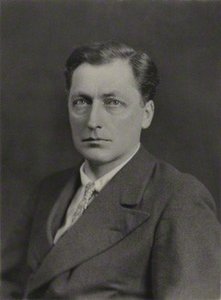
Paul Ayshford Methuen
1886 - 1974 , Vereinigtes Königreich
Kurzinfos
- Beeinflusste Künstler: ['Walter Sickert']
- Geburtsdatum: 29. September 1886
- Geburtsort: Corsham, Vereinigtes Königreich
- Künstlerische Richtung: Urbanes & Tierstudium
- Nationalität: Britisch
- Sterbedatum: 7. Januar 1974
- Vollständiger Name: Paul Ayshford Methuen
Ähnliche Artikel
Meisterwerke der National Gallery London: 25 Kunstikonen für Ihr Zuhause | ArtsDot
Entdecken Sie die 25 berühmtesten Gemälde der National Gallery London! Von Van Gogh bis Monet – erfahren Sie die Geschichten hinter ikonischen Meisterwerken, Kunststile & Techniken. Hochwertige Reproduktionen für Ihr Zuhause auf ArtsDot.com.
Thomas Hill: Luminosity, Landscape & the American Pastoral Ideal
Explore the luminous landscapes of Thomas Hill, a pivotal figure in the Hudson River School & Luminism movements. Discover his artistic journey, philosophical depth, and enduring legacy with ArtsDot.
Urban Visions: A Historical & Artistic Exploration of the Cityscape in Painting
Explore the evolution of cityscape painting from historical maps to Impressionist masterpieces. Discover artists like Caillebotte, Utrillo & Matsumoto Shunsuke. Find museum-quality reproductions at ArtsDot.
Urban Visions: A Historical & Artistic Exploration of the Cityscape in Painting
Explore the evolution of cityscape painting from historical maps to Impressionist masterpieces. Discover artists like Caillebotte & Utrillo. Find museum-quality reproductions at ArtsDot.
Thomas H. Shepherd: Capturing Victorian London's Essence Through Topographical Precision
Explore the exquisite topographical paintings of Thomas H. Shepherd, renowned for his detailed depictions of Victorian London and beyond. Discover his legacy & artistic techniques.