 Vorschau anzeigen
 Versenden
 Teilen
 Details anzeigen

 Herunterladen
 Ähnliche Objekte
 Röntgenaufnahme
 Diashow
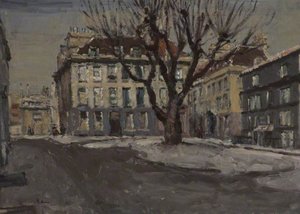
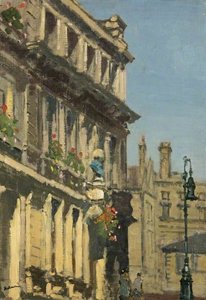
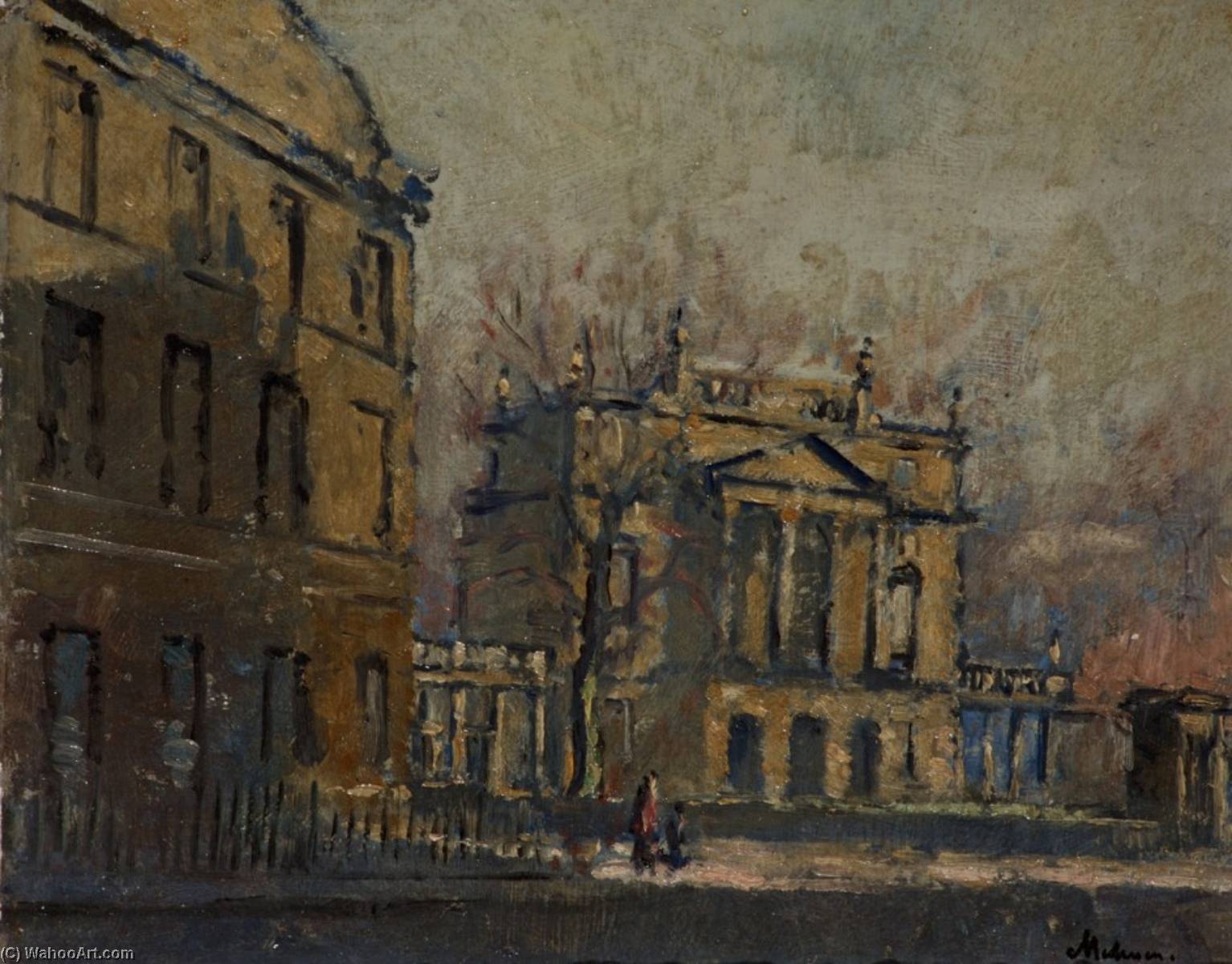
The Holburne of Menstrie Museum, Bath, 18 January 1940
 Oil On Canvas
- WallArt
- Contemporary Realism
 1940
1940- Modern
 25.0 x 30.0 cm
 Das Holburne Museum
 Weiterlesen
Handgefertigte Ölreproduktion
Handgemaltes Ölgemälde auf Leinwand in Ihrer Wunschgröße und mit Rahmen, auf Bestellung von unseren Künstlern angefertigt. ( Druck bestellen Bild kaufen)




P118B $10

P118H $10

P118W $10

P438Z $10

P508JH $12

P508YH $12

P805H $10

P805Z $10

P919BZ $10

P919G $10

P919XJ $10

P959ZH $10

P968JZ $12

W106C $8

W218G $10

W218JH $8

W218Y $10

W307PJ $10

W316G $10

W316PJ $8

W316Y $10

W398PJ $8

W4111J $10

W500HY $15

W500JH $15

W692G $12

W849H $8

W940BG $15

W953PJ $8




Wählen Sie aus unseren vordefinierten Formaten, die den ursprünglichen Proportionen des Kunstwerks entsprechen.

Sie können Ihre eigenen Maße eingeben, um einen bestimmten Rahmen oder Platz auszufüllen. Wenn die gewählte Größe nicht den Proportionen des Originalbildes entspricht, werden wir das Kunstwerk entweder beschneiden oder das Gemälde durch zusätzliche, handgemalte Elemente erweitern. Ein digitales Mockup wird Ihnen zur Genehmigung zugesandt, bevor die Produktion beginnt.
Bitte beachten Sie, dass die Bildschirmvorschau nicht die tatsächliche Beschneidung oder Erweiterung widerspiegelt. Nur das Mockup zeigt die endgültige Komposition exakt an.
Obwohl Sondermaße verfügbar sind, empfehlen wir, eine Größe aus der vordefinierten Liste zu wählen, um die ursprünglichen Proportionen beizubehalten.
Nach der Bestellung wird das ArtsDot.com-Team dem Kunden Anweisungen per E-Mail zusenden und eine Mockup-Vorschau bereitstellen.
Weltweiter Versand () in nur 3 bis 4 Wochen statt der üblichen 5 Wochen. (1 September). Keine Kompromisse bei der Qualität.

Kostenloser weltweiter Expressversand

Hochwertige Leinenleinwand

Umfassender Versicherungsschutz beim Versand

Zollgebühren-Rückerstattungsgarantie

Garantie für exakte Farbtreue

60 Tage Rückgaberecht (nur bei Mängeln)

100% Geld-zurück-Garantie

Mengenrabatt verfügbar
 Die Glasoption ist nur für Größen unter 110 cm verfügbar.

The Holburne of Menstrie Museum, Bath, 18 January 1940
Art der Reproduktion
Format der Reproduktion
-


Gesamtpreis
$ 263
A Window into a Vanished Era
In the quiet, evocative strokes of Paul Ayshford Methuen’s 1940 masterpiece, The Holburne of Menstrie Museum, Bath, we are transported to a moment frozen in time. This large-scale oil on canvas serves as more than just a depiction of an urban landscape; it is a soulful meditation on the intersection of architectural grandeur and the rhythmic pulse of daily life. As the eye wanders across the composition, it is immediately drawn to the imposing structure that dominates the frame, its many windows reflecting a bygone era of elegance. The presence of a clock tower at the summit acts as a silent sentinel, marking the passage of time and lending an air of historical weight to the scene. Through Methuen’s lens, the street becomes a stage where history and modernity—as they existed in the early twentieth century—perform a delicate dance.
The artist’s technique reveals a profound mastery of light and atmosphere, characteristic of his unique background that blended scientific precision with aesthetic sensitivity. The brushwork is deliberate yet fluid, capturing the textures of stone, glass, and sky with an intimacy that invites the viewer to step directly into the street. There is a palpable sense of movement within the stillness; the solitary figures strolling through the scene provide a human scale to the monumental architecture, while the inclusion of a horse on the periphery serves as a poignant symbol of a transitioning world. This subtle detail bridges the gap between the traditional modes of transport and the burgeoning urban energy of the mid-century, creating a narrative of continuity amidst change.
An Atmosphere of Nostalgic Grandeur
For the discerning collector or interior designer, this painting offers an unparalleled opportunity to introduce a sense of historical depth and sophisticated charm into a living space. The color palette, rich with the muted tones of a winter day in Bath, evokes a feeling of contemplative calm. It is a piece that does not merely decorate a wall but rather anchors a room, providing a focal point that sparks conversation and deep reflection. The composition’s balance between the heavy, permanent presence of the museum building and the fleeting, transient nature of the pedestrians creates an emotional resonance that is both melancholic and deeply comforting.
Integrating a high-quality reproduction of this work into a contemporary interior allows for a beautiful juxtaposition of old and new. Whether placed in a sunlit gallery, a formal study, or a modern lounge, the painting brings with it the prestige of the Holburne Museum’s legacy and the refined spirit of British landscape tradition. It is an invitation to slow down, to observe the intricate details of the urban fabric, and to find beauty in the quiet, overlooked moments of our shared history. Owning such a piece is an investment in storytelling, bringing the timeless elegance of 1940s Bath into the heart of the modern home.
Ähnliche Kunstwerke
Über den Künstler
Frühes Leben und Ausbildung
- Geboren: 29. September 1886, Corsham, Vereinigtes Königreich
- Eltern: Field Marshal Paul Sanford Methuen, 3. Baron Methuen, und Mary Ethel née Sanford
- Ausbildung: Eton College, New College, Oxford (studierte Zoologie und Ingenieurwesen)
- Frühe Interessen umfassten Naturwissenschaften und Ingenieurwesen.
- Studierte Zeichnen am Eton, Ruskin in Oxford und bei Charles Holmes.
Wissenschaftliche Tätigkeiten und frühe Karriere
- 1910-1914: Arbeitete im Transvaal Museum in Pretoria, Südafrika.
- Veröffentlichte mehrere wissenschaftliche Arbeiten über Zoologie, insbesondere Herpetologie, mit John Hewitt.
- Sammelte und beschrieb zahlreiche südafrikanische und madagassische Gattungen und Arten.
- Lehnte einen Lehrstuhl für Zoologie an einer südafrikanischen Universität ab, um seiner familiären Heimat treu zu bleiben.
- Diente im Royal Wiltshire Yeomanry und den Scots Guards während des Ersten Weltkriegs.
Künstlerische Entwicklung und Stil
- 1927: Besuchte Kunstkurse bei Walter Sickert, was seinen Malstil maßgeblich beeinflusste.
- Etablierte sich als ernstzunehmender Künstler.
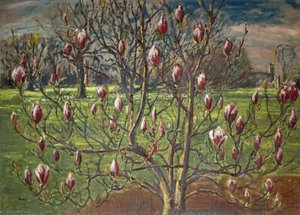
- Bevorzugte Sujets waren Stadtansichten, Freilandschaften mit Gebäuden, Tiere und Pflanzen (Magnolien, Orchideen in Corsham Court).
- Seine Werke zeigten oft Landschaften und Stadtlandschaften mit Fokus auf Licht und Atmosphäre.
- Sickerts Einfluss ist in Methuens Farbwahl und seinem Interesse an der Darstellung des Alltagslebens erkennbar.
Wichtige Errungenschaften und Anerkennung
- 1928: Erste Einzelausstellung in der Warren Gallery.
- Stellte regelmäßig in den Leicester Galleries, Colnaghi's und der Royal Academy aus.
- War von 1939 bis 1971 Präsident der Royal West of England Academy in Bristol.
- Wurde 1951 zum Associate der Royal Academy und 1959 zum Royal Academician gewählt.
- Vertrauensmann der National Gallery (1938-1945) und der Tate Gallery (1940-1945).
- Verfasste *Normandy Diary*, das seine Erfahrungen beim Schutz von Kunstwerken während des Zweiten Weltkriegs im Rahmen der Procurement and Fine Art Branch dokumentiert.
Späteres Leben, Vermächtnis und Ehrungen
- Widmete sich der Restaurierung von Corsham Court und seiner Kunstsammlung.
- Veröffentlichte 1958 eine Geschichte der Kunstsammlung von Corsham Court und 1970 einen Katalog der Miniaturen.
- Stellte Corsham Court der Bath Academy of Art zur Verfügung, die es bis 1972 beherbergte.
- Eine südafrikanische Echsenart, *Lygodactylus methueni*, ist ihm zu Ehren benannt.
- Gestorben: 7. Januar 1974 in Bath.
- Sein Vermächtnis umfasst ein Werk, das sowohl seine wissenschaftliche Neugier als auch sein künstlerisches Talent widerspiegelt und die Essenz der britischen Landschaften und des städtischen Lebens einfängt.
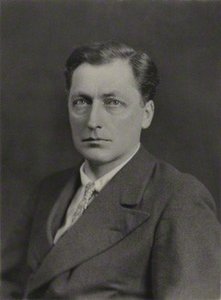
Paul Ayshford Methuen
1886 - 1974 , Vereinigtes Königreich
Kurzinfos
- Beeinflusste Künstler: ['Walter Sickert']
- Geburtsdatum: 29. September 1886
- Geburtsort: Corsham, Vereinigtes Königreich
- Künstlerische Richtung: Urbanes & Tierstudium
- Nationalität: Britisch
- Sterbedatum: 7. Januar 1974
- Vollständiger Name: Paul Ayshford Methuen
Ähnliche Artikel
Concrete Narratives: Exploring Urban Life in Modern & Contemporary Art
Explore the evolution of cityscape painting with ArtsDot. Discover key artists from Realism to contemporary movements & invest in timeless urban visions. Expert guidance, museum-quality reproductions.
Beyond Graffiti: Exploring the Evolution & Cultural Impact of Street Art for Collectors
Explore the evolution of street art from rebellious origins to a respected fine art form. Discover key artists like Banksy & learn how to collect urban art with confidence. Expert insights for discerning investors.
Jenseits der Galeriewände: Der Aufstieg der zeitgenössischen Straßenkunst
Entdecken Sie die faszinierende Welt der zeitgenössischen Straßenkunst! Von den Anfängen bis zu aktuellen Trends – wir bieten Expertise, hochwertige Reproduktionen & Kunstberatung von .
Concrete Visions: Exploring the Urban Landscape in Painting – From Realism to Contemporary Art
Explore the evolution of cityscape painting from Realism to contemporary art with ArtsDot. Discover key artists & invest in timeless urban visions. Expert guidance, museum-quality reproductions.
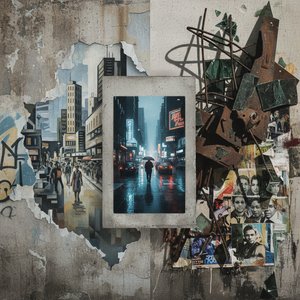
Concrete Visions: Exploring Representations of Urban Life in Modern & Contemporary Art
Explore the evolution of cityscape painting from Realism to contemporary art. Discover key artists & invest in timeless urban visions with ArtsDot's expert guidance and museum-quality reproductions.