 Vorschau anzeigen
 Versenden
 Teilen
 Details anzeigen

 Herunterladen
 Ähnliche Objekte
 Röntgenaufnahme
 Diashow
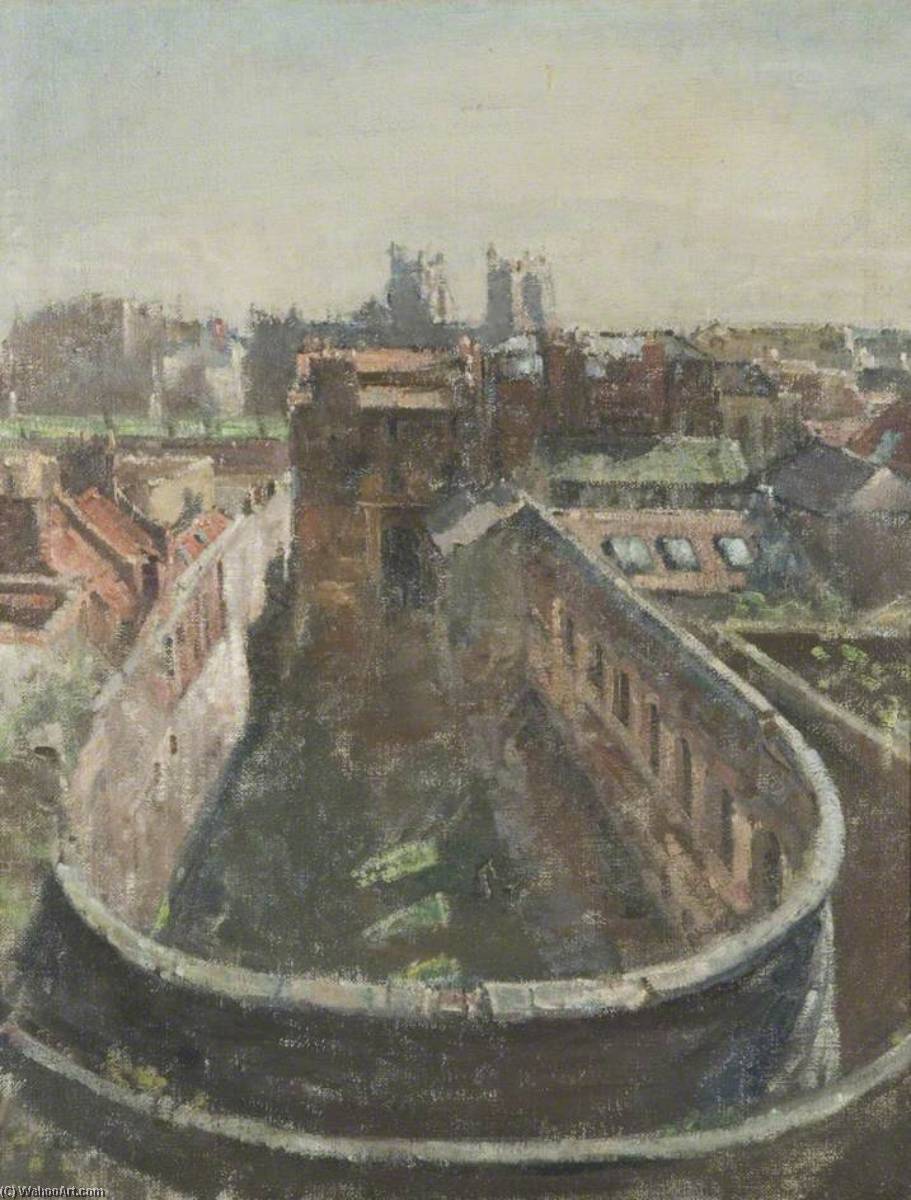
Walls Horse Repository, c.1930
 Oil On Canvas
- WallArt
- Impressionism
 1938
1938 91.0 x 71.0 cm
 Bristol Museum – Kunstgalerie
 Weiterlesen
Giclée / Kunstdruck
Giclée- oder Leinwanddruck in Museumsqualität mit schneller Produktion und flexiblen Veredelungsoptionen. ( Handgemalte Reproduktion bestellen Bild kaufen)




P118B $10

P118H $10

P118W $10

P438Z $10

P508JH $12

P508YH $12

P805H $10

P805Z $10

P919BZ $10

P919G $10

P919XJ $10

P959ZH $10

P968JZ $12

W106C $8

W218G $10

W218JH $8

W218Y $10

W307PJ $10

W316G $10

W316PJ $8

W316Y $10

W398PJ $8

W4111J $10

W500HY $15

W500JH $15

W692G $12

W849H $8

W940BG $15

W953PJ $8




Wählen Sie aus unseren vordefinierten Formaten, die den ursprünglichen Proportionen des Kunstwerks entsprechen.

Sie können Ihre eigenen Maße eingeben, um ein bestimmtes Format oder einen speziellen Platz einzupassen. Wenn das von Ihnen gewählte Format nicht den Proportionen des Originalbildes entspricht, werden wir das Kunstwerk entweder beschneiden oder das Bild mit einem gespiegelten oder einfarbigen Rand erweitern. Ein digitaler Entwurf wird Ihnen zur Genehmigung zugesandt, bevor die Produktion beginnt.
Bitte beachten Sie, dass die Vorschau auf dem Bildschirm nicht den tatsächlichen Zuschnitt oder die Erweiterung widerspiegelt. Nur der Entwurf zeigt die endgültige Komposition präzise an.
Obwohl Sondermaße verfügbar sind, empfehlen wir die Auswahl eines Maßes aus der vordefinierten Liste, um die ursprünglichen Proportionen zu bewahren.
Weltweiter Versand () innerhalb von 2 Wochen statt der üblichen 4/5 Wochen. (26 August)

Kostenloser weltweiter Expressversand

Hochwertige Leinenleinwand

Umfassender Versicherungsschutz beim Versand

Zollgebühren-Rückerstattungsgarantie

Garantie für exakte Farbtreue

60 Tage Rückgaberecht (nur bei Mängeln)

100% Geld-zurück-Garantie

Mengenrabatt verfügbar
 Die Glasoption ist nur für Größen unter 110 cm verfügbar.

Walls Horse Repository, c.1930
Giclée / Kunstdruck
Format der Reproduktion
-


Gesamtpreis
$ 62
Sammlerstück-Beschreibung
Walls Horse Repository, c.1930 – A Glimpse of Fortified Memory
Paul Ayshford Methuen’s “Walls Horse Repository,” painted in 1938, isn't merely a depiction of a cityscape; it’s an evocative meditation on protection, history, and the enduring power of memory. The artwork presents a meticulously rendered view from an elevated perspective, capturing a fortified city – likely inspired by the ramparts and towers of European urban centers – enveloped within a protective wall. This isn't a vibrant, celebratory scene; rather, it possesses a quiet, almost melancholic atmosphere, suggesting a muted light and perhaps a sense of contained time. The composition is dominated by horizontal lines, mirroring the solidity of the walls and the rooftops that rise behind them, contrasted sharply with the vertical thrust of the towers – structures that speak to both defense and aspiration.
Methuen’s artistic approach leans heavily into the principles of early 20th-century landscape painting, drawing inspiration from artists like Walter Sickert and incorporating elements of Impressionism. The loose brushwork, particularly evident in the textured surface of the walls, creates a sense of movement and atmosphere, capturing the fleeting effects of light and shadow. The color palette is deliberately restrained – earthy browns, grays, ochres, and subtle blues – contributing to the painting’s overall mood of quiet contemplation. The artist skillfully utilizes lines not just for delineation but also to create depth and form, suggesting a flattened perspective that nonetheless successfully conveys a sense of spatial recession.
The Baron's Dual Legacy: Science and Art
Understanding “Walls Horse Repository” requires acknowledging the unique context of its creator, Paul Ayshford Methuen, 4th Baron Methuen. Born in 1886 into a family steeped in military tradition – his father, Field Marshal Paul Sanford Methuen, was a prominent figure in British history – young Paul initially pursued academic paths at Eton College and Oxford University, studying zoology and engineering. However, a profound fascination with the natural world and an equally strong artistic inclination ultimately guided his life’s trajectory. His early years in South Africa, conducting research at the Transvaal Museum alongside John Hewitt, fostered a deep appreciation for observation and detail – qualities that undoubtedly informed his approach to painting. This blend of scientific rigor and artistic sensibility is powerfully evident in Methuen's work, as seen here in the careful rendering of architectural forms and the atmospheric treatment of light.
Symbolism Within the Stone: Fortification and Remembrance
The imposing walls themselves are rich with symbolic weight. They represent not just physical defense but also the concepts of protection, confinement, and perhaps even remembrance. The “Repository” portion of the title hints at a place where history is stored – a fortress that has witnessed generations come and go. The muted colors and atmospheric perspective suggest a sense of distance from the present, inviting viewers to contemplate the past and its enduring influence on the landscape. The presence of towers, often associated with observation and authority, further reinforces this theme of historical significance.
Technique and Materials: A Masterful Oil Painting
“Walls Horse Repository” is a testament to Methuen’s skill as an oil painter. The technique employed is characterized by visible brushstrokes, layering of paint, and a deliberate manipulation of texture. The impasto-like application on the walls creates a tactile surface that invites close examination, revealing the artist's hand and adding depth to the composition. The use of linseed oil as a binder contributes to the painting’s rich color saturation and luminous quality. The canvas itself is a traditional medium, perfectly suited to Methuen’s expressive style. This piece exemplifies a dedication to craft and a masterful command of materials – a hallmark of the artist's oeuvre.
A Timeless Vision: Reproduction and Beyond
Reproductions of “Walls Horse Repository” offer an exceptional opportunity to bring this evocative artwork into any setting. The painting’s atmospheric mood and historical resonance make it particularly well-suited for interior spaces seeking a touch of contemplative elegance. Consider pairing it with antique furniture, classic textiles, or other pieces that evoke a sense of timelessness and sophistication. As a piece by Paul Ayshford Methuen, this artwork represents not just a beautiful image but also a connection to a fascinating life – one dedicated to bridging the worlds of science and art.
Ähnliche Kunstwerke
Über den Künstler
Frühes Leben und Ausbildung
- Geboren: 29. September 1886, Corsham, Vereinigtes Königreich
- Eltern: Field Marshal Paul Sanford Methuen, 3. Baron Methuen, und Mary Ethel née Sanford
- Ausbildung: Eton College, New College, Oxford (studierte Zoologie und Ingenieurwesen)
- Frühe Interessen umfassten Naturwissenschaften und Ingenieurwesen.
- Studierte Zeichnen am Eton, Ruskin in Oxford und bei Charles Holmes.
Wissenschaftliche Tätigkeiten und frühe Karriere
- 1910-1914: Arbeitete im Transvaal Museum in Pretoria, Südafrika.
- Veröffentlichte mehrere wissenschaftliche Arbeiten über Zoologie, insbesondere Herpetologie, mit John Hewitt.
- Sammelte und beschrieb zahlreiche südafrikanische und madagassische Gattungen und Arten.
- Lehnte einen Lehrstuhl für Zoologie an einer südafrikanischen Universität ab, um seiner familiären Heimat treu zu bleiben.
- Diente im Royal Wiltshire Yeomanry und den Scots Guards während des Ersten Weltkriegs.
Künstlerische Entwicklung und Stil
- 1927: Besuchte Kunstkurse bei Walter Sickert, was seinen Malstil maßgeblich beeinflusste.
- Etablierte sich als ernstzunehmender Künstler.
- Bevorzugte Sujets waren Stadtansichten, Freilandschaften mit Gebäuden, Tiere und Pflanzen (Magnolien, Orchideen in Corsham Court).
- Seine Werke zeigten oft Landschaften und Stadtlandschaften mit Fokus auf Licht und Atmosphäre.
- Sickerts Einfluss ist in Methuens Farbwahl und seinem Interesse an der Darstellung des Alltagslebens erkennbar.
Wichtige Errungenschaften und Anerkennung
- 1928: Erste Einzelausstellung in der Warren Gallery.
- Stellte regelmäßig in den Leicester Galleries, Colnaghi's und der Royal Academy aus.
- War von 1939 bis 1971 Präsident der Royal West of England Academy in Bristol.
- Wurde 1951 zum Associate der Royal Academy und 1959 zum Royal Academician gewählt.
- Vertrauensmann der National Gallery (1938-1945) und der Tate Gallery (1940-1945).
- Verfasste *Normandy Diary*, das seine Erfahrungen beim Schutz von Kunstwerken während des Zweiten Weltkriegs im Rahmen der Procurement and Fine Art Branch dokumentiert.
Späteres Leben, Vermächtnis und Ehrungen
- Widmete sich der Restaurierung von Corsham Court und seiner Kunstsammlung.
- Veröffentlichte 1958 eine Geschichte der Kunstsammlung von Corsham Court und 1970 einen Katalog der Miniaturen.
- Stellte Corsham Court der Bath Academy of Art zur Verfügung, die es bis 1972 beherbergte.
- Eine südafrikanische Echsenart, *Lygodactylus methueni*, ist ihm zu Ehren benannt.
- Gestorben: 7. Januar 1974 in Bath.
- Sein Vermächtnis umfasst ein Werk, das sowohl seine wissenschaftliche Neugier als auch sein künstlerisches Talent widerspiegelt und die Essenz der britischen Landschaften und des städtischen Lebens einfängt.
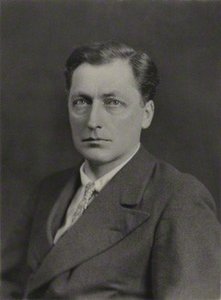
Paul Ayshford Methuen
1886 - 1974 , Vereinigtes Königreich
Kurzinfos
- Beeinflusste Künstler: ['Walter Sickert']
- Geburtsdatum: 29. September 1886
- Geburtsort: Corsham, Vereinigtes Königreich
- Künstlerische Richtung: Urbanes & Tierstudium
- Nationalität: Britisch
- Sterbedatum: 7. Januar 1974
- Vollständiger Name: Paul Ayshford Methuen
Ähnliche Artikel

Paul Cézanne: Die 25 Meisterwerke des Impressionismus | ArtsDot
Entdecken Sie die 25 Meisterwerke von Paul Cézanne! Tauchen Sie ein in die Welt des Impressionismus und Postimpressionismus. Erfahren Sie mehr über seine Stillleben, Landschaften & berühmten Gemälde – jetzt hochwertige Kunstdrucke auf ArtsDot.com.
Paul Klee: Die 25 Meisterwerke des Abstrakten – Kunst für Ihr Zuhause | ArtsDot
Entdecken Sie die 25 Meisterwerke von Paul Klee! Tauchen Sie ein in seine abstrakte Welt, voller Expressionismus und Bauhaus-Einflüsse. Hochwertige Kunst für Ihr Zuhause – jetzt bei ArtsDot entdecken!

Evocations of Place: A Historical Journey Through Landscape Art
Explore the rich history of landscape art with ArtsDot. Discover renowned artists, movements like Impressionism & Romanticism, and expert guidance for collecting timeless pieces. Find your perfect serene escape today!

Romantische Landschaften: Die 10 Meisterwerke, die eine Epoche prägten | ArtsDot
Entdecken Sie die 10 Meisterwerke der Romantischen Landschaftsmalerei! Von Caspar David Friedrich bis Turner – erleben Sie die Kunst, Emotion & Natur. Hochwertige Reproduktionen auf ArtsDot.com

John Constable: Die 25 Meisterwerke des englischen Landschaftsgenies – ArtsDot
Entdecken Sie die 25 Meisterwerke von John Constable! Erleben Sie englische Landschaftsmalerei vom Hay Wain bis zur Stour Valley. Hochwertige Reproduktionen & Kunst für Ihr Zuhause auf ArtsDot.com.