 Vorschau anzeigen
 Versenden
 Teilen
 Details anzeigen

 Herunterladen
 Ähnliche Objekte
 Röntgenaufnahme
 Diashow
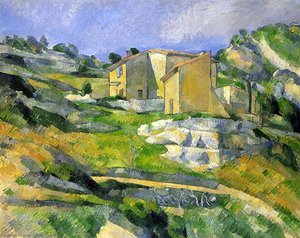
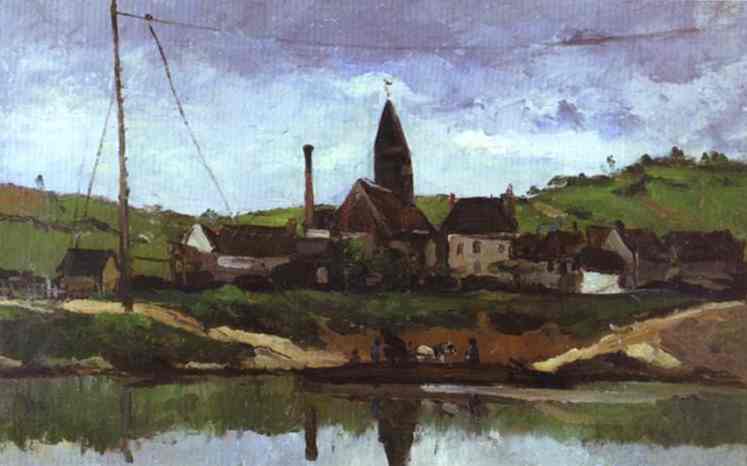
View of Bonnieres

 Weiterlesen
Handgefertigte Ölreproduktion
Handgemaltes Ölgemälde auf Leinwand in Ihrer Wunschgröße und mit Rahmen, auf Bestellung von unseren Künstlern angefertigt. ( Druck bestellen Bild kaufen)




P118B $10

P118H $10

P118W $10

P438Z $10

P508JH $12

P508YH $12

P805H $10

P805Z $10

P919BZ $10

P919G $10

P919XJ $10

P959ZH $10

P968JZ $12

W106C $8

W218G $10

W218JH $8

W218Y $10

W307PJ $10

W316G $10

W316PJ $8

W316Y $10

W398PJ $8

W4111J $10

W500HY $15

W500JH $15

W692G $12

W849H $8

W940BG $15

W953PJ $8




Wählen Sie aus unseren vordefinierten Formaten, die den ursprünglichen Proportionen des Kunstwerks entsprechen.

Sie können Ihre eigenen Maße eingeben, um einen bestimmten Rahmen oder Platz auszufüllen. Wenn die gewählte Größe nicht den Proportionen des Originalbildes entspricht, werden wir das Kunstwerk entweder beschneiden oder das Gemälde durch zusätzliche, handgemalte Elemente erweitern. Ein digitales Mockup wird Ihnen zur Genehmigung zugesandt, bevor die Produktion beginnt.
Bitte beachten Sie, dass die Bildschirmvorschau nicht die tatsächliche Beschneidung oder Erweiterung widerspiegelt. Nur das Mockup zeigt die endgültige Komposition exakt an.
Obwohl Sondermaße verfügbar sind, empfehlen wir, eine Größe aus der vordefinierten Liste zu wählen, um die ursprünglichen Proportionen beizubehalten.
Nach der Bestellung wird das ArtsDot.com-Team dem Kunden Anweisungen per E-Mail zusenden und eine Mockup-Vorschau bereitstellen.
Weltweiter Versand () in nur 3 bis 4 Wochen statt der üblichen 5 Wochen. (6 September). Keine Kompromisse bei der Qualität.

Kostenloser weltweiter Expressversand

Hochwertige Leinenleinwand

Umfassender Versicherungsschutz beim Versand

Zollgebühren-Rückerstattungsgarantie

Garantie für exakte Farbtreue

100 Tage Rückgaberecht (nur bei Mängeln)

100% Geld-zurück-Garantie

Mengenrabatt verfügbar
 Die Glasoption ist nur für Größen unter 110 cm verfügbar.

View of Bonnieres
Art der Reproduktion
Format der Reproduktion
-


Gesamtpreis
$ 263
A Moment Frozen in Time: Paul Cézanne’s “View of Bonnieres”
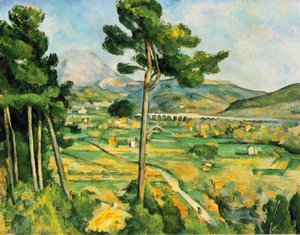
Paul Cézanne's "View of Bonnieres," painted in 1866, isn’t merely a depiction of a small Provençal village; it’s a profound meditation on perception and the very nature of seeing. This captivating landscape, housed within the collections of numerous museums worldwide, offers a glimpse into the nascent stages of Cézanne's revolutionary approach to art – one that would ultimately dismantle traditional academic conventions and pave the way for modernism. The scene unfolds before us with remarkable clarity: a modest village nestled amidst rolling hills, dominated by a church whose steeple pierces the azure sky. A ribbon of water, likely a river or stream, snakes through the valley floor, reflecting the light and adding a layer of shimmering tranquility to the composition.
Cézanne’s style at this period leans heavily into the Impressionist movement, yet he quickly transcends its limitations. While acknowledging the influence of artists like Jean-François Millet, who depicted rural life with earthy realism, Cézanne introduces a deliberate shift in focus. He isn't striving for photographic accuracy or fleeting impressions of light; instead, he’s dissecting the scene, analyzing its underlying geometric structure. Notice how the village buildings are broken down into simple, overlapping planes – rectangles and triangles—that suggest volume and form rather than simply mimicking their appearance. This technique anticipates Cubism, demonstrating Cézanne's intuitive understanding that art could represent reality through a system of abstracted shapes.
The Language of Color and Light
Cézanne’s masterful use of color is central to the painting’s emotional impact. He employs a restrained palette—primarily blues, greens, ochres, and browns—to evoke the warm hues of the Provençal countryside. However, he doesn't blend these colors smoothly; instead, he applies them in distinct brushstrokes, creating a vibrant interplay of light and shadow. The dappled sunlight filtering through the trees casts intricate patterns on the landscape, while the reflections in the water add depth and dynamism to the scene. This careful manipulation of color isn’t about replicating nature faithfully but rather about conveying its essence—its warmth, its vibrancy, and its inherent beauty.
The composition itself is carefully balanced, drawing the eye across the canvas. The church, positioned prominently in the background, serves as a focal point, anchoring the scene and providing a sense of stability. The placement of figures – scattered throughout the village—adds a touch of human presence to the landscape, suggesting a quiet rhythm of rural life. Cézanne’s deliberate use of perspective subtly shifts, creating an illusion of depth that draws the viewer into the heart of the scene.
Symbolism and Emotional Resonance
Beyond its technical brilliance, “View of Bonnieres” resonates with a profound sense of tranquility and nostalgia. The village itself evokes a feeling of timelessness—a place where life moves at a slower pace, connected to the rhythms of nature. The church, a symbol of faith and community, suggests a connection between humanity and the divine. The water, reflecting the sky above, symbolizes fluidity, change, and the interconnectedness of all things.
Cézanne’s decision to paint this particular village—Bonnieres—is significant. It was his childhood home, imbued with personal memories and emotions. This intimate connection is palpable in the painting's serene atmosphere and its subtle details. “View of Bonnieres” isn’t just a landscape; it’s a window into Cézanne’s soul – a testament to his deep love for Provence and his unwavering commitment to capturing the essence of the world around him.
A Legacy in Reproduction
Today, "View of Bonnieres" stands as an iconic work of art, admired for its innovative approach to composition, color, and perspective. ArtsDot offers meticulously crafted reproductions that faithfully capture the painting’s beauty and depth. Whether adorning a wall in your home or serving as a striking element in a commercial space, a reproduction of Cézanne's "View of Bonnieres" brings a touch of timeless elegance and artistic inspiration to any setting.
Ähnliche Kunstwerke
Über den Künstler
frühes Leben und Einflüsse
Paul Cézanne, ein französischer Post-Impressionist-Maler, wurde am 19. Januar 1839 in Aix-en-Provence, Frankreich, geboren. Sein frühes Leben war geprägt von einer starken Verbindung zu seiner Familie’s Bankgeschäft, das ihm finanzielle Sicherheit verschaffte. Dies ermöglichte es ihm, sich ohne finanziellen Druck auf seine künstlerischen Bestrebungen zu konzentrieren. Les Nabis, Neo-Impressionismus und Symbolismus beeinflussten Cézannes frühe Arbeit, die sich durch seinen Schwerpunkt auf geometrische Formen und eine reduzierte Farbpalette auszeichnete. Sein Interesse an den Werken von Paul Gauguin und Georges Seurat festigte seinen Post-Impressionismusstil.Künstlerischer Stil und Techniken
Cézannes innovative Verwendung von Farbflächen und kleinen, sich wiederholenden Pinselstrichen schuf komplexe Felder, die seine intensive Beschäftigung mit den Motiven widerspiegelten. Sein oft explorativer Ansatz in der Kunst führte zur Entwicklung einer neuen bildlichen Sprache, die die zugrunde liegende Struktur von Objekten in einer Komposition betonte.- Schlüsselmerkmale:
- Geometrische Formen und Facetten
- Reduzierte Farbpalette
- Betonung der konstruktiven Essenz der physischen Welt
- Mehrere Perspektiven und Simultaneität
- Einflussreiche Werke:
- The Pond at Jas de Bouffan (1880)
- Portrait of Emile Zola (1866)
- Wald (1892)
- Museen mit Cézannes Werken:
- Musée Marmottan Monet in Paris, Frankreich
- The Museum of Fine Arts in Houston, Vereinigte Staaten
Vermächtnis und Einfluss
Cézannes bahnbrechende Arbeit im Post-Impressionismus ebnete den Weg für verschiedene Avantgarde-Bewegungen, darunter Kubismus, Fauvismus und Surrealismus. Sein Einfluss ist in den Werken von Pablo Picasso, Henri Matisse und Georges Braque zu sehen. Cézannes Vermächtnis inspiriert weiterhin Künstler und Kunstinteressierte gleichermaßen und festigt seinen Platz als eine zentrale Figur in der Geschichte der modernen Kunst.- Verwandte Kunstbewegungen:
- Betrachten Sie Cézannes Werke:
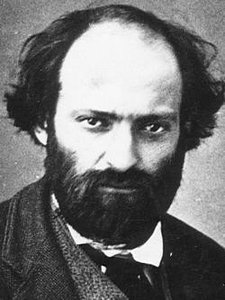
Paul Cézanne
1839 - 1906 , Frankreich
Kurzinfos
- Beeinflusste Künstler:
- Paul Gauguin
- Georges Seurat
- Bemerkenswerte Werke:
- Der Teich in Jas de Bouffan
- Porträt von Émile Zola
- Wald
- Mont Sainte-Victoire
- Geburtsdatum: 19. Januar 1839
- Geburtsort: Aix-en-Provence, Frankreich
- Künstlerische Bewegung: Postimpressionismus
- Nationalität: Französisch
- Sterbedatum: 1906
- Vollständiger Name: Paul Cézanne
- Von Ihm Beeinflusste Künstler:
- Pablo Picasso
- Henri Matisse
- Georges Braque
Ähnliche Artikel

Paul Cézanne: Die 25 Meisterwerke des Impressionismus | ArtsDot
Entdecken Sie die 25 Meisterwerke von Paul Cézanne! Tauchen Sie ein in die Welt des Impressionismus und Postimpressionismus. Erfahren Sie mehr über seine Stillleben, Landschaften & berühmten Gemälde – jetzt hochwertige Kunstdrucke auf ArtsDot.com.

Impressionistische Landschaften: Die 10 Meisterwerke, die eine Epoche prägten | ArtsDot
Entdecken Sie die 10 Meisterwerke des Impressionismus! Von Monet bis Renoir – erleben Sie die Geschichte, Technik und zeitlose Schönheit ikonischer Landschaftsbilder. Hochwertige Kunstdrucke auf ArtsDot.com. Jetzt entdecken!
Paul Klee: Die 25 Meisterwerke des Abstrakten – Kunst für Ihr Zuhause | ArtsDot
Entdecken Sie die 25 Meisterwerke von Paul Klee! Tauchen Sie ein in seine abstrakte Welt, voller Expressionismus und Bauhaus-Einflüsse. Hochwertige Kunst für Ihr Zuhause – jetzt bei ArtsDot entdecken!
Jenseits des Impressionismus: Die emotionale Tiefe der postimpressionistischen Malerei
Entdecken Sie die emotionale Tiefe des Postimpressionismus! Analysieren Sie Cézanne, van Gogh, Gauguin & Seurat. Expertenwissen über Kunstgeschichte und Einfluss auf die Moderne.
Impressionismus Meisterwerke: Die Top 10 Kunstwerke für Ihr Zuhause | ArtsDot
Entdecken Sie die Top 10 Meisterwerke des Impressionismus! Von Monet bis Renoir – erfahren Sie die Geschichten hinter berühmten Gemälden, Techniken & Farben. Hochwertige Kunstdrucke auf ArtsDot.com.