 Vorschau anzeigen
 Versenden
 Teilen
 Details anzeigen

 Herunterladen
 Ähnliche Objekte
 Röntgenaufnahme
 Diashow
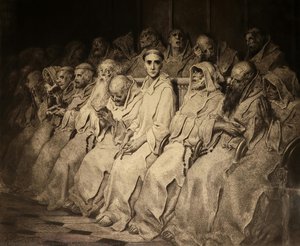
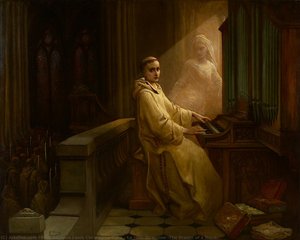
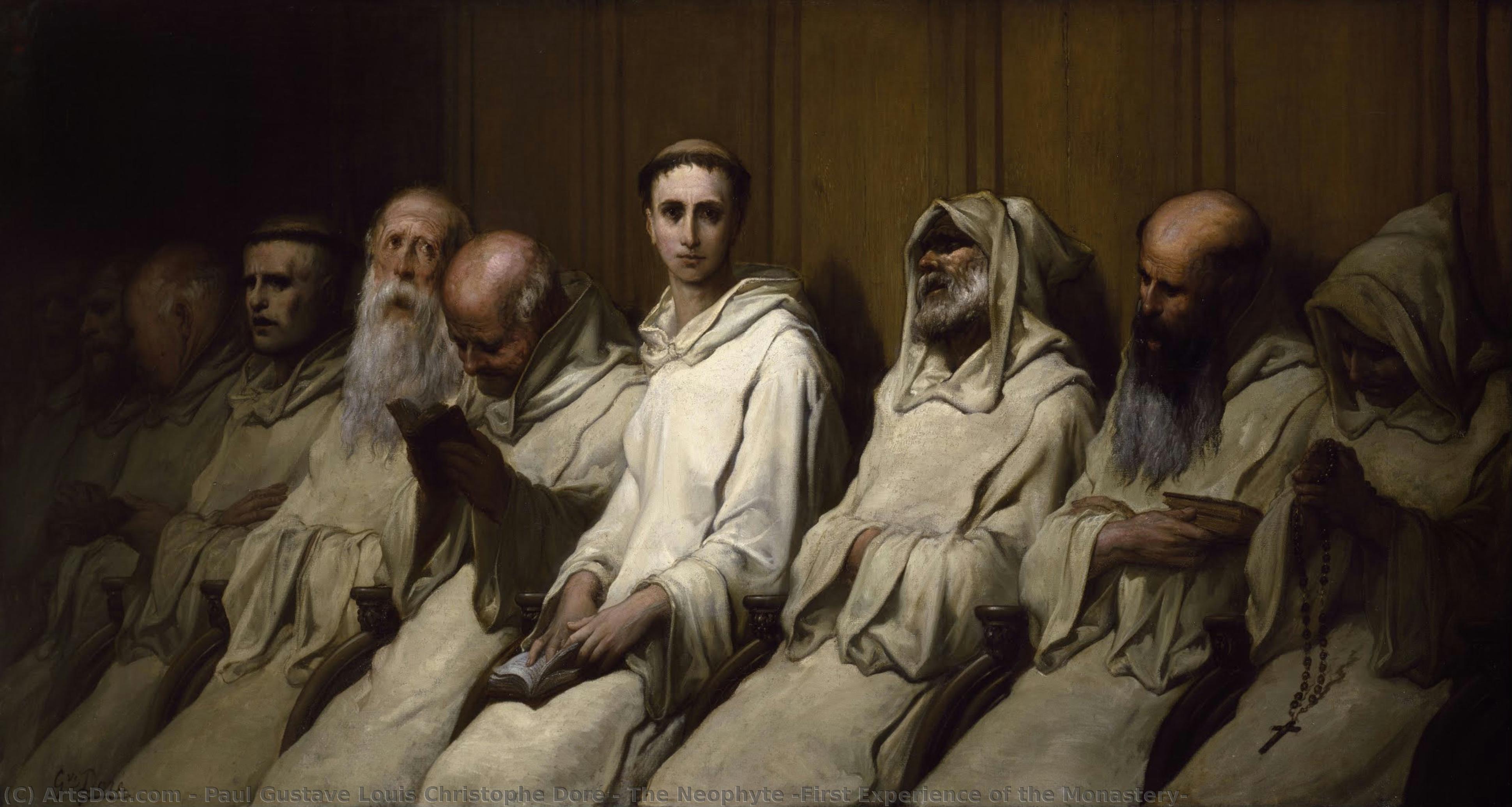
The Neophyte (First Experience of the Monastery)
 Acrylic On Canvas
- WallArt
- Romantic Realism
 145.0 x 273.0 cm
 Chrysler Museum of Art
 Weiterlesen
Handgefertigte Ölreproduktion
Handgemaltes Ölgemälde auf Leinwand in Ihrer Wunschgröße und mit Rahmen, auf Bestellung von unseren Künstlern angefertigt. ( Druck bestellen Bild kaufen)




P118B $10

P118H $10

P118W $10

P438Z $10

P508JH $12

P508YH $12

P805H $10

P805Z $10

P919BZ $10

P919G $10

P919XJ $10

P959ZH $10

P968JZ $12

W106C $8

W218G $10

W218JH $8

W218Y $10

W307PJ $10

W316G $10

W316PJ $8

W316Y $10

W398PJ $8

W4111J $10

W500HY $15

W500JH $15

W692G $12

W849H $8

W940BG $15

W953PJ $8




Wählen Sie aus unseren vordefinierten Formaten, die den ursprünglichen Proportionen des Kunstwerks entsprechen.

Sie können Ihre eigenen Maße eingeben, um einen bestimmten Rahmen oder Platz auszufüllen. Wenn die gewählte Größe nicht den Proportionen des Originalbildes entspricht, werden wir das Kunstwerk entweder beschneiden oder das Gemälde durch zusätzliche, handgemalte Elemente erweitern. Ein digitales Mockup wird Ihnen zur Genehmigung zugesandt, bevor die Produktion beginnt.
Bitte beachten Sie, dass die Bildschirmvorschau nicht die tatsächliche Beschneidung oder Erweiterung widerspiegelt. Nur das Mockup zeigt die endgültige Komposition exakt an.
Obwohl Sondermaße verfügbar sind, empfehlen wir, eine Größe aus der vordefinierten Liste zu wählen, um die ursprünglichen Proportionen beizubehalten.
Nach der Bestellung wird das ArtsDot.com-Team dem Kunden Anweisungen per E-Mail zusenden und eine Mockup-Vorschau bereitstellen.
Weltweiter Versand () in nur 3 bis 4 Wochen statt der üblichen 5 Wochen. (21 August). Keine Kompromisse bei der Qualität.

Kostenloser weltweiter Expressversand

Hochwertige Leinenleinwand

Umfassender Versicherungsschutz beim Versand

Zollgebühren-Rückerstattungsgarantie

Garantie für exakte Farbtreue

60 Tage Rückgaberecht (nur bei Mängeln)

100% Geld-zurück-Garantie

Mengenrabatt verfügbar
 Die Glasoption ist nur für Größen unter 110 cm verfügbar.

The Neophyte (First Experience of the Monastery)
Art der Reproduktion
Format der Reproduktion
-


Gesamtpreis
$ 263
Beschreibung des Kunstwerks
A Window Into Despair: Paul Gustave Doré’s “The Neophyte”
Paul Gustave Doré's "The Neophyte (First Experience of the Monastery)" isn't merely a painting; it’s a visceral plunge into the heart of existential longing. Completed around 1866-68, this arresting monochrome wood engraving captures a pivotal moment of profound disillusionment within the cloistered walls of a medieval monastery. More than just a depiction of monks, it’s a haunting meditation on isolation, regret, and the crushing weight of vows – a subject that continues to resonate powerfully with viewers today.
The scene unfolds within a dimly lit corridor, dominated by a towering row of elderly monks whose bowed postures and weathered faces speak volumes about years spent in silent contemplation. These aren’t figures of serene piety; they are embodiments of weariness, their bodies bent almost double as if burdened by the accumulated weight of their commitments. At the center of this somber tableau stands a young novice, his youthful features starkly contrasted against the aged men surrounding him. His posture is tense, his gaze fixed with an expression of profound sorrow and what appears to be desperate regret – a clear indication that he’s wrestling with the very real possibility that his chosen path isn't for him.
Romanticism’s Shadow: Context and Inspiration
Doré was a titan of 19th-century illustration, deeply rooted in the Romantic movement. This era prized emotion, individualism, and the sublime—the awe-inspiring power of nature and the human spirit. “The Neophyte” perfectly embodies these tenets. It draws heavily from George Sand’s contemporary novel *Sipiridion*, which tells the story of Brother Angel, a young novice grappling with his decision to enter the monastery. Doré masterfully translates this emotional core into a visual language that transcends mere narrative; he captures the very essence of spiritual crisis.
The work’s stark monochrome palette—a deliberate choice by Doré—amplifies the sense of melancholy and isolation. The absence of color forces the viewer to focus entirely on the figures and their expressions, intensifying the emotional impact. Furthermore, the composition itself is meticulously crafted to heighten this effect: the converging lines of the corridor draw the eye towards the young novice, while the aged monks create a claustrophobic backdrop that underscores his predicament.
Symbolism and the Weight of Vows
Beyond its immediate narrative, “The Neophyte” is rich in symbolic meaning. The elderly monks represent the established order, the traditions and expectations that have shaped the young novice’s life. Their bowed heads and weary expressions suggest a sense of resignation—a recognition that their vows are not easily broken, nor easily forgotten. The young novice's anguish isn't simply about personal dissatisfaction; it speaks to the broader struggle between individual desire and societal obligation.
Doré’s subtle inclusion of details further enriches the symbolism. The light filtering through the corridor is minimal, casting long shadows that emphasize the figures’ isolation. The young novice’s tense posture—his clenched fists and furrowed brow—communicate a sense of inner turmoil. Even the very act of gazing directly at the viewer creates an unsettling intimacy, drawing us into his private struggle.
A Timeless Portrait of Longing
"The Neophyte" remains a profoundly moving work of art because it taps into universal themes of doubt, regret, and the search for meaning. It’s not a comfortable image; it confronts us with the possibility that our choices may lead us down paths we never anticipated. Doré's masterful use of composition, symbolism, and monochrome creates an enduring portrait of human longing—a testament to the power of art to capture the complexities of the human experience.
Ähnliche Kunstwerke
Über den Künstler
Paul Gustave Doré: Ein Leben in der Illustration
Frühe Jahre und Anfänge
- Geboren: 6. Januar 1832, in Straßburg, Frankreich.
- Schon als Kind zeigte Doré ein bemerkenswertes künstlerisches Talent und eine frühreife Persönlichkeit. Es gibt Geschichten von seinen frühen Streichen, die eine ungewöhnliche Reife für sein Alter demonstrieren.
- Frühe künstlerische Neigung: Er begann mit dem Zeichnen in sehr jungen Jahren und zeigte schnell außergewöhnliches Können.
- Mit 15 Jahren begann Doré seine berufliche Karriere als Karikaturist für die französische Zeitschrift Le Journal pour rire.
Künstlerische Entwicklung und frühe Werke
- Frühe Aufträge: Zu seinen frühen Arbeiten gehörten illustrierte Bücher wie Les Travaux d'Hercule (1847), Trois artistes incompris et mécontents (1851) und Les Dés-agréments d'un voyage d'agrément (1851).
- Einflüsse: Die Illustrationen von J.J. Grandville waren ein bedeutender Einfluss auf seinen frühen Stil.
- Doré erlangte schnell Anerkennung für seine dynamischen Kompositionen und seine dramatische Verwendung von Licht und Schatten, selbst in seinen frühen Werken.
- Er erhielt Aufträge zur Illustration klassischer Literatur, darunter Werke von Cervantes, Rabelais, Balzac, Milton und Dante.
Internationale Anerkennung und bedeutende Leistungen
- Illustrationen literarischer Giganten: Im Jahr 1853 wurde er beauftragt, die Werke von Lord Byron zu illustrieren, gefolgt von einem monumentalen illustrierten Bibelprojekt.
- Der Wandersmann (1856): Dieses Werk enthielt antisemitische Untertöne, die dem damaligen Zeitalter entsprachen.
- Don Quixote: Seine Illustrationen von Cervantes’ Don Quixote in den 1860er Jahren beeinflussten die nachfolgenden Interpretationen der Charaktere und der Geschichte maßgeblich.
- Der Rabe (1883): Dorés überdimensionierte Ausgabe von Edgars Allan Poes “Der Rabe” brachte ihm 30.000 Francs von Harper & Brothers ein.
- London: Eine Pilgerreise (1872): Diese Zusammenarbeit mit Blanchard Jerrold zeigte die harten Realitäten des viktorianischen Londons und löste Kontroversen wegen seines Fokus auf Armut aus.
Stil und Techniken
- Meisterschaft im Holzschnitt: Doré war ein Meister des Holzschnitts, der unglaublich detaillierte und dramatische Bilder schuf.
- Dramatische Komposition: Sein Werk ist durch dynamische Kompositionen, starke Kontraste zwischen Licht und Schatten (Chiaroscuro) und ein Gefühl von Größe geprägt.
- Er setzte oft ein großes Team von Blockcutter ein, um seine Entwürfe in Holzschnitte zu übersetzen, was die Massenproduktion ermöglichte.
- Romantik: Sein Stil ist fest in der Romantik verwurzelt und betont Emotionen, Vorstellungskraft und das Erhabene.
Vermächtnis und historische Bedeutung
- Auszeichnungen & Ehrungen: Doré wurde 1861 durch die französische Regierung zum Ritter des Ordens der Légion d'honneur ernannt.
- Seine Illustrationen hatten einen weitreichenden Einfluss auf die visuelle Kultur und beeinflussten Künstler und Leser über Generationen hinweg.
- Einfluss auf spätere Künstler: Er inspirierte Künstler wie Vincent van Gogh, der seine Darstellungen von Leid und Not bewunderte.
- Trotz einiger zeitgenössischer Kritik wird Dorés Werk heute für sein künstlerisches Verdienst und seine historische Bedeutung gefeiert. Seine Illustrationen prägen weiterhin unser Verständnis der klassischen Literatur und der viktorianischen Gesellschaft.
- Tod: Paul Gustave Doré starb am 23. Januar 1883, hinterließ ein großes und dauerhaftes Vermächtnis.
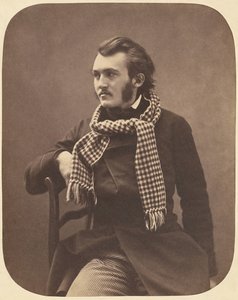
Paul Gustave Doré
1832 - 1883 , Frankreich
Kurzinfos
- Beeinflusste Künstler: ['J. J. Grandville']
- Bemerkenswerte Werke:
- Les Travaux d'Hercule
- Don Quixote-Illustrationen
- Dantes Inferno-Illustrationen
- The Raven-Illustrationen
- London: A Pilgrimage
- Geburtsdatum: 6. Januar 1832
- Geburtsort: Straßburg, Frankreich
- Künstlerischer Stil: Romantik
- Nationalität: Französisch
- Sterbedatum: 23. Januar 1883
- Vollständiger Name: Paul Gustave Doré
- Von Künstlern Beeinflusst:
- H. P. Lovecraft
- Théophile Gautier
- Vincent van Gogh
Ähnliche Artikel
Gustave Doré: Meister des Romantischen Realismus und der illustrierten Imagination
Entdecken Sie das faszinierende Werk von Gustave Doré – Meister des Romantischen Realismus und brillanter Illustrator! Erfahren Sie mehr über sein Leben, seine ikonischen Illustrationen & seinen unterschätzten Beitrag zur Kunstgeschichte.
The Evocative Brushstroke: Exploring Emotion, Individuality & the Sublime in Romanticism's Artistic Landscape
Explore the passionate world of Romanticism! Discover masterpieces by Friedrich & Goya, delve into the sublime, and understand the movement's lasting impact on art history. Expert analysis & insights at ArtsDot.
Romantik in der Kunst: Die 10 Meisterwerke, die eine Epoche prägten |
Entdecken Sie die 10 Meisterwerke der Romantik! Von Caspar David Friedrich bis Delacroix – erleben Sie Gefühl, Landschaft & Historie. Hochwertige Kunst Reproduktionen auf . Jetzt entdecken!
The Sublime and the Sensual: Exploring Emotion & Individuality in Romanticism's Artistic Revolution
Explore the passionate world of Romanticism! Discover masterpieces by Friedrich & Goya, delve into the sublime, and understand the movement's lasting impact on art history. Expert analysis & insights.

Echoes of Isolation: Solitude in Western Art from Renaissance to Modernism
Explore the profound representation of solitude in Western art from the Renaissance to Modernism. Discover iconic paintings & artists like Goya, Friedrich, and Rossetti. Handmade oil reproductions available at ArtsDot.