 Vorschau anzeigen
 Versenden
 Teilen
 Details anzeigen

 Herunterladen
 Ähnliche Objekte
 Röntgenaufnahme
 Diashow
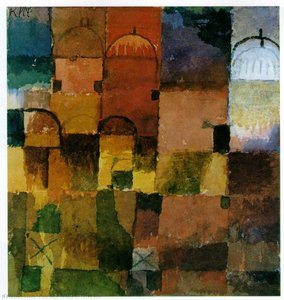
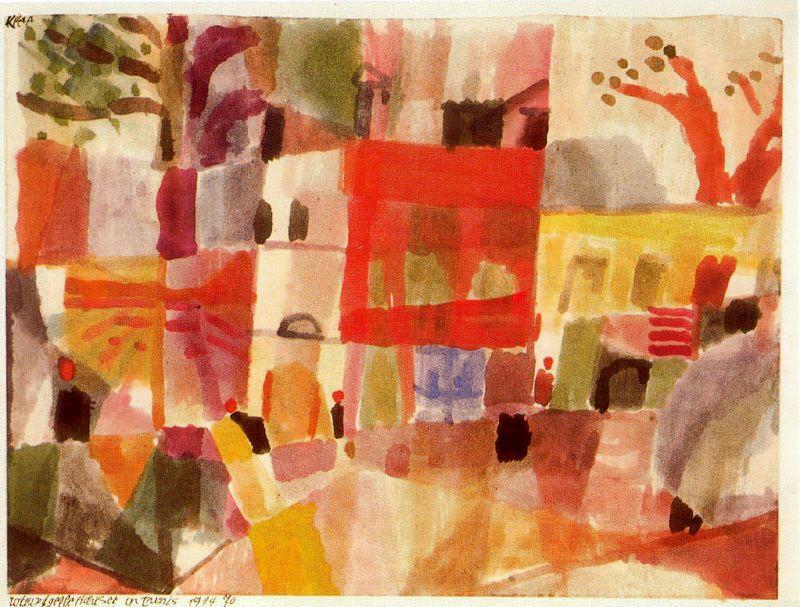
Red and Yellow Houses in Tunis


 Weiterlesen
Handgefertigte Ölreproduktion
Handgemaltes Ölgemälde auf Leinwand in Ihrer Wunschgröße und mit Rahmen, auf Bestellung von unseren Künstlern angefertigt. ( Druck bestellen Bild kaufen)




P118B $10

P118H $10

P118W $10

P438Z $10

P508JH $12

P508YH $12

P805H $10

P805Z $10

P919BZ $10

P919G $10

P919XJ $10

P959ZH $10

P968JZ $12

W106C $8

W218G $10

W218JH $8

W218Y $10

W307PJ $10

W316G $10

W316PJ $8

W316Y $10

W398PJ $8

W4111J $10

W500HY $15

W500JH $15

W692G $12

W849H $8

W940BG $15

W953PJ $8




Wählen Sie aus unseren vordefinierten Formaten, die den ursprünglichen Proportionen des Kunstwerks entsprechen.

Sie können Ihre eigenen Maße eingeben, um einen bestimmten Rahmen oder Platz auszufüllen. Wenn die gewählte Größe nicht den Proportionen des Originalbildes entspricht, werden wir das Kunstwerk entweder beschneiden oder das Gemälde durch zusätzliche, handgemalte Elemente erweitern. Ein digitales Mockup wird Ihnen zur Genehmigung zugesandt, bevor die Produktion beginnt.
Bitte beachten Sie, dass die Bildschirmvorschau nicht die tatsächliche Beschneidung oder Erweiterung widerspiegelt. Nur das Mockup zeigt die endgültige Komposition exakt an.
Obwohl Sondermaße verfügbar sind, empfehlen wir, eine Größe aus der vordefinierten Liste zu wählen, um die ursprünglichen Proportionen beizubehalten.
Nach der Bestellung wird das ArtsDot.com-Team dem Kunden Anweisungen per E-Mail zusenden und eine Mockup-Vorschau bereitstellen.
Weltweiter Versand () in nur 3 bis 4 Wochen statt der üblichen 5 Wochen. (3 September). Keine Kompromisse bei der Qualität.

Kostenloser weltweiter Expressversand

Hochwertige Leinenleinwand

Umfassender Versicherungsschutz beim Versand

Zollgebühren-Rückerstattungsgarantie

Garantie für exakte Farbtreue

60 Tage Rückgaberecht (nur bei Mängeln)

100% Geld-zurück-Garantie

Mengenrabatt verfügbar
 Die Glasoption ist nur für Größen unter 110 cm verfügbar.

Red and Yellow Houses in Tunis
Art der Reproduktion
Format der Reproduktion
-


Gesamtpreis
$ 263
A Symphony of Color and Form
To encounter Paul Klee’s "Red and Yellow Houses in Tunis" is to step into a realm where the boundaries between reality and dream dissolve into a luminous, rhythmic dance. Painted during his transformative journey through Tunisia between 1932 and 1933, this masterpiece serves as more than a mere architectural study; it is an invitation to experience a world where color sings and shapes breathe. The artwork captures a vibrant snapshot of Tunisian street life, presenting a series of interconnected structures bathed in warm, sun-drenched hues that seem to pulse with the very heat of the Mediterranean. Through Klee’s eyes, the buildings are not static objects but living participants in a larger, melodic composition, set against a backdrop of soft olive trees and a sky that feels heavy with light.
The emotional resonance of this piece lies in its ability to evoke a sense of profound peace and playful discovery. For the collector or interior designer, the painting offers a unique psychological atmosphere—one of warmth, stability, and joy. It possesses an inherent lyrical spontaneity that can breathe life into a modern living space, acting as a focal point that stimulates the intellect while soothing the spirit. The way the red and yellow pigments interlock creates a visual heartbeat, making the canvas feel less like a window into a distant land and more like a portal into a state of pure, unadulterated wonder.
The Architecture of Abstraction
Klee’s technical mastery is on full display through his meticulous use of "gitterbau," or lattice construction. This method involves a delicate layering of watercolor, gouache, and crayon on paper, creating a textured surface that appears both ethereal and structurally sound. He does not rely on the heavy lines of traditional realism; instead, he employs thin washes of color that overlap and interlock, much like the notes in a musical score. The geometric vocabulary of the piece—squares, rectangles, and triangles—serves as the fundamental building blocks of the composition. These shapes are not merely decorative; they mirror the underlying mathematical and musical rhythms that Klee believed governed the universe.
This structural harmony is beautifully juxtaposed with organic contours. While the houses follow a certain geometric logic, the presence of swaying branches and soft, undulating forms reminds the viewer of the inseparable bond between man-made structures and the natural world. This dialogue between the rigid and the fluid creates a balanced tension that keeps the eye moving across the canvas, discovering new details in every corner—from the tiny, scattered figures that lend a sense of lively movement to the subtle variations in the sun-soaked pigments.
A Legacy of Light and Inspiration
The historical context of this work is deeply intertwined with Klee’s personal evolution. Seeking respite from the mounting anxieties of pre-war Europe, Klee found a profound spiritual renewal in the North African landscape. The vibrant culture and the intense, transformative light of Tunis profoundly impacted his artistic sensibilities, infusing his work with a new decorative richness and a connection to Islamic art motifs. This period marked a shift toward a more radiant palette, moving away from the darker, more introspective tones of his earlier years toward a celebration of life and light.
For those seeking to adorn their homes with a piece of art history, "Red and Yellow Houses in Tunis" represents an unparalleled opportunity. It is a work that transcends time, offering a timeless aesthetic that complements both minimalist contemporary interiors and more eclectic, classical settings. Owning a high-quality reproduction of this Klee masterpiece means bringing home a fragment of the 20th century's most profound visual music—a piece that continues to inspire awe through its perfect marriage of geometric order and emotional freedom.
Ähnliche Kunstwerke
Über den Künstler
Paul Klee: Ein Leben in Farbe und Form
Frühes Leben und Ausbildung
- Paul Klee wurde am 18. Dezember 1879 in Münchenbuchsee, Schweiz, geboren.
- Sein Vater war Musiklehrer deutscher Herkunft, seine Mutter eine Schweizer Sängerin, was ihm schon früh eine Wertschätzung für die Künste vermittelte.
- Klee begann zunächst mit dem Zeichnen, gab diese jedoch schließlich auf zugunsten expressiverer Formen auf.
- Er studierte von 1898 bis 1901 an der Akademie der Bildenden Künste in München.
Künstlerische Entwicklung und Einflüsse
- In seinen frühen Werken waren Einflüsse des Jugendstils und Symbolismus zu sehen, aber er begann schnell, seinen einzigartigen Stil zu entwickeln.
- Eine entscheidende Reise nach Tunesien im Jahr 1914 hatte einen tiefgreifenden Einfluss auf seine Verwendung von Farbe und Abstraktion – das Licht und die Atmosphäre inspirierten eine Verschiebung hin zu kräftigeren Farbschemata.
- Er war stark von Bewegungen wie Expressionismus, Kubismus und Surrealismus beeinflusst, obwohl er sich nie vollständig mit einer einzelnen davon identifizierte.
- Sein Interesse an Musik informierte seinen künstlerischen Ansatz stark, indem er oft Malerei als Komponieren musikalischer Stücke verglich.
Die Bauhaus-Jahre und darüber hinaus
- Von 1931 bis 1933 lehrte Klee an der einflussreichen Bauhaus-Schule für Kunst, Design und Architektur neben Wassily Kandinsky.
- Diese Zeit war geprägt von einer Blüte seiner abstrakten Werke, in denen er sich mit Farbtheorie und formalen Beziehungen auseinandersetzte.
- Mit dem Aufstieg des Nationalsozialismus in Deutschland wurde Klee 1933 aufgrund seiner „degenerierten“ Kunst aus der Bauhaus entlassen.
- Er kehrte nach die Schweiz zurück und setzte seine Arbeit als Maler fort, sein Gesundheitszustand verschlechterte sich jedoch während dieser Zeit.
Wichtige Themen und künstlerischer Stil
- Klees Werk ist durch eine spielerische, aber tiefgründige Erforschung von Farbe, Linie und Form gekennzeichnet.
- Er verwendete oft kindliche Bilder und verspielte Kompositionen, die mit symbolischen Bedeutungen aufgeladen waren.
- Wiederkehrende Themen sind Gärten, Landschaften, Porträts und abstrakte Anordnungen.
- Seine „Paul Klee Notizen“, veröffentlicht posthum, enthüllen seine umfangreichen theoretischen Untersuchungen zu Farbe und Design.
Vermächtnis und historische Bedeutung
- Paul Klee starb am 29. Juni 1940 in Muralto, Schweiz.
- Er gilt als einer der wichtigsten Künstler des 20. Jahrhunderts, der die Lücke zwischen figurativer und abstrakter Kunst schloss.
- Seine innovative Verwendung von Farbe und seine theoretischen Schriften inspirieren bis heute Künstler und Designer.
- Klees Werk wird weltweit von Sammlern und Museen begehrt, wodurch er einen festen Platz in der modernen Kunstgeschichte einnimmt.
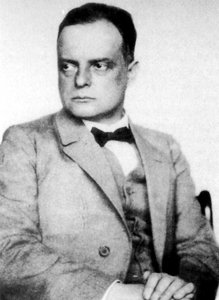
Paul Klee
1879 - 1940 , Schweiz
Kurzinfos
- Bemerkenswerte Werke:
- Hamamet (1914)
- Rotgrün und Violett-Gelbe Rhythmen
- Wolken über Bor (1940)
- Geschwister (1930)
- Geburtsdatum: 18. Dezember 1879
- Geburtsort: Münchenbuchsee, Schweiz
- Künstlerische Richtung: Expressionismus, Kubismus, Surrealismus
- Nationalität: Schweizer-Deutscher Künstler
- Todatum: 29. Juni 1940
- Vollständiger Name: Paul Klee
Ähnliche Artikel
Paul Klee: Die 25 Meisterwerke des Abstrakten – Kunst für Ihr Zuhause | ArtsDot
Entdecken Sie die 25 Meisterwerke von Paul Klee! Tauchen Sie ein in seine abstrakte Welt, voller Expressionismus und Bauhaus-Einflüsse. Hochwertige Kunst für Ihr Zuhause – jetzt bei ArtsDot entdecken!
Paul Klee: Eine Poetik der Form und Farbe – Die Entdeckung des inneren Raums eines modernen Meisters
Entdecken Sie die faszinierende Welt von Paul Klee! Expertenanalyse seiner Kunst, Bauhaus-Einflüsse & einzigartige Bildsprache. Für Sammler und Liebhaber abstrakter Malerei.

John Constable: Die 25 Meisterwerke des englischen Landschaftsgenies – ArtsDot
Entdecken Sie die 25 Meisterwerke von John Constable! Erleben Sie englische Landschaftsmalerei vom Hay Wain bis zur Stour Valley. Hochwertige Reproduktionen & Kunst für Ihr Zuhause auf ArtsDot.com.

Romantische Landschaften: Die 10 Meisterwerke, die eine Epoche prägten | ArtsDot
Entdecken Sie die 10 Meisterwerke der Romantischen Landschaftsmalerei! Von Caspar David Friedrich bis Turner – erleben Sie die Kunst, Emotion & Natur. Hochwertige Reproduktionen auf ArtsDot.com

Evocations of Place: A Historical Journey Through Landscape Art
Explore the rich history of landscape art with ArtsDot. Discover renowned artists, movements like Impressionism & Romanticism, and expert guidance for collecting timeless pieces. Find your perfect serene escape today!