 Vorschau anzeigen
 Versenden
 Teilen
 Details anzeigen

 Herunterladen
 Ähnliche Objekte
 Röntgenaufnahme
 Diashow
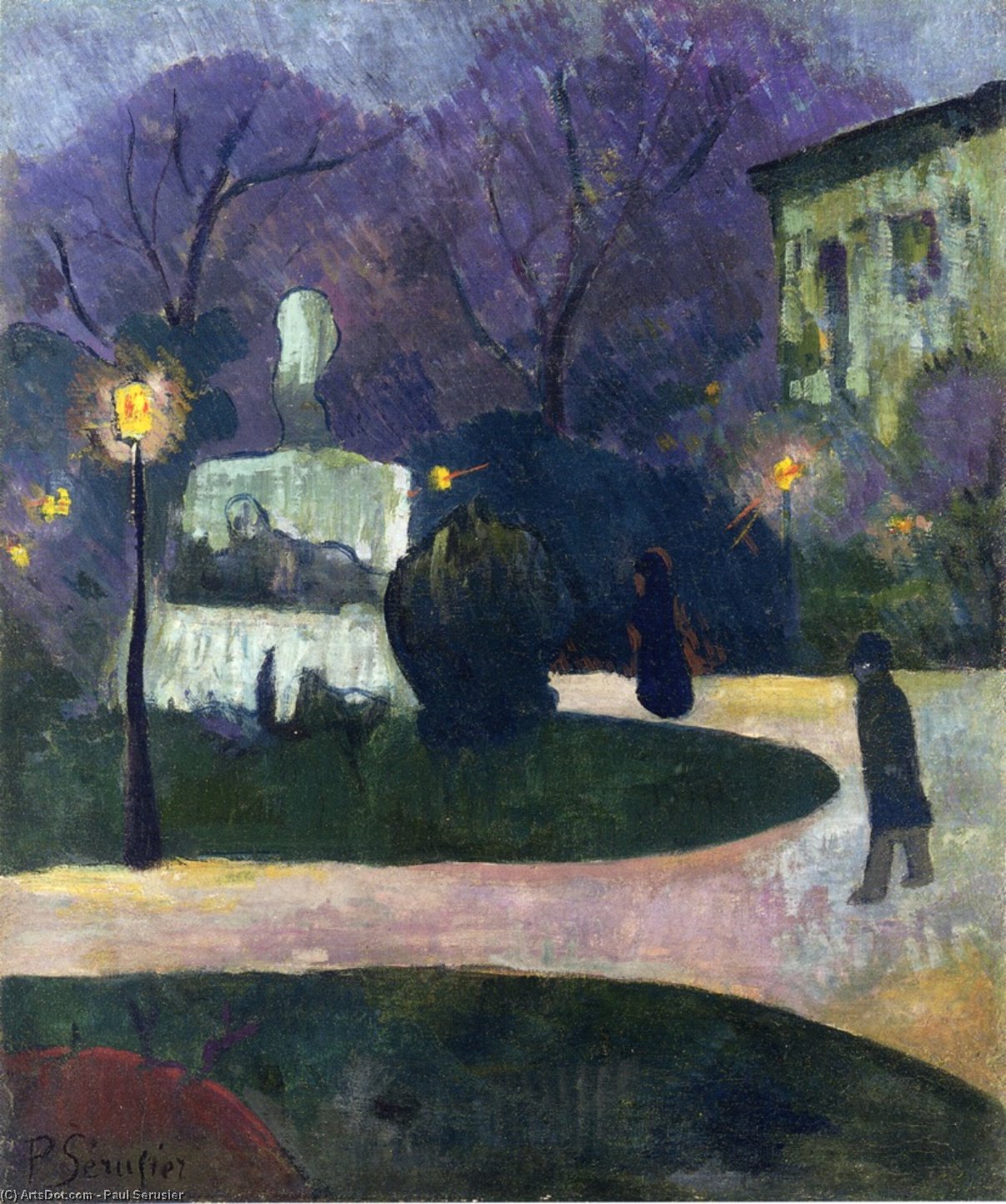
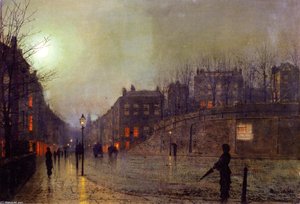
Square with Street Lamp
 Oil On Canvas
- WallArt
- Post-Impressionism
 1891
1891- 19th Century
 47.0 x 38.0 cm
 Weiterlesen
Giclée / Kunstdruck
Giclée- oder Leinwanddruck in Museumsqualität mit schneller Produktion und flexiblen Veredelungsoptionen. ( Handgemalte Reproduktion bestellen Bild kaufen)




P118B $10

P118H $10

P118W $10

P438Z $10

P508JH $12

P508YH $12

P805H $10

P805Z $10

P919BZ $10

P919G $10

P919XJ $10

P959ZH $10

P968JZ $12

W106C $8

W218G $10

W218JH $8

W218Y $10

W307PJ $10

W316G $10

W316PJ $8

W316Y $10

W398PJ $8

W4111J $10

W500HY $15

W500JH $15

W692G $12

W849H $8

W940BG $15

W953PJ $8




Wählen Sie aus unseren vordefinierten Formaten, die den ursprünglichen Proportionen des Kunstwerks entsprechen.

Sie können Ihre eigenen Maße eingeben, um ein bestimmtes Format oder einen speziellen Platz einzupassen. Wenn das von Ihnen gewählte Format nicht den Proportionen des Originalbildes entspricht, werden wir das Kunstwerk entweder beschneiden oder das Bild mit einem gespiegelten oder einfarbigen Rand erweitern. Ein digitaler Entwurf wird Ihnen zur Genehmigung zugesandt, bevor die Produktion beginnt.
Bitte beachten Sie, dass die Vorschau auf dem Bildschirm nicht den tatsächlichen Zuschnitt oder die Erweiterung widerspiegelt. Nur der Entwurf zeigt die endgültige Komposition präzise an.
Obwohl Sondermaße verfügbar sind, empfehlen wir die Auswahl eines Maßes aus der vordefinierten Liste, um die ursprünglichen Proportionen zu bewahren.
Weltweiter Versand () innerhalb von 2 Wochen statt der üblichen 4/5 Wochen. (7 September)

Kostenloser weltweiter Expressversand

Hochwertige Leinenleinwand

Umfassender Versicherungsschutz beim Versand

Zollgebühren-Rückerstattungsgarantie

Garantie für exakte Farbtreue

100 Tage Rückgaberecht (nur bei Mängeln)

100% Geld-zurück-Garantie

Mengenrabatt verfügbar
 Die Glasoption ist nur für Größen unter 110 cm verfügbar.

Square with Street Lamp
Giclée / Kunstdruck
Format der Reproduktion
-


Gesamtpreis
$ 62
A Nocturnal Encounter in Color and Form
In the quiet, shadowed corners of late 19th-century Paris, Paul Sérusier captured a moment of profound urban solitude within his 1891 masterpiece, Square with Street Lamp. This evocative oil on canvas invites the viewer into a nocturnal world where the boundaries between reality and abstraction begin to blur. At the heart of the composition, a lone woman traverses a city street, her silhouette draped in a dark coat as she moves through the soft, rhythmic geometry of the night. The scene is not merely a depiction of a street corner but an atmospheric exploration of light and shadow, where the glow of a prominent street lamp acts as a beacon, casting a transformative radiance over the figures and architecture alike. Through his masterful use of Post-Impressionist techniques, Sérusier transforms an everyday urban stroll into a poetic meditation on the stillness of the night.
The painting serves as a quintessential window into the Nabis movement, a group of "prophets" who sought to redefine the purpose of art by moving away from mere imitation toward a more symbolic and decorative expression. As a key figure in this avant-garde circle, Sérusier utilizes the principles of Cloisonnism—a style characterized by bold, flat areas of color separated by dark outlines—to create a sense of structured depth. Rather than relying on traditional perspective to convey space, the artist employs flattened forms and a striking palette to guide the eye across the canvas. This technique lends the work a modern, almost graphic quality that remains incredibly impactful today, making it an ideal centerpiece for those who appreciate art that balances structural integrity with emotional resonance.
The Symbiosis of Light and Symbolism
Beyond its technical brilliance, Square with Street Lamp resonates with a deep, contemplative mood. The interplay between the scattered lights of the city and the encroaching darkness creates a sense of quiet intimacy, as if the viewer is an invisible witness to a private moment in time. The presence of other figures—a person standing near the center and another tucked toward the edge—adds layers of narrative mystery; are they strangers passing in the night, or silent participants in this shared urban dream? This ambiguity is central to the Nabis' philosophy, where the subject matter serves as a vessel for deeper, often spiritual or psychological, truths.
For the discerning collector or interior designer, this reproduction offers more than just visual beauty; it provides an anchor of historical significance and sophisticated aesthetic. The painting’s ability to evoke "quiet contemplation" makes it a versatile addition to a variety of high-end interiors, from contemporary minimalist galleries to classic, richly textured studies. Its bold color blocks and rhythmic composition provide a focal point that stimulates the intellect while soothing the spirit, embodying the enduring legacy of Paul Sérusier’s contribution to the evolution of modern art.
Ähnliche Kunstwerke
Über den Künstler
Frühes Leben und Ausbildung
Paul Sérusier, geboren als Louis-Paul-Henri Sérusier, erblickte am 9. November 1864 in Paris das Licht der Welt. Er studierte an der Académie Julian, wo er sich in den mittleren 1880er Jahren eine Stelle als Aufseher sicherte. Dies markierte den Beginn seiner künstlerischen Reise, die ihn schließlich dazu führte, abstrakte Kunst zu begründen und die avantgardistische Nabi-Bewegung, Synthetismus und Cloisonnismus zu inspirieren.Künstlerische Karriere
Im Sommer 1888 reiste Sérusier nach Pont-Aven, wo er einer kleinen Künstlergruppe beigetreten ist, die sich um Paul Gauguin sammelte. Unter Gauguins enger Anleitung malte Sérusier "Der Talisman", eine extreme Übung im Cloisonnismus, die der reinen Abstraktion nahe kam. Dieses Werk demonstrierte seinen innovativen Stil und seine Bereitschaft, mit neuen Techniken zu experimentieren. Als postimpressionistischer Maler war Sérusier Teil der Gruppe Les Nabis, zusammen mit Pierre Bonnard, Édouard Vuillard und Maurice Denis. Obwohl er nicht so bekannt ist wie einige seiner Kollegen, sind Sérusiers Beiträge zur Entwicklung abstrakter Kunst unbestreitbar.Wichtige Werke und Vermächtnis
Zu Sérusiers bemerkenswertesten Werken gehören:- L'Averse (1893), Musée d’Orsay, Paris
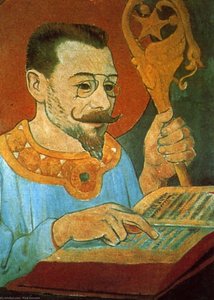
- Porträt von Paul Ranson (1890), Musée d’Orsay, Paris
- Melancholie (1890)
- Die Schlangenfresser (1894), Muzeum Narodowe, Warschau
Künstlerische Bewegung und Einfluss
Sérusiers Werk wurde von Cloisonnismus beeinflusst, einem Stil, der durch kühne und flache Formen gekennzeichnet ist, die durch dunkle Konturen getrennt sind. Diese Bewegung, die im späten 19. Jahrhundert entstand, spielte eine bedeutende Rolle bei der Gestaltung der Entwicklung moderner Kunst.- Erfahre mehr über Cloisonnismus: Die Cloisonnism-Kunstbewegung
- Entdecke Sérusiers Werk: Paul Sérusier | ArtsDot.com
- Erfahre mehr über die Nabi-Bewegung: Die Nabi-Kunstbewegung
- Paul Sérusier war ein französischer Maler, der abstrakte Kunst begründete und die Nabi-Bewegung inspirierte.
- Er studierte an der Académie Julian und unterrichtete später an der Académie Ranson.
- Sérusiers Werk wurde von Cloisonnismus beeinflusst, einem Stil, der durch kühne und flache Formen gekennzeichnet ist.
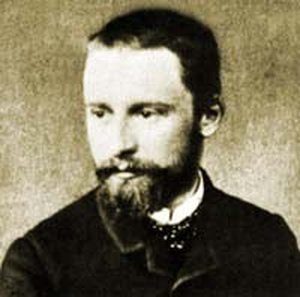
Paul Sérusier
1864 - 1927 , Frankreich
Kurzinfos
- Beeinflusste Künstler:
- Paul Gauguin
- Maurice Denis
- Pierre Bonnard
- Édouard Vuillard
- Bekannte Werke:
- L'Averse (1893)
- Portrait von Paul Ranson
- Melancholie (1890)
- Die Schlangenfresser (1894)
- Geburtsdatum: 9. November 1864
- Geburtsort: Paris, Frankreich
- Künstlerische Bewegung: Postimpressionismus, Nabis
- Nationalität: Französisch
- Todatum: 7. Oktober 1927
- Vollständiger Name: Paul Sérusier
- Von Künstlern Beeinflusst: ['Cloisonnismus']
Ähnliche Artikel
Postimpressionismus: Die 10 Meisterwerke, die eine Ära prägten –
Entdecken Sie die 10 Meisterwerke des Postimpressionismus! Van Gogh, Cézanne & Co. – ihre Geschichten, Techniken und zeitlose Schönheit. Kunstdrucke in Museumsqualiät auf . Jetzt entdecken!
Impressionistic Realism's Finest: 10 Masterpieces for Your Home | ArtsDot
Journey through Impressionistic Realism with 10 iconic masterpieces by Monet, Renoir & Van Gogh. Explore art history, techniques & find museum-quality reproductions for your home at ArtsDot.com. Discover all masterpieces online!

Impressionistische Landschaften: Die 10 Meisterwerke, die eine Kunstrichtung prägten | ArtsDot
Entdecken Sie die 10 Meisterwerke des Impressionismus! Von Monet bis Van Gogh – erleben Sie die Geschichten hinter berühmten Landschaftsbildern. Hochwertige Kunst Reproduktionen für Ihr Zuhause auf ArtsDot.com.
Henri Lebasque: Eine Studie zur postimpressionistischen Harmonie und der Poetik des Alltags
Entdecken Sie Henri Lebasques faszinierende postimpressionistische Gemälde! Erfahren Sie mehr über den 'Maler der Freude und des Lichts', seine Einflüsse, Motive und sein Vermächtnis. Jetzt lesen!

Pierre-Auguste Renoir: Die 25 Meisterwerke des Impressionismus für Ihr Zuhause | ArtsDot
Entdecken Sie die 25 schönsten Meisterwerke von Pierre-Auguste Renoir! Tauchen Sie ein in die Welt des Impressionismus, erleben Sie berühmte Gemälde wie 'Bal au moulin de la Galette' und finden Sie hochwertige Kunstdrucke für Ihr Zuhause. Jetzt auf ArtsDot.com!