 Vorschau anzeigen
 Versenden
 Teilen
 Details anzeigen

 Herunterladen
 Ähnliche Objekte
 Röntgenaufnahme
 Diashow
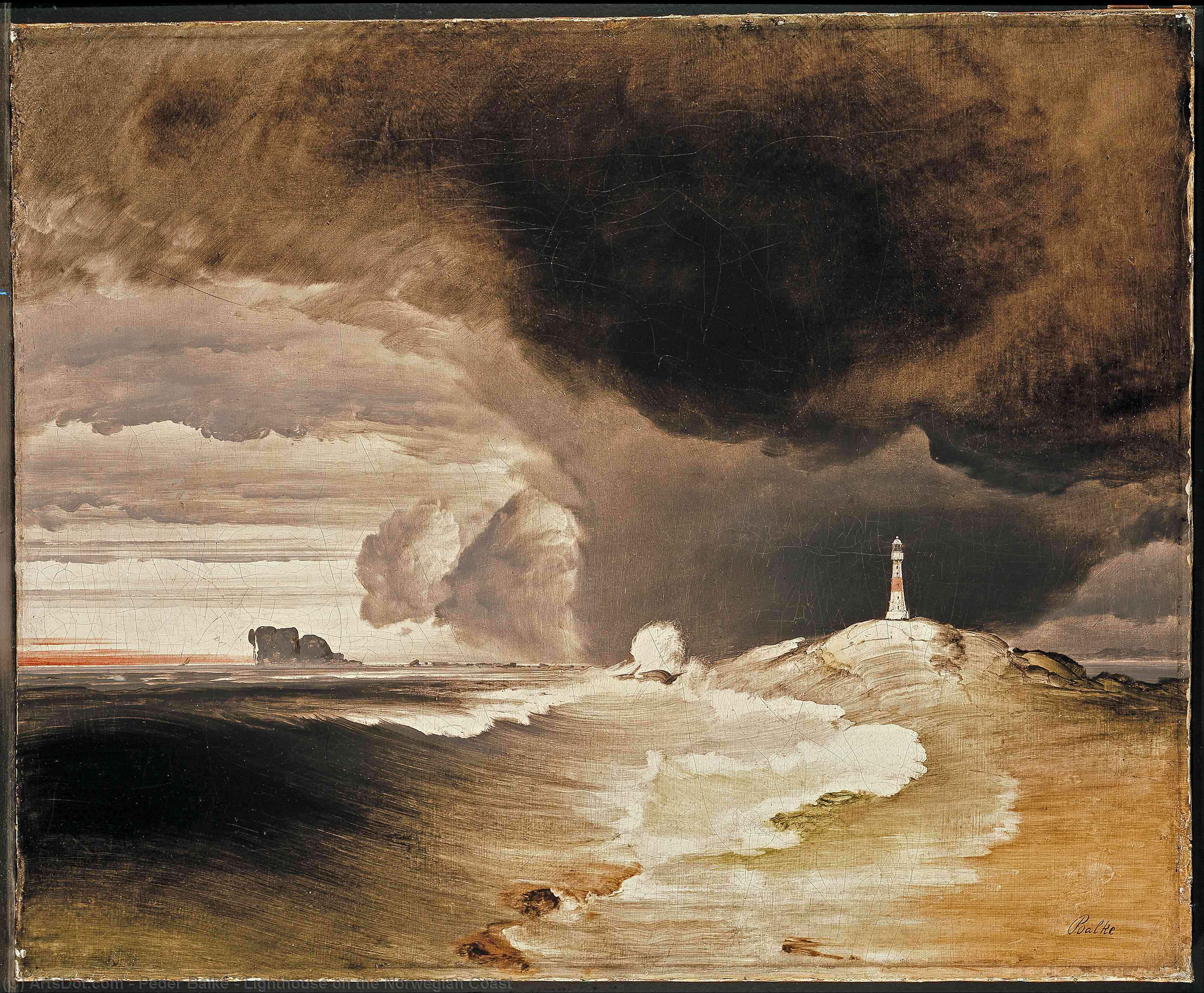
Lighthouse on the Norwegian Coast
 Oil On Canvas
- WallArt
- Romanticism
 1855
1855- 19th Century
 95.0 x 125.0 cm
 Trondheim Kunstmuseum
 Weiterlesen
Handgefertigte Ölreproduktion
Handgemaltes Ölgemälde auf Leinwand in Ihrer Wunschgröße und mit Rahmen, auf Bestellung von unseren Künstlern angefertigt. ( Druck bestellen Bild kaufen)




P118B $10

P118H $10

P118W $10

P438Z $10

P508JH $12

P508YH $12

P805H $10

P805Z $10

P919BZ $10

P919G $10

P919XJ $10

P959ZH $10

P968JZ $12

W106C $8

W218G $10

W218JH $8

W218Y $10

W307PJ $10

W316G $10

W316PJ $8

W316Y $10

W398PJ $8

W4111J $10

W500HY $15

W500JH $15

W692G $12

W849H $8

W940BG $15

W953PJ $8




Wählen Sie aus unseren vordefinierten Formaten, die den ursprünglichen Proportionen des Kunstwerks entsprechen.

Sie können Ihre eigenen Maße eingeben, um einen bestimmten Rahmen oder Platz auszufüllen. Wenn die gewählte Größe nicht den Proportionen des Originalbildes entspricht, werden wir das Kunstwerk entweder beschneiden oder das Gemälde durch zusätzliche, handgemalte Elemente erweitern. Ein digitales Mockup wird Ihnen zur Genehmigung zugesandt, bevor die Produktion beginnt.
Bitte beachten Sie, dass die Bildschirmvorschau nicht die tatsächliche Beschneidung oder Erweiterung widerspiegelt. Nur das Mockup zeigt die endgültige Komposition exakt an.
Obwohl Sondermaße verfügbar sind, empfehlen wir, eine Größe aus der vordefinierten Liste zu wählen, um die ursprünglichen Proportionen beizubehalten.
Nach der Bestellung wird das ArtsDot.com-Team dem Kunden Anweisungen per E-Mail zusenden und eine Mockup-Vorschau bereitstellen.
Weltweiter Versand () in nur 3 bis 4 Wochen statt der üblichen 5 Wochen. (21 August). Keine Kompromisse bei der Qualität.

Kostenloser weltweiter Expressversand

Hochwertige Leinenleinwand

Umfassender Versicherungsschutz beim Versand

Zollgebühren-Rückerstattungsgarantie

Garantie für exakte Farbtreue

60 Tage Rückgaberecht (nur bei Mängeln)

100% Geld-zurück-Garantie

Mengenrabatt verfügbar
 Die Glasoption ist nur für Größen unter 110 cm verfügbar.

Lighthouse on the Norwegian Coast
Art der Reproduktion
Format der Reproduktion
-


Gesamtpreis
$ 263
Beschreibung des Kunstwerks
A Vision of Northern Solitude
In the hauntingly beautiful Lighthouse on the Norwegian Coast, Peder Balke invites the viewer into a realm where the raw power of nature meets the quiet resilience of human presence. Painted in 1855, this masterpiece serves as a profound window into the Romantic spirit of the mid-19th century. The scene is dominated by a towering lighthouse, a sentinel of light standing firm against an encroaching, turbulent sky. As dark, heavy clouds gather above, they cast a dramatic shadow over the coastal waters, creating a sense of impending storm and sublime tension. This is not merely a landscape; it is a psychological portrait of the North, where the boundary between the earth and the heavens feels thin and permeable.
The composition is masterfully balanced to guide the eye through a narrative of survival and navigation. Two small boats drift upon the undulating surface of the sea, their fragile forms emphasizing the vastness and potential danger of the ocean. Scattered across the shoreline, three solitary figures appear as tiny witnesses to the grandeur of the landscape. Their presence adds a layer of human intimacy to the sweeping vista, suggesting a shared existence with the elements. For the collector or interior designer, this painting offers a profound sense of depth and atmosphere, making it an ideal centerpiece for spaces that value contemplative silence and the dramatic elegance of classical Romanticism.
The Mastery of Light and Texture
Peder Balke was renowned for his unique approach to landscape painting, often moving away from the polished academic styles of his contemporaries toward something far more experimental and emotive. In this work, his technique breathes life into the rugged Norwegian terrain. The artist utilizes a sophisticated interplay of light and shadow—a technique known as chiaroscuro—to define the lighthouse's silhouette against the brooding atmosphere. The brushwork, though controlled, possesses an organic energy that mimics the movement of wind-swept clouds and the rhythmic pulse of the tide.
The textures within the painting are particularly striking; one can almost feel the dampness of the salt spray and the heavy weight of the overcast sky. Balke’s ability to manipulate light allows the lighthouse to act as a focal point of hope, a singular beacon of warmth amidst a palette of cool blues, deep greys, and muted earth tones. This mastery of atmosphere makes a high-quality reproduction of this piece particularly captivating, as it retains the moody, evocative qualities that define Balke’s legendary vision. It is an artwork that does not merely decorate a room but transforms its very energy, bringing the untamed spirit of the Norwegian coast into the heart of the home.
A Legacy of Romantic Sublime
To understand this painting is to understand the concept of the Sublime—the aesthetic quality of greatness, whether physical, moral, intellectual, or spiritual. Balke, a visionary of the Norwegian landscape tradition, sought to capture the awe and even the terror inspired by nature's most formidable displays. The lighthouse serves as a powerful symbol of guidance, safety, and human ingenuity in the face of an unpredictable universe. It stands as a testament to the endurance of the human spirit against the overwhelming forces of the natural world.
For those seeking to curate a collection that speaks to strength, introspection, and historical depth, Lighthouse on the Norwegian Coast is an incomparable choice. Whether placed in a modern gallery-style living space or a more traditional study, the painting provides a continuous dialogue between the viewer and the wild, beautiful history of the North. It remains a timeless tribute to the rugged beauty of Norway and a cornerstone of Romantic art history.
Ähnliche Kunstwerke



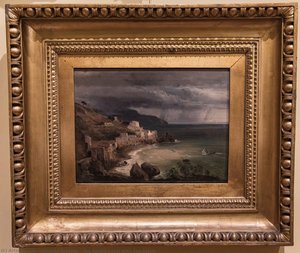
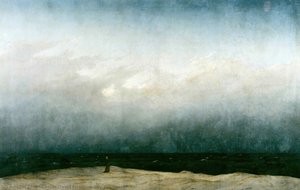
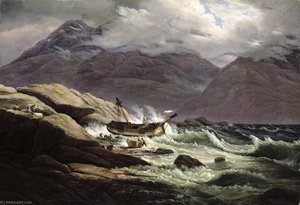
Über den Künstler
Peder Balke: Ein norwegischer Visionär des Romanticismus
- Geboren: Hegøy, Norwegen (1804)
- Gestorben: 1887
Frühes Leben und künstlerische Ausbildung
- Peder Andersen Balke wurde auf der Insel Helgøya im Kreis Hedmark in Norwegen geboren. Er wuchs in Ringsaker auf.
- Seine Familie waren Bauern, aber er erhielt die Unterstützung der lokalen Gemeinschaft, um seine künstlerischen Ambitionen zu verfolgen. Bauern aus Toten zahlten für seine Ausbildung.
- Er begann sein Training als Lehrling bei Heinrich August Grosch im Jahr 1827 und studierte auch unter Jacob Munch.
- Von 1829 bis 1833 war er Schüler von Carl Johan Fahlcrantz an der Königlichen Schwedischen Akademie für Bildende Künste in Stockholm.
- Später studierte er mit Johan Christian Dahl von 1843 bis 1844.
Künstlerischer Stil und Hauptwerke
- Landschaftsmalerei des Romanticismus: Balke ist am besten bekannt für seine dramatischen Darstellungen der norwegischen Landschaft, die durch eine romantische Sensibilität gekennzeichnet sind. Seine Werke zeichnen sich oft durch intensive Beleuchtung, atmosphärische Effekte und ein Gefühl von erhabener Erhabenheit aus.
- Einzigartiger Pinselstrich: Er entwickelte einen unverwechselbaren Stil mit texturierten Pinselstrichen und einer ungewöhnlichen Farbgebung, wodurch seine Gemälde eine traumartige Qualität erhielten.
- Hauptwerke: Zu seinen bekanntesten Werken gehören:
- Vue de Christiania (aujourd'hui Oslo) (1872) - Eine dramatische Stadtansicht, die das Wesen von Oslo einfängt.
- Der Hafen von Skjervøy (1846) – Zeigt eine fesselnde Hafenszene mit realistischen Details.
- Alte Bäume (1840) – Stellt eine karge norwegische Winterlandschaft mit kraftvoller Beleuchtung dar.
- Meeresansicht (1845) - Eine dramatische Meeresansicht, die die wilde Schönheit der norwegischen Küste hervorhebt.
- Fredrikshald (1852) – Zeigt ein Küstenkastell und Boote und demonstriert seine Beherrschung des Realismus.
- Der Nordkap im Mondschein (1848) - Fängt die Ehrfurcht gebietende Schönheit des Nordkaps unter dem Mondlicht ein.
Soziales Engagement und Späteres Leben
- Sozialer Gerechtigkeitsverfechter: Balke war nicht nur Künstler, sondern auch engagierter sozialer Reformer. Er engagierte sich aktiv in sozialen Fragen.
- Balkeby-Projekt: Er leitete den Bau von Balkeby, einem neuen Vorort von Oslo, der entwickelt wurde, um Arbeitnehmern verbesserte Lebensbedingungen zu bieten. Er gewährte Kredite und legte strenge Bauvorschriften fest.
- Eintreten für Künstler: Balke setzte sich für Stipendien für Künstler und Renten sowohl für Männer als auch für Frauen ein.
- Familiennachlass: Er war der Urgroßvater der Schauspielerin Turid Balke und der Ururgroßvater des Jazzpianisten Jon Balke.
Historische Bedeutung und Anerkennung
- Wiederentdeckung und Wertschätzung: Obwohl er anfänglich übersehen wurde, hat Bakes Werk in den letzten Jahrzehnten eine deutliche Wiederbelebung der Anerkennung erfahren.
- Internationale Ausstellungen: Seine Werke wurden in renommierten Institutionen wie der National Gallery in London (2014-2015) und dem Metropolitan Museum of Art (2017) ausgestellt.
- Einfluss auf die nordische Kunst: Bakes einzigartiger Stil und seine Vision trugen wesentlich zur Entwicklung der Romantik in Norwegen und im weiteren nördlichen Raum bei. Seine Gemälde gelten heute als wichtige Beispiele für norwegische Kunst des 19. Jahrhunderts und werden für ihre dramatischen Landschaften und emotionale Tiefe gefeiert.
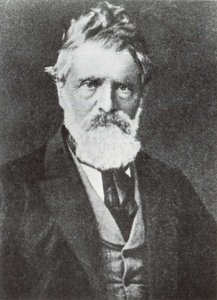
Peder Balke
1804 - 1887 , Norwegen
Kurzinfos
- Bemerkenswerte Werke:
- Vue de Christiania (Oslo)
- The Harbor at Skjervøy
- Old Trees
- Seascape
- Fredrikshald
- The North Cape by Moonlight
- Einflussreiche Künstler:
- Heinrich August Grosch
- Johan Christian Dahl
- Geburtsdatum: 4. November 1804
- Geburtsort: Hegøy, Norwegen
- Künstlerische Richtung: Romantik
- Nationalität: Norwegisch
- Sterbedatum: 5. Februar 1887
- Vollständiger Name: Peder Balke
Ähnliche Artikel
Dramatische Kunstwerke: Die Top 10 Meisterwerke für Ihr Zuhause |
Entdecken Sie die Top 10 dramatischsten Kunstwerke der Geschichte! Von Caravaggios Lichtspielen bis zu Munchs emotionalen Farben – erfahren Sie mehr über Künstler, Techniken & Meisterwerke. Hochwertige Reproduktionen auf .
Johan Christian Dahl: Pioneering Norwegian Romantic Landscape Painting
Explore the life & art of Johan Christian Dahl, Norway's first great Romantic painter. Discover his iconic landscapes, cultural impact, and lasting legacy with ArtsDot.
Top 10 Dramatische Kunstwerke: Emotionale Meisterwerke für Ihr Zuhause |
Entdecken Sie die Top 10 dramatischsten Kunstwerke der Geschichte! Von Munchs Schrei bis Rembrandts Schatten – erleben Sie emotionale Meisterwerke & ihre Geschichten. Hochwertige Reproduktionen auf . Jetzt entdecken!

The Allure of Dramatic Art: Exploring Emotional Intensity & Visual Storytelling
Explore the captivating world of dramatic art! Discover chiaroscuro techniques, Baroque masters like Caravaggio & Velázquez, and unlock the emotional power within iconic paintings. Enhance your collection with ArtsDot.
The Power of Narrative Tension: Exploring Dramatic Scenes in Art History
Explore the captivating power of dramatic scenes in art history. Discover Baroque masters like Ribera & Caravaggio, learn about chiaroscuro techniques, and gain insights for building a powerful art collection with ArtsDot.