 Vorschau anzeigen
 Versenden
 Teilen
 Details anzeigen

 Herunterladen
 Ähnliche Objekte
 Röntgenaufnahme
 Diashow
SARPS FOSSEN (CHUTE D'EAU)


 Weiterlesen
Giclée / Kunstdruck
Giclée- oder Leinwanddruck in Museumsqualität mit schneller Produktion und flexiblen Veredelungsoptionen. ( Handgemalte Reproduktion bestellen Bild kaufen)




P118B $10

P118H $10

P118W $10

P438Z $10

P508JH $12

P508YH $12

P805H $10

P805Z $10

P919BZ $10

P919G $10

P919XJ $10

P959ZH $10

P968JZ $12

W106C $8

W218G $10

W218JH $8

W218Y $10

W307PJ $10

W316G $10

W316PJ $8

W316Y $10

W398PJ $8

W4111J $10

W500HY $15

W500JH $15

W692G $12

W849H $8

W940BG $15

W953PJ $8




Wählen Sie aus unseren vordefinierten Formaten, die den ursprünglichen Proportionen des Kunstwerks entsprechen.

Sie können Ihre eigenen Maße eingeben, um ein bestimmtes Format oder einen speziellen Platz einzupassen. Wenn das von Ihnen gewählte Format nicht den Proportionen des Originalbildes entspricht, werden wir das Kunstwerk entweder beschneiden oder das Bild mit einem gespiegelten oder einfarbigen Rand erweitern. Ein digitaler Entwurf wird Ihnen zur Genehmigung zugesandt, bevor die Produktion beginnt.
Bitte beachten Sie, dass die Vorschau auf dem Bildschirm nicht den tatsächlichen Zuschnitt oder die Erweiterung widerspiegelt. Nur der Entwurf zeigt die endgültige Komposition präzise an.
Obwohl Sondermaße verfügbar sind, empfehlen wir die Auswahl eines Maßes aus der vordefinierten Liste, um die ursprünglichen Proportionen zu bewahren.
Weltweiter Versand () innerhalb von 2 Wochen statt der üblichen 4/5 Wochen. (21 August)

Kostenloser weltweiter Expressversand

Hochwertige Leinenleinwand

Umfassender Versicherungsschutz beim Versand

Zollgebühren-Rückerstattungsgarantie

Garantie für exakte Farbtreue

60 Tage Rückgaberecht (nur bei Mängeln)

100% Geld-zurück-Garantie

Mengenrabatt verfügbar
 Die Glasoption ist nur für Größen unter 110 cm verfügbar.

SARPS FOSSEN (CHUTE D'EAU)
Giclée / Kunstdruck
Format der Reproduktion
-


Gesamtpreis
$ 62
Sammlerstück-Beschreibung
A Symphony of Light and Landscape: Unveiling Peder Balkes "Sarps Fossen"
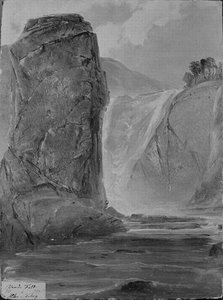
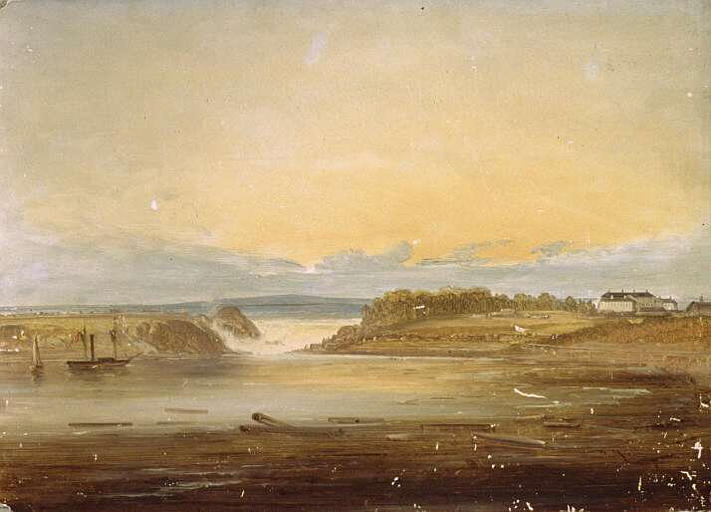
Peder Balke’s “Sarps Fossen (Chute d’Eau)” isn't merely a depiction of a waterfall; it’s an immersive experience, a carefully constructed meditation on the sublime power and quiet beauty of the Norwegian wilderness. Painted around 1860, this oil-on-canvas masterpiece transports the viewer to the heart of Telemark, capturing not just the physical form of Sarps Fossen but also the very spirit of Romanticism – a movement that sought to elevate nature as a source of spiritual and emotional resonance. The painting’s enduring appeal lies in its ability to evoke a profound sense of awe and tranquility simultaneously, inviting contemplation on humanity's place within the vastness of the natural world.
Balke, born into a farming family in rural Norway, possessed an innate sensitivity to the landscape that would define his artistic career. His early life amidst the rugged beauty of Hedmark instilled a deep connection to nature, a connection he translated onto canvas with remarkable skill and emotional depth. He wasn’t interested in precise realism; instead, he prioritized conveying the *feeling* of being present within this dramatic scene – the cool mist rising from the churning water, the echoing roar of the cascade, the diffused light filtering through the clouds.
Composition and Color: A Masterclass in Atmospheric Perspective
The composition of “Sarps Fossen” is meticulously balanced, employing a classic horizontal format that emphasizes the breadth of the landscape. The eye is immediately drawn to the mid-ground – the powerful waterfall itself – its white foam contrasting dramatically against the dark, textured cliffs that frame it. Foreground elements, including the shadowy shoreline and the small boat navigating the river, provide a sense of scale and human presence within this immense natural setting. Crucially, Balke utilizes atmospheric perspective with exquisite precision; distant elements are rendered in paler, less distinct tones, creating an illusion of depth and drawing the viewer’s gaze into the receding horizon.
The color palette is dominated by muted earth tones – browns, ochres, and yellows – reflecting the weathered stone and moss-covered terrain. Subtle blues and grays are woven throughout the sky and water, adding a touch of coolness and contrast to the warmer hues below. This restrained use of color contributes significantly to the painting’s overall sense of tranquility and age, suggesting that this landscape has witnessed centuries of change yet retains an enduring beauty.
Technique and Emotional Resonance: The Language of Romanticism
Balke's technique is characterized by loose, expressive brushstrokes – a hallmark of the Romantic style. He avoids overly detailed rendering, opting instead to capture the *essence* of the scene through broad washes of color and gestural marks. The texture of the rocks is suggested with visible impasto, while the water surface is rendered with smoother strokes that convey movement and fluidity. This deliberate lack of precision allows the viewer’s imagination to fill in the details, fostering a deeper connection with the artwork.
More than just a landscape painting, “Sarps Fossen” embodies the Romantic ideal of nature as a source of spiritual inspiration. The sheer scale of the waterfall evokes a sense of awe and humility, reminding us of our smallness in the face of nature’s power. The inclusion of the lone boat suggests humanity's tentative relationship with this untamed wilderness – an invitation to both admire and respect its grandeur. It is a painting that speaks to the heart, evoking feelings of peace, wonder, and perhaps even a touch of melancholy.
Historical Context and Legacy
Painted during a period of significant artistic and social change in Norway, “Sarps Fossen” reflects Balke’s own evolving artistic vision. He was deeply influenced by the Romantic movement, which emphasized emotion, imagination, and the beauty of nature. His work also aligns with the broader Norwegian tradition of landscape painting, which sought to capture the unique character of the country's diverse terrain. Today, “Sarps Fossen” is recognized as a seminal work in Norwegian art history, celebrated for its technical mastery, emotional depth, and enduring appeal.
Ähnliche Kunstwerke
Über den Künstler
Peder Balke: Ein norwegischer Visionär des Romanticismus
- Geboren: Hegøy, Norwegen (1804)
- Gestorben: 1887
Frühes Leben und künstlerische Ausbildung
- Peder Andersen Balke wurde auf der Insel Helgøya im Kreis Hedmark in Norwegen geboren. Er wuchs in Ringsaker auf.
- Seine Familie waren Bauern, aber er erhielt die Unterstützung der lokalen Gemeinschaft, um seine künstlerischen Ambitionen zu verfolgen. Bauern aus Toten zahlten für seine Ausbildung.
- Er begann sein Training als Lehrling bei Heinrich August Grosch im Jahr 1827 und studierte auch unter Jacob Munch.
- Von 1829 bis 1833 war er Schüler von Carl Johan Fahlcrantz an der Königlichen Schwedischen Akademie für Bildende Künste in Stockholm.
- Später studierte er mit Johan Christian Dahl von 1843 bis 1844.
Künstlerischer Stil und Hauptwerke
- Landschaftsmalerei des Romanticismus: Balke ist am besten bekannt für seine dramatischen Darstellungen der norwegischen Landschaft, die durch eine romantische Sensibilität gekennzeichnet sind. Seine Werke zeichnen sich oft durch intensive Beleuchtung, atmosphärische Effekte und ein Gefühl von erhabener Erhabenheit aus.
- Einzigartiger Pinselstrich: Er entwickelte einen unverwechselbaren Stil mit texturierten Pinselstrichen und einer ungewöhnlichen Farbgebung, wodurch seine Gemälde eine traumartige Qualität erhielten.
- Hauptwerke: Zu seinen bekanntesten Werken gehören:
- Vue de Christiania (aujourd'hui Oslo) (1872) - Eine dramatische Stadtansicht, die das Wesen von Oslo einfängt.
- Der Hafen von Skjervøy (1846) – Zeigt eine fesselnde Hafenszene mit realistischen Details.
- Alte Bäume (1840) – Stellt eine karge norwegische Winterlandschaft mit kraftvoller Beleuchtung dar.
- Meeresansicht (1845) - Eine dramatische Meeresansicht, die die wilde Schönheit der norwegischen Küste hervorhebt.
- Fredrikshald (1852) – Zeigt ein Küstenkastell und Boote und demonstriert seine Beherrschung des Realismus.
- Der Nordkap im Mondschein (1848) - Fängt die Ehrfurcht gebietende Schönheit des Nordkaps unter dem Mondlicht ein.
Soziales Engagement und Späteres Leben
- Sozialer Gerechtigkeitsverfechter: Balke war nicht nur Künstler, sondern auch engagierter sozialer Reformer. Er engagierte sich aktiv in sozialen Fragen.
- Balkeby-Projekt: Er leitete den Bau von Balkeby, einem neuen Vorort von Oslo, der entwickelt wurde, um Arbeitnehmern verbesserte Lebensbedingungen zu bieten. Er gewährte Kredite und legte strenge Bauvorschriften fest.
- Eintreten für Künstler: Balke setzte sich für Stipendien für Künstler und Renten sowohl für Männer als auch für Frauen ein.
- Familiennachlass: Er war der Urgroßvater der Schauspielerin Turid Balke und der Ururgroßvater des Jazzpianisten Jon Balke.
Historische Bedeutung und Anerkennung
- Wiederentdeckung und Wertschätzung: Obwohl er anfänglich übersehen wurde, hat Bakes Werk in den letzten Jahrzehnten eine deutliche Wiederbelebung der Anerkennung erfahren.
- Internationale Ausstellungen: Seine Werke wurden in renommierten Institutionen wie der National Gallery in London (2014-2015) und dem Metropolitan Museum of Art (2017) ausgestellt.
- Einfluss auf die nordische Kunst: Bakes einzigartiger Stil und seine Vision trugen wesentlich zur Entwicklung der Romantik in Norwegen und im weiteren nördlichen Raum bei. Seine Gemälde gelten heute als wichtige Beispiele für norwegische Kunst des 19. Jahrhunderts und werden für ihre dramatischen Landschaften und emotionale Tiefe gefeiert.
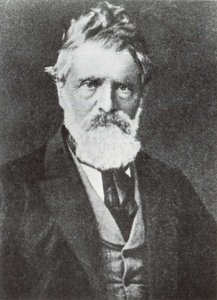
Peder Balke
1804 - 1887 , Norwegen
Kurzinfos
- Bemerkenswerte Werke:
- Vue de Christiania (Oslo)
- The Harbor at Skjervøy
- Old Trees
- Seascape
- Fredrikshald
- The North Cape by Moonlight
- Einflussreiche Künstler:
- Heinrich August Grosch
- Johan Christian Dahl
- Geburtsdatum: 4. November 1804
- Geburtsort: Hegøy, Norwegen
- Künstlerische Richtung: Romantik
- Nationalität: Norwegisch
- Sterbedatum: 5. Februar 1887
- Vollständiger Name: Peder Balke
Ähnliche Artikel

Romantische Landschaften: Die 10 Meisterwerke, die eine Epoche prägten | ArtsDot
Entdecken Sie die 10 Meisterwerke der Romantischen Landschaftsmalerei! Von Caspar David Friedrich bis Turner – erleben Sie die Kunst, Emotion & Natur. Hochwertige Reproduktionen auf ArtsDot.com

Evocations of Place: A Historical Journey Through Landscape Art
Explore the rich history of landscape art with ArtsDot. Discover renowned artists, movements like Impressionism & Romanticism, and expert guidance for collecting timeless pieces. Find your perfect serene escape today!

John Constable: Die 25 Meisterwerke des englischen Landschaftsgenies – ArtsDot
Entdecken Sie die 25 Meisterwerke von John Constable! Erleben Sie englische Landschaftsmalerei vom Hay Wain bis zur Stour Valley. Hochwertige Reproduktionen & Kunst für Ihr Zuhause auf ArtsDot.com.
Johan Christian Dahl: Pioneering Norwegian Romantic Landscape Painting
Explore the life & art of Johan Christian Dahl, Norway's first great Romantic painter. Discover his iconic landscapes, cultural impact, and lasting legacy with ArtsDot.
Peder Mørk Mønsted: Capturing the Danish Golden Age Landscape – A Study in Atmospheric Realism
Explore the captivating landscapes of Peder Mørk Mønsted, a master of Danish Golden Age realism. Discover his atmospheric techniques, influences, and enduring legacy in our expert analysis.