

 Vorschau anzeigen
 Versenden
 Teilen
 Details anzeigen

 Herunterladen
 Ähnliche Objekte
 Röntgenaufnahme
 Diashow
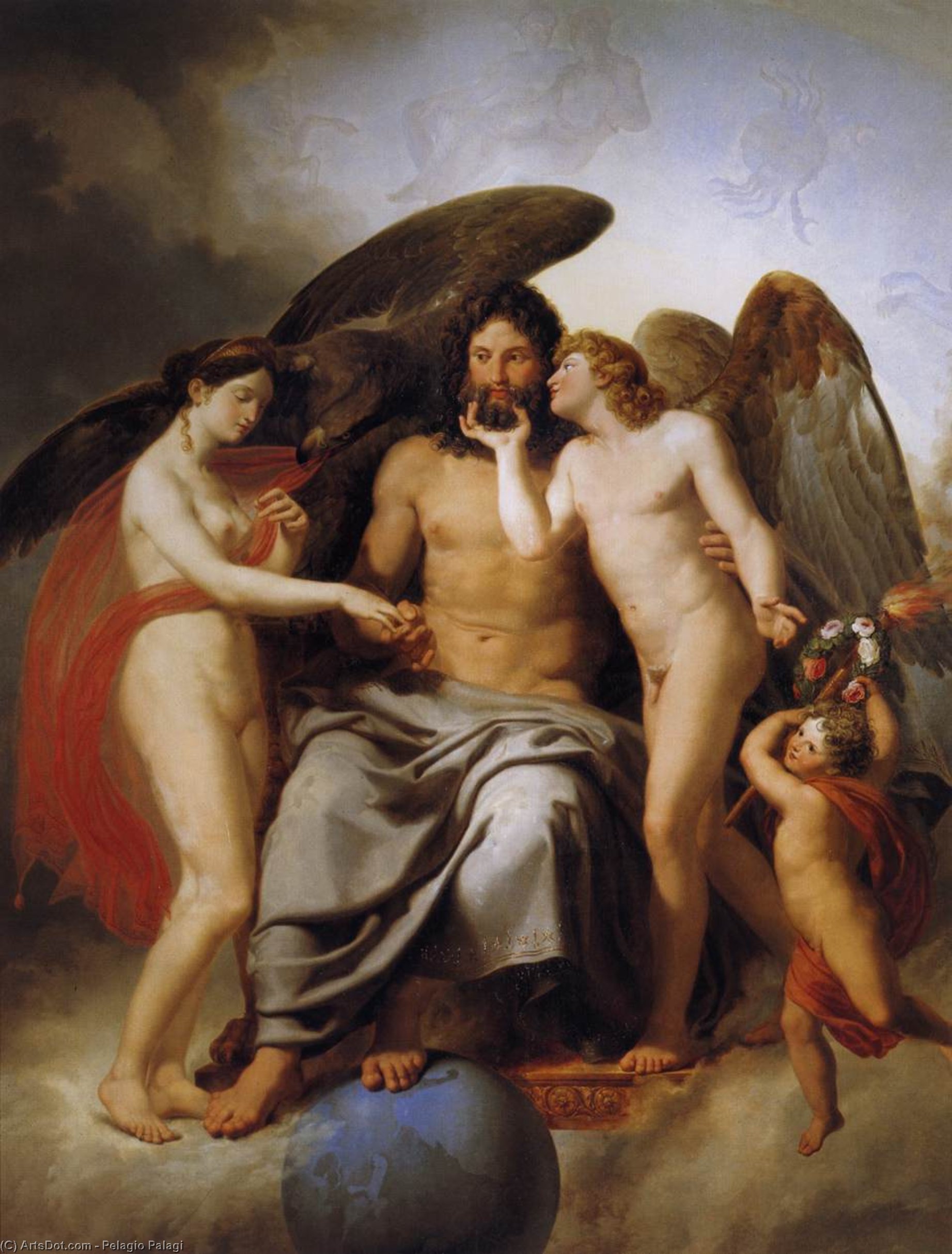
The Nuptials of Cupid and Psyche
 Oil On Canvas
- WallArt
- Neoclassical Italian
 1808
1808 254.0 x 188.0 cm
 Detroit Institute of Arts
 Weiterlesen
Erwerben Sie ein hochauflösendes, optimiertes digitales Bild, das der Online-Vorschau weit überlegen ist.
Jede Datei wird von unseren hauseigenen Spezialisten mit modernsten Werkzeugen und fachmännischer manueller Retusche sorgfältig vorbereitet. Wir stellen sicher, dass jedes Bild eine außergewöhnliche Klarheit, präzise Farbgenauigkeit und feinste Details aufweist.
Die endgültige Datei wird innerhalb von 72 Stunden per E-Mail zugestellt und ist für den sofortigen Einsatz in professionellen, redaktionellen und Druckumgebungen optimiert. Es handelt sich um dieselbe Qualität, der führende Designstudios, Verlage und Galerien vertrauen.
Digitales Bild
Laden Sie eine hochauflösende Datei für die persönliche Präsentation, den Druck und kreative Projekte herunter. ( Druck bestellen Handgemalte Reproduktion bestellen)
In jeder Bestellung digitaler Bilder enthalten
Professionelle digitale Bereitstellung, garantiert
Wenn Sie sich für ArtsDot.com entscheiden, erhalten Sie nicht nur ein Bild – Sie erhalten ein professionell aufbereitetes digitales Kunstwerk, das mit höchster Präzision erstellt und durch eine Zufriedenheitsgarantie abgesichert wird. Hier ist alles, was automatisch mit Ihrer Bestellung geliefert wird:

Schnelle E-Mail-Zustellung
Ihre hochauflösende digitale Bilddatei wird Ihnen innerhalb von 72 Stunden nach der Bestellung per E-Mail zugestellt – bereit zur sofortigen Verwendung.

KI-optimierte digitale Datei
Ihre Kunstwerke werden professionell mithilfe fortschrittlicher KI-Tools und manueller Bearbeitung optimiert, um maximale Detailtreue, Klarheit und Farbgenauigkeit zu gewährleisten.

Lebenslanger kostenloser Neudruckservice
Datei versehentlich gelöscht oder verloren? Keine Sorge – wir senden sie Ihnen jederzeit kostenlos erneut zu.

Keine Einfuhrgebühren – jemals
Genießen Sie Ihr Kunstwerk sofort ohne Zollgebühren, Einfuhrabgaben oder Versandkosten – digitale Downloads sind immer steuerfrei.

Garantierte Farbtreue
Wir garantieren, dass Ihr digitales Bild mithilfe professioneller Werkzeuge und Farbmanagement die Originalfarben so präzise wie möglich wiedergibt.

60-Tage-Zufriedenheitsgarantie
Sollten Sie mit Ihrem digitalen Bild nicht zufrieden sein, werden wir es überarbeiten oder Ihnen innerhalb von 60 Tagen 100% erstatten – ohne Wenn und Aber.

100% Geld-zurück-Garantie
Nicht zufrieden? Erhalten Sie innerhalb von 60 Tagen nach Erhalt Ihrer digitalen Datei eine vollständige Rückerstattung – ohne Angabe von Gründen.

Rabatte bei Großbestellungen
3 Bilder kaufen, 10% sparen – 5 Bilder kaufen, 15% sparen – Ab 10 Bildern 20% sparen. Ideal für kreative Projekte, Galerien und Agenturen.
Details zum Sammlerstück
The Nuptials of Cupid and Psyche – A Symphony of Neoclassical Grace
Pelagio Palagi’s “The Nuptials of Cupid and Psyche,” painted in 1808, is more than a depiction of a mythological romance; it's a meticulously crafted tableau of classical ideals, imbued with the burgeoning spirit of Neoclassicism and reflecting the artistic currents flowing from Rome to Bologna. The painting captures a pivotal moment – the union of Cupid, god of love, and Psyche, his devoted bride – within a setting that seamlessly blends earthly elegance with celestial splendor. Palagi’s genius lies not merely in recreating a myth but in imbuing it with a profound sense of harmony, balance, and restrained emotion, hallmarks of the era.
The composition immediately draws the eye to the central figures: Cupid and Psyche, seated upon a richly adorned chair. He gestures towards her with an expression of tender adoration, while she observes him with a serene grace. Surrounding them is a carefully orchestrated assembly of angelic beings – a chorus of cherubs and messengers – each rendered with exquisite detail and contributing to the overall sense of divine celebration. Note the subtle variations in their poses and expressions; they aren’t merely passive observers but active participants in this sacred union, radiating an aura of benevolent grace.
Palagi's technical mastery is evident in every brushstroke. The painting is executed with a smooth, polished finish, characteristic of Neoclassical style, reflecting the influence of artists like Canova and Antonio Canova. He employs a delicate layering of colors – soft blues, pinks, and golds – to create an atmosphere of ethereal beauty. The drapery, particularly that adorning the chair and the figures’ garments, is handled with remarkable skill, conveying both weight and fluidity. The artist's attention to detail extends to the intricate patterns on the fabrics, the delicate folds of the angels’ wings, and the subtle nuances in their facial expressions – all contributing to a remarkably lifelike quality.
A Myth Reimagined: Symbolism and Narrative
The story of Cupid and Psyche is a timeless allegory of love, devotion, and overcoming adversity. Initially, Psyche was renowned for her unparalleled beauty, attracting the envious attention of Venus, goddess of love. To protect her from the wrath of her rival, Venus commanded Cupid to fall in love with another woman. However, Cupid fell deeply in love with Psyche, and their romance was fraught with trials and tribulations orchestrated by Venus. Psyche endured a series of arduous tests designed to break her spirit, ultimately requiring the intervention of Cupid himself.
Palagi’s painting captures this narrative arc with remarkable subtlety. The setting itself – a luxurious interior bathed in soft light – suggests a realm beyond earthly concerns, reflecting Psyche's journey into the divine sphere. The presence of the angels symbolizes divine assistance and protection, underscoring the theme of overcoming obstacles through love and faith. Cupid’s gesture is particularly significant; it represents not just romantic affection but also the power of his love to conquer all challenges.
Historical Context: Neoclassicism in Bologna
“The Nuptials of Cupid and Psyche” was created during a pivotal moment in Italian art history – the transition from Rococo extravagance to the ideals of Neoclassicism. Following the Napoleonic era, there was a renewed interest in classical antiquity, inspiring artists to emulate the forms, principles, and values of ancient Greece and Rome. Bologna, under the influence of Count Carlo Filippo Aldrovandi, became a vibrant center for Neoclassical art, fostering an environment where young talents like Palagi could flourish.
Palagi’s artistic formation within Aldrovandi's circle profoundly shaped his style. The Count’s home served as a veritable academy, providing access to a vast collection of prints and offering rigorous life drawing classes. This immersion in classical art instilled in Palagi a deep appreciation for perspective, architecture, figurative painting, portraiture, and the art of collecting itself. The influence of artists like Vincenzo Canova is readily apparent in the painting’s emphasis on idealized forms, balanced compositions, and restrained emotion.
A Legacy of Grace: Reproduction and Interpretation
Today, “The Nuptials of Cupid and Psyche” stands as a testament to Palagi's artistic skill and his ability to capture the essence of Neoclassical ideals. Reproductions offer an accessible way to experience the beauty and sophistication of this remarkable painting, bringing its timeless message of love and devotion into contemporary spaces.
Whether adorning a grand salon or a more intimate setting, a high-quality reproduction of “The Nuptials of Cupid and Psyche” will undoubtedly evoke a sense of serenity, elegance, and romantic grace. It’s a piece that speaks to the enduring power of love, faith, and the pursuit of beauty – qualities that continue to resonate with audiences today.
Ähnliche Kunstwerke



Biografie des Künstlers
Frühes Leben und Ausbildung
- Geboren: Bologna, Italien (1775)
- Gestorben: 1860
- Pelagio Palagi begann seine künstlerische Laufbahn in sehr jungen Jahren unter der Anleitung von Graf Carlo Filippo Aldrovandi.
- Aldrovandis umfangreiche Sammlung von Drucken und die Aktzeichenstunden an der Accademia Clementina in Bologna boten eine starke Grundlage.
- Er studierte Perspektive, Architektur, figurative Malerei, Porträtmalerei und Sammeln schon früh.
- Seine frühen Werke fielen mit der Ankunft Napoleons in Bologna zusammen, was zu Aufträgen für Uniformen, Medaillen und Embleme führte, die "Liberté, Égalité, Fraternité" symbolisierten.
Wichtige Werke und künstlerische Entwicklung
- Frühe Aufträge: Palagi erlangte Anerkennung durch monumentale Grabdenkmäler in der Certosa di Bologna (1801-1804) für Figuren wie Edoardo Pepoli und Girolamo Bolognini Amorini.
- Römische Periode (1806-1815): Studien an der Accademia di San Luca in Rom beeinflussten seine Stilrichtung maßgeblich, möglicherweise unter Vincenzo Camuccini.
- Wichtige Werke aus Rom: Bemerkenswerte Stücke sind "Porträt von Giuseppe Guizzardi in antiker Tracht" (1807), "Die Hochzeit der Amor und Psyche" (1808), historische Gemälde wie "Mario a Minturno" und Fresken im Palazzo del Quirinale und Palazzo Torlonia.
- Mailänder Periode (1815-1832): Er gründete eine private Schule in Mailand, die mit der Accademia di Brera konkurrierte. Er konzentrierte sich auf Porträts prominenter Persönlichkeiten wie Giuseppe Bossi und Andrea Appiani.
- Wandel zum Romantismus: Beeinflusst von Francesco Hayez begann Palagi Elemente der historisch-romantischen Malerei neben seiner klassizistischen Ausbildung zu integrieren, was in Werken wie "Gian Galeazzo Sforza" und "Ratto delle Sabine" deutlich wird.
Spätere Karriere und königliche Förderung
- Königliche Aufträge: Er erlangte die Gunst von König Carlo Alberto von Sardinien, was zu bedeutenden Aufträgen für königliche Residenzen führte.
- Schloss-Projekte: Er arbeitete an dem Erweiterungsprojekt des Schlosses Racconigi und Modernisierungsprojekten im Palazzo Reale in Turin.
- Akademische Anerkennung: Er wurde zum Leiter der Projekte zur dekorativen Restaurierung ernannt und erhielt den Lehrstuhl für Dekoration (cattedra di ornato) an der Accademia Albertina.
- Bedeutende Werke: Bemerkenswerte spätere Werke sind eine prächtige Deckenmalerei, "Der Tanz der Stunden", für den Ballsaal im Palazzo Reale in Turin.
Künstlerischer Stil und Einflüsse
- Neoklassische Grundlage: Palagis frühe Ausbildung vermittelte ihm ein starkes Fundament im Neoklassizismus, das durch Klarheit, Ordnung und die Einhaltung klassischer Formen gekennzeichnet ist.
- Historische Forschung: Er demonstrierte eine akribische Recherche in der antiken Geschichte und Natur, was sich in seinen historischen Gemälden und Porträts zeigt.
- Einfluss von Camuccini: Vincenzo Camuccinis Historismus prägte Palagis Stil maßgeblich, insbesondere seine Liebe zum Detail und zur historischen Genauigkeit.
- Romantische Elemente: Spätere Werke integrierten Elemente des Romantismus, was eine Verschiebung hin zu dramatischeren Kompositionen und emotionalem Ausdruck widerspiegelt.
Vermächtnis und Sammlungen
- Umfangreiche Sammlung: Palagi erwarb eine beeindruckende Sammlung griechischer, ägyptischer, etruskischer und römischer Skulpturen, Objekte und Münzen.
- Vererbt an Bologna: Nach seinem Tod vermachte er seine Sammlungen, Bibliothek, Archiv und Zeichnungen der Comune di Bologna.
- Aktuelle Bestände: Seine Sammlungen befinden sich heute im Museo Civico Archeologico, Museo Civico Medievale, Biblioteca Comunale dell'Archiginnasio in Bologna.
- Historische Bedeutung: Palagis Vielseitigkeit als Maler, Bildhauer, Innenarchitekt und Designer festigte seine Position als eine wichtige Figur der italienischen Kunst des 19. Jahrhunderts.
Pelagio Palagi
1775 - 1860 , Italien
Kurzinfos
- Bemerkenswerte Werke:
- Portrait von Giuseppe Guizzardi
- Hochzeit des Amors und der Psyche
- Mario a Minturno
- Ila e le ninfe
- Ratto delle Sabine
- Einflussreiche Künstler:
- Vincenzo Camuccini
- Francesco Hayez
- Geburtsdatum: 25. Mai 1775
- Geburtsort: Bologna, Italien
- Künstlerischer Stil: Neoklassizismus
- Nationalität: Italiener
- Sterbedatum: 6. März 1860
- Vollständiger Name: Pelagio Palagi

