

 Vorschau anzeigen
 Versenden
 Teilen
 Details anzeigen

 Herunterladen
 Ähnliche Objekte
 Röntgenaufnahme
 Diashow
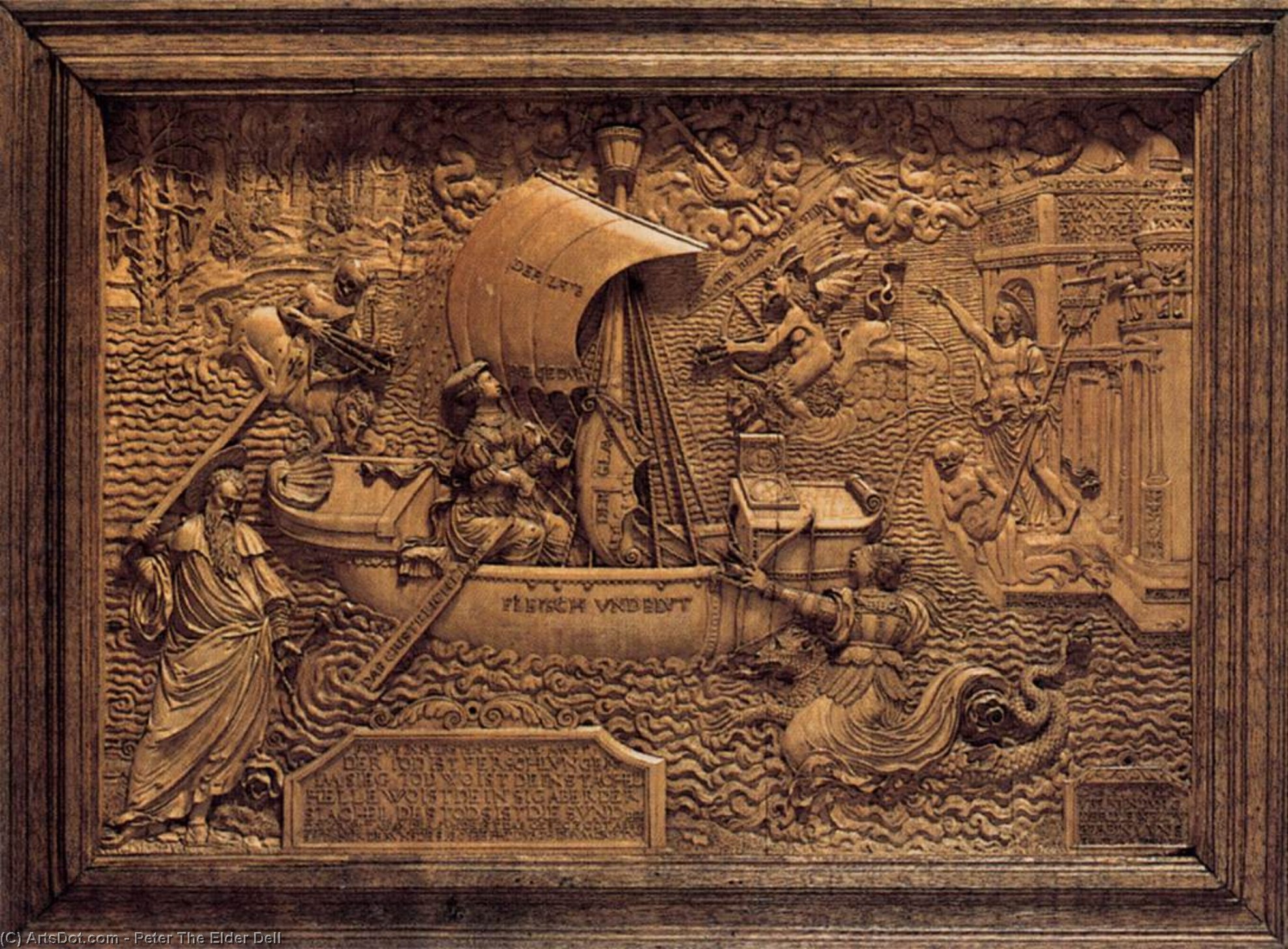
Allegory of Faith
 German Renaissance
 1534
1534- Renaissance
 51.0 x 72.0 cm
 Deutsches Nationalmuseum
 Weiterlesen
Handgefertigte Ölreproduktion
Handgemaltes Ölgemälde auf Leinwand in Ihrer Wunschgröße und mit Rahmen, auf Bestellung von unseren Künstlern angefertigt. ( Druck bestellen Bild kaufen)




P118B $10

P118H $10

P118W $10

P438Z $10

P508JH $12

P508YH $12

P805H $10

P805Z $10

P919BZ $10

P919G $10

P919XJ $10

P959ZH $10

P968JZ $12

W106C $8

W218G $10

W218JH $8

W218Y $10

W307PJ $10

W316G $10

W316PJ $8

W316Y $10

W398PJ $8

W4111J $10

W500HY $15

W500JH $15

W692G $12

W849H $8

W940BG $15

W953PJ $8




Wählen Sie aus unseren vordefinierten Formaten, die den ursprünglichen Proportionen des Kunstwerks entsprechen.

Sie können Ihre eigenen Maße eingeben, um einen bestimmten Rahmen oder Platz auszufüllen. Wenn die gewählte Größe nicht den Proportionen des Originalbildes entspricht, werden wir das Kunstwerk entweder beschneiden oder das Gemälde durch zusätzliche, handgemalte Elemente erweitern. Ein digitales Mockup wird Ihnen zur Genehmigung zugesandt, bevor die Produktion beginnt.
Bitte beachten Sie, dass die Bildschirmvorschau nicht die tatsächliche Beschneidung oder Erweiterung widerspiegelt. Nur das Mockup zeigt die endgültige Komposition exakt an.
Obwohl Sondermaße verfügbar sind, empfehlen wir, eine Größe aus der vordefinierten Liste zu wählen, um die ursprünglichen Proportionen beizubehalten.
Nach der Bestellung wird das ArtsDot.com-Team dem Kunden Anweisungen per E-Mail zusenden und eine Mockup-Vorschau bereitstellen.
Weltweiter Versand () in nur 3 bis 4 Wochen statt der üblichen 5 Wochen. (22 August). Keine Kompromisse bei der Qualität.

Kostenloser weltweiter Expressversand

Hochwertige Leinenleinwand

Umfassender Versicherungsschutz beim Versand

Zollgebühren-Rückerstattungsgarantie

Garantie für exakte Farbtreue

60 Tage Rückgaberecht (nur bei Mängeln)

100% Geld-zurück-Garantie

Mengenrabatt verfügbar
 Die Glasoption ist nur für Größen unter 110 cm verfügbar.

Allegory of Faith
Art der Reproduktion
Format der Reproduktion
-


Gesamtpreis
$ 263
Beschreibung des Kunstwerks
A Tempest of Devotion: The Soul in Motion
In the turbulent heart of the sixteenth century, amidst the shifting tides of the German Renaissance, Peter the Elder Dell captured a moment of profound spiritual struggle in his masterpiece, Allegory of Faith. This evocative work transcends a mere maritime scene, inviting the viewer to witness a visceral struggle between human vulnerability and the overwhelming forces of nature. The painting depicts a vessel caught in the throes of a violent storm, where the churning, dark waters of a tempestuous sea threaten to swallow all life. Within this chaotic environment, a group of figures clings to the boat, their postures reflecting a spectrum of human emotion—from the desperate tension of those standing against the wind to the exhausted resignation of those huddled low. The presence of two dogs, perhaps symbolizing fidelity amidst the chaos, adds a layer of poignant realism to this dramatic tableau.
The technical mastery of Dell is evident in the meticulous rendering of the maritime elements. Every rope, every fraying edge of a sail, and every spray of salt water is captured with a precision that speaks to the artist's deep commitment to naturalism. The interplay of light and shadow—a hallmark of the era’s burgeoning interest in depth and atmosphere—creates a sense of claustrophobia and immense scale. As the waves crest and break against the wooden hull, the viewer can almost feel the damp chill of the spray and the rhythmic, terrifying heave of the ocean. This level of detail ensures that the painting is not merely an object to be viewed, but an experience to be felt, making it a breathtaking centerpiece for any collection focused on dramatic historical narratives.
Symbolism and the Renaissance Spirit
Beyond its surface-level drama, Allegory of Faith serves as a profound meditation on the human condition and the resilience of belief. During the era of Peter the Elder Dell, art was frequently employed as a vessel for moral and theological instruction. The storm serves as a powerful metaphor for the trials, tribulations, and spiritual persecutions faced by the faithful during the religious upheavals of the 1530s. The boat itself acts as a symbol of the Church or the individual soul, navigating through the unpredictable and often treacherous waters of existence. In this context, the struggle depicted is not merely against the elements, but against the internal and external forces that threaten to undermine one's convictions.
For the discerning collector or interior designer, this piece offers more than just aesthetic beauty; it provides a conversational depth that enriches any space. The painting’s ability to evoke both tension and a sense of enduring hope makes it an ideal selection for sophisticated environments—be it a grand study, a formal dining room, or a curated gallery wall. A high-quality reproduction of this work allows the timeless themes of resilience and steadfastness to breathe within a modern setting, offering a window into the profound intellectual and spiritual fervor of the German Renaissance.
Ähnliche Kunstwerke
Über den Künstler
A Sculptor’s Vision of Faith: The Life and Legacy of Peter the Elder Dell
Peter the Elder Dell (1490–1552) remains a profound, if somewhat enigmatic, figure within the grand tapestry of the German Renaissance. Born in the intellectual cradle of Würzburg, Dell emerged during an era defined by the tension between medieval devotion and the burgeoning humanism of the sixteenth century. While history often casts a bright light upon his more celebrated son, Peter Vischer the Elder, the elder Dell’s contributions to the sculptural and artistic landscape were foundational. His life, though partially obscured by the mists of time and the scarcity of direct biographical records, reveals a man deeply engaged with the spiritual and philosophical currents of his age. Educated amidst the scholarly fervor of Würzburg University, he was profoundly influenced by the humanist ideals championed by thinkers such as Erasmus. This exposure instilled in him a conviction that art should transcend mere decoration, serving instead as a powerful conduit for moral enlightenment and theological reflection.The Symbiosis of Art and Humanism
The artistic development of Dell was characterized by a remarkable synthesis of technical mastery and conceptual depth. His workshop, which flourished under the patronage of the Holy Roman Emperor Maximilian I, became a crucible for experimentation and collaborative excellence. Unlike many of his contemporaries who focused on the purely ornamental, Dell sought to imbue his works with symbolic weight. Whether crafting intricate portrait busts or monumental ecclesiastical figures, he utilized the language of classical antiquity to articulate Christian virtues. This period of his life was marked by a unique synergy with his son; together, they undertook ambitious architectural and sculptural projects that defined the aesthetic of the era. Their collaboration on significant landmarks, such as the Marienplatz Glockenspiel in Munich, stands as a testament to a familial legacy that elevated the prestige of German craftsmanship across Europe.Mastery of Motion and Symbolism
Beyond his sculptural endeavors, Dell’s ability to capture the visceral essence of human emotion is perhaps most poignantly felt in his more evocative compositions. In works such as Allegory of Faith, one witnesses a breathtaking departure from static representation. He possessed a rare talent for depicting the turbulent struggle of the soul, using maritime metaphors—such as a vessel caught in a violent tempest—to mirror the spiritual volatility of the sixteenth century. Through the meticulous rendering of light, shadow, and natural elements like churning seas and fraying sails, he invited viewers into a sensory experience of both terror and resilience. His use of subtle symbolism, such as the inclusion of animals to represent fidelity, added layers of meaning that rewarded deep contemplation. This mastery of naturalism, paired with a profound commitment to allegorical storytelling, ensured that his work resonated on both an emotional and intellectual level.Historical Significance and Enduring Influence
The historical significance of Peter the Elder Dell lies in his role as a bridge between the late Gothic tradition and the sophisticated humanism of the Renaissance. His oeuvre serves as a vital record of a period when the boundaries of art were being redrawn by new philosophical inquiries. By integrating the rigorous demands of religious commission with the nuanced observations of the natural world, he helped establish a new standard for German Renaissance art. Though his name may sometimes reside in the shadow of his descendants, his impact on the development of sculptural narrative and allegorical painting remains undeniable. His legacy is found not only in the surviving physical remnants of his workshop but in the enduring spirit of innovation and devotion that continues to inspire scholars and art enthusiasts alike.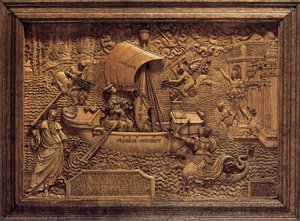
peter the elder dell
1490 - 1552 , Germany
Kurzinfos
- Artistic Movement Or Style: Renaissance Painting
- Artists Or Movements Influenced By This Artist: ['']
- Artists Who Influenced This Artist: ['']
- Date Of Birth: 1490
- Full Name: Peter Dell
- Nationality: German
- Notable Artworks: ['Christian Salvation']
- Place Of Birth: Würzburg, Germany
Ähnliche Artikel
Boote in der Kunst: Die 10 schönsten Meisterwerke & ihre Geschichten | ArtsDot
Entdecken Sie die 10 schönsten Bootsgemälde der Kunstgeschichte! Von Monet bis Van Gogh – erfahren Sie die Geschichten hinter ikonischen Werken, Techniken & Marinemalerei. Hochwertige Reproduktionen auf ArtsDot.com.

Katsushika Hokusai: Die 25 Meisterwerke des Ukiyo-e – Kunst für Ihr Zuhause | ArtsDot
Entdecken Sie die 25 Meisterwerke von Katsushika Hokusai! Tauchen Sie ein in die Welt des Ukiyo-e, berühmte Holzschnitte wie 'Die große Welle' & Fuji-Ansichten. Hochwertige Kunstdrucke für Ihr Zuhause – jetzt auf ArtsDot.com!
Navigating Symbolism & Sentiment: A Comprehensive Exploration of Boats in Art History
Explore the rich history of boats in art! Discover symbolism & style from ancient myths to Impressionist masterpieces. Expert insights for collectors at ArtsDot.
Deutsche Expressionismus Meisterwerke: Die 10 wichtigsten Kunstwerke für Ihr Zuhause
Entdecken Sie die 10 bedeutendsten Werke des Deutschen Expressionismus! Kirchner, Nolde & Co. – ihre Geschichten, Techniken und zeitlose Schönheit. Hochwertige Kunstdrucke auf ArtsDot.com kaufen und Ihr Zuhause mit emotionaler Kunst bereichern. Jetzt entdecken!
Dramatische Kunstwerke: Die Top 10 Meisterwerke für Ihr Zuhause |
Entdecken Sie die Top 10 dramatischsten Kunstwerke der Geschichte! Von Caravaggios Lichtspielen bis zu Munchs emotionalen Farben – erfahren Sie mehr über Künstler, Techniken & Meisterwerke. Hochwertige Reproduktionen auf .

