

 Vorschau anzeigen
 Versenden
 Teilen
 Details anzeigen

 Herunterladen
 Ähnliche Objekte
 Röntgenaufnahme
 Diashow
 Statistiken
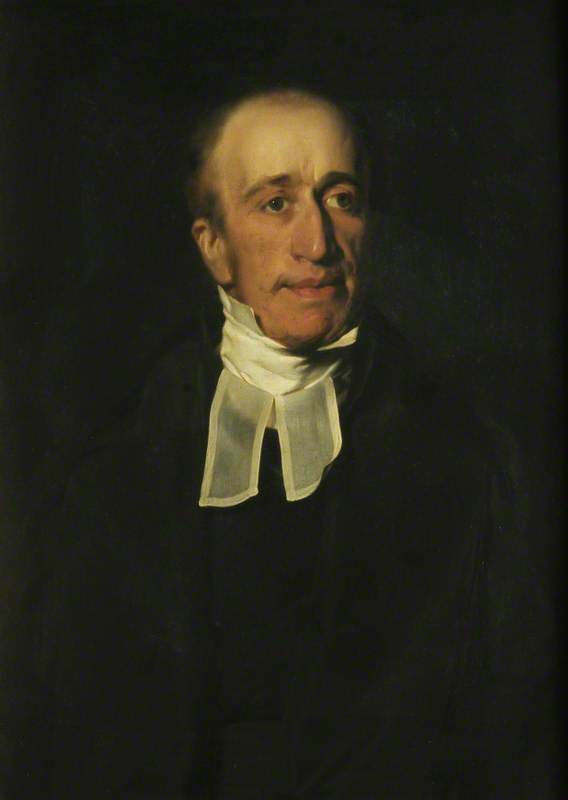
Edward Burton (1794–1836)
 43.0 x 37.0 cm
 Weiterlesen
Erwerben Sie ein hochauflösendes, optimiertes digitales Bild, das der Online-Vorschau weit überlegen ist.
Jede Datei wird von unseren hauseigenen Spezialisten mit modernsten Werkzeugen und fachmännischer manueller Retusche sorgfältig vorbereitet. Wir stellen sicher, dass jedes Bild eine außergewöhnliche Klarheit, präzise Farbgenauigkeit und feinste Details aufweist.
Die endgültige Datei wird innerhalb von 72 Stunden per E-Mail zugestellt und ist für den sofortigen Einsatz in professionellen, redaktionellen und Druckumgebungen optimiert. Es handelt sich um dieselbe Qualität, der führende Designstudios, Verlage und Galerien vertrauen.
Digitales Bild
Laden Sie eine hochauflösende Datei für die persönliche Präsentation, den Druck und kreative Projekte herunter. ( Zu Druck wechseln Handgemalte Reproduktion bestellen)
In jeder Bestellung digitaler Bilder enthalten
Professionelle digitale Bereitstellung, garantiert
Wenn Sie sich für ArtsDot.com entscheiden, erhalten Sie nicht nur ein Bild – Sie erhalten ein professionell aufbereitetes digitales Kunstwerk, das mit höchster Präzision erstellt und durch eine Zufriedenheitsgarantie abgesichert wird. Hier ist alles, was automatisch mit Ihrer Bestellung geliefert wird:

Schnelle E-Mail-Zustellung
Ihre hochauflösende digitale Bilddatei wird Ihnen innerhalb von 72 Stunden nach der Bestellung per E-Mail zugestellt – bereit zur sofortigen Verwendung.

KI-optimierte digitale Datei
Ihre Kunstwerke werden professionell mithilfe fortschrittlicher KI-Tools und manueller Bearbeitung optimiert, um maximale Detailtreue, Klarheit und Farbgenauigkeit zu gewährleisten.

Lebenslanger kostenloser Neudruckservice
Datei versehentlich gelöscht oder verloren? Keine Sorge – wir senden sie Ihnen jederzeit kostenlos erneut zu.

Keine Einfuhrgebühren – jemals
Genießen Sie Ihr Kunstwerk sofort ohne Zollgebühren, Einfuhrabgaben oder Versandkosten – digitale Downloads sind immer steuerfrei.

Garantierte Farbtreue
Wir garantieren, dass Ihr digitales Bild mithilfe professioneller Werkzeuge und Farbmanagement die Originalfarben so präzise wie möglich wiedergibt.

100-Tage-Zufriedenheitsgarantie
Wenn Sie mit Ihrem digitalen Bild nicht zufrieden sind, werden wir es überarbeiten oder 100% innerhalb von 100 Tagen erstatten – ohne Wenn und Aber.

100% Geld-zurück-Garantie
Nicht zufrieden? Erhalten Sie innerhalb von 100 Tagen nach Erhalt Ihrer digitalen Datei eine vollständige Rückerstattung – ohne Wenn und Aber.

Rabatte bei Großbestellungen
3 Bilder kaufen, 10% sparen – 5 Bilder kaufen, 15% sparen – Ab 10 Bildern 20% sparen. Ideal für kreative Projekte, Galerien und Agenturen.
Ähnliche Kunstwerke










Biografie des Künstlers
The Silent Observer of Shropshire: The Life and Legacy of Philip Corbet
In the quiet, rolling landscapes of nineteenth-century England, few artists captured the dignified essence of provincial life with as much subtle grace as Philip Corbet. Born around 1802, likely in the verdant reaches of County Tipperary, Ireland, Corbet’s journey from a promising student in Dublin to a respected fixture of Shropshire society is a testament to a passion that overrode even the most traditional expectations. Though his daughter, Edith, would later recount that he was originally intended for a life within the Church, the irresistible pull of the canvas proved too powerful to resist. This internal tug-of-war between spiritual vocation and artistic calling infused his work with a profound sense of reverence and a meticulous, almost meditative, attention to the human soul.
Corbet’s early training was marked by a rigorous pursuit of excellence. After honing his skills in the Dublin Society Drawing Schools—specifically within the School of Landscape and Ornament Drawing—he sought the grander stage of London. His enrollment in the Royal Academy School in 1821 placed him under the direct influence of legendary masters such as Thomas Lawrence and Henry Fuseli. From these luminaries, Corbet inherited a sophisticated understanding of light, shadow, and the dramatic potential of the portrait. While he moved away from the more theatrical flourishes of his mentors toward a more restrained and realistic approach, the technical precision and stylistic innovation learned at the Academy remained the bedrock of his practice.
A Master of Character and Connection
The year 1825 proved to be a transformative milestone in Corbet’s career when he relocated to Shrewsbury. This move was not merely a change of scenery but an entry into a vibrant cultural ecosystem that would sustain his artistry for decades. In Shrewsbury, Corbet found more than just subjects; he found a community. He became a sought-after portraitist for the local gentry and burgeoning middle class, securing the patronage of influential figures like Thomas Kenyon. His ability to render not just a likeness, but a palpable sense of character, allowed him to weave himself into the very fabric of Shropshire’s social history.
His oeuvre is characterized by a masterful assimilation of Dutch artistic principles, particularly in his use of dark, rich tones and a focused, dramatic light that pulls the subject forward from the shadows. This technique lent an air of timelessness to his portraits, making them feel less like mere records of appearance and more like enduring monuments to the individuals depicted. His works often feature:
- Dignified Contemplation: As seen in his 1838 portrait of Francis Darby, where the subject’s internal world is as visible as his outward composure.
- Social Elegance: Capturing the refined textures of Victorian attire and the quiet prestige of families like the Burtons.
- Intimate Realism: A commitment to capturing the subtle nuances of skin, fabric, and expression that breathe life into the oil on canvas.
Beyond his individual commissions, Corbet was a man of deep social and artistic connections. He cultivated meaningful friendships with contemporary artists such as Henry Shepherd and the sculptor Thomas Carline, contributing to a flourishing local Renaissance in the arts. His presence in Shrewsbury helped elevate the town's cultural standing, turning it into a hub where art and society intersected through his brushstrokes.
An Enduring Artistic Impression
Though Philip Corbet passed away in 1877 in Bitterne, Hampshire, far from the Shropshire streets he once documented, his presence remains felt. He did not seek the loud, sweeping fame of the London avant-garde; instead, he chose the path of the observer, finding greatness in the particular and the profound. His legacy is preserved today within the hallowed halls of the Shrewsbury Museum & Art Gallery, where his portraits serve as windows into a vanished era of British life.
The historical significance of Corbet lies in his ability to bridge the gap between the grand traditions of the Royal Academy and the intimate realities of provincial existence. He remains a vital figure for scholars and art lovers alike, representing a period where portraiture served as both a personal keepsake and a social chronicle. Through his exquisitely rendered faces, Corbet continues to speak to us, reminding us that there is immense beauty and depth to be found in the quiet, steady observation of the world around us.
philip corbet
1802 - 1877
Kurzinfos
- Artistic Movement Or Style: Dutch Influence
- Artists Or Movements Influenced By This Artist: ['Dutch Masters']
- Artists Who Influenced This Artist:
- Gerard ter Borch
- Gerard Dou
- Date Of Birth: 1802
- Date Of Death: 1877
- Full Name: Philip Corbet
- Nationality: British
- Notable Artworks:
- Portrait of Martin Archer Shee
- Dr William Clement Portrait
- Place Of Birth: Ireland