 Vorschau anzeigen
 Versenden
 Teilen
 Details anzeigen

 Herunterladen
 Ähnliche Objekte
 Röntgenaufnahme
 Diashow
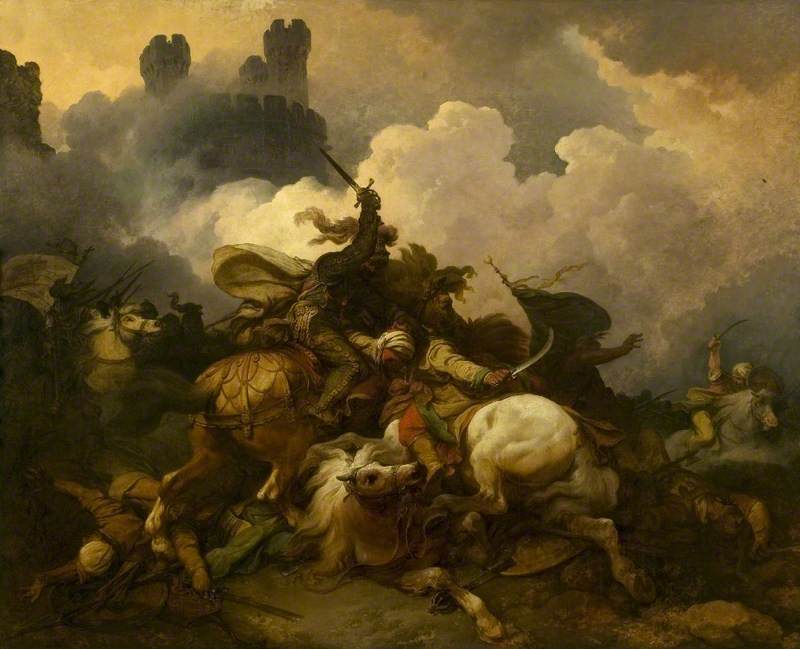
The Battle between Richard Coeur de Lion and Saladin in Palestine
 Oil
Oil- WallArt
- Romanticism
 1807
1807- 19th Century
 152.0 x 184.0 cm
 New Walk Museum - Kunstgalerie
 Weiterlesen
Handgefertigte Ölreproduktion
Handgemaltes Ölgemälde auf Leinwand in Ihrer Wunschgröße und mit Rahmen, auf Bestellung von unseren Künstlern angefertigt. ( Druck bestellen Bild kaufen)




P118B $10

P118H $10

P118W $10

P438Z $10

P508JH $12

P508YH $12

P805H $10

P805Z $10

P919BZ $10

P919G $10

P919XJ $10

P959ZH $10

P968JZ $12

W106C $8

W218G $10

W218JH $8

W218Y $10

W307PJ $10

W316G $10

W316PJ $8

W316Y $10

W398PJ $8

W4111J $10

W500HY $15

W500JH $15

W692G $12

W849H $8

W940BG $15

W953PJ $8




Wählen Sie aus unseren vordefinierten Formaten, die den ursprünglichen Proportionen des Kunstwerks entsprechen.

Sie können Ihre eigenen Maße eingeben, um einen bestimmten Rahmen oder Platz auszufüllen. Wenn die gewählte Größe nicht den Proportionen des Originalbildes entspricht, werden wir das Kunstwerk entweder beschneiden oder das Gemälde durch zusätzliche, handgemalte Elemente erweitern. Ein digitales Mockup wird Ihnen zur Genehmigung zugesandt, bevor die Produktion beginnt.
Bitte beachten Sie, dass die Bildschirmvorschau nicht die tatsächliche Beschneidung oder Erweiterung widerspiegelt. Nur das Mockup zeigt die endgültige Komposition exakt an.
Obwohl Sondermaße verfügbar sind, empfehlen wir, eine Größe aus der vordefinierten Liste zu wählen, um die ursprünglichen Proportionen beizubehalten.
Nach der Bestellung wird das ArtsDot.com-Team dem Kunden Anweisungen per E-Mail zusenden und eine Mockup-Vorschau bereitstellen.
Weltweiter Versand () in nur 3 bis 4 Wochen statt der üblichen 5 Wochen. (30 August). Keine Kompromisse bei der Qualität.

Kostenloser weltweiter Expressversand

Hochwertige Leinenleinwand

Umfassender Versicherungsschutz beim Versand

Zollgebühren-Rückerstattungsgarantie

Garantie für exakte Farbtreue

60 Tage Rückgaberecht (nur bei Mängeln)

100% Geld-zurück-Garantie

Mengenrabatt verfügbar
 Die Glasoption ist nur für Größen unter 110 cm verfügbar.

The Battle between Richard Coeur de Lion and Saladin in Palestine
Art der Reproduktion
Format der Reproduktion
-


Gesamtpreis
$ 263
A Clash of Titans: The Drama of De Loutherbourg’s Masterpiece
In the grand tradition of historical epic painting, Philip James de Loutherbourg captures a moment of profound tension and legendary confrontation in The Battle between Richard Coeur de Lion and Saladin in Palestine. This sweeping composition transports the viewer directly into the heart of the Crusades, where the air is thick with the dust of conflict and the weight of destiny. At the epicenter of this swirling chaos, two of history's most iconic figures—the lion-hearted King Richard I and the formidable Sultan Saladin—engage in a visceral duel. De Loutherbourg does not merely depict a skirmish; he orchestrates a theatrical spectacle where every sword stroke and rearing horse contributes to an atmosphere of high-stakes drama and epic struggle.
The artist’s mastery of movement is evident in the way he populates the battlefield. The scene is alive with the kinetic energy of cavalry and infantry, as horses surge through the frame, their powerful forms adding a sense of untamed strength to the composition. To the left and right, the presence of soldiers and onlookers creates a layered depth, suggesting that this duel is being witnessed by an entire world caught in the crossfire of empire and faith. The interplay between the central combatants and the surrounding chaos ensures that the eye is constantly drawn back to the focal point: the intense, personal struggle between two leaders whose legacies would define an era.
Technique and the Romantic Spirit
As a painter celebrated for his contributions to both landscape and theatre design, de Loutherbourg brings a unique, cinematic sensibility to this canvas. His technique utilizes light and shadow to heighten the emotional stakes of the battle. The lighting is not merely functional but narrative, casting dramatic highlights on the glinting steel of swords and the muscular tension of the horses, while plunging certain corners of the fray into murky, atmospheric shadows. This use of chiaroscuro evokes the Romantic era's fascination with the sublime—the idea of beauty found within terror and overwhelming power.
For the discerning collector or interior designer, this piece offers a profound sense of movement and historical gravity. The brushwork, while maintaining the precision required for historical accuracy in armor and attire, possesses a fluid vitality that prevents the scene from feeling static. It is a painting that demands attention, making it an ideal centerpiece for a room designed to inspire conversation and reflection on the themes of heroism, conflict, and the enduring legends of human history.
A Timeless Addition to the Sophisticated Interior
Integrating a high-quality reproduction of such a monumental work into a curated space allows for the infusion of historical grandeur and emotional depth. Whether placed in a formal study, a grand hallway, or a contemporary living area, The Battle between Richard Coeur de Lion and Saladin serves as more than just decoration; it acts as a window into a storied past. The painting’s rich palette and complex narrative provide a sophisticated anchor for interior design schemes that lean toward the classical, the academic, or even the modern maximalist.
Owning a piece of this magnitude is an invitation to engage with the epic scale of human storytelling. It offers a tactile connection to the 19th-century Romantic movement and the theatrical brilliance of de Loutherbourg’s vision. For those seeking to surround themselves with art that possesses both intellectual weight and visual splendor, this masterpiece stands as a testament to the enduring power of historical legend captured through the lens of artistic genius.
Ähnliche Kunstwerke
Über den Künstler
Frühes Leben und Ausbildung
- Geboren: Straßburg, Frankreich (1740)
- Gestorben: 1812
- Philip James de Loutherbourg, auch bekannt als Philip Jacques de Loutherbourg, war ein französisch-britischer Maler.
- Er begann seine künstlerische Ausbildung in jungen Jahren und wurde schnell für sein Können im Malen bekannt.
- Er wurde 1781 Mitglied der Royal Academy.
- Sein Vater war ein Graveur und Miniaturist, was seinen frühen Zugang zur Kunst beeinflusste.
- Ursprünglich für den Dienst bestimmt, lehnte er diesen Weg ab, um das Malen zu verfolgen.
- Er studierte bei Charles-André van Loo und Francesco Giuseppe Casanova in Paris.
Bemerkenswerte Werke und künstlerischer Stil
- Lord Howes Aktion, oder der glorreiche Erste Juni: Gedenken britischer Marine Siege (1795).
- Die Zerstörung der Armada: Zeigte sein Können bei der Darstellung dramatischer Szenen.
- Coalbrookdale bei Nacht: Betonte sein Interesse an der Industriellen Revolution.
- Reiter und Rinder in einem Gewitter: Eine dramatische Darstellung der Naturgewalt (1780).
- Landschaft mit Kühen und Figuren Ein Sturm kommt auf: Eine atemberaubende pastorale Szene, wiedergegeben im Ölmalerei-Stil (1781).
- Seine Gemälde zeigten oft historische, marine und Landschaftsmotive.
- Er war bekannt für seine dramatischen Kompositionen und Liebe zum Detail.
- Loutherbourgs Stil wird mit dem Romantik verbunden, wobei Emotionen und Erhabenheit betont werden.
Das Eidophusikon und theatralische Innovationen
- 1789 verließ Loutherbourg vorübergehend die Malerei, um sich der Alchemie und dem Übernatürlichen zu widmen.
- Er traf Alessandro di Cagliostro und reiste mit ihm, bevor Cagliostro verurteilt wurde.
- Loutherbourg erfand das Eidophusikon, ein mechanisches Theater, das bemalte Kulissen mit Lichteffekten und beweglichen Figuren kombinierte.
- Das Eidophusikon war eine bedeutende Innovation im Theatertheaterdesign und in der Unterhaltung.
- Er entwarf aufwendige Bühnenbilder für Londoner Theater, darunter Drury Lane, was seine einfallsreichen Fähigkeiten demonstrierte.
Spätere Karriere und Vermächtnis
- Loutherbourg kehrte nach seiner Beteiligung an Cagliostro zur Malerei zurück.
- Seine späteren Werke umfassten historische Gemälde und biblische Themen.
- Er veröffentlichte zwei Sammlungen von Radierungen: Picturesque Scenery of Great Britain (1801) und The Romantic and Picturesque Scenery of England and Wales (1805).
- Seine Werke sind in Museen auf der ganzen Welt zu finden, darunter das National Maritime Museum und das British Museum.
- Loutherbourgs Einfluss erstreckte sich auf spätere Künstler wie J.M.W. Turner.
- Er wird für seine Beiträge sowohl zur Malerei als auch zum Theatertheaterdesign in Erinnerung behalten.
Historische Bedeutung
- Loutherbourg spielte eine bedeutende Rolle bei der Entwicklung der britischen Romantik.
- Seine Marinegemälde halfen, Darstellungen maritimer Ereignisse zu popularisieren.
- Das Eidophusikon demonstrierte seinen innovativen Geist und trug zur Weiterentwicklung der Theatertechnologie bei.
- Er schloss die Lücke zwischen Malerei, Theatertheaterdesign und wissenschaftlicher Erkundung.
- Loutherbourgs Vermächtnis liegt in seiner Fähigkeit, künstlerisches Können mit technologischer Innovation und einer Faszination für die Naturwelt zu verbinden.
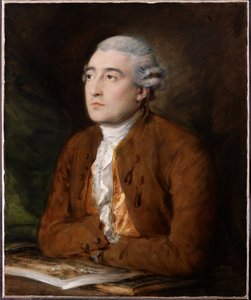
Philip James de Loutherbourg
1740 - 1812 , Frankreich
Kurzinfos
- Beeinflusste Künstler:
- Charles-André van Loo
- Francesco Giuseppe Casanova
- Bemerkenswerte Werke:
- Lord Howes Aktion (1795)
- Zerstörung der Armada
- Coalbrookdale bei Nacht
- Geburtsdatum: 31. Oktober 1740
- Geburtsort: Straßburg, Frankreich
- Künstlerische Richtung: Romantik
- Nationalität: Britisch-Französisch
- Sterbedatum: 11. März 1812
- Vollständiger Name: Philip James de Loutherbourg
- Von Künstlern Beeinflusst: ['J.M.W. Turner']
Ähnliche Artikel
William Trost Richards: Luminismus, Spiritualität und die amerikanische Landschaftstradition
Entdecken Sie das Werk von William Trost Richards und die faszinierende Welt des Luminismus! Erfahren Sie mehr über seine einzigartige Aquarelltechnik, spirituelle Tiefe & Einfluss auf die amerikanische Landschaftsmalerei. Jetzt lesen!
Richard Caton Woodville: Chroniken des viktorianischen Lebens und narrative Realismus
Entdecken Sie das Werk des vergessenen Meisters Richard Caton Woodville! Erfahren Sie mehr über seine detailreichen viktorianischen Alltagsszenen, seinen künstlerischen Werdegang und seinen Einfluss auf die Kunstgeschichte. Jetzt lesen!
Richard Lindner: Intime Narrative der modernen Entfremdung und Begierde im Pop Art Kontext
Entdecken Sie Richard Lindners faszinierende Auseinandersetzung mit Entfremdung und Begierde in der Pop Art. Expertenanalyse, Sammlerperspektiven & bleibender Wert für Kunstinvestoren.
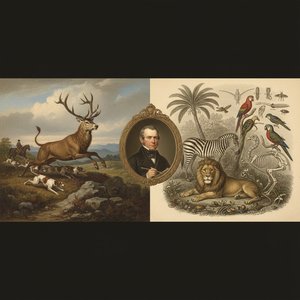
Ramsay Richard Reinagle: A Study in British Sporting Art & Zoological Illustration
Explore the life & work of Ramsay Richard Reinagle (1775-1862), a key figure in British sporting art and animal portraiture. Discover his landscapes, panoramas, and contributions to zoological illustration with ArtsDot.
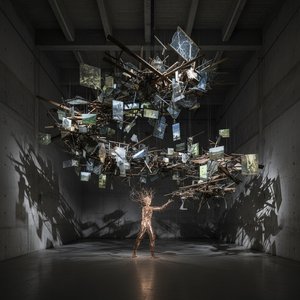
Richard Wilson: Dekonstruktion der Landschaft und das Gedächtnis in zeitgenössischer Installationskunst
Entdecken Sie Richard Wilsons revolutionäre Landschaftsmalerei und seinen Einfluss auf die Kunstgeschichte. Analysen, Hintergründe & zeitgenössische Interpretationen – exklusiv bei ArtsDot.