 Vorschau anzeigen
 Versenden
 Teilen
 Details anzeigen

 Herunterladen
 Ähnliche Objekte
 Röntgenaufnahme
 Diashow
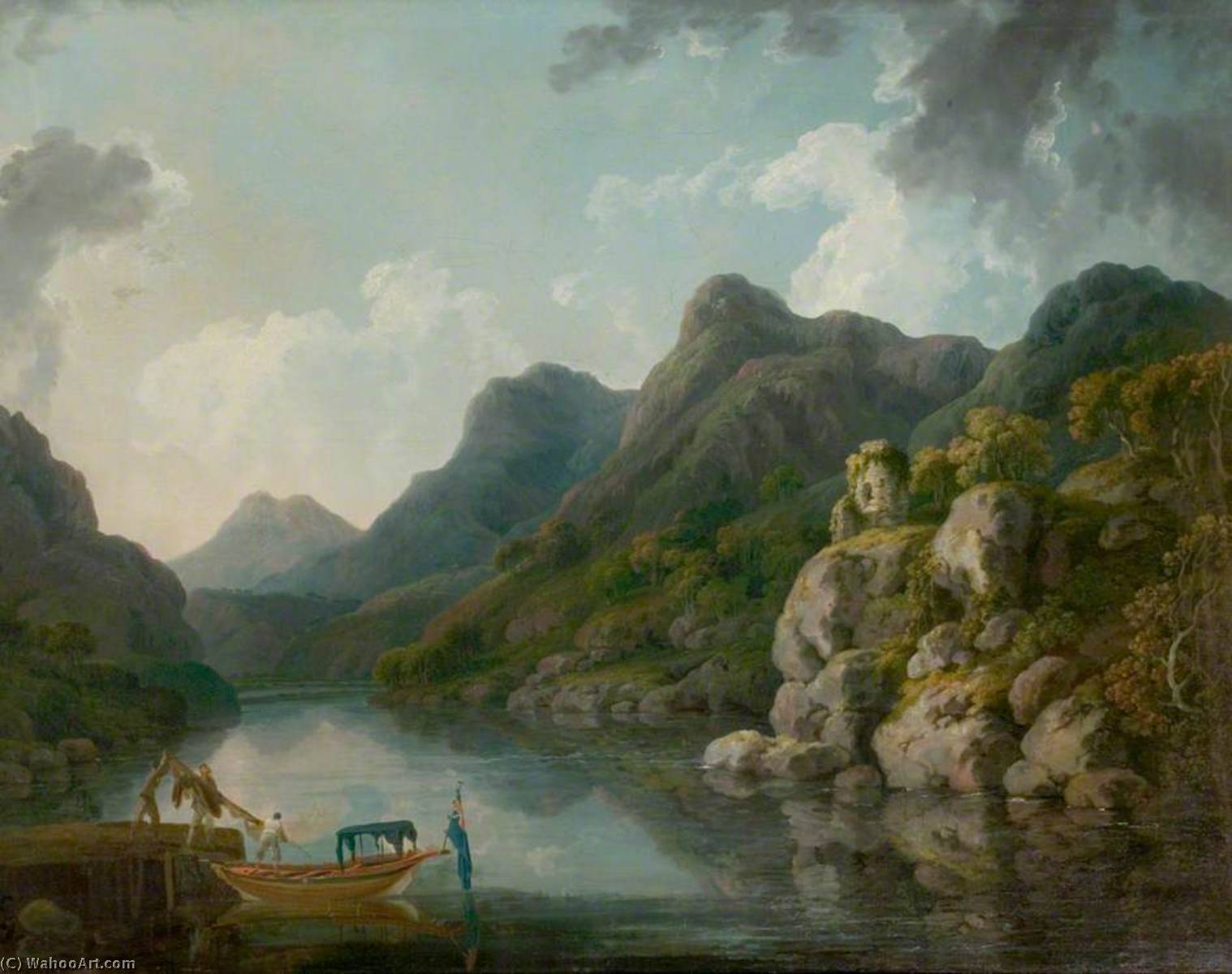
View of Snowdon with the Castle of Dolbadarn from Llanberis
 Oil On Canvas
- WallArt
- Romanticism
 1787
1787- 19th Century
 95.0 x 123.0 cm
 Wollaton Hall
 Weiterlesen
Handgefertigte Ölreproduktion
Handgemaltes Ölgemälde auf Leinwand in Ihrer Wunschgröße und mit Rahmen, auf Bestellung von unseren Künstlern angefertigt. ( Druck bestellen Bild kaufen)




P118B $10

P118H $10

P118W $10

P438Z $10

P508JH $12

P508YH $12

P805H $10

P805Z $10

P919BZ $10

P919G $10

P919XJ $10

P959ZH $10

P968JZ $12

W106C $8

W218G $10

W218JH $8

W218Y $10

W307PJ $10

W316G $10

W316PJ $8

W316Y $10

W398PJ $8

W4111J $10

W500HY $15

W500JH $15

W692G $12

W849H $8

W940BG $15

W953PJ $8




Wählen Sie aus unseren vordefinierten Formaten, die den ursprünglichen Proportionen des Kunstwerks entsprechen.

Sie können Ihre eigenen Maße eingeben, um einen bestimmten Rahmen oder Platz auszufüllen. Wenn die gewählte Größe nicht den Proportionen des Originalbildes entspricht, werden wir das Kunstwerk entweder beschneiden oder das Gemälde durch zusätzliche, handgemalte Elemente erweitern. Ein digitales Mockup wird Ihnen zur Genehmigung zugesandt, bevor die Produktion beginnt.
Bitte beachten Sie, dass die Bildschirmvorschau nicht die tatsächliche Beschneidung oder Erweiterung widerspiegelt. Nur das Mockup zeigt die endgültige Komposition exakt an.
Obwohl Sondermaße verfügbar sind, empfehlen wir, eine Größe aus der vordefinierten Liste zu wählen, um die ursprünglichen Proportionen beizubehalten.
Nach der Bestellung wird das ArtsDot.com-Team dem Kunden Anweisungen per E-Mail zusenden und eine Mockup-Vorschau bereitstellen.
Weltweiter Versand () in nur 3 bis 4 Wochen statt der üblichen 5 Wochen. (5 September). Keine Kompromisse bei der Qualität.

Kostenloser weltweiter Expressversand

Hochwertige Leinenleinwand

Umfassender Versicherungsschutz beim Versand

Zollgebühren-Rückerstattungsgarantie

Garantie für exakte Farbtreue

60 Tage Rückgaberecht (nur bei Mängeln)

100% Geld-zurück-Garantie

Mengenrabatt verfügbar
 Die Glasoption ist nur für Größen unter 110 cm verfügbar.

View of Snowdon with the Castle of Dolbadarn from Llanberis
Art der Reproduktion
Format der Reproduktion
-


Gesamtpreis
$ 263
A Vista of Majesty: Philip James de Loutherbourg’s “View of Snowdon with the Castle of Dolbadarn from Llanberis”
Philip James de Loutherbourg's "View of Snowdon with the Castle of Dolbadarn from Llanberis," painted in 1787, is more than just a landscape; it’s a carefully constructed tableau of Romantic ideals and a poignant meditation on humanity’s relationship with the sublime. This evocative work transports the viewer to the rugged beauty of North Wales, capturing not merely a scene but an atmosphere—a feeling of awe and quiet contemplation born from confronting the grandeur of nature.
The painting immediately establishes a sense of scale through its expansive horizontal format. The eye is drawn into the distance, following the winding course of the river that snakes through the valley below, ultimately disappearing into the hazy blue embrace of Snowdon’s slopes. The castle of Dolbadarn, perched precariously on a craggy outcrop, stands as a testament to human ambition against the backdrop of ancient stone and enduring mountain. The inclusion of a small boat in the foreground subtly introduces an element of human presence, anchoring the scene while simultaneously emphasizing the vastness of the surrounding wilderness. Llanberis, nestled at the foot of the mountain, provides a vital point of reference, grounding the viewer within this specific Welsh landscape – a location easily identified through further research (see link below for more information).
- Historical Context: Painted during the height of the Romantic era, the work reflects the movement’s fascination with nature's power and beauty. Loutherbourg, a key figure in this period, moved beyond traditional academic painting to embrace dramatic lighting, dynamic compositions, and an emotional intensity that resonated deeply with his contemporaries.
- The Artist: Philip James de Loutherbourg was a multifaceted artist whose career spanned diverse fields – from theatrical design to scientific illustration. His background as a stage designer profoundly influenced his approach to landscape painting, imbuing his works with a sense of drama and spectacle.
A Symphony of Line and Texture: Deconstructing the Technique
Loutherbourg’s masterful technique is immediately apparent in the careful rendering of texture and form. The artist employs a predominantly linear approach, defining the contours of the mountains with sharp, precise lines that create a sense of solidity and permanence. However, this linearity is skillfully balanced by a rich tapestry of brushstrokes – particularly evident in the depiction of the rocks and foliage. These textured surfaces suggest both roughness and depth, inviting the viewer to almost feel the cool stone beneath their fingertips or the damp earth beneath their feet.
The muted color palette—dominated by shades of grey, blue, and brown—contributes significantly to the painting’s atmospheric quality. The diffused lighting, characteristic of an overcast day, casts soft shadows and creates a sense of tranquility. Loutherbourg's use of atmospheric perspective – diminishing the detail and lightening the colors of distant elements – effectively conveys depth and distance, drawing the viewer into the heart of the landscape.
Symbolism and Emotional Resonance
Beyond its purely descriptive qualities, “View of Snowdon with the Castle of Dolbadarn from Llanberis” is rich in symbolic meaning. The imposing presence of Snowdon itself represents the sublime—that overwhelming sense of awe and wonder experienced when confronted with nature’s immense power. The castle, a remnant of a bygone era, serves as a reminder of human ambition and the fleeting nature of earthly endeavors against the backdrop of enduring natural forces.
The small boat in the foreground can be interpreted as a symbol of humanity's desire to connect with and understand the natural world. It’s a tiny vessel navigating an immense expanse, highlighting both our vulnerability and our capacity for exploration. The overall effect is one of quiet contemplation—a suggestion that true beauty lies not in conquering nature but in appreciating its majesty and finding solace within its embrace.
A Timeless Masterpiece: Reproduction and Beyond
“View of Snowdon with the Castle of Dolbadarn from Llanberis” remains a captivating work of art, offering a glimpse into the Romantic era’s fascination with nature and the enduring appeal of Welsh landscapes. High-quality reproductions capture the painting's atmospheric depth and textural richness, making it an ideal addition to any interior space. Its serene beauty and evocative symbolism continue to resonate with viewers today, reminding us of the profound connection between humanity and the natural world.
Ähnliche Kunstwerke
Über den Künstler
Frühes Leben und Ausbildung
- Geboren: Straßburg, Frankreich (1740)
- Gestorben: 1812
- Philip James de Loutherbourg, auch bekannt als Philip Jacques de Loutherbourg, war ein französisch-britischer Maler.
- Er begann seine künstlerische Ausbildung in jungen Jahren und wurde schnell für sein Können im Malen bekannt.
- Er wurde 1781 Mitglied der Royal Academy.
- Sein Vater war ein Graveur und Miniaturist, was seinen frühen Zugang zur Kunst beeinflusste.
- Ursprünglich für den Dienst bestimmt, lehnte er diesen Weg ab, um das Malen zu verfolgen.
- Er studierte bei Charles-André van Loo und Francesco Giuseppe Casanova in Paris.
Bemerkenswerte Werke und künstlerischer Stil
- Lord Howes Aktion, oder der glorreiche Erste Juni: Gedenken britischer Marine Siege (1795).
- Die Zerstörung der Armada: Zeigte sein Können bei der Darstellung dramatischer Szenen.
- Coalbrookdale bei Nacht: Betonte sein Interesse an der Industriellen Revolution.
- Reiter und Rinder in einem Gewitter: Eine dramatische Darstellung der Naturgewalt (1780).
- Landschaft mit Kühen und Figuren Ein Sturm kommt auf: Eine atemberaubende pastorale Szene, wiedergegeben im Ölmalerei-Stil (1781).
- Seine Gemälde zeigten oft historische, marine und Landschaftsmotive.
- Er war bekannt für seine dramatischen Kompositionen und Liebe zum Detail.
- Loutherbourgs Stil wird mit dem Romantik verbunden, wobei Emotionen und Erhabenheit betont werden.
Das Eidophusikon und theatralische Innovationen
- 1789 verließ Loutherbourg vorübergehend die Malerei, um sich der Alchemie und dem Übernatürlichen zu widmen.
- Er traf Alessandro di Cagliostro und reiste mit ihm, bevor Cagliostro verurteilt wurde.
- Loutherbourg erfand das Eidophusikon, ein mechanisches Theater, das bemalte Kulissen mit Lichteffekten und beweglichen Figuren kombinierte.
- Das Eidophusikon war eine bedeutende Innovation im Theatertheaterdesign und in der Unterhaltung.
- Er entwarf aufwendige Bühnenbilder für Londoner Theater, darunter Drury Lane, was seine einfallsreichen Fähigkeiten demonstrierte.
Spätere Karriere und Vermächtnis
- Loutherbourg kehrte nach seiner Beteiligung an Cagliostro zur Malerei zurück.
- Seine späteren Werke umfassten historische Gemälde und biblische Themen.
- Er veröffentlichte zwei Sammlungen von Radierungen: Picturesque Scenery of Great Britain (1801) und The Romantic and Picturesque Scenery of England and Wales (1805).
- Seine Werke sind in Museen auf der ganzen Welt zu finden, darunter das National Maritime Museum und das British Museum.
- Loutherbourgs Einfluss erstreckte sich auf spätere Künstler wie J.M.W. Turner.
- Er wird für seine Beiträge sowohl zur Malerei als auch zum Theatertheaterdesign in Erinnerung behalten.
Historische Bedeutung
- Loutherbourg spielte eine bedeutende Rolle bei der Entwicklung der britischen Romantik.
- Seine Marinegemälde halfen, Darstellungen maritimer Ereignisse zu popularisieren.
- Das Eidophusikon demonstrierte seinen innovativen Geist und trug zur Weiterentwicklung der Theatertechnologie bei.
- Er schloss die Lücke zwischen Malerei, Theatertheaterdesign und wissenschaftlicher Erkundung.
- Loutherbourgs Vermächtnis liegt in seiner Fähigkeit, künstlerisches Können mit technologischer Innovation und einer Faszination für die Naturwelt zu verbinden.
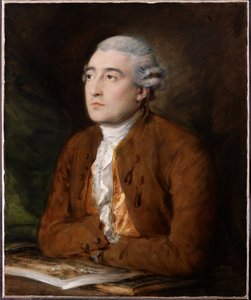
Philip James de Loutherbourg
1740 - 1812 , Frankreich
Kurzinfos
- Beeinflusste Künstler:
- Charles-André van Loo
- Francesco Giuseppe Casanova
- Bemerkenswerte Werke:
- Lord Howes Aktion (1795)
- Zerstörung der Armada
- Coalbrookdale bei Nacht
- Geburtsdatum: 31. Oktober 1740
- Geburtsort: Straßburg, Frankreich
- Künstlerische Richtung: Romantik
- Nationalität: Britisch-Französisch
- Sterbedatum: 11. März 1812
- Vollständiger Name: Philip James de Loutherbourg
- Von Künstlern Beeinflusst: ['J.M.W. Turner']
Ähnliche Artikel

Romantische Landschaften: Die 10 Meisterwerke, die eine Epoche prägten | ArtsDot
Entdecken Sie die 10 Meisterwerke der Romantischen Landschaftsmalerei! Von Caspar David Friedrich bis Turner – erleben Sie die Kunst, Emotion & Natur. Hochwertige Reproduktionen auf ArtsDot.com
Philip James de Loutherbourg: Romantic Visions of Maritime Life & the Sublime
Explore the dramatic naval scenes & landscapes of Philip James de Loutherbourg (1740-1812), a key figure in Romantic painting. Discover his legacy, theatrical innovations & iconic works like 'The Battle of the Nile' at ArtsDot.

Goya: Die 25 Meisterwerke des spanischen Genies – Kunst für Ihr Zuhause | ArtsDot
Entdecken Sie die 25 Meisterwerke von Francisco Goya! Tauchen Sie ein in die düstere Romantik spanischer Malerei, Porträts & Historienbilder. Hochwertige Kunstdrucke auf ArtsDot.com – für Kunstliebhaber und stilvolles Wohnen.

Evocations of Place: A Historical Journey Through Landscape Art
Explore the rich history of landscape art with ArtsDot. Discover renowned artists, movements like Impressionism & Romanticism, and expert guidance for collecting timeless pieces. Find your perfect serene escape today!

John Constable: Die 25 Meisterwerke des englischen Landschaftsgenies – ArtsDot
Entdecken Sie die 25 Meisterwerke von John Constable! Erleben Sie englische Landschaftsmalerei vom Hay Wain bis zur Stour Valley. Hochwertige Reproduktionen & Kunst für Ihr Zuhause auf ArtsDot.com.