

 Vorschau anzeigen
 Versenden
 Teilen
 Details anzeigen

 Herunterladen
 Ähnliche Objekte
 Röntgenaufnahme
 Diashow
 Statistiken
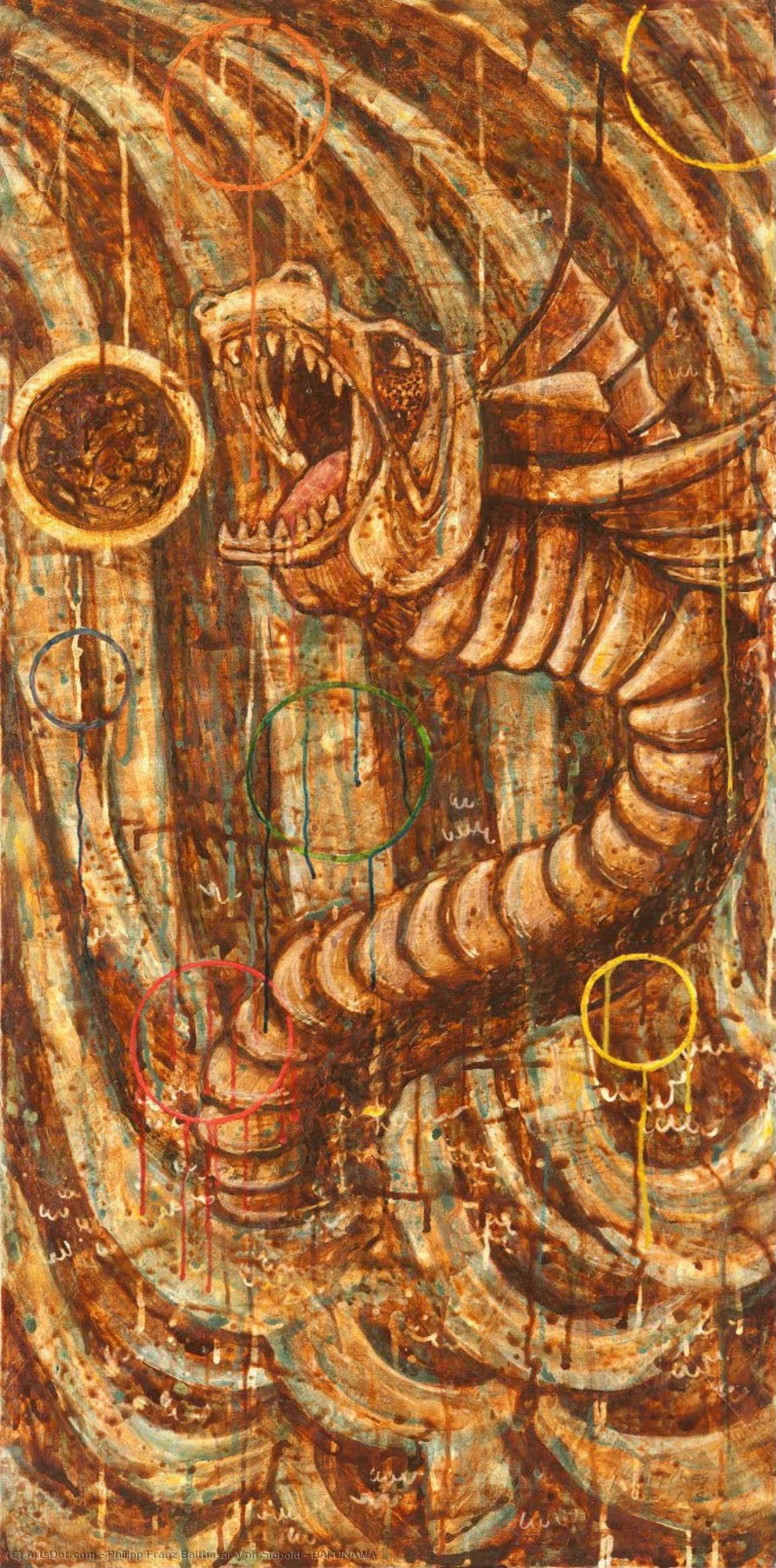
BAKUNAWA
 Weiterlesen
Giclée / Kunstdruck
Giclée- oder Leinwanddruck in Museumsqualität mit schneller Produktion und flexiblen Veredelungsoptionen. ( Handgemalte Reproduktion bestellen Zum digitalen Bild wechseln)




































Wählen Sie aus unseren vordefinierten Formaten, die den ursprünglichen Proportionen des Kunstwerks entsprechen.

Sie können Ihre eigenen Maße eingeben, um ein bestimmtes Format oder einen speziellen Platz einzupassen. Wenn das von Ihnen gewählte Format nicht den Proportionen des Originalbildes entspricht, werden wir das Kunstwerk entweder beschneiden oder das Bild mit einem gespiegelten oder einfarbigen Rand erweitern. Ein digitaler Entwurf wird Ihnen zur Genehmigung zugesandt, bevor die Produktion beginnt.
Bitte beachten Sie, dass die Vorschau auf dem Bildschirm nicht den tatsächlichen Zuschnitt oder die Erweiterung widerspiegelt. Nur der Entwurf zeigt die endgültige Komposition präzise an.
Obwohl Sondermaße verfügbar sind, empfehlen wir die Auswahl eines Maßes aus der vordefinierten Liste, um die ursprünglichen Proportionen zu bewahren.
Weltweiter Versand () innerhalb von 2 Wochen statt der üblichen 4/5 Wochen. (9 September)

Kostenloser weltweiter Expressversand

Hochwertige Leinenleinwand

Umfassender Versicherungsschutz beim Versand

Zollgebühren-Rückerstattungsgarantie

Garantie für exakte Farbtreue

100-Tage-Rückgaberecht (nur bei Mängeln)

100% Geld-zurück-Garantie

Mengenrabatt verfügbar
 Die Glasoption ist nur für Größen unter 110 cm verfügbar.

BAKUNAWA
Giclée / Kunstdruck
Format der Reproduktion
-


Gesamtpreis
$ 62
Ähnliche Kunstwerke





Über den Künstler
Philipp Franz Balthasar von Siebold (1796–1866): Pioneer of Botany and Cultural Exchange
Philipp Franz Balthasar von Siebold stands as a singular figure in 19th-century science and cultural diplomacy—a German physician, botanist, and explorer whose meticulous observations and daring expeditions irrevocably altered the understanding of Japan and its flora. Born in Würzburg in 1796 into a family steeped in medical tradition, Siebold’s intellectual curiosity was nurtured by his father, Franz Xaver Heller, who championed the burgeoning field of natural history as a scientific discipline. This formative influence propelled him toward the University of Würzburg where he excelled in anatomy and physiology, cementing his commitment to empirical investigation. Early Life & Education: Siebold’s fascination with botany began during his university years, fueled by encounters with Humboldt's groundbreaking explorations—a pivotal moment that instilled within him a desire to venture beyond the confines of Europe and immerse himself in unfamiliar landscapes. He recognized the importance of observation and experimentation as tools for unlocking the secrets of nature, principles that would guide his scientific pursuits throughout his life. His father’s dedication to medicine served as an inspiration, shaping Siebold's own commitment to alleviating suffering through scientific understanding. Career Highlights: Initially establishing a medical practice in Heidingsfeld, Bavaria, Siebold swiftly transitioned into a role of considerable prestige when appointed ship’s surgeon aboard the Adriana, bound for Batavia (Jakarta), Indonesia. This voyage wasn’t merely a logistical undertaking; it was a catalyst for his burgeoning scientific ambitions—a chance to apply his anatomical knowledge and pursue botanical research in an exotic environment. His service with the Dutch East Indies Company provided unparalleled access to Japan during its period of seclusion—a circumstance that allowed Siebold to undertake unprecedented research into Japanese botany and zoology, marking him as one of the foremost botanists of his era. Botanical Artistry: Siebold’s artistic talent shone through in his exquisitely detailed botanical illustrations—works that captured the essence of Japanese flora with remarkable accuracy and beauty. These drawings served not only as scientific records but also as captivating representations of Japan's natural heritage. Collaborating closely with Heinrich von Siebold, his son, he meticulously documented over 2,000 plant species, creating an invaluable legacy for future botanists—a testament to the power of familial collaboration and shared intellectual passion. His meticulous attention to detail ensured that each specimen was rendered faithfully, preserving its form and color for posterity. The Legacy of Kusumoto Ine: Perhaps Siebold’s most enduring contribution lies in his role as the father of Kusumoto Ine, Japan’s first female physician educated in Western medicine—a remarkable achievement considering the societal constraints of his time. This pioneering endeavor underscored Siebold's unwavering belief in fostering intercultural understanding and advancing scientific knowledge for the benefit of all humanity. His influence extended beyond botany, shaping the trajectory of Japanese medical education and inspiring generations to pursue excellence in science and scholarship. Influence & Significance: Siebold’s work profoundly impacted the scientific landscape of his time, establishing Japan as a focal point for botanical investigation and shaping perceptions of Asian cultures within Europe. He championed the importance of comparative study—examining similarities and differences between European and Japanese flora to illuminate broader patterns of biogeographical distribution. His legacy continues to inspire botanists and historians alike, reminding us of the transformative power of curiosity, collaboration, and dedication to advancing human understanding. Philipp Franz Balthasar von Siebold’s contributions cemented his place as a pivotal figure in shaping the intellectual history of the 19th century—a true visionary who bridged continents and revolutionized our knowledge of the natural world.
Philipp Franz Balthasar von Siebold
1796 - 1866 , Deutschland
Kurzinfos
- Artistic Movement Or Style: Botanische Illustration
- Artists Or Movements Influenced By This Artist: ['Georg Ernst Stahl']
- Artists Who Influenced This Artist:
- Franz Xaver Heller
- Alexander von Humboldt
- Date Of Birth: Februar 1796
- Date Of Death: Oktober 1866
- Full Name: Philipp Franz Balthasar von Siebold
- Nationality: Deutsch
- Notable Artworks: ['Bakunawa']
- Place Of Birth: Würzburg, Deutschland