 Vorschau anzeigen
 Versenden
 Teilen
 Details anzeigen

 Herunterladen
 Ähnliche Objekte
 Röntgenaufnahme
 Diashow
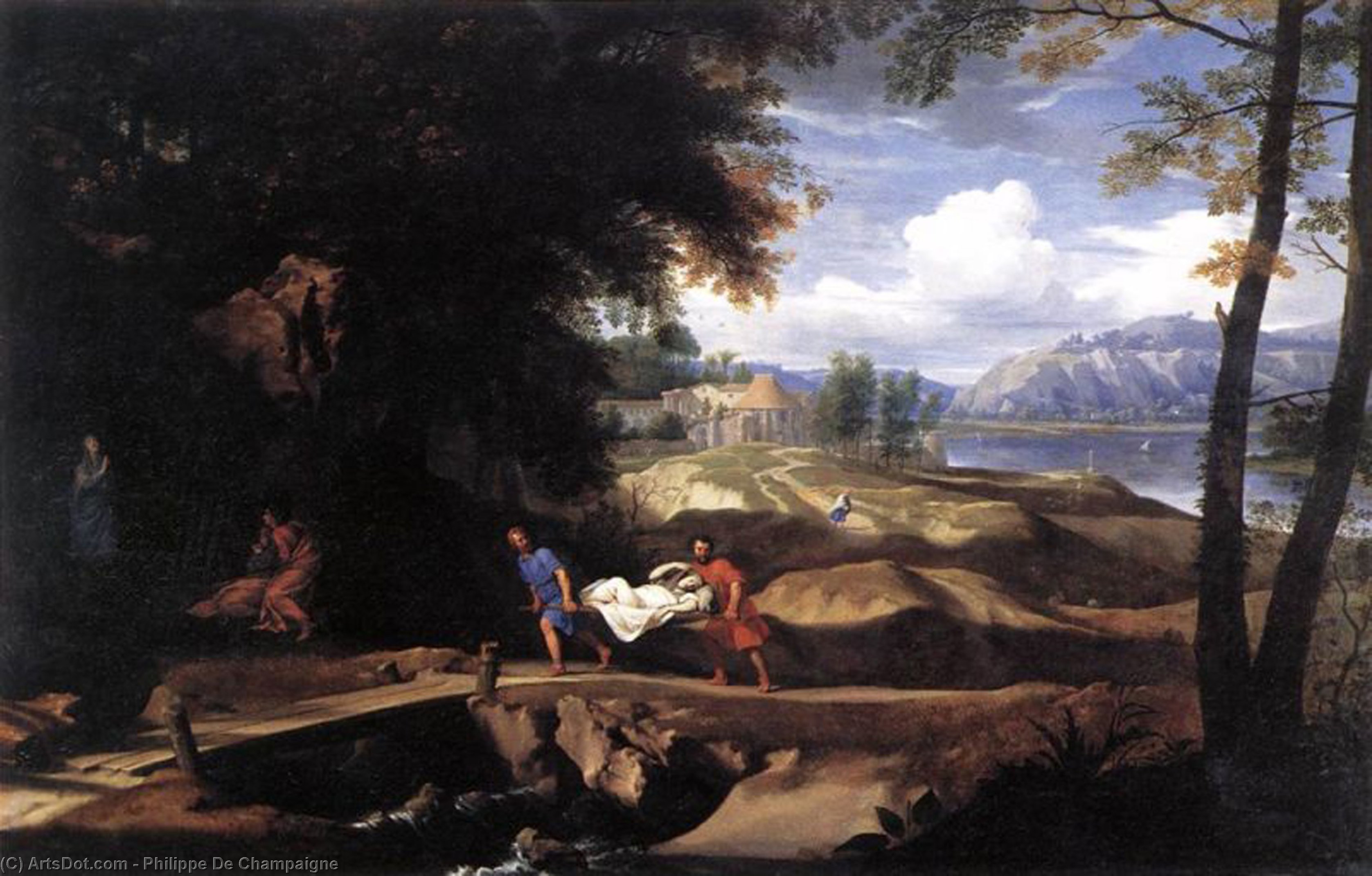
The Miracles of the Penitent St Mary
 Oil On Canvas
- WallArt
- Baroque
 1656
1656- Early Modern
 219.0 x 336.0 cm
 Louvre
 Weiterlesen
Handgefertigte Ölreproduktion
Handgemaltes Ölgemälde auf Leinwand in Ihrer Wunschgröße und mit Rahmen, auf Bestellung von unseren Künstlern angefertigt. ( Druck bestellen Bild kaufen)




P118B $10

P118H $10

P118W $10

P438Z $10

P508JH $12

P508YH $12

P805H $10

P805Z $10

P919BZ $10

P919G $10

P919XJ $10

P959ZH $10

P968JZ $12

W106C $8

W218G $10

W218JH $8

W218Y $10

W307PJ $10

W316G $10

W316PJ $8

W316Y $10

W398PJ $8

W4111J $10

W500HY $15

W500JH $15

W692G $12

W849H $8

W940BG $15

W953PJ $8




Wählen Sie aus unseren vordefinierten Formaten, die den ursprünglichen Proportionen des Kunstwerks entsprechen.

Sie können Ihre eigenen Maße eingeben, um einen bestimmten Rahmen oder Platz auszufüllen. Wenn die gewählte Größe nicht den Proportionen des Originalbildes entspricht, werden wir das Kunstwerk entweder beschneiden oder das Gemälde durch zusätzliche, handgemalte Elemente erweitern. Ein digitales Mockup wird Ihnen zur Genehmigung zugesandt, bevor die Produktion beginnt.
Bitte beachten Sie, dass die Bildschirmvorschau nicht die tatsächliche Beschneidung oder Erweiterung widerspiegelt. Nur das Mockup zeigt die endgültige Komposition exakt an.
Obwohl Sondermaße verfügbar sind, empfehlen wir, eine Größe aus der vordefinierten Liste zu wählen, um die ursprünglichen Proportionen beizubehalten.
Nach der Bestellung wird das ArtsDot.com-Team dem Kunden Anweisungen per E-Mail zusenden und eine Mockup-Vorschau bereitstellen.
Weltweiter Versand () in nur 3 bis 4 Wochen statt der üblichen 5 Wochen. (21 August). Keine Kompromisse bei der Qualität.

Kostenloser weltweiter Expressversand

Hochwertige Leinenleinwand

Umfassender Versicherungsschutz beim Versand

Zollgebühren-Rückerstattungsgarantie

Garantie für exakte Farbtreue

60 Tage Rückgaberecht (nur bei Mängeln)

100% Geld-zurück-Garantie

Mengenrabatt verfügbar
 Die Glasoption ist nur für Größen unter 110 cm verfügbar.

The Miracles of the Penitent St Mary
Art der Reproduktion
Format der Reproduktion
-


Gesamtpreis
$ 263
Beschreibung des Kunstwerks
A Celestial Encounter: The Divine Drama of Philippe de Champaigne
In the grand tapestry of the French Baroque, few works command the soul with such visceral intensity as Philippe de Champaigne’s 1656 masterpiece, The Miracles of the Penitent St Mary. This monumental oil painting is not merely a window into a biblical moment; it is an immersive experience of spiritual transcendence. Commissioned by the formidable Anne of Austria for her private chapel at Val-de-Grace Abbey, the work serves as a profound testament to faith, capturing the precise instant where the earthly realm dissolves into the divine. As viewers approach this expansive canvas, they are met with the breathtaking sight of Mary Magdalene, caught in a state of ecstatic devotion, cradling the resurrected body of Jesus Christ amidst a whirlwind of celestial activity.
The composition is a masterclass in Baroque theatricality, utilizing a dynamic arrangement that draws the eye upward through a cascade of light and motion. Champaigne orchestrates a scene where gravity seems to lose its hold; angels descend from the heavens, their ethereal forms lifting the penitent saint toward the light. This movement creates a sense of profound verticality, mirroring the spiritual ascent of the soul. The presence of natural elements—rugged rocks, lush trees, and the distant suggestion of water—anchors the miraculous event in a tangible world, making the supernatural intervention feel startlingly real and immediate to the observer.
Chiaroscuro and the Sculpting of Light
Technically, de Champaigne employs the dramatic chiaroscuro technique to sculpt form and evoke deep emotion. The painting is defined by a striking contrast between profound shadows and brilliant, divine illumination. Light does not merely illuminate the scene; it acts as a protagonist. It emanates from the figure of Christ and the surrounding angels, washing over Mary Magdalene and catching the intricate, heavy folds of her robes with a tactile realism. This interplay of light and dark serves to highlight the textures of the fabric and the physical weight of the moment, imbuing the figures with a sculptural presence that feels almost three-dimensional.
For the discerning collector or interior designer, the technical brilliance of this piece offers an unparalleled sense of depth and prestige. The artist’s meticulous attention to detail—from the soft glow on skin to the dramatic shadows cast by the descending angels—creates a rich, layered visual texture. This complexity ensures that the painting remains captivating from every angle, offering new nuances of light and shadow as the viewing conditions change within a room. It is a work designed to anchor a space, providing a focal point that radiates both historical authority and artistic sophistication.
A Legacy of Devotion and Grandeur
Beyond its aesthetic splendor, the painting carries a heavy emotional resonance rooted in the themes of redemption and grace. The juxtaposition of Mary’s sorrow for Christ’s suffering with the joyous anticipation of his resurrection creates a poignant tension that has captivated audiences for centuries. It is a narrative of transformation—of a penitent soul finding peace through divine mercy. This emotional depth makes the artwork far more than a decorative element; it is a piece of storytelling that invites contemplation and provides a sense of spiritual sanctuary.
Owning or displaying a high-quality reproduction of this work allows one to bring a fragment of the 17th-century French court into a modern setting. Whether placed in a grand library, a formal dining hall, or a curated gallery space, The Miracles of the Penitent St Mary serves as an enduring symbol of the triumph of light over darkness. It is an investment in beauty, history, and the timeless human quest for meaning, making it an essential acquisition for those who appreciate art that speaks to both the eye and the spirit.
Ähnliche Kunstwerke


Über den Künstler
Philippe de Champaigne: Ein Leben in der Barockmalerei
- Geboren: Brüssel, Niederlande (1602)
- Gestorben: 1674
Frühes Leben und Ausbildung
- Philippe de Champaigne wurde in eine bescheidene Familie in Brüssel geboren und zeigte früh künstlerisches Talent.
- Er studierte zunächst unter Jacques Fouquieres, einem Landschaftsmaler, und erwarb grundlegende Fähigkeiten.
- Im Jahr 1621 zog er nach Paris, wo er sich bei Nicolas Poussin weiterbildete, einer bedeutenden Figur der französischen Malerei. Diese Zeit war entscheidend für sein Verständnis von Komposition und Zeichnung.
- Seine frühen Arbeiten umfassten die Dekoration des Palais du Luxembourg unter Nicolas Duchesne, eine Erfahrung, die seine künstlerische Entwicklung prägte.
Hauptwerke und künstlerischer Stil
- Champaigne ist bekannt für seine religiösen Gemälde und Porträts, die die vorherrschenden Themen der Barockzeit widerspiegeln.
- Bemerkenswerte Werke sind: Sankt Hieronymus in der Wüste, Porträt von Omer Talon und Moses mit den Gesetzestafeln. Diese Stücke demonstrieren seine Beherrschung von Licht, Schatten und dramatischer Komposition.
- Er schuf zahlreiche Gemälde für die Kathedrale Notre Dame und zeigte damit seine Fähigkeit, großformatige Werke mit komplizierten Details zu erstellen.
- Seine Serie von Porträts von Kardinal Richelieu ist besonders bedeutsam und fängt die Macht und Autorität des einflussreichen Staatsmanns ein. Er malte elf Porträts von Richelieu in Kardinalsroben, ein Beweis für ihre enge Beziehung.
- Champaignes Stil zeichnet sich durch seinen Realismus, seine emotionale Intensität und seine dramatische Verwendung des Chiaroscuro (dem Kontrast zwischen Licht und Schatten) aus.
Einfluss und Vermächtnis
- Als Gründungsmitglied der Académie royale de peinture et de sculpture spielte Champaigne eine entscheidende Rolle bei der Gestaltung der französischen Kunstszene. Die Akademie formalisierte die künstlerische Ausbildung und förderte Exzellenzstandards.
- Er war ein bedeutender Verfechter der französischen Malerschule und trug zu ihren charakteristischen Merkmalen bei – einer Mischung aus barocker Dynamik mit klassischer Zurückhaltung.
- Sein Einfluss reichte über seine eigene Zeit hinaus; er ebnete den Weg für nachfolgende Generationen französischer Künstler.
- Champaignes Werke sind in renommierten Museen auf der ganzen Welt zu finden, darunter im Louvre und in der Kathedrale Notre Dame, was sicherstellt, dass sein Vermächtnis weiterhin Kunstliebhaber inspiriert.
Spätere Jahre und künstlerische Entwicklung
- Im Laufe seiner Karriere entwickelte sich Champaignes Stil zunehmend düsterer und introspektiver, insbesondere in seinen späteren religiösen Werken.
- Seine Darstellungen biblischer Szenen vermittelten oft ein Gefühl tiefer spiritueller Kontemplation.
- Er erforschte Themen im Zusammenhang mit dem Jansenismus, einer katholischen theologischen Bewegung, die die göttliche Gnade und die menschliche Verderbtheit betonte, was den Ton und das Thema einiger seiner Gemälde beeinflusste.
- Jean-Baptiste de Champaigne, sein Sohn, wurde ebenfalls Maler und demonstrierte damit das Engagement der Familie für künstlerische Bestrebungen.
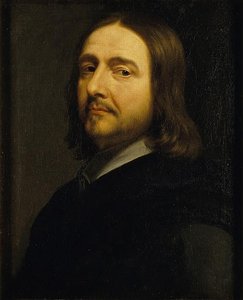
Philippe De Champaigne
1602 - 1674 , Niederlande
Kurzinfos
- Artistic Movement Or Style: Barock
- Artists Who Influenced This Artist: ['Nicolas Poussin']
- Date Of Birth: 26. Mai 1602
- Date Of Death: 12. August 1674
- Full Name: Philippe de Champaigne
- Nationality: Französisch
- Notable Artworks:
- St. Hieronymus in der Wüste
- Porträt von Omer Talon
- Moses mit den Gesetzestafeln
- Place Of Birth: Brüssel, Niederlande
Ähnliche Artikel

Handelsanfragen
APS bietet seit 2004 hochwertige Kunst-Reproduktionen und individuelle Auftragsarbeiten an. Unternehmen, Hotels und ausgewählte Sammler vertrauen auf uns für museumsgerechte Kunstwerke, diskreten Service und umfassende künstlerische Lösungen. Kontaktieren Sie uns für ein individuelles Angebot!

Goya: Die 25 Meisterwerke des spanischen Genies – Kunst für Ihr Zuhause | ArtsDot
Entdecken Sie die 25 Meisterwerke von Francisco Goya! Tauchen Sie ein in die düstere Romantik spanischer Malerei, Porträts & Historienbilder. Hochwertige Kunstdrucke auf ArtsDot.com – für Kunstliebhaber und stilvolles Wohnen.

Über uns
Entdecken Sie unsere Geschichte! Wir bringen Weltklasse-Kunst in Ihr Leben durch fachkundige Auswahl, individuelle Kreationen und kostenlose Vorschauen. Seit dem Jahr 2000 von Privatpersonen und Unternehmen geschätzt.

Barocke Pracht: Wie Sie Opulenz und Emotionen in zeitgenössische Innenräume bringen
Entdecken Sie die Pracht des Barock! Expertenratgeber für luxuriöse Innenräume mit barocken Elementen. Inspiration, Tipps & hochwertige Kunst bei .

Barock Meisterwerke: Die 10 prägendsten Kunstwerke für Ihr Zuhause |
Entdecken Sie die 10 prägendsten Meisterwerke des Barock! Caravaggio, Rembrandt & Co. – Erfahren Sie die Geschichten hinter ikonischen Gemälde und finden Sie hochwertige Kunst Reproduktionen für Ihr Zuhause auf .