

 Vorschau anzeigen
 Versenden
 Teilen
 Details anzeigen

 Herunterladen
 Ähnliche Objekte
 Röntgenaufnahme
 Diashow
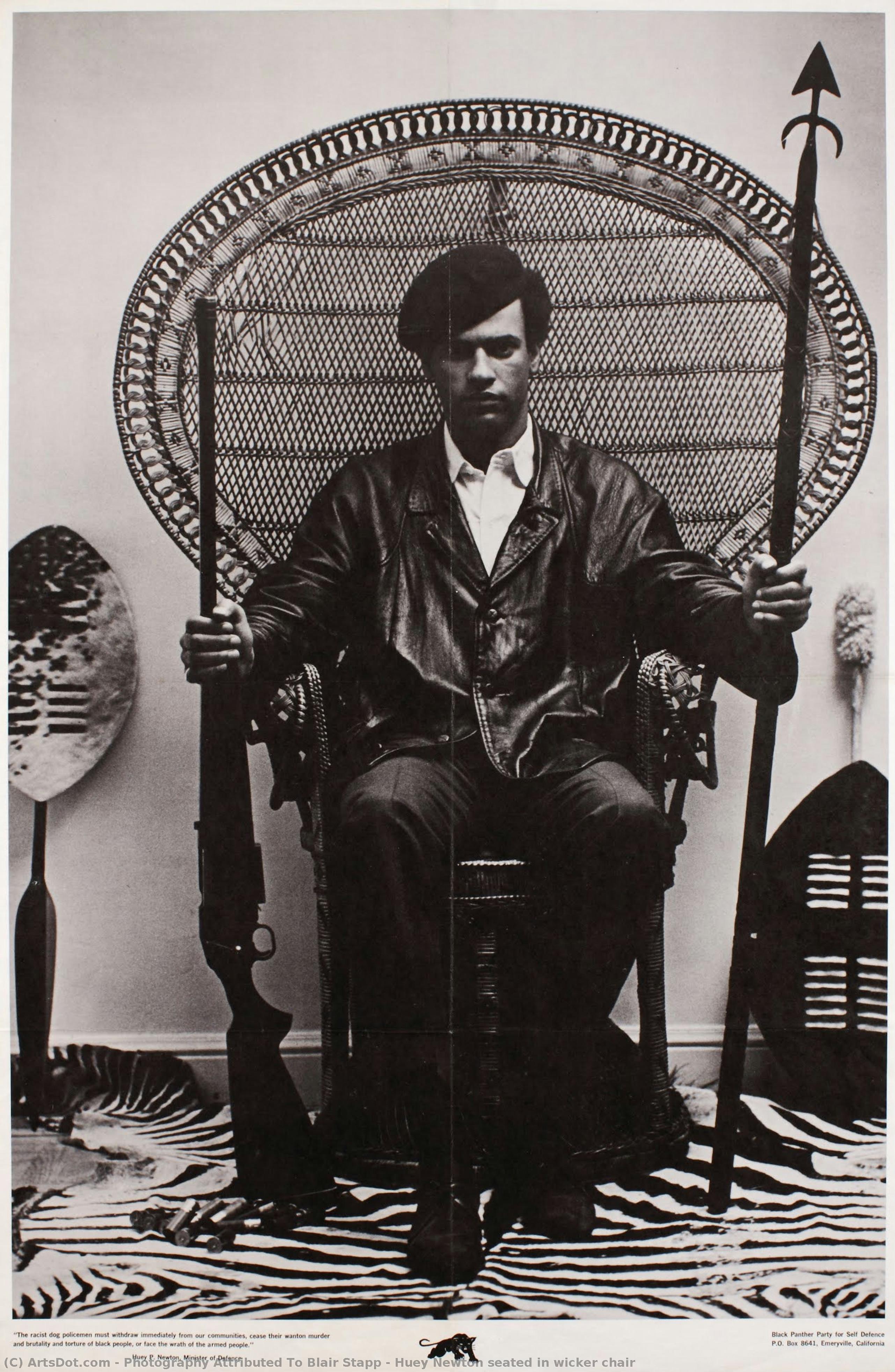
Huey Newton seated in wicker chair

 Weiterlesen
Handgefertigte Ölreproduktion
Handgemaltes Ölgemälde auf Leinwand in Ihrer Wunschgröße und mit Rahmen, auf Bestellung von unseren Künstlern angefertigt. ( Druck bestellen Bild kaufen)




P118B $10

P118H $10

P118W $10

P438Z $10

P508JH $12

P508YH $12

P805H $10

P805Z $10

P919BZ $10

P919G $10

P919XJ $10

P959ZH $10

P968JZ $12

W106C $8

W218G $10

W218JH $8

W218Y $10

W307PJ $10

W316G $10

W316PJ $8

W316Y $10

W398PJ $8

W4111J $10

W500HY $15

W500JH $15

W692G $12

W849H $8

W940BG $15

W953PJ $8




Wählen Sie aus unseren vordefinierten Formaten, die den ursprünglichen Proportionen des Kunstwerks entsprechen.

Sie können Ihre eigenen Maße eingeben, um einen bestimmten Rahmen oder Platz auszufüllen. Wenn die gewählte Größe nicht den Proportionen des Originalbildes entspricht, werden wir das Kunstwerk entweder beschneiden oder das Gemälde durch zusätzliche, handgemalte Elemente erweitern. Ein digitales Mockup wird Ihnen zur Genehmigung zugesandt, bevor die Produktion beginnt.
Bitte beachten Sie, dass die Bildschirmvorschau nicht die tatsächliche Beschneidung oder Erweiterung widerspiegelt. Nur das Mockup zeigt die endgültige Komposition exakt an.
Obwohl Sondermaße verfügbar sind, empfehlen wir, eine Größe aus der vordefinierten Liste zu wählen, um die ursprünglichen Proportionen beizubehalten.
Nach der Bestellung wird das ArtsDot.com-Team dem Kunden Anweisungen per E-Mail zusenden und eine Mockup-Vorschau bereitstellen.
Weltweiter Versand () in nur 3 bis 4 Wochen statt der üblichen 5 Wochen. (24 August). Keine Kompromisse bei der Qualität.

Kostenloser weltweiter Expressversand

Hochwertige Leinenleinwand

Umfassender Versicherungsschutz beim Versand

Zollgebühren-Rückerstattungsgarantie

Garantie für exakte Farbtreue

60 Tage Rückgaberecht (nur bei Mängeln)

100% Geld-zurück-Garantie

Mengenrabatt verfügbar
 Die Glasoption ist nur für Größen unter 110 cm verfügbar.

Huey Newton seated in wicker chair
Art der Reproduktion
Format der Reproduktion
-


Gesamtpreis
$ 263
Ähnliche Kunstwerke
Über den Künstler
A Moment Frozen in Time: The Legacy of Blair Stapp
Blair Stapp’s name may not be as widely recognized as some photographic masters, yet his single most iconic image – *Huey Newton seated in a wicker chair* (1967) – has become an enduring symbol of the Black Panther Party and a potent visual representation of the struggle for civil rights and Black liberation. The photograph transcends its documentary origins, functioning as a complex portrait brimming with symbolism and challenging conventional representations of power, resistance, and identity. Stapp’s contribution lies not in a vast body of work, but in the profound impact of this one arresting image, which continues to resonate across generations.Origins and the Oakland Context
Information regarding Blair Stapp's personal life remains scarce, adding an intriguing layer of mystery to his artistic legacy. He emerged during a period of intense social upheaval in America, specifically within the vibrant and politically charged atmosphere of Oakland, California. The mid-1960s saw growing frustration with systemic racism and police brutality directed towards African American communities. This context birthed the Black Panther Party for Self-Defense, founded by Huey P. Newton and Bobby Seale in 1966. While details about Stapp’s direct involvement with the party are limited, his photograph suggests a close proximity to its leaders and ideology. The image wasn't simply *of* the Panthers; it was created *with* them, reflecting a collaborative spirit and shared purpose. Eldridge Cleaver is credited with composition of the final image, further highlighting this partnership.Deconstructing the Portrait: Symbolism and Technique
The power of *Huey Newton seated in a wicker chair* resides in its deliberate subversion of established visual tropes. Newton isn’t presented as a menacing figure, despite wielding both a spear and a rifle – weapons adopted for self-defense against police aggression. Instead, he is posed with regal composure, seated on a rattan chair reminiscent of colonialist portraiture. The zebra rug further complicates the image, hinting at exoticism while simultaneously reclaiming it. This juxtaposition challenges Western notions of power dynamics and flips the script on traditional representations of Black men in America. Newton’s direct gaze confronts the viewer, demanding attention and refusing to be objectified. The black and white photography itself lends a timeless quality, elevating the portrait beyond a mere snapshot of a moment to a statement about enduring struggle. The composition is stark yet balanced, drawing focus directly onto Newton's figure and his unwavering expression.Impact and Historical Significance
Immediately following its creation, *Huey Newton seated in a wicker chair* became a powerful recruitment tool for the Black Panther Party, widely distributed as a poster and broadside. The accompanying caption – “The racist dog policemen must withdraw immediately from our communities…” – underscored the party’s militant stance against police brutality. However, the image's significance extends far beyond its initial purpose. It has been reproduced countless times in books, magazines, documentaries, and art exhibitions, becoming a visual shorthand for Black power, resistance, and self-determination. The photograph also sparked controversy, attracting the attention of J. Edgar Hoover and the FBI, who viewed the Panthers as a major threat to national security. The image’s enduring appeal lies in its ability to provoke dialogue about race, identity, and social justice. It continues to inspire artists, activists, and scholars alike, serving as a reminder of the ongoing fight for equality and liberation.A Lasting Echo
While Blair Stapp's body of work remains relatively unknown, his single iconic photograph has secured his place in art history. He captured not just a likeness, but an ethos – a moment of defiance, dignity, and unwavering commitment to social change. The rediscovery of photographs from the 1960s attributed to Stapp continues to shed light on this important period and the artist’s role within it. Huey Newton seated in a wicker chair is more than just an image; it's a testament to the power of art as activism, a symbol of resistance that continues to resonate with audiences today, prompting reflection on the past and inspiring hope for a more equitable future. It stands as a powerful reminder that even a single photograph can ignite a revolution.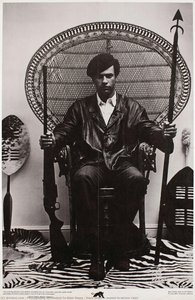
Kurzinfos
- Artistic Movement Or Style: Documentary photography
- Full Name: Blair Stapp
- Nationality: American
- Notable Artworks: ['Huey Newton seated in wicker chair']
Ähnliche Artikel

Weiße Meisterwerke: Die Top 10 berühmtesten Gemälde und ihre zeitlose Eleganz
Entdecken Sie die Top 10 berühmter Gemälde, dominiert von Weiß! Von Malewitsch bis Rothko – erfahren Sie Geschichten hinter ikonischen Kunstwerke und lassen Sie sich für Ihre Wohnraumgestaltung inspirieren. Kunstreproduktionen in Museumsqualiät auf

Die Top 10 berühmter Gemälde im Reich der dunklen Töne |
Entdecken Sie die Top 10 berühmter Gemälde, beherrscht von dunklen Tönen! Von Caravaggio bis Manet – erfahren Sie die Geschichten hinter Meisterwerken der Kunstgeschichte. Finden Sie Ihre perfekte Reproduktion auf .

Monochrome Visions: Exploring the Aesthetic & Historical Significance of Black & White Photography
Explore the rich history & artistic power of black and white photography. From early techniques to iconic masters like Ansel Adams, discover why monochrome continues to captivate art lovers today. Expert insights for collectors.
Timeless & Chic: Elevating Your New Home with the Sophistication of Black and White Photography
Transform your new home with the timeless allure of black and white photography. ArtsDot.com specializes in elegant monochrome decor and custom hand-painted wedding portraits that turn cherished milestones into lasting, soulful masterpieces. Elevate your space with ease.
Schwarzweiß-Transformationen: Zeitlose Kunst aus Ihren Erinnerungen – ArtsDot
Verwandeln Sie Ihre Fotos in zeitlose Kunst! ArtsDot kreiert hochwertige Schwarzweiß-Reproduktionen & personalisierte Gemälde im klassischen Stil – Ihr individuelles Vermächtnis für die Ewigkeit. Entdecken Sie jetzt!

