 Vorschau anzeigen
 Versenden
 Teilen
 Details anzeigen

 Herunterladen
 Ähnliche Objekte
 Röntgenaufnahme
 Diashow
Incarnation of Jesus (detail)


 Weiterlesen
Handgefertigte Ölreproduktion
Handgemaltes Ölgemälde auf Leinwand in Ihrer Wunschgröße und mit Rahmen, auf Bestellung von unseren Künstlern angefertigt. ( Druck bestellen Bild kaufen)




P118B $10

P118H $10

P118W $10

P438Z $10

P508JH $12

P508YH $12

P805H $10

P805Z $10

P919BZ $10

P919G $10

P919XJ $10

P959ZH $10

P968JZ $12

W106C $8

W218G $10

W218JH $8

W218Y $10

W307PJ $10

W316G $10

W316PJ $8

W316Y $10

W398PJ $8

W4111J $10

W500HY $15

W500JH $15

W692G $12

W849H $8

W940BG $15

W953PJ $8




Wählen Sie aus unseren vordefinierten Formaten, die den ursprünglichen Proportionen des Kunstwerks entsprechen.

Sie können Ihre eigenen Maße eingeben, um einen bestimmten Rahmen oder Platz auszufüllen. Wenn die gewählte Größe nicht den Proportionen des Originalbildes entspricht, werden wir das Kunstwerk entweder beschneiden oder das Gemälde durch zusätzliche, handgemalte Elemente erweitern. Ein digitales Mockup wird Ihnen zur Genehmigung zugesandt, bevor die Produktion beginnt.
Bitte beachten Sie, dass die Bildschirmvorschau nicht die tatsächliche Beschneidung oder Erweiterung widerspiegelt. Nur das Mockup zeigt die endgültige Komposition exakt an.
Obwohl Sondermaße verfügbar sind, empfehlen wir, eine Größe aus der vordefinierten Liste zu wählen, um die ursprünglichen Proportionen beizubehalten.
Nach der Bestellung wird das ArtsDot.com-Team dem Kunden Anweisungen per E-Mail zusenden und eine Mockup-Vorschau bereitstellen.
Weltweiter Versand () in nur 3 bis 4 Wochen statt der üblichen 5 Wochen. (31 August). Keine Kompromisse bei der Qualität.

Kostenloser weltweiter Expressversand

Hochwertige Leinenleinwand

Umfassender Versicherungsschutz beim Versand

Zollgebühren-Rückerstattungsgarantie

Garantie für exakte Farbtreue

60 Tage Rückgaberecht (nur bei Mängeln)

100% Geld-zurück-Garantie

Mengenrabatt verfügbar
 Die Glasoption ist nur für Größen unter 110 cm verfügbar.

Incarnation of Jesus (detail)
Art der Reproduktion
Format der Reproduktion
-


Gesamtpreis
$ 263
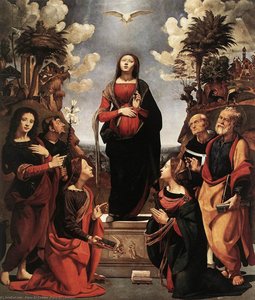
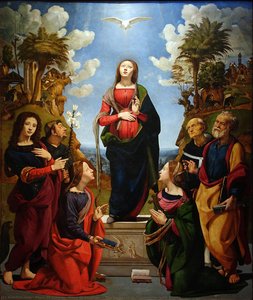
The Enfolding Mystery: Piero di Cosimo’s “Incarnation of Jesus” (Detail)
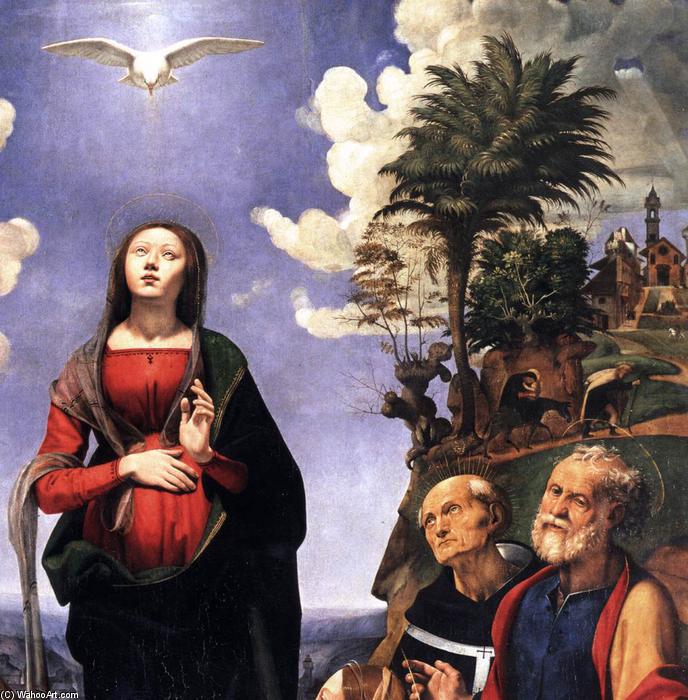
Piero di Cosimo’s “Incarnation of Jesus,” a captivating detail from the original painting housed in the Uffizi Gallery, Florence, offers a profound glimpse into the burgeoning artistic and intellectual currents of 16th-century Italy. More than simply a depiction of a pivotal religious event, this work embodies a unique synthesis of Renaissance realism, fantastical imagination, and deeply considered symbolism – a hallmark of Cosimo’s distinctive style. The image captures a moment pregnant with spiritual significance, inviting the viewer to contemplate the divine mystery at its heart.
The focal point is undoubtedly Mary, rendered in rich crimson robes that immediately draw the eye. Her posture—hands clasped in prayer or deep contemplation—evokes a sense of humility and reverence. Above her head floats a radiant white dove, an unmistakable symbol of the Holy Spirit, frequently employed in Christian iconography to represent divine grace and illumination. This visual element elevates the scene beyond a mere earthly portrayal, suggesting a transcendent encounter.
A Scholarly Chorus: Interpreting the Figures
Flanking Mary are two figures who add layers of intellectual and philosophical depth to the composition. These men, likely representing scholars or philosophers, are dressed in robes indicative of their learned status – long sleeves, flowing garments, and subtle embellishments all contribute to this impression. The man on the left, distinguished by his baldness and beard, gazes intently forward, while the one on the right, with his flowing hair and full beard, holds a book, suggesting an active engagement in contemplation or debate. Their presence isn’t merely decorative; they represent the human intellect grappling with the profound implications of the Incarnation – a dialogue between faith and reason.
The inclusion of these figures speaks to the humanist ideals prevalent during this period, where classical learning was being re-examined alongside religious belief. Cosimo masterfully integrated these elements, creating a scene that transcends simple narrative and invites viewers to ponder the relationship between earthly wisdom and divine revelation. It’s worth noting that Piero di Cosimo's artistic lineage can be traced back to Andrea del Verrocchio, a pivotal figure in Florentine art who himself was influenced by the humanist movement.
Renaissance Landscape and Symbolic Echoes
The background landscape, dominated by palm trees and a distant European village nestled beneath a dramatic sky, establishes a setting evocative of the East – a deliberate choice that alludes to the biblical accounts of Jesus’ birth in Bethlehem. The presence of palm trees is not merely geographical; they are potent symbols of paradise and eternal life, reinforcing the painting's overarching theme of redemption and divine grace. The village itself, with its pitched roofs and chimneys, grounds the scene in a recognizable European reality, providing a visual anchor for the fantastical elements.
The cloudy sky adds to the dramatic intensity of the composition, creating an atmosphere of solemn reverence and spiritual anticipation. Cosimo’s masterful use of light – particularly the soft illumination highlighting Mary and the dove – directs the viewer's attention to the central figures and reinforces their importance within the narrative. This careful orchestration of visual elements demonstrates a sophisticated understanding of artistic technique and its ability to convey profound meaning.
A Window into a Renaissance Mind
“Incarnation of Jesus” is more than just a beautiful painting; it’s a window into the complex intellectual and spiritual landscape of 16th-century Florence. Piero di Cosimo's ability to seamlessly blend realistic detail with imaginative symbolism reflects the era’s fascination with both classical antiquity and Christian theology. The work stands as a testament to his artistic genius, offering viewers an opportunity to engage with a timeless narrative of faith, humanity, and divine mystery. ArtsDot offers meticulously crafted reproductions that allow you to experience the beauty and depth of this extraordinary masterpiece in your own space.
Ähnliche Kunstwerke

Über den Künstler
Piero di Cosimo (1462-1522): Bridging Fantasy and Realism in Florentine Renaissance Painting
Piero di Cosimo, geboren Piero di Lorenzo Battista um 1462 in Florenz, Italien, steht als eine einzigartige Figur innerhalb des lebhaften Teppichs der florentinischen Renaissance. Anders als viele seiner Zeitgenossen, die sich streng an klassische Ideale hielten, besaß Cosimo einen fantastischen Geist, der seine Kunstwerke mit fantastischen Elementen neben sorgfältiger Beobachtung der Natur – eine besondere Verschmelzung, die seinen Ruf als einer der innovativsten Maler dieser Epoche festigte. Seine künstlerische Reise spielte sich gegen ein Hintergrund von aufkeimendem Humanismus und künstlerischer Experimentierfreudigkeit ab und spiegelte die umfassendere kulturelle Transformation wider, die Europa während dieser Zeit durchlebte.- Frühes Leben & Ausbildung: Präzise biografische Angaben über Cosimos frühe Jahre bleiben schwer zu finden und beruhen hauptsächlich auf fragmentarischen Hinweisen in Vasaris Leben der Künstler. Er lernte unter Andrea del Verrocchio, einem renommierten Bildhauer und Maler, dessen Werkstatt ein Nährboden für künstlerisches Talent war. Diese Verbindung stellte Cosimo den Techniken der Freskomalerei und Bildhauerei zur Seite und prägte seine grundlegende Kompetenz.
- Einflüsse & Künstlerischer Stil: Cosimos Stil wurde tiefgreifend von Botticelli und Giovanni Battista Van Eyck beeinflusst – Künstlern, die sowohl Schönheit als auch psychologische Tiefe geförderten. Botticellis elegante Linien und ätherische Figuren instillten in Cosimo eine Vorliebe für Eleganz und idealisierte Darstellung, während Van Eycks Meisterhaftigkeit bei der Verwendung von Ölfarbe ihn ermutigte, nuancierte Farbtonschattierungen und Texturreichen auszudrücken. Diese Einflüsse führten zu einer künstlerischen Sprache, die durch leuchtende Farben, zarte Pinselstriche und eine faszinierende Verschmelzung mythologischer Erzählungen mit realistischen Landschaften geprägt war.
Bekannte Werke & Künstlerische Leistungen
Cosimos Œuvre umfasst eine außergewöhnliche Sammlung von Gemälden, die sein außergewöhnliches Talent und seine fantastische Vision zeigen. Unter seinen meist gefeierten Kreationen befindet sich „Vulcan und Aeolus“, ein monumentaler Rundmalerei Ölfarbe, die den mythologischen Konflikt zwischen Zeus' Sohn und Poseidon darstellt – ein Beweis für Cosimos Fähigkeit, dramatische Emotionen innerhalb einer sorgfältig konstruierten Komposition auszudrücken. Ebenso verkörpert „Madonna und Schlafendes Christuskind mit dem Infant St Johannes der Baptist“ seine präzise Aufmerksamkeit zum Detail und sein tiefes Verständnis religiöser Ikonographie. Darüber hinaus ist „Die Verehrung Jesu Kind“ ein weiteres Meisterwerk, das die ruhige Schönheit und spirituelle Kontemplation widerspiegelt, die für frühe Renaissance Kunst charakteristisch sind. Diese Werke zeigen eine außergewöhnliche technische Virtuosität und einen tiefen Ausdruck von Glaubensgefühl und menschlicher Erfahrung.Historische Bedeutung & Vermächtnis
Piero di Cosimo’s Beitrag zur florentinischen Malerei geht über reine stilistische Innovation hinaus; er stellt einen wichtigen Moment in künstlerischer Geschichte dar. Indem er sich den Beschränkungen strenger akademischer Konventionen widersetzte und sich einer fantastischen Erzählung neben realistischer Darstellung widmete, ebnete Cosimo den Weg für nachfolgende Generationen von Künstlern – darunter Raffael und Michelangelo –, neue Ausdrucksmöglichkeiten zu erkunden. Sein Werk wird nicht nur für seine individuellen Meisterwerke bewundert, sondern auch dafür gefeiert, dass er den umfassenderen Verlauf europäischer Kunst prägte und somit eine zentrale Figur in der Entwicklung des Renaissance darstellen konnte. Er bleibt ein lebendiges Beispiel für künstlerische Kreativität und außergewöhnliche technische Fähigkeiten und wird weiterhin von Künstlern und Kunsthistorikern weltweit inspiriert.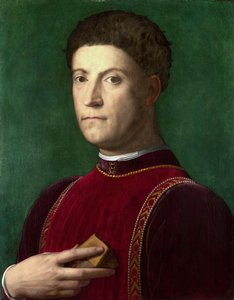
piero di cosimo (piero di lorenzo)
1462 - 1522 , Italien
Kurzinfos
- Artistic Movement Or Style: Renaissance Kunst
- Artists Who Influenced This Artist:
- Andrea del Verrocchio
- Botticelli
- Date Of Birth: 1462
- Full Name: Piero di Lorenzo Battista
- Nationality: Italienisch
- Notable Artworks:
- Vulcan und Aeolus
- Madonna und Schlafendes Christuskind mit dem Infant St Johannes Baptist
- Verehrung des Kindes Christi
- Place Of Birth: Florence, Italien
Ähnliche Artikel

Giotto di Bondone: Die 25 Meisterwerke des Frührenaissance – Kunst für Ihr Zuhause
Entdecken Sie die 25 Meisterwerke von Giotto di Bondone! Erleben Sie die Frührenaissance, religiöse Kunst & ikonische Fresken wie in der Scrovegni Kapelle. Hochwertige Kunstdrucke online bei ArtsDot.com – für zeitlose Eleganz in Ihrem Zuhause.
Die 25 Meisterwerke der Uffizien: Kunstgeschichte für Ihr Zuhause | ArtsDot
Entdecken Sie die 25 berühmtesten Meisterwerke der Uffizien, Florenz! Von Botticelli bis Leonardo da Vinci – Kunstgeschichte erleben. Hochwertige Reproduktionen & Inspiration für Ihr Zuhause auf ArtsDot.com.

Fra Angelico: Die 25 Meisterwerke des italienischen Frührenaissance-Malers | ArtsDot
Entdecken Sie die 25 schönsten Meisterwerke von Fra Angelico! Erleben Sie religiöse Kunst der italienischen Renaissance, himmlische Fresken & Panelgemälde. Finden Sie hochwertige Kunstdrucke und Reproduktionen für Ihr Zuhause auf ArtsDot.com.
Top 25 Kunstwerke der Biennale Venedig: Meisterwerke für Ihr Zuhause | ArtsDot
Entdecken Sie die 25 bedeutendsten Kunstwerke der Biennale Venedig! Erfahren Sie die Geschichten hinter berühmten Gemälden, Künstlern und Stilen. Hochwertige Kunstdrucke & Reproduktionen für Ihr Zuhause – jetzt auf ArtsDot.com!
Proto-Renaissance Meisterwerke: Die 10 Kunstwerke, die eine Epoche prägten | ArtsDot
Entdecken Sie die 10 prägendsten Meisterwerke der Proto-Renaissance! Von Giotto bis Duccio – erleben Sie die Geschichten, Techniken & zeitlose Schönheit italienischer Frührenaissance Kunst. Hochwertige Reproduktionen auf ArtsDot.com.