 Vorschau anzeigen
 Versenden
 Teilen
 Details anzeigen

 Herunterladen
 Ähnliche Objekte
 Röntgenaufnahme
 Diashow
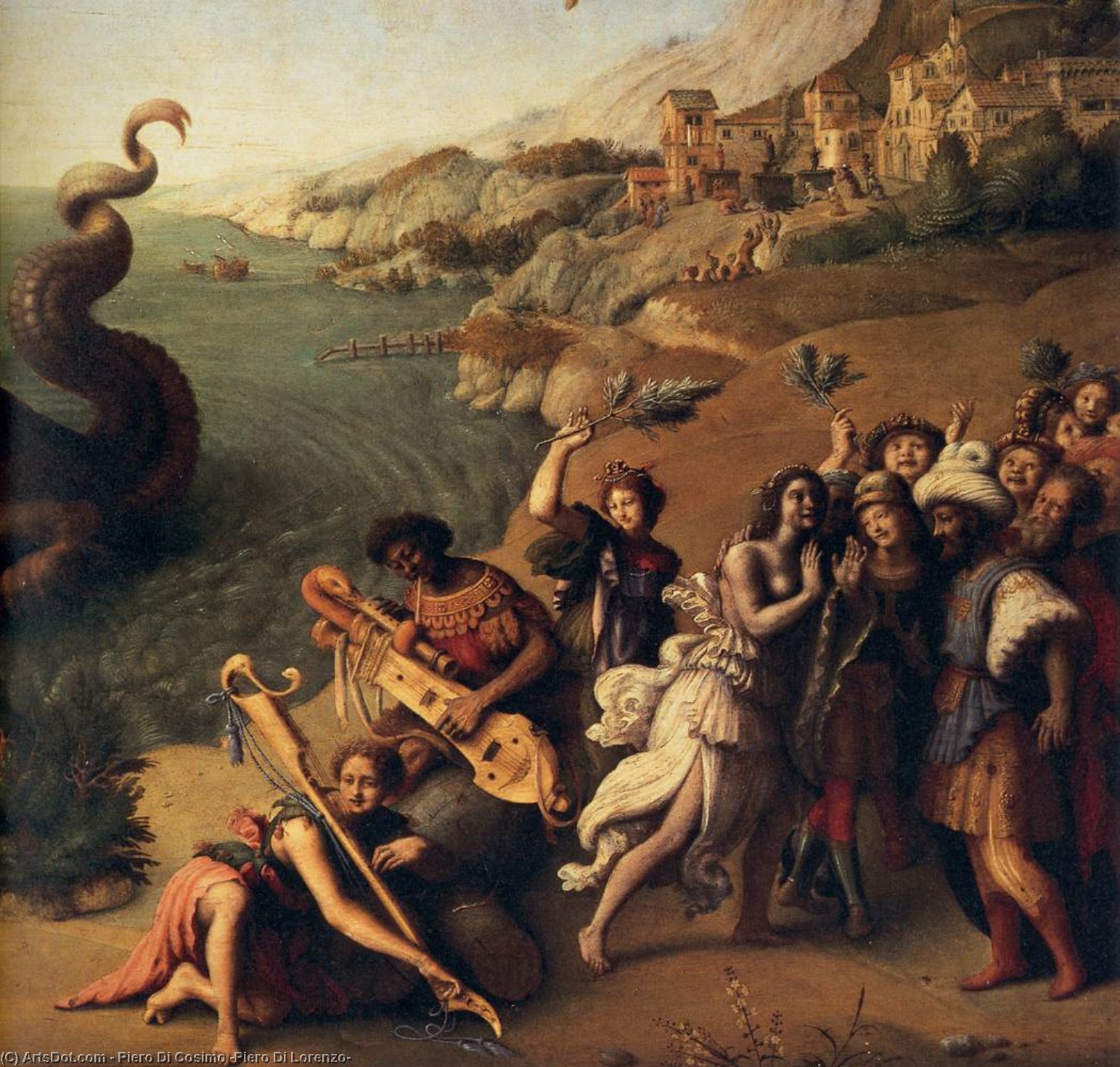
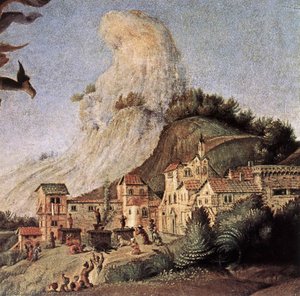
Perseus Frees Andromeda (detail) (10)


 Weiterlesen
Handgefertigte Ölreproduktion
Handgemaltes Ölgemälde auf Leinwand in Ihrer Wunschgröße und mit Rahmen, auf Bestellung von unseren Künstlern angefertigt. ( Druck bestellen Bild kaufen)




P118B $10

P118H $10

P118W $10

P438Z $10

P508JH $12

P508YH $12

P805H $10

P805Z $10

P919BZ $10

P919G $10

P919XJ $10

P959ZH $10

P968JZ $12

W106C $8

W218G $10

W218JH $8

W218Y $10

W307PJ $10

W316G $10

W316PJ $8

W316Y $10

W398PJ $8

W4111J $10

W500HY $15

W500JH $15

W692G $12

W849H $8

W940BG $15

W953PJ $8




Wählen Sie aus unseren vordefinierten Formaten, die den ursprünglichen Proportionen des Kunstwerks entsprechen.

Sie können Ihre eigenen Maße eingeben, um einen bestimmten Rahmen oder Platz auszufüllen. Wenn die gewählte Größe nicht den Proportionen des Originalbildes entspricht, werden wir das Kunstwerk entweder beschneiden oder das Gemälde durch zusätzliche, handgemalte Elemente erweitern. Ein digitales Mockup wird Ihnen zur Genehmigung zugesandt, bevor die Produktion beginnt.
Bitte beachten Sie, dass die Bildschirmvorschau nicht die tatsächliche Beschneidung oder Erweiterung widerspiegelt. Nur das Mockup zeigt die endgültige Komposition exakt an.
Obwohl Sondermaße verfügbar sind, empfehlen wir, eine Größe aus der vordefinierten Liste zu wählen, um die ursprünglichen Proportionen beizubehalten.
Nach der Bestellung wird das ArtsDot.com-Team dem Kunden Anweisungen per E-Mail zusenden und eine Mockup-Vorschau bereitstellen.
Weltweiter Versand () in nur 3 bis 4 Wochen statt der üblichen 5 Wochen. (31 August). Keine Kompromisse bei der Qualität.

Kostenloser weltweiter Expressversand

Hochwertige Leinenleinwand

Umfassender Versicherungsschutz beim Versand

Zollgebühren-Rückerstattungsgarantie

Garantie für exakte Farbtreue

60 Tage Rückgaberecht (nur bei Mängeln)

100% Geld-zurück-Garantie

Mengenrabatt verfügbar
 Die Glasoption ist nur für Größen unter 110 cm verfügbar.

Perseus Frees Andromeda (detail) (10)
Art der Reproduktion
Format der Reproduktion
-


Gesamtpreis
$ 263
The Mythic Dance of Hero and Fate
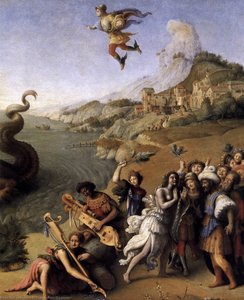
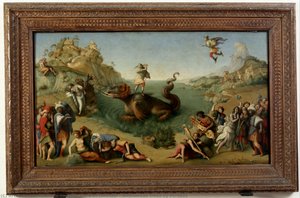
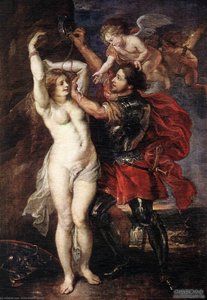
Piero di Cosimo’s “Perseus Frees Andromeda” isn't merely a depiction of a classical myth; it’s a vibrant, almost theatrical rendering of a timeless struggle between fate, heroism, and the enduring power of love. Painted in 1513, during the height of Florentine Renaissance artistic fervor, this work transcends its narrative roots to become a profound meditation on human agency within a world governed by divine forces. The scene unfolds with an arresting dynamism – Perseus, powerfully sculpted and radiating determination, wrestles with the monstrous Cetus, the sea monster sent as punishment for Cassiopeia’s vanity. The composition isn't static; it pulses with movement, conveyed through the swirling currents of the water, the straining muscles of the hero, and the terrified posture of Andromeda, her gaze fixed on a distant hope. Cosimo masterfully utilizes color – rich blues and greens dominate the turbulent sea, contrasting sharply with the warmer tones of Perseus’s armor and the earthy hues of the landscape – to heighten the drama and emphasize the pivotal moment.
Renaissance Vision: A Bridge Between Fantasy and Reality
Piero di Cosimo stands apart from his contemporaries not for adhering strictly to classical ideals, but for imbuing them with a distinctly imaginative spirit. He was a master of blending meticulous observation of nature – evident in the detailed rendering of the waves and the rugged coastline – with fantastical elements that were characteristic of Renaissance art. This is particularly striking in “Perseus Frees Andromeda.” The figures are rendered with an almost sculptural quality, reminiscent of Donatello’s bronze sculptures, yet they possess a heightened sense of emotion and drama. The background landscape, though idealized, feels grounded in reality, suggesting a connection to the natural world that was increasingly valued during this period. Cosimo's approach reflects the broader cultural shifts occurring in Florence – a burgeoning humanist thought combined with an artistic experimentation that sought to capture not just the appearance of things but also their underlying essence.
Symbolism and Narrative Depth
The painting is laden with symbolic meaning, extending far beyond the straightforward retelling of the myth. Andromeda represents vulnerability, beauty threatened by external forces – a potent symbol for women in Renaissance society. Her plight underscores the dangers of vanity and hubris, directly linked to Cassiopeia’s boastful claims of superior beauty. Perseus, conversely, embodies strength, courage, and divine intervention. His act of rescuing Andromeda isn't simply an heroic deed; it’s a triumph over fate itself. The presence of the severed head of Medusa, carried by Perseus, serves as a constant reminder of the monstrous forces he has overcome – a visual representation of the power of intellect and strategic thinking against brute force. The harp held by the figure in the foreground adds another layer of complexity, hinting at music’s role in soothing troubled souls and celebrating victory.
A Window into 16th-Century Florence
“Perseus Frees Andromeda” offers a fascinating glimpse into the artistic and cultural landscape of 16th-century Florence. Painted during a period of immense political and social change, it reflects the city’s growing confidence as a center of art and learning. The work's patronage likely stemmed from wealthy Florentine families who commissioned artwork to enhance their prestige and demonstrate their support for the arts. The painting’s meticulous detail and dramatic composition were hallmarks of Renaissance artistic style, reflecting a renewed interest in classical antiquity and a desire to capture the beauty and grandeur of the human experience. The work's inclusion within the Uffizi Gallery speaks volumes about its enduring value and significance as a masterpiece of Florentine art.
Recreating the Masterpiece: A High-Quality Reproduction
Today, reproductions of “Perseus Frees Andromeda” continue to captivate audiences with their dramatic intensity and artistic merit. When selecting a reproduction, consider the quality of materials used – archival inks on museum-quality canvas will ensure that the colors remain vibrant for generations to come. This artwork’s enduring appeal lies not only in its captivating narrative but also in its technical brilliance—a testament to Piero di Cosimo's skill as a painter and his profound understanding of human emotion and artistic expression.
Ähnliche Kunstwerke
Über den Künstler
Piero di Cosimo (1462-1522): Bridging Fantasy and Realism in Florentine Renaissance Painting
Piero di Cosimo, geboren Piero di Lorenzo Battista um 1462 in Florenz, Italien, steht als eine einzigartige Figur innerhalb des lebhaften Teppichs der florentinischen Renaissance. Anders als viele seiner Zeitgenossen, die sich streng an klassische Ideale hielten, besaß Cosimo einen fantastischen Geist, der seine Kunstwerke mit fantastischen Elementen neben sorgfältiger Beobachtung der Natur – eine besondere Verschmelzung, die seinen Ruf als einer der innovativsten Maler dieser Epoche festigte. Seine künstlerische Reise spielte sich gegen ein Hintergrund von aufkeimendem Humanismus und künstlerischer Experimentierfreudigkeit ab und spiegelte die umfassendere kulturelle Transformation wider, die Europa während dieser Zeit durchlebte.- Frühes Leben & Ausbildung: Präzise biografische Angaben über Cosimos frühe Jahre bleiben schwer zu finden und beruhen hauptsächlich auf fragmentarischen Hinweisen in Vasaris Leben der Künstler. Er lernte unter Andrea del Verrocchio, einem renommierten Bildhauer und Maler, dessen Werkstatt ein Nährboden für künstlerisches Talent war. Diese Verbindung stellte Cosimo den Techniken der Freskomalerei und Bildhauerei zur Seite und prägte seine grundlegende Kompetenz.
- Einflüsse & Künstlerischer Stil: Cosimos Stil wurde tiefgreifend von Botticelli und Giovanni Battista Van Eyck beeinflusst – Künstlern, die sowohl Schönheit als auch psychologische Tiefe geförderten. Botticellis elegante Linien und ätherische Figuren instillten in Cosimo eine Vorliebe für Eleganz und idealisierte Darstellung, während Van Eycks Meisterhaftigkeit bei der Verwendung von Ölfarbe ihn ermutigte, nuancierte Farbtonschattierungen und Texturreichen auszudrücken. Diese Einflüsse führten zu einer künstlerischen Sprache, die durch leuchtende Farben, zarte Pinselstriche und eine faszinierende Verschmelzung mythologischer Erzählungen mit realistischen Landschaften geprägt war.
Bekannte Werke & Künstlerische Leistungen
Cosimos Œuvre umfasst eine außergewöhnliche Sammlung von Gemälden, die sein außergewöhnliches Talent und seine fantastische Vision zeigen. Unter seinen meist gefeierten Kreationen befindet sich „Vulcan und Aeolus“, ein monumentaler Rundmalerei Ölfarbe, die den mythologischen Konflikt zwischen Zeus' Sohn und Poseidon darstellt – ein Beweis für Cosimos Fähigkeit, dramatische Emotionen innerhalb einer sorgfältig konstruierten Komposition auszudrücken. Ebenso verkörpert „Madonna und Schlafendes Christuskind mit dem Infant St Johannes der Baptist“ seine präzise Aufmerksamkeit zum Detail und sein tiefes Verständnis religiöser Ikonographie. Darüber hinaus ist „Die Verehrung Jesu Kind“ ein weiteres Meisterwerk, das die ruhige Schönheit und spirituelle Kontemplation widerspiegelt, die für frühe Renaissance Kunst charakteristisch sind. Diese Werke zeigen eine außergewöhnliche technische Virtuosität und einen tiefen Ausdruck von Glaubensgefühl und menschlicher Erfahrung.Historische Bedeutung & Vermächtnis
Piero di Cosimo’s Beitrag zur florentinischen Malerei geht über reine stilistische Innovation hinaus; er stellt einen wichtigen Moment in künstlerischer Geschichte dar. Indem er sich den Beschränkungen strenger akademischer Konventionen widersetzte und sich einer fantastischen Erzählung neben realistischer Darstellung widmete, ebnete Cosimo den Weg für nachfolgende Generationen von Künstlern – darunter Raffael und Michelangelo –, neue Ausdrucksmöglichkeiten zu erkunden. Sein Werk wird nicht nur für seine individuellen Meisterwerke bewundert, sondern auch dafür gefeiert, dass er den umfassenderen Verlauf europäischer Kunst prägte und somit eine zentrale Figur in der Entwicklung des Renaissance darstellen konnte. Er bleibt ein lebendiges Beispiel für künstlerische Kreativität und außergewöhnliche technische Fähigkeiten und wird weiterhin von Künstlern und Kunsthistorikern weltweit inspiriert.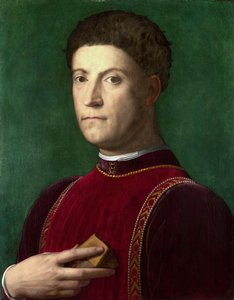
piero di cosimo (piero di lorenzo)
1462 - 1522 , Italien
Kurzinfos
- Artistic Movement Or Style: Renaissance Kunst
- Artists Who Influenced This Artist:
- Andrea del Verrocchio
- Botticelli
- Date Of Birth: 1462
- Full Name: Piero di Lorenzo Battista
- Nationality: Italienisch
- Notable Artworks:
- Vulcan und Aeolus
- Madonna und Schlafendes Christuskind mit dem Infant St Johannes Baptist
- Verehrung des Kindes Christi
- Place Of Birth: Florence, Italien
Ähnliche Artikel
Giotto di Bondone: Die 25 Meisterwerke des Frührenaissance – Kunst für Ihr Zuhause
Entdecken Sie die 25 Meisterwerke von Giotto di Bondone! Erleben Sie die Frührenaissance, religiöse Kunst & ikonische Fresken wie in der Scrovegni Kapelle. Hochwertige Kunstdrucke online bei ArtsDot.com – für zeitlose Eleganz in Ihrem Zuhause.
Echoes of Olympus: Mythological Narratives in Western Art Through the Ages
Explore the captivating history of mythological narratives in Western art! From ancient Greece to modern masterpieces, discover iconic artworks & symbolism. Expert analysis and high-quality reproductions at ArtsDot.
Top 25 Kunstwerke der Biennale Venedig: Meisterwerke für Ihr Zuhause | ArtsDot
Entdecken Sie die 25 bedeutendsten Kunstwerke der Biennale Venedig! Erfahren Sie die Geschichten hinter berühmten Gemälden, Künstlern und Stilen. Hochwertige Kunstdrucke & Reproduktionen für Ihr Zuhause – jetzt auf ArtsDot.com!
Piero della Francesca: Göttliche Proportion und die Renaissance-Perspektive
Entdecken Sie das faszinierende Werk von Piero della Francesca! Analysen seiner Meisterwerke, Einblicke in die Renaissance-Perspektive und sein Vermächtnis. Expertenwissen für Kunstliebhaber.
Proto-Renaissance Meisterwerke: Die 10 Kunstwerke, die eine Epoche prägten | ArtsDot
Entdecken Sie die 10 prägendsten Meisterwerke der Proto-Renaissance! Von Giotto bis Duccio – erleben Sie die Geschichten, Techniken & zeitlose Schönheit italienischer Frührenaissance Kunst. Hochwertige Reproduktionen auf ArtsDot.com.