

 Vorschau anzeigen
 Versenden
 Teilen
 Details anzeigen

 Herunterladen
 Ähnliche Objekte
 Röntgenaufnahme
 Diashow
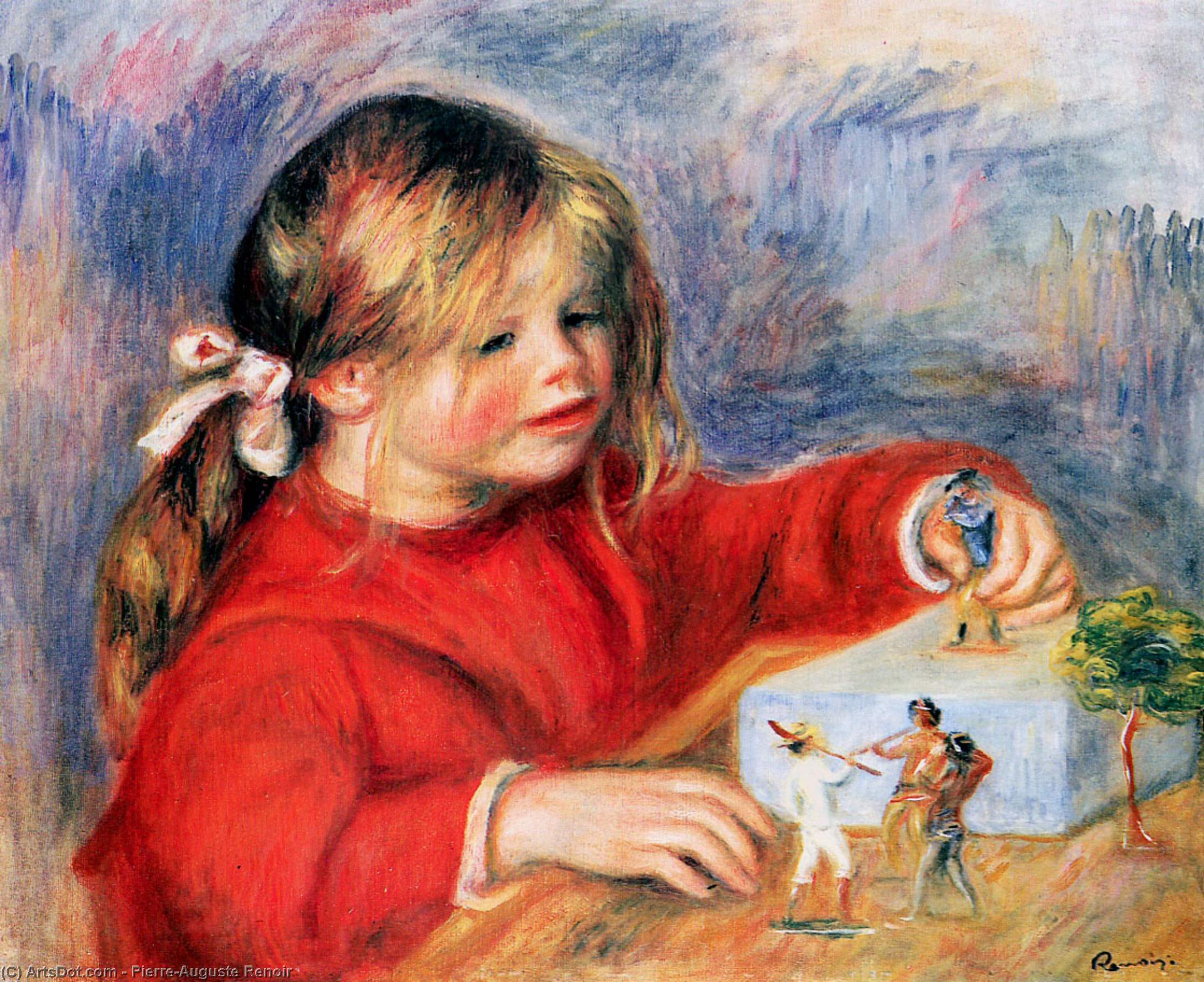
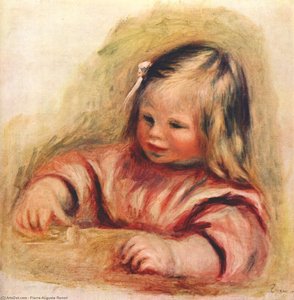
Claude Renoir beim Spielen im Sonnenschein
 Öl auf Leinwand
- Wandkunst
- Impressionismus
 1905
1905- Moderne
 55.0 x 46.0 cm
 Weiterlesen
Erwerben Sie ein hochauflösendes, optimiertes digitales Bild, das der Online-Vorschau weit überlegen ist.
Jede Datei wird von unseren hauseigenen Spezialisten mit modernsten Werkzeugen und fachmännischer manueller Retusche sorgfältig vorbereitet. Wir stellen sicher, dass jedes Bild eine außergewöhnliche Klarheit, präzise Farbgenauigkeit und feinste Details aufweist.
Die endgültige Datei wird innerhalb von 72 Stunden per E-Mail zugestellt und ist für den sofortigen Einsatz in professionellen, redaktionellen und Druckumgebungen optimiert. Es handelt sich um dieselbe Qualität, der führende Designstudios, Verlage und Galerien vertrauen.
Digitales Bild
Laden Sie eine hochauflösende Datei für die persönliche Präsentation, den Druck und kreative Projekte herunter. ( Druck bestellen Handgemalte Reproduktion bestellen)
In jeder Bestellung digitaler Bilder enthalten
Professionelle digitale Bereitstellung, garantiert
Wenn Sie sich für ArtsDot.com entscheiden, erhalten Sie nicht nur ein Bild – Sie erhalten ein professionell aufbereitetes digitales Kunstwerk, das mit höchster Präzision erstellt und durch eine Zufriedenheitsgarantie abgesichert wird. Hier ist alles, was automatisch mit Ihrer Bestellung geliefert wird:

Schnelle E-Mail-Zustellung
Ihre hochauflösende digitale Bilddatei wird Ihnen innerhalb von 72 Stunden nach der Bestellung per E-Mail zugestellt – bereit zur sofortigen Verwendung.

KI-optimierte digitale Datei
Ihre Kunstwerke werden professionell mithilfe fortschrittlicher KI-Tools und manueller Bearbeitung optimiert, um maximale Detailtreue, Klarheit und Farbgenauigkeit zu gewährleisten.

Lebenslanger kostenloser Neudruckservice
Datei versehentlich gelöscht oder verloren? Keine Sorge – wir senden sie Ihnen jederzeit kostenlos erneut zu.

Keine Einfuhrgebühren – jemals
Genießen Sie Ihr Kunstwerk sofort ohne Zollgebühren, Einfuhrabgaben oder Versandkosten – digitale Downloads sind immer steuerfrei.

Garantierte Farbtreue
Wir garantieren, dass Ihr digitales Bild mithilfe professioneller Werkzeuge und Farbmanagement die Originalfarben so präzise wie möglich wiedergibt.

60-Tage-Zufriedenheitsgarantie
Sollten Sie mit Ihrem digitalen Bild nicht zufrieden sein, werden wir es überarbeiten oder Ihnen innerhalb von 60 Tagen 100% erstatten – ohne Wenn und Aber.

100% Geld-zurück-Garantie
Nicht zufrieden? Erhalten Sie innerhalb von 60 Tagen nach Erhalt Ihrer digitalen Datei eine vollständige Rückerstattung – ohne Angabe von Gründen.

Rabatte bei Großbestellungen
3 Bilder kaufen, 10% sparen – 5 Bilder kaufen, 15% sparen – Ab 10 Bildern 20% sparen. Ideal für kreative Projekte, Galerien und Agenturen.
Claude Renoir at Play: A Sunlit Moment of Childhood Innocence
Pierre-Auguste Renoir’s “Claude Renoir at Play” (1905) isn't merely a portrait; it’s a distillation of joy, a vibrant snapshot of childhood captured with the artist’s signature Impressionistic grace. The painting immediately draws the viewer into a scene brimming with warmth and light – a young Claude, Renoir’s third son, engrossed in a game with miniature lead soldiers. It's a deceptively simple composition, yet within its quiet intimacy lies a wealth of artistic observation and emotional resonance. The canvas itself is dominated by a hazy, indistinct background, rendered with broad, confident brushstrokes that suggest the dappled shade beneath a tree – an element subtly hinting at the idyllic setting of a Parisian garden. This deliberate blurring focuses our attention entirely on the central subject: Claude himself.Artistic Style and Technique - A Dance of Color and Light
Renoir’s genius lies in his masterful manipulation of color and light, techniques that are exquisitely displayed here. He employs a technique characteristic of Impressionism – small, sharp brushstrokes layered upon one another to create an effect of shimmering vibrancy. The colors aren't blended smoothly; instead, they retain their individual character, resulting in a lively, almost tactile quality. Notice the intense reds of Claude’s shirt, juxtaposed against the softer blues and greens of his hair and the surrounding environment. This deliberate contrast isn’t merely decorative; it heightens the sense of energy and movement within the scene. Renoir's ability to render human skin with remarkable depth and luminosity is particularly noteworthy – a testament to his keen eye for detail and understanding of light’s effect on form. The way he captures the subtle nuances of Claude’s face, the delicate curve of his lips, and the sparkle in his eyes speaks volumes about Renoir’s dedication to portraying authentic emotion.Subject Matter and Composition - A Study in Childhood Observation
The subject matter itself is deceptively straightforward: a child playing with toys. However, Renoir elevates this commonplace scene into something profoundly moving. He doesn’t attempt to idealize Claude or romanticize childhood; instead, he presents him as he truly was – a boy lost in the simple pleasures of his game. The lead soldiers, rendered with minimal detail, become symbols of imagination and adventure. The composition is carefully balanced, drawing our eye to Claude’s face, which occupies the central focus. The surrounding figures—presumably family members or friends—are sketched lightly, almost as afterthoughts, further emphasizing Claude’s importance within the scene. This deliberate framing underscores Renoir’s fascination with capturing fleeting moments of everyday life and imbuing them with profound meaning.Historical Context and Artistic Influences - Echoes of Raphael and Southern France
Renoir's work during this period reflects a significant shift in his artistic sensibilities, influenced by his travels and encounters with various art styles. His sojourn in Italy, particularly his admiration for the works of Raphael, led to a renewed interest in classical forms and a greater emphasis on contour and form – a departure from the looser brushwork of his earlier Impressionistic paintings. Similarly, his time spent in southern France inspired a more vibrant palette and a heightened sense of atmosphere. The painting’s light-filled quality and joyful mood are reminiscent of the landscapes he encountered during those travels. It's fascinating to consider how these diverse influences coalesced within Renoir’s artistic vision, resulting in this remarkably evocative portrait of childhood.Choosing the Right Piece - Bringing Renoir into Your Space
When considering a Renoir reproduction for your home, think about how its vibrant colors and joyful atmosphere can complement your existing décor. Neutral spaces—such as living rooms or bedrooms—can be dramatically enhanced by the bursts of color found in “Claude Renoir at Play.” The painting’s dynamic composition also lends itself well to creating focal points within a room. For those seeking a touch of nostalgic charm, this piece offers an excellent starting point. You can explore similar works by Renoir on ArtsDot.com and discover the breadth of his artistic legacy. For further insight into Pierre-Auguste Renoir’s life and work, we recommend visiting the Musée de l'Orangerie in Paris or consulting the comprehensive Wikipedia entry dedicated to the artist.Ähnliche Kunstwerke
Biografie des Künstlers
frühes Leben und Karriere
pierre-auguste renoir, ein prägender französischer Künstler, wurde am 25. Februar 1841 in Limoges, Frankreich, geboren. Er spielte eine entscheidende Rolle bei der Gestaltung des Impressionismus und war bekannt für sein lebendiges Licht und seine gesättigten Farben. Renoirs Werk feierte Schönheit, insbesondere weibliche Sinnlichkeit, und platzierte ihn in einer Linie von Künstlern, die von Rubens bis Watteau reicht.Künstlerisches Erbe
Renoirs Vermächtnis erstreckte sich über seine Leinwand hinaus, da er der Patriarche einer Familie war, in der Kunst in verschiedenen Formen blühte. Seine Kinder, pierre renoir (1885–1952), Filmemacher jean renoir (1894–1979) und Keramikkünstler claude renoir (1901–1969), leisteten alle bedeutende Beiträge in ihren jeweiligen Bereichen. Sein Enkel, Filmemacher claude renoir (1913–1993), vertiefte das künstlerische Erbe der Familie weiter.Bekannte Werke und Museen
* Dance at Bougival, ein bemerkenswertes Gemälde von Renoir, zeigt seine Meisterschaft beim Festhalten der Essenz des Impressionismus. * Das Musée des Collettes, das sich in Cagnes-sur-Mer, Frankreich, befindet, ist ein Muss für Kunstliebhaber. Dieses Museum, das einst das Zuhause von Pierre-Auguste Renoir war, dient als Zeugnis seines Lebens und Werks und beherbergt fünfzehn seiner Gemälde. * Das Musée Maurice Denis, ein weiteres verstecktes Juwel in Frankreich, präsentiert eine beeindruckende Sammlung französischer Postimpressionistischer Gemälde aus dem späten 19. und frühen 20. Jahrhundert.Renoirs Kunst mit ArtsDot entdecken
- Entdecken Sie den Charme des Musée des Collettes (Frankreich) und seiner Impressionistenkunst bei ArtsDot: [https://ArtsDot.com/@@/a@d3aupf](https://ArtsDot.com/@@/a@d3aupf)
- Erkunden Sie die Wunder des Musée Maurice Denis (Frankreich) mit ArtsDot: /de/art/show/art-d3aue3-de/
- Ansehen Sie sich Renoirs Gemälde, einschließlich Dance at Bougival, bei ArtsDot: [https://ArtsDot.com/@/pierre-auguste renoir](https://ArtsDot.com/@/pierre-auguste%20renoir)
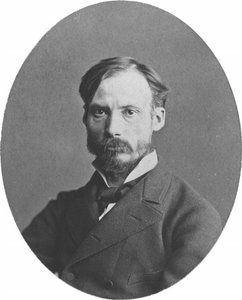
Pierre-Auguste Renoir
1841 - 1919 , Frankreich
Kurzinfos
- Beeinflusste Künstler:
- Rubens
- Watteau
- Bemerkenswerte Werke:
- Tanz im Moulin de la Galette
- Bootsfahrt-Mittagessen
- Nach dem Bad
- Tanz in Bougival
- Geburtsdatum: 25. Februar 1841
- Geburtsort: Limoges, Frankreich
- Künstlerischer Stil: Impressionismus
- Nationalität: Französisch
- Todatum: 3. Dezember 1919
- Vollständiger Name: Pierre-Auguste Renoir
- Von Künstlern Beeinflusst:
- Camille Pissarro
- Édouard Manet

