 Vorschau anzeigen
 Versenden
 Teilen
 Details anzeigen

 Herunterladen
 Ähnliche Objekte
 Röntgenaufnahme
 Diashow
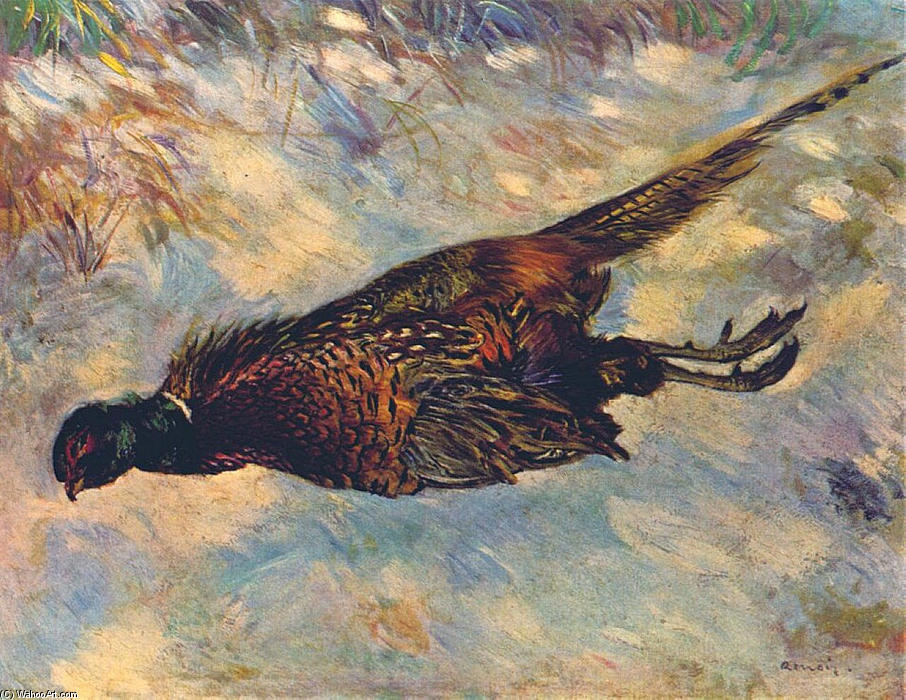
Der tote Fasan im Schnee


 Weiterlesen
Handgefertigte Ölreproduktion
Handgemaltes Ölgemälde auf Leinwand in Ihrer Wunschgröße und mit Rahmen, auf Bestellung von unseren Künstlern angefertigt. ( Druck bestellen Bild kaufen)




P118B $10

P118H $10

P118W $10

P438Z $10

P508JH $12

P508YH $12

P805H $10

P805Z $10

P919BZ $10

P919G $10

P919XJ $10

P959ZH $10

P968JZ $12

W106C $8

W218G $10

W218JH $8

W218Y $10

W307PJ $10

W316G $10

W316PJ $8

W316Y $10

W398PJ $8

W4111J $10

W500HY $15

W500JH $15

W692G $12

W849H $8

W940BG $15

W953PJ $8




Wählen Sie aus unseren vordefinierten Formaten, die den ursprünglichen Proportionen des Kunstwerks entsprechen.

Sie können Ihre eigenen Maße eingeben, um einen bestimmten Rahmen oder Platz auszufüllen. Wenn die gewählte Größe nicht den Proportionen des Originalbildes entspricht, werden wir das Kunstwerk entweder beschneiden oder das Gemälde durch zusätzliche, handgemalte Elemente erweitern. Ein digitales Mockup wird Ihnen zur Genehmigung zugesandt, bevor die Produktion beginnt.
Bitte beachten Sie, dass die Bildschirmvorschau nicht die tatsächliche Beschneidung oder Erweiterung widerspiegelt. Nur das Mockup zeigt die endgültige Komposition exakt an.
Obwohl Sondermaße verfügbar sind, empfehlen wir, eine Größe aus der vordefinierten Liste zu wählen, um die ursprünglichen Proportionen beizubehalten.
Nach der Bestellung wird das ArtsDot.com-Team dem Kunden Anweisungen per E-Mail zusenden und eine Mockup-Vorschau bereitstellen.
Weltweiter Versand () in nur 3 bis 4 Wochen statt der üblichen 5 Wochen. (21 August). Keine Kompromisse bei der Qualität.

Kostenloser weltweiter Expressversand

Hochwertige Leinenleinwand

Umfassender Versicherungsschutz beim Versand

Zollgebühren-Rückerstattungsgarantie

Garantie für exakte Farbtreue

60 Tage Rückgaberecht (nur bei Mängeln)

100% Geld-zurück-Garantie

Mengenrabatt verfügbar
 Die Glasoption ist nur für Größen unter 110 cm verfügbar.

Der tote Fasan im Schnee
Art der Reproduktion
Format der Reproduktion
-


Gesamtpreis
$ 263
Beschreibung des Kunstwerks
Das stille Leid des Rehs im Schnee – Eine Betrachtung von Renoirs Wintergedicht
Pierre-Auguste Renoir’s “Dead Pheasant in the Snow” (1879) is not merely a depiction of a fallen bird; it's a poignant meditation on mortality, beauty, and the melancholic grace of winter. Painted during a pivotal period in his artistic development, this oil on canvas offers a glimpse into Renoir’s evolving style – a shift away from the vibrant social scenes that initially defined his career towards a more introspective and subtly dramatic approach.
The scene unfolds with quiet intensity: a pheasant lies sprawled upon the snow, its plumage rendered in exquisite detail. The artist masterfully captures the texture of the fur, the delicate curve of the wings, and the subtle variations in color that betray the bird’s vulnerability. Renoir's meticulous observation is evident in every brushstroke, yet he avoids a purely realistic portrayal. Instead, he imbues the image with an ethereal quality, softening the harshness of the winter landscape through a masterful use of light and shadow. The snow itself isn’t depicted as a blinding white expanse but rather as a muted grey-blue, creating a sense of depth and atmospheric perspective.
Die Wurzeln des Impressionismus und Renoirs künstlerische Reise
To fully appreciate “Dead Pheasant in the Snow,” it's crucial to understand Renoir’s artistic journey. His early years as a porcelain painter instilled a deep respect for craftsmanship and an appreciation for delicate detail – skills that would later inform his approach to painting. However, it was his frequent visits to the Louvre that truly ignited his passion. He became particularly captivated by the works of the Old Masters, not simply admiring their technical prowess but absorbing their understanding of light, color, and composition. This influence is subtly present in Renoir’s use of broken brushstrokes and a focus on capturing fleeting moments of beauty.
1879 represents a turning point for Renoir. He was increasingly experimenting with new techniques and exploring themes that resonated with his own evolving emotional landscape. The painting reflects this experimentation, moving away from the bright colors and lively subjects of his earlier works towards a more subdued palette and a focus on capturing the quiet dignity of death.
Symbolik und die Sprache der Natur
The dead pheasant itself carries significant symbolic weight. In Western art tradition, the pheasant has long been associated with nobility, wealth, and even resurrection – its plumage mirroring the richness of royal garments. Here, however, the bird’s demise transforms these associations into a poignant reminder of life's fragility and the inevitability of death. The snow serves as a powerful metaphor for oblivion, enveloping the pheasant in a silent embrace.
The surrounding landscape – the grassy area with scattered plants – provides a subtle counterpoint to the scene’s melancholy. It suggests a world continuing on despite the loss, hinting at the cyclical nature of life and death within the natural order. The muted colors and soft light contribute to an overall atmosphere of tranquility, inviting contemplation rather than despair.
Ein Meisterwerk für Sammler und Innenraumgestalter
ArtsDot offers exquisite, hand-painted reproductions of “Dead Pheasant in the Snow,” meticulously crafted to capture the essence of Renoir’s original masterpiece. These reproductions are not merely copies; they are artistic interpretations that strive to replicate the painting's nuanced color palette, delicate brushwork, and evocative atmosphere. Whether you are a seasoned art collector or seeking to add a touch of timeless elegance to your interior design, this artwork offers a profound connection to one of Impressionism’s most enduring images.
The scale and quality of our reproductions ensure that the emotional impact of Renoir's work is fully realized. Consider it not just as decoration, but as a window into the soul of an artist grappling with beauty, mortality, and the quiet poetry of the natural world.
Ähnliche Kunstwerke
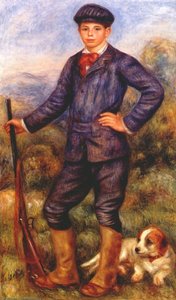
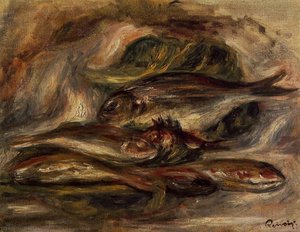
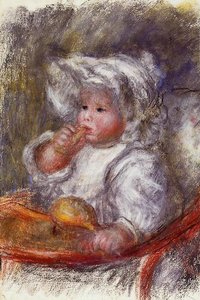
Über den Künstler
frühes Leben und Karriere
pierre-auguste renoir, ein prägender französischer Künstler, wurde am 25. Februar 1841 in Limoges, Frankreich, geboren. Er spielte eine entscheidende Rolle bei der Gestaltung des Impressionismus und war bekannt für sein lebendiges Licht und seine gesättigten Farben. Renoirs Werk feierte Schönheit, insbesondere weibliche Sinnlichkeit, und platzierte ihn in einer Linie von Künstlern, die von Rubens bis Watteau reicht.Künstlerisches Erbe
Renoirs Vermächtnis erstreckte sich über seine Leinwand hinaus, da er der Patriarche einer Familie war, in der Kunst in verschiedenen Formen blühte. Seine Kinder, pierre renoir (1885–1952), Filmemacher jean renoir (1894–1979) und Keramikkünstler claude renoir (1901–1969), leisteten alle bedeutende Beiträge in ihren jeweiligen Bereichen. Sein Enkel, Filmemacher claude renoir (1913–1993), vertiefte das künstlerische Erbe der Familie weiter.Bekannte Werke und Museen
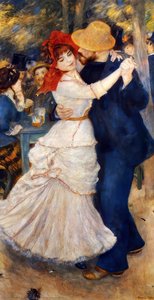
* Dance at Bougival, ein bemerkenswertes Gemälde von Renoir, zeigt seine Meisterschaft beim Festhalten der Essenz des Impressionismus. * Das Musée des Collettes, das sich in Cagnes-sur-Mer, Frankreich, befindet, ist ein Muss für Kunstliebhaber. Dieses Museum, das einst das Zuhause von Pierre-Auguste Renoir war, dient als Zeugnis seines Lebens und Werks und beherbergt fünfzehn seiner Gemälde. * Das Musée Maurice Denis, ein weiteres verstecktes Juwel in Frankreich, präsentiert eine beeindruckende Sammlung französischer Postimpressionistischer Gemälde aus dem späten 19. und frühen 20. Jahrhundert.Renoirs Kunst mit ArtsDot entdecken
- Entdecken Sie den Charme des Musée des Collettes (Frankreich) und seiner Impressionistenkunst bei ArtsDot: [https://ArtsDot.com/@@/a@d3aupf](https://ArtsDot.com/@@/a@d3aupf)
- Erkunden Sie die Wunder des Musée Maurice Denis (Frankreich) mit ArtsDot: /de/art/show/art-d3aue3-de/
- Ansehen Sie sich Renoirs Gemälde, einschließlich Dance at Bougival, bei ArtsDot: [https://ArtsDot.com/@/pierre-auguste renoir](https://ArtsDot.com/@/pierre-auguste%20renoir)
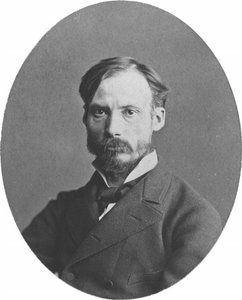
Pierre-Auguste Renoir
1841 - 1919 , Frankreich
Kurzinfos
- Beeinflusste Künstler:
- Rubens
- Watteau
- Bemerkenswerte Werke:
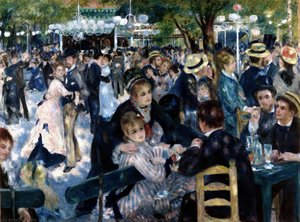
- Tanz im Moulin de la Galette
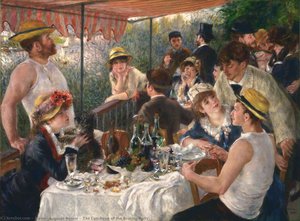
- Bootsfahrt-Mittagessen
- Nach dem Bad
- Tanz in Bougival
- Geburtsdatum: 25. Februar 1841
- Geburtsort: Limoges, Frankreich
- Künstlerischer Stil: Impressionismus
- Nationalität: Französisch
- Todatum: 3. Dezember 1919
- Vollständiger Name: Pierre-Auguste Renoir
- Von Künstlern Beeinflusst:
- Camille Pissarro
- Édouard Manet
Ähnliche Artikel
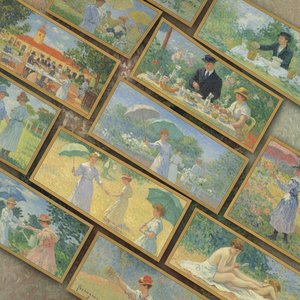
Pierre-Auguste Renoir: Die 25 Meisterwerke des Impressionismus für Ihr Zuhause | ArtsDot
Entdecken Sie die 25 schönsten Meisterwerke von Pierre-Auguste Renoir! Tauchen Sie ein in die Welt des Impressionismus, erleben Sie berühmte Gemälde wie 'Bal au moulin de la Galette' und finden Sie hochwertige Kunstdrucke für Ihr Zuhause. Jetzt auf ArtsDot.com!
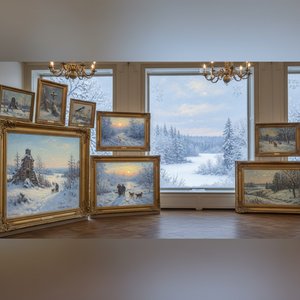
Schneezauber in der Kunst: Die 10 berühmtesten Gemälde – ArtsDot
Entdecken Sie die 10 berühmtesten Gemälde, die von Schnee und Winterlandschaften inspiriert sind! Von Monet bis Caspar David Friedrich – erleben Sie Kunstgeschichte. Hochwertige Reproduktionen auf ArtsDot.com
Impressionismus: Die 10 Meisterwerke, die eine Kunstbewegung prägten | ArtsDot
Entdecken Sie die 10 Meisterwerke des Impressionismus! Von Monet bis Renoir – erfahren Sie die Geschichten hinter ikonischen Gemälden, Techniken & Farben. Hochwertige Reproduktionen auf ArtsDot.com.

Impressionismus: Die 10 Meisterwerke, die eine Kunstbewegung prägten | ArtsDot
Entdecken Sie die 10 Meisterwerke des Impressionismus! Von Monet bis Renoir – erleben Sie die Geschichten, Techniken & Farben berühmter Künstler. Kunstdrucke in Museumsqualiät auf ArtsDot.com.
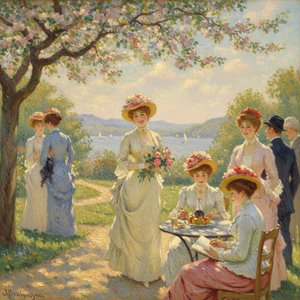
The Luminous World of Pierre-Auguste Renoir: An Exploration of Impressionism's Sensuous Embrace
Explore the captivating world of Pierre-Auguste Renoir! Discover his life, iconic Impressionist masterpieces & enduring legacy with our expert guide. High-quality reproductions available.