 Vorschau anzeigen
 Versenden
 Teilen
 Details anzeigen

 Herunterladen
 Ähnliche Objekte
 Röntgenaufnahme
 Diashow
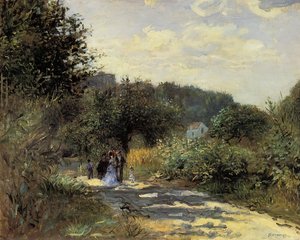
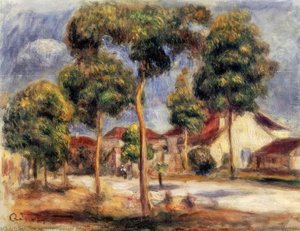
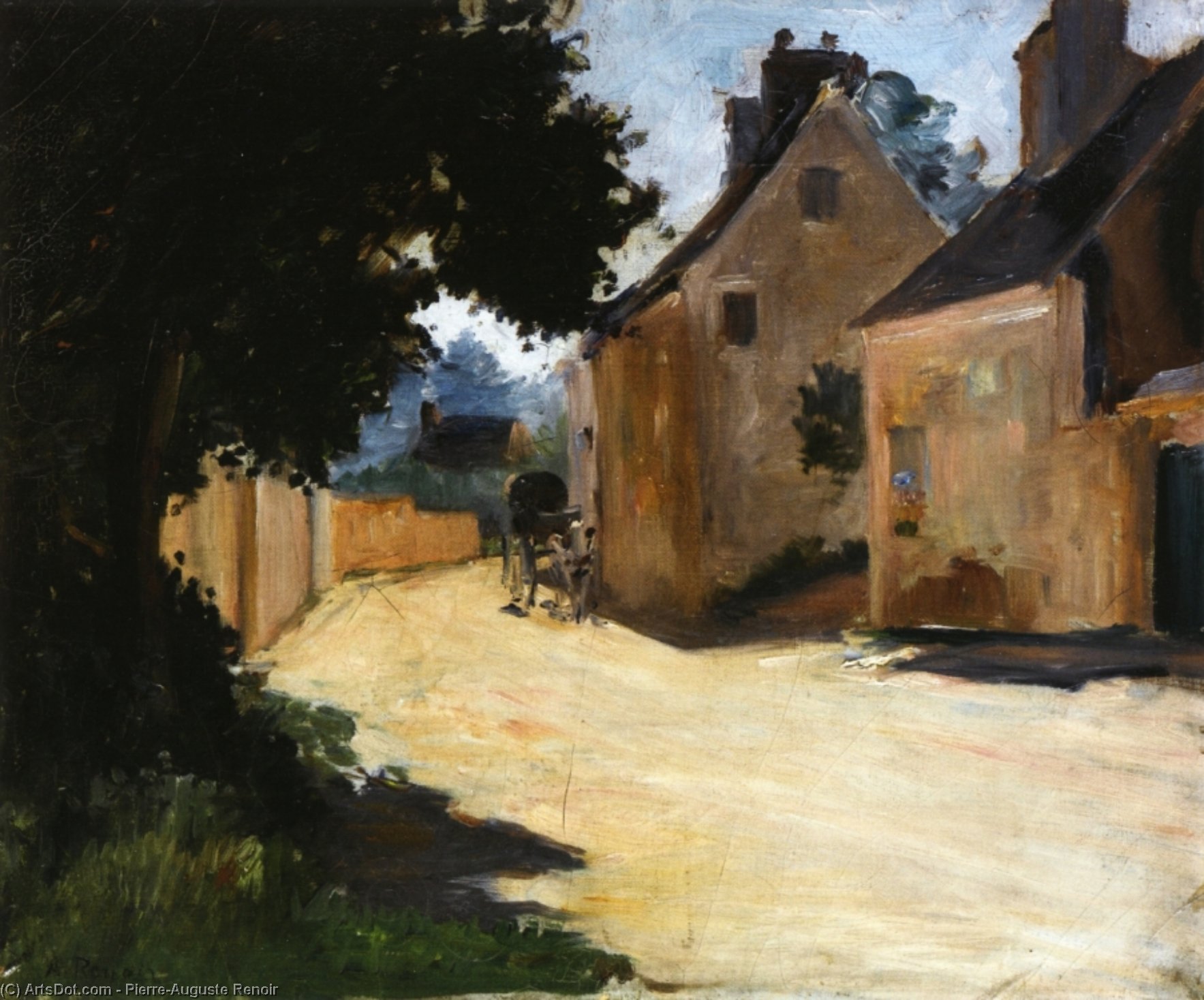
Dorfstraße, Louveciennes
 Öl auf Leinwand
- Wandkunst
- Impressionist Landscape
 1872
1872- 19. Jahrhundert
 38.0 x 46.0 cm
 Weiterlesen
Handgefertigte Ölreproduktion
Handgemaltes Ölgemälde auf Leinwand in Ihrer Wunschgröße und mit Rahmen, auf Bestellung von unseren Künstlern angefertigt. ( Druck bestellen Bild kaufen)




P118B $10

P118H $10

P118W $10

P438Z $10

P508JH $12

P508YH $12

P805H $10

P805Z $10

P919BZ $10

P919G $10

P919XJ $10

P959ZH $10

P968JZ $12

W106C $8

W218G $10

W218JH $8

W218Y $10

W307PJ $10

W316G $10

W316PJ $8

W316Y $10

W398PJ $8

W4111J $10

W500HY $15

W500JH $15

W692G $12

W849H $8

W940BG $15

W953PJ $8




Wählen Sie aus unseren vordefinierten Formaten, die den ursprünglichen Proportionen des Kunstwerks entsprechen.

Sie können Ihre eigenen Maße eingeben, um einen bestimmten Rahmen oder Platz auszufüllen. Wenn die gewählte Größe nicht den Proportionen des Originalbildes entspricht, werden wir das Kunstwerk entweder beschneiden oder das Gemälde durch zusätzliche, handgemalte Elemente erweitern. Ein digitales Mockup wird Ihnen zur Genehmigung zugesandt, bevor die Produktion beginnt.
Bitte beachten Sie, dass die Bildschirmvorschau nicht die tatsächliche Beschneidung oder Erweiterung widerspiegelt. Nur das Mockup zeigt die endgültige Komposition exakt an.
Obwohl Sondermaße verfügbar sind, empfehlen wir, eine Größe aus der vordefinierten Liste zu wählen, um die ursprünglichen Proportionen beizubehalten.
Nach der Bestellung wird das ArtsDot.com-Team dem Kunden Anweisungen per E-Mail zusenden und eine Mockup-Vorschau bereitstellen.
Weltweiter Versand () in nur 3 bis 4 Wochen statt der üblichen 5 Wochen. (20 August). Keine Kompromisse bei der Qualität.

Kostenloser weltweiter Expressversand

Hochwertige Leinenleinwand

Umfassender Versicherungsschutz beim Versand

Zollgebühren-Rückerstattungsgarantie

Garantie für exakte Farbtreue

60 Tage Rückgaberecht (nur bei Mängeln)

100% Geld-zurück-Garantie

Mengenrabatt verfügbar
 Die Glasoption ist nur für Größen unter 110 cm verfügbar.

Dorfstraße, Louveciennes
Art der Reproduktion
Format der Reproduktion
-


Gesamtpreis
$ 263
Beschreibung des Kunstwerks
Pierre-Auguste Renoir’s “Village Street, Louveciennes”: A Moment of Parisian Tranquility
“Village Street, Louveciennes,” painted in 1872 by Pierre-Auguste Renoir, isn't merely a depiction of a street scene; it’s a carefully constructed evocation of a fleeting moment of everyday life, imbued with the very essence of Impressionism. This captivating oil on canvas transports us to a sun-drenched corner of Louveciennes, a charming village nestled just outside Paris – a place that held particular significance for Renoir and his fellow artists during the late 1870s.
The painting immediately draws the eye with its soft, luminous palette. Renoir masterfully employs broken brushstrokes—a hallmark of Impressionism—to capture the play of light and shadow on the buildings, the horse-drawn carriage, and the figures strolling along the street. Notice how he doesn’t attempt to render sharp outlines or precise details; instead, he uses color and texture to suggest form and create a sense of atmospheric depth. The dominant hues – warm yellows, ochres, and muted greens – contribute to an overall feeling of warmth and tranquility, inviting the viewer into this idyllic scene.
- Composition: The central focus is undeniably the horse-drawn carriage, its elegant form framed by the surrounding buildings. Renoir skillfully uses perspective to draw our eye along the street, leading us through the composition and highlighting the various figures engaged in their daily routines.
- Color Palette: The use of pastel shades creates a dreamlike quality, softening the edges and blurring the boundaries between objects. This technique is crucial to capturing the fleeting effects of light and atmosphere that were central to Impressionist painting.
- Brushwork: Renoir’s characteristic loose, visible brushstrokes are not haphazard; they contribute significantly to the sense of movement and spontaneity within the scene. They suggest a quick, almost impressionistic capture of a moment in time.
The Influence of Courbet and the Rise of Impressionism
Renoir’s “Village Street, Louveciennes” reflects the artistic currents of his time, particularly the influence of Gustave Courbet and Jean-Baptiste-Camille Corot. Courbet's emphasis on depicting everyday subjects with a realistic approach paved the way for Renoir’s exploration of Parisian life. Similarly, Corot’s landscapes, characterized by their atmospheric effects and subtle color harmonies, provided inspiration for Renoir’s own depictions of the French countryside.
Crucially, this painting emerged during a pivotal period in art history – the rise of Impressionism. Renoir was part of the Société des Artistes Indépendants, a group that challenged the established Salon system and championed a new approach to painting. This collective effort, culminating in the eight Paris Impressionist exhibitions from 1874 to 1886, solidified Renoir’s position as a leading figure in this revolutionary movement. The exhibition was a turning point, marking a shift away from academic traditions and towards capturing subjective impressions of light and color.
Symbolism and the Everyday
Beyond its technical brilliance, “Village Street, Louveciennes” is rich in symbolic meaning. The horse-drawn carriage represents a connection to a bygone era, while the figures strolling along the street embody the rhythms of daily life. The dog on the side of the road adds a touch of domesticity and reinforces the sense of normalcy and tranquility. Renoir wasn’t simply painting a scene; he was capturing an *experience*, a feeling—the quiet beauty of a Parisian afternoon.
Interestingly, Louveciennes itself held a special significance for Renoir and his fellow Impressionists. The village served as a retreat from the bustle of Paris, offering a space to experiment with new techniques and capture the changing light of the seasons. It was here that they developed their distinctive style, characterized by its emphasis on capturing fleeting moments and subjective impressions.
A Legacy of Light and Color
“Village Street, Louveciennes” stands as a testament to Renoir’s artistic genius and his pivotal role in the development of Impressionism. Its serene atmosphere, luminous colors, and evocative brushstrokes continue to captivate viewers today, reminding us of the beauty that can be found in the simplest of moments. Reproductions of this masterpiece offer an exceptional opportunity to bring a touch of Parisian charm into any space, allowing you to experience the magic of Renoir’s vision firsthand.
Ähnliche Kunstwerke
Über den Künstler
frühes Leben und Karriere
pierre-auguste renoir, ein prägender französischer Künstler, wurde am 25. Februar 1841 in Limoges, Frankreich, geboren. Er spielte eine entscheidende Rolle bei der Gestaltung des Impressionismus und war bekannt für sein lebendiges Licht und seine gesättigten Farben. Renoirs Werk feierte Schönheit, insbesondere weibliche Sinnlichkeit, und platzierte ihn in einer Linie von Künstlern, die von Rubens bis Watteau reicht.Künstlerisches Erbe
Renoirs Vermächtnis erstreckte sich über seine Leinwand hinaus, da er der Patriarche einer Familie war, in der Kunst in verschiedenen Formen blühte. Seine Kinder, pierre renoir (1885–1952), Filmemacher jean renoir (1894–1979) und Keramikkünstler claude renoir (1901–1969), leisteten alle bedeutende Beiträge in ihren jeweiligen Bereichen. Sein Enkel, Filmemacher claude renoir (1913–1993), vertiefte das künstlerische Erbe der Familie weiter.Bekannte Werke und Museen
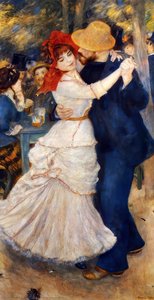
* Dance at Bougival, ein bemerkenswertes Gemälde von Renoir, zeigt seine Meisterschaft beim Festhalten der Essenz des Impressionismus. * Das Musée des Collettes, das sich in Cagnes-sur-Mer, Frankreich, befindet, ist ein Muss für Kunstliebhaber. Dieses Museum, das einst das Zuhause von Pierre-Auguste Renoir war, dient als Zeugnis seines Lebens und Werks und beherbergt fünfzehn seiner Gemälde. * Das Musée Maurice Denis, ein weiteres verstecktes Juwel in Frankreich, präsentiert eine beeindruckende Sammlung französischer Postimpressionistischer Gemälde aus dem späten 19. und frühen 20. Jahrhundert.Renoirs Kunst mit ArtsDot entdecken
- Entdecken Sie den Charme des Musée des Collettes (Frankreich) und seiner Impressionistenkunst bei ArtsDot: [https://ArtsDot.com/@@/a@d3aupf](https://ArtsDot.com/@@/a@d3aupf)
- Erkunden Sie die Wunder des Musée Maurice Denis (Frankreich) mit ArtsDot: /de/art/show/art-d3aue3-de/
- Ansehen Sie sich Renoirs Gemälde, einschließlich Dance at Bougival, bei ArtsDot: [https://ArtsDot.com/@/pierre-auguste renoir](https://ArtsDot.com/@/pierre-auguste%20renoir)
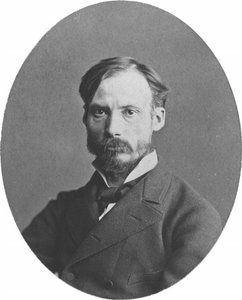
Pierre-Auguste Renoir
1841 - 1919 , Frankreich
Kurzinfos
- Beeinflusste Künstler:
- Rubens
- Watteau
- Bemerkenswerte Werke:
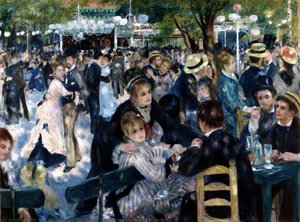
- Tanz im Moulin de la Galette
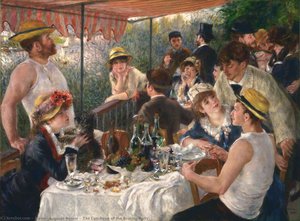
- Bootsfahrt-Mittagessen
- Nach dem Bad
- Tanz in Bougival
- Geburtsdatum: 25. Februar 1841
- Geburtsort: Limoges, Frankreich
- Künstlerischer Stil: Impressionismus
- Nationalität: Französisch
- Todatum: 3. Dezember 1919
- Vollständiger Name: Pierre-Auguste Renoir
- Von Künstlern Beeinflusst:
- Camille Pissarro
- Édouard Manet
Ähnliche Artikel
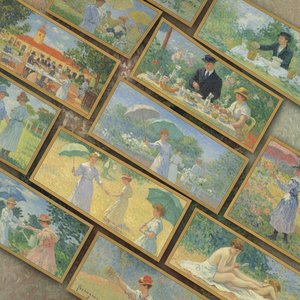
Pierre-Auguste Renoir: Die 25 Meisterwerke des Impressionismus für Ihr Zuhause | ArtsDot
Entdecken Sie die 25 schönsten Meisterwerke von Pierre-Auguste Renoir! Tauchen Sie ein in die Welt des Impressionismus, erleben Sie berühmte Gemälde wie 'Bal au moulin de la Galette' und finden Sie hochwertige Kunstdrucke für Ihr Zuhause. Jetzt auf ArtsDot.com!
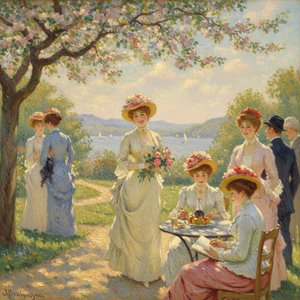
The Luminous World of Pierre-Auguste Renoir: An Exploration of Impressionism's Sensuous Embrace
Explore the captivating world of Pierre-Auguste Renoir! Discover his life, iconic Impressionist masterpieces & enduring legacy with our expert guide. High-quality reproductions available.

The Enduring Legacy of Oil on Canvas: Technique, History & Aesthetic Impact
Explore the rich history & techniques of oil painting – from Renaissance masters to Impressionism. Discover pigments, layering methods, and why this timeless medium endures. Expert insights for artists & art enthusiasts.

Impressionismus: Die 10 Meisterwerke, die eine Kunstbewegung prägten | ArtsDot
Entdecken Sie die 10 Meisterwerke des Impressionismus! Von Monet bis Renoir – erleben Sie die Geschichten, Techniken & Farben berühmter Künstler. Kunstdrucke in Museumsqualiät auf ArtsDot.com.
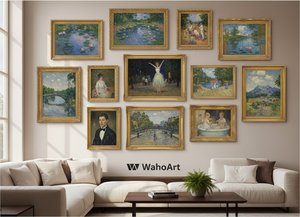
Impressionismus: Die 10 Meisterwerke, die eine Kunstbewegung prägten | ArtsDot
Entdecken Sie die 10 Meisterwerke des Impressionismus! Von Monet bis Renoir – erfahren Sie die Geschichten hinter ikonischen Gemälden, Techniken & Farben. Hochwertige Reproduktionen auf ArtsDot.com.